
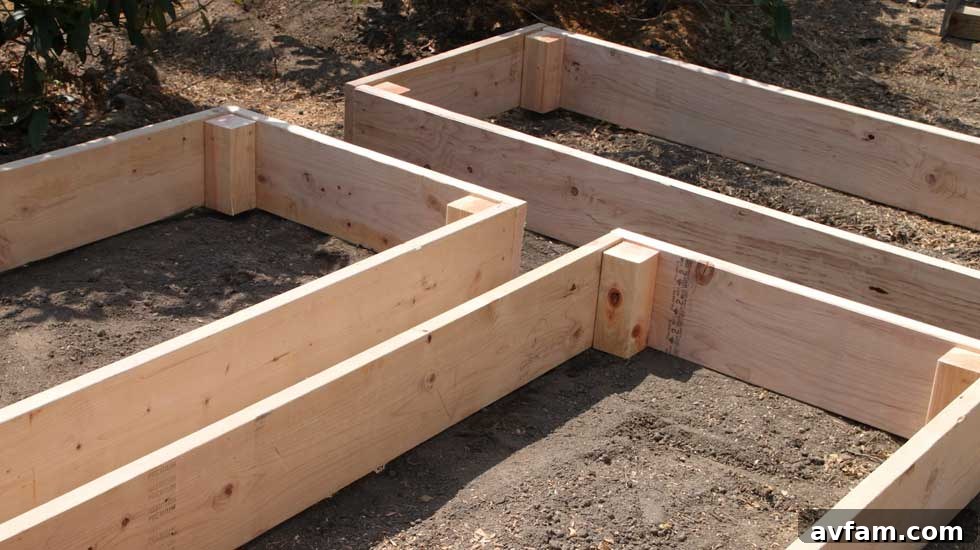
As the holiday season approaches and the air grows crisp, many of us in the US are busy with festivities, family gatherings, and preparing our homes. This time of year often generates a significant amount of waste, from autumn leaves falling in the yard to food scraps from abundant meals. But what if you could transform this seemingly useless waste into a powerful asset for your garden, saving you time, money, and effort come springtime? The answer lies in a simple, sustainable practice: composting. And the best part? You can start right now, utilizing one of your garden’s existing features – your raised garden bed.
Instead of bagging up leaves or sending food scraps to the landfill, consider them valuable ingredients for creating nutrient-rich “black gold” right where your plants will eventually thrive. By embarking on a winter composting journey in your raised beds, you’re not just disposing of waste responsibly; you’re actively enriching your soil, boosting plant health, and taking a significant step towards a more sustainable lifestyle. This comprehensive guide will walk you through the myriad benefits and practical steps of turning your raised garden bed into a productive composting hub, preparing you for an incredibly fruitful growing season.
The Undeniable Power of Composting: More Than Just Waste Management
Composting is nature’s recycling process, a controlled decomposition of organic matter that transforms kitchen scraps, yard waste, and other biodegradable materials into a dark, crumbly, earthy-smelling substance known as compost. This “black gold” is a powerhouse of benefits for any garden:
- Soil Structure Improvement: Compost enhances soil aggregation, creating a loose, well-drained structure that roots love. It prevents soil compaction and improves aeration.
- Increased Water Retention: By adding organic matter, compost significantly boosts the soil’s capacity to hold water, reducing the need for frequent irrigation, especially during dry spells.
- Natural Nutrient Release: Unlike synthetic fertilizers that offer a quick, often unbalanced, nutrient boost, compost provides a slow and steady release of essential macro and micronutrients, feeding plants naturally over time. It acts as a chelating agent, making nutrients more available to plant roots.
- Beneficial Microbial Life: Compost introduces a diverse community of microorganisms, including bacteria, fungi, protozoa, and nematodes, which are vital for a healthy soil food web. These microbes break down nutrients, fight off plant pathogens, and improve overall soil health.
- Pest and Disease Suppression: A healthy soil ecosystem fostered by compost can naturally suppress many common plant diseases and pests, leading to stronger, more resilient plants.
- pH Buffering: Compost helps to stabilize soil pH, making it more favorable for a wider range of plants and reducing the impact of overly acidic or alkaline conditions.
- Reduced Chemical Dependency: By improving soil health and nutrient availability naturally, composting lessens the reliance on synthetic fertilizers and pesticides, contributing to a safer, more organic garden.
- Waste Reduction: Diverting organic waste from landfills reduces methane emissions, a potent greenhouse gas, thereby mitigating your environmental footprint.
Why Raised Garden Beds are the Ultimate Composting Solution
While various composting methods exist, using your raised garden beds offers unique advantages that make it an exceptionally convenient and efficient choice, especially during the colder months:
- Built-in Containment: Raised beds provide a natural enclosure for your compost pile, keeping materials neat, tidy, and contained. This prevents scattering by wind or animals and maintains a more organized garden space.
- Direct Soil Enhancement: Composting directly in your raised bed means that as decomposition occurs, nutrients are immediately available to the soil within that bed. When spring arrives, much of the work of mixing compost into your garden is already done.
- Enhanced Warmth and Insulation: The walls of a raised bed offer a degree of insulation, which can be crucial for maintaining the warmth needed for decomposition, particularly in colder climates. This allows for more effective winter composting compared to open ground piles.
- Ergonomic Access: Raised beds are at a comfortable working height, making it easier to add materials, turn the pile, and monitor its progress without excessive bending or straining.
- Pest Control (Relative): While not entirely impervious, a well-maintained, covered raised bed compost pile can be less appealing to certain pests compared to an open ground pile.
- Optimized Space Utilization: If your raised beds are empty during winter, composting in them makes excellent use of otherwise dormant garden space, turning it into a productive asset.
Getting Started: The Simplicity of Raised Bed Composting
One of the biggest misconceptions about composting is that it requires special equipment, expensive bins, or advanced knowledge. For raised bed composting, nothing could be further from the truth. You don’t need a fancy gadget or a custom-built container. All you truly need is:
- Your Raised Garden Bed: The primary structure.
- Covering Material: A tarp, old carpet, thick cardboard, a sheet of plywood, or even a layer of straw can serve to retain heat, moisture, and keep critters out.
- Basic Tools: A rake or pitchfork for turning, and a watering can or hose for moisture.
- Optional (but Recommended) Worms: A handful of red wigglers (Eisenia fetida) can significantly accelerate the decomposition process, especially in cooler conditions, through vermicomposting.
The beauty of this method lies in its accessibility. If you have a raised bed, you’re already halfway there!
What to Compost (and What Not To): The Right Ingredients for “Black Gold”
A successful compost pile relies on a balanced mix of “greens” (nitrogen-rich materials) and “browns” (carbon-rich materials). Aim for a ratio of roughly 2-3 parts browns to 1 part greens by volume. Maintaining this balance ensures efficient decomposition and prevents odors.
Excellent “Green” Materials (Nitrogen-Rich):
- Kitchen Scraps: Fruit and vegetable peelings, cores, skins, coffee grounds (and filters), tea bags, eggshells (crushed).
- Fresh Yard Waste: Grass clippings (in thin layers to prevent matting), fresh plant trimmings, spent annuals (disease-free).
Abundant “Brown” Materials (Carbon-Rich), especially during autumn/winter:
- Fallen Leaves: A primary resource during the fall and early winter. Shredding them helps speed decomposition.
- Woody Materials: Small twigs, wood chips, sawdust (in moderation).
- Cardboard & Paper: Shredded newspaper (non-glossy, non-color print), paper towels, toilet paper rolls, plain cardboard (torn into small pieces).
- Straw & Hay: Excellent for aeration and adding bulk.
- Dried Plant Stems: From previous growing seasons.
Materials to AVOID in your Raised Bed Compost (especially for home gardens):
- Meat, Bones, Fish, Dairy Products, and Oily Foods: These attract pests (rodents, raccoons, flies) and can create foul odors. They also take a long time to break down in a typical home compost pile.
- Pet Waste: Contains pathogens that can be harmful to humans if spread on food crops.
- Diseased Plants: Pathogens may survive the composting process and spread to your healthy plants.
- Weeds with Seeds: Weed seeds can survive and germinate, spreading weeds throughout your garden.
- Chemically Treated Materials: Lawn clippings or plants treated with herbicides or pesticides can contaminate your compost.
- Synthetic Materials: Plastics, metals, glass will not decompose.
Winter Composting in Raised Beds: A Strategic Advantage
Even if you live in colder climates where temperatures dip below freezing, you can still effectively utilize your already-constructed raised garden bed to begin a compost pile. While the decomposition process may slow down significantly or even pause during the coldest periods, it doesn’t stop entirely. The key is insulation and moisture management.
A raised bed, especially one made of wood or thick material, offers better insulation than an open pile on the ground. The soil mass within the bed helps retain residual heat, and fresh additions of “greens” can generate bursts of heat through microbial activity. When consistently fed and covered, a winter compost pile in a raised bed becomes a dormant powerhouse, ready to spring to life once temperatures rise, providing you with a head start on spring planting.
Step-by-Step Guide to Building Your Winter Compost Pile in a Raised Bed
Creating an active winter compost pile in your raised bed is a straightforward process:
- Prepare Your Bed: If your raised bed still has some residual plant material from the previous season, chop it up and leave it as a base layer. This provides a good foundation and kick-starts the microbial activity.
- Start with a Brown Base: Lay down a generous layer (6-12 inches) of “brown” materials. This could be autumn leaves, straw, or shredded cardboard. This provides good aeration at the bottom and a carbon-rich foundation.
- Add Your Greens: On top of the brown layer, add a thinner layer (2-4 inches) of “green” materials. This is where your holiday meal prep scraps, coffee grounds, and any fresh plant trimmings come in.
- Layer and Repeat: Continue layering browns and greens. Think of it like making a lasagna – alternating layers creates the ideal environment for decomposition. Aim for thinner layers rather than thick, dense ones, as this promotes airflow.
- Moisture is Key: After every few layers, especially if the materials are dry, douse the pile with a quick spurt from the hose or a watering can full of water. The compost should feel consistently damp, like a wrung-out sponge – never soggy or bone dry.
- Aerate (Turn): Use a pitchfork or rake to gently mix the layers. While vigorous turning may be less frequent in winter, occasional aeration helps distribute moisture and oxygen, preventing anaerobic conditions (which cause bad odors).
- Introduce Worms (Optional but Highly Recommended): If temperatures are consistently above freezing, add a handful of red wiggler composting worms. These incredible creatures will actively break down organic matter, especially food scraps, and their castings will further enrich your compost. They can tolerate cooler temperatures but will become less active near freezing.
- Cover Your Pile: This is critical for winter composting. Use a tarp, an old piece of plywood, or even a thick layer of straw or hay. The cover will:
- Retain heat, keeping the microbial activity going longer.
- Prevent excessive rain or snow from waterlogging the pile.
- Keep out unwanted pests.
- Protect the pile from drying winds.
- Walk Away (Mostly): Once covered, let nature take its course. The pile will start to heat up internally as microorganisms get to work.
Maintaining Your Winter Compost Pile: Simple Steps for Success
While winter composting is generally low-maintenance, a minimal amount of effort throughout the colder months will significantly enhance the process and the quality of your finished compost:
- Continue Adding Materials: Don’t stop feeding your pile! As you generate more kitchen scraps or collect more leaves, continue to add them, maintaining the brown-to-green ratio. Burying fresh food scraps deeper in the pile can help them decompose faster and reduce pest attraction.
- Monitor Moisture: Periodically check the moisture level of your pile, especially if it’s been a dry spell or if your cover isn’t completely waterproof. Add water if it feels too dry.
- Occasional Turning: Every few weeks, or when you add a significant amount of new material, return to your pile to move it around with a pitchfork. This introduces oxygen, redistributes moisture, and helps break down materials more evenly. In very cold weather, turning might be less frequent as microbial activity slows.
- Observe and Adjust: Pay attention to your compost. If it smells putrid, it’s likely too wet and/or has too many greens – add more dry browns and turn it. If it’s not breaking down, it might be too dry – add water.
- Protect from Extreme Cold: In regions with prolonged deep freezes, you might consider adding extra layers of insulation on top of your cover, such as bales of straw, to help retain as much internal heat as possible.
The Payoff: Springtime Rewards and a Bountiful Harvest
With a minimal amount of effort this holiday season and throughout the winter, you’ll be doing more than just taking steps to be greener; you’ll be several steps ahead in the spring. As the days lengthen and temperatures rise, your raised bed compost pile will awaken. The decomposition process will accelerate, and by the time you’re ready to plant, you’ll find a rich, dark, earthy compost layer ready to nourish your plants.
You can simply mix this finished compost directly into the top few inches of your raised bed soil, or use it as a generous top-dressing. The benefits will be immediately apparent:
- Vibrant Growth: Your plants will exhibit stronger growth, more robust root systems, and a greater resistance to stress.
- Enhanced Flavor & Nutrition: Fruits, vegetables, and herbs grown in compost-amended soil often boast superior flavor and nutritional content.
- Reduced Effort: Healthy soil means less need for external inputs like chemical fertilizers and pesticides, simplifying your gardening tasks.
- Earlier Harvests: Stronger, healthier seedlings can establish themselves faster, potentially leading to earlier and more abundant harvests.
Imagine picking the freshest, most flavorful fruits, vegetables, and enjoying the most vibrant greenery on your table all summer long, knowing it was all nurtured by the compost you created from your own household waste. This sustainable cycle not only benefits your garden but also provides immense personal satisfaction.
Beyond the Holidays: Fostering a Year-Round Composting Habit
While the holiday season and winter offer an excellent opportunity to kickstart your raised bed composting efforts, the practice doesn’t have to end there. Composting can become a year-round habit, continually enriching your soil and diverting waste from landfills. Throughout spring and summer, continue to add grass clippings, garden trimmings, and kitchen scraps to a designated section of your raised bed, or rotate beds for continuous soil improvement. This consistent infusion of organic matter will ensure your garden remains fertile and productive season after season.
Embracing Sustainable Living and Environmental Impact
Choosing to compost is a powerful act of environmental stewardship. By transforming organic waste into a valuable soil amendment, you are actively participating in a circular economy, reducing landfill burden, and minimizing your carbon footprint. You’re creating a healthier ecosystem in your own backyard, contributing to biodiversity, and nurturing the very ground that feeds you. This holiday season, give your garden the gift of life and your planet the gift of sustainability. Start composting in your raised beds today and watch your garden, and your commitment to a greener lifestyle, flourish.