
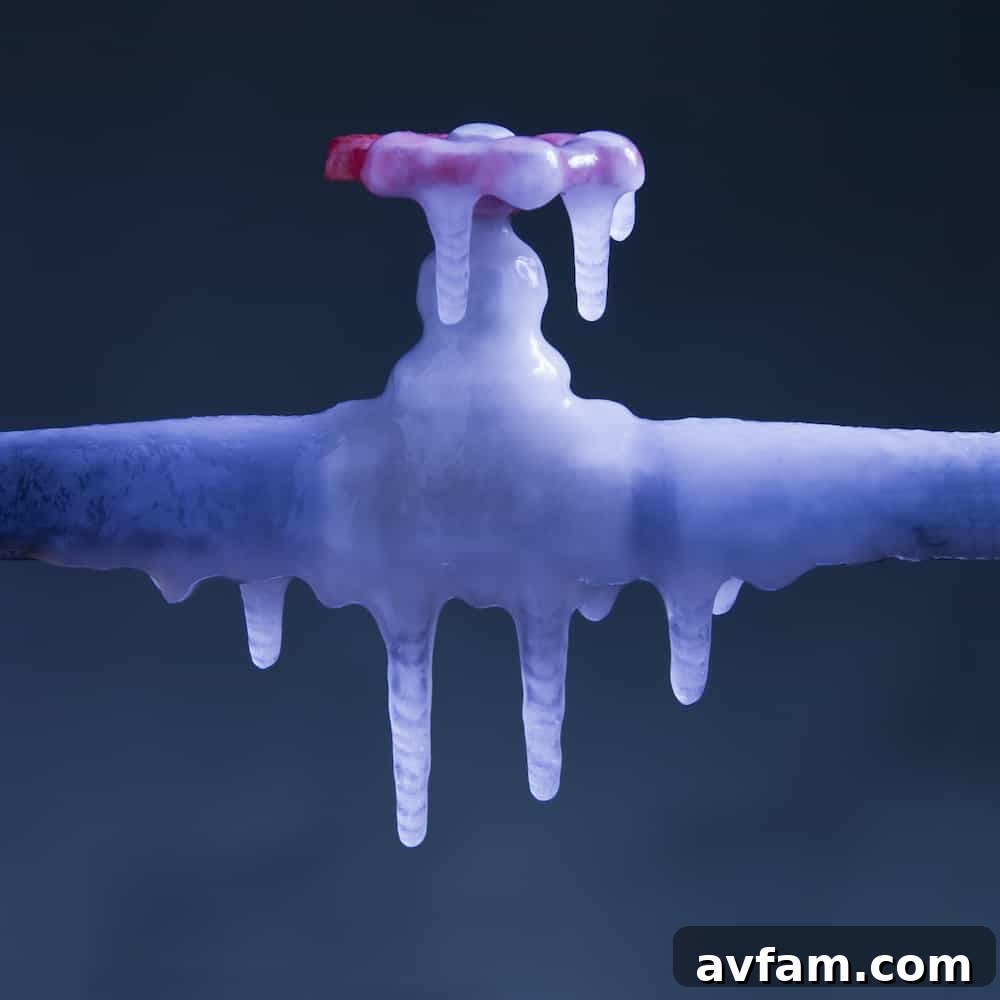
The sudden absence of water on a frigid morning can be an unwelcome surprise. You turn on the faucet, expecting a steady flow, only to be met with silence or a mere trickle. This frustrating scenario often signals a common, yet entirely preventable, winter problem: frozen water pipes. As temperatures plummet, the water inside your home’s plumbing can freeze, expanding and creating immense pressure that not only blocks the flow but also poses a serious threat to the integrity of your entire system. Understanding the risks and implementing proactive measures is crucial to safeguarding your home from costly water damage and the inconvenience of a plumbing emergency, ensuring your peace of mind throughout the colder months.
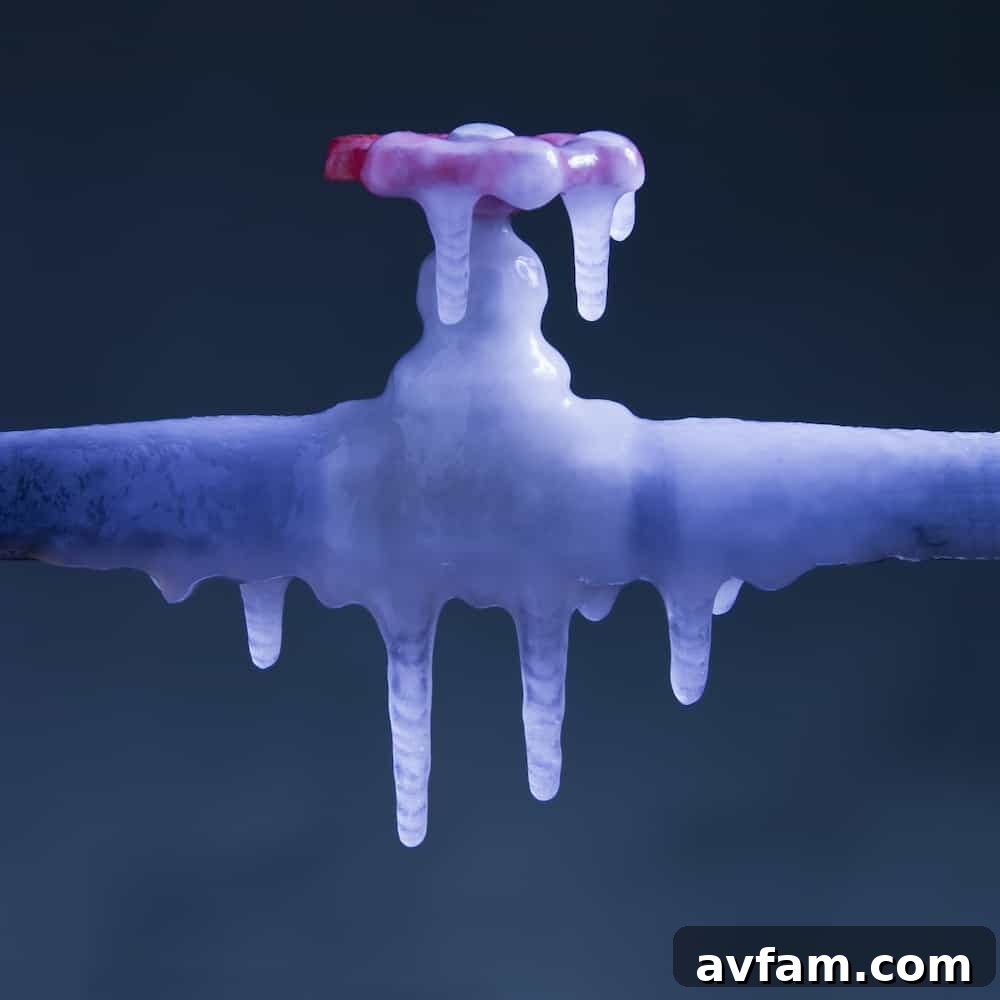
The danger with frozen pipes extends far beyond a temporary inconvenience. When water transforms into ice, it expands by about 9%. This expansion exerts tremendous pressure on the pipe walls, placing immense stress on the plumbing system. While an ice blockage itself might not immediately burst the pipe, the sustained pressure that builds up between the ice and a closed faucet or valve can cause a rupture in a weaker section of the pipe, often away from the actual freeze point. As temperatures fluctuate, the repeated freezing and thawing cycles compound this stress, eventually leading to cracks, leaks, or even catastrophic pipe bursts. A burst pipe can unleash hundreds of gallons of water per hour, causing extensive damage to walls, floors, ceilings, and personal belongings, potentially resulting in thousands of dollars in repairs and a significant insurance claim. Preventing this outcome is paramount for any homeowner.
When Should You Be Concerned About Frozen Pipes?
Vigilance is key when it comes to protecting your home’s plumbing from the cold. The critical threshold for pipe freezing typically occurs when outside air temperatures drop to 20 degrees Fahrenheit (-6 degrees Celsius) or below. However, this is a general guideline, and several factors can influence the actual risk. Homes in northern climates, where prolonged periods of sub-freezing temperatures are common, are generally constructed with water pipes located deep within insulated walls, basements, or crawl spaces, minimizing direct exposure to the bitter cold. These building practices are designed to offer inherent protection against the elements, accounting for severe weather patterns.
Conversely, homes in regions not accustomed to severe winters often have pipes installed in more exposed locations, such as uninsulated exterior walls, crawl spaces with minimal insulation, or even outside the home. When an unexpected cold snap hits these areas, these pipes become highly vulnerable to freezing. Even in well-built homes, poorly insulated areas, cracks in foundations, or unsealed openings around utility penetrations can allow freezing air to infiltrate, creating cold pockets where pipes can freeze despite the overall warmth of the house. It’s not just about the ambient air temperature, but also the localized microclimates within and around your home’s plumbing system that dictate the true risk.
Identifying At-Risk Areas in Your Home’s Plumbing System
To effectively prevent frozen pipes, it’s essential for homeowners to know precisely where their plumbing is most vulnerable to the cold. Certain areas of your home are inherently more susceptible to freezing temperatures due to their location and inadequate insulation levels. These critical zones commonly include unheated basements, crawl spaces, and attics, where pipes are often exposed to ambient air that can fall significantly below freezing. Pipes running through exterior walls, especially those on the north side of the house or in poorly insulated sections, are also high-risk areas that demand attention. Pay particular attention to plumbing that supplies outdoor faucets, irrigation systems, and pipes located in unheated garages or sheds, as these are frequently overlooked.
Additionally, plumbing lines located under kitchen and bathroom sinks on exterior walls can be vulnerable if cabinet doors are kept closed, preventing warmer indoor air from circulating. Any plumbing that passes through areas with significant air leaks, such as around windows, doors, or utility penetrations (e.g., electrical conduits, phone lines, cable TV lines, dryer vents), is also at heightened risk. These openings can channel cold drafts directly to your pipes. Understanding these specific vulnerabilities allows homeowners to target their preventative efforts precisely, ensuring that insulation and sealing measures are applied where they will have the greatest impact on preventing costly damage from frozen pipes and maintaining plumbing integrity.
Comprehensive Strategies for Preventing Frozen Pipes
Proactive prevention is the most effective and cost-efficient defense against the dangers of frozen pipes. Implementing a combination of strategies can significantly reduce your risk, ensuring your plumbing remains operational and your home protected throughout the coldest months. These measures range from improving your home’s insulation to adopting simple daily habits that can make a profound difference when temperatures plummet.
Enhanced Pipe and Home Insulation
Beyond simply wrapping exposed pipes, consider a holistic approach to insulation. For pipes in crawl spaces, attics, basements, and uninsulated rooms, specially designed insulation sleeves made from fiberglass or foam rubber are indispensable. These sleeves come in various diameters and lengths, providing an essential barrier against the cold. However, don’t stop there. Ensure your home’s walls, attic, and foundation are adequately insulated to maintain a consistent indoor temperature. Even a small uninsulated section can create a cold spot where pipes are vulnerable. For very cold climates or particularly exposed lines, heat cables or heat tape, which provide gentle, continuous warmth, can be installed on pipes, offering an extra layer of protection. Always ensure these products are installed strictly according to manufacturer instructions and local electrical codes to prevent fire hazards and ensure optimal performance.
Sealing Air Leaks and Gaps
Cold air infiltration is a major culprit behind frozen pipes, allowing frigid outdoor air to directly impact your plumbing. Meticulously inspect your home for any openings that allow cold air to reach uninsulated or vulnerable plumbing. Use caulk to seal small cracks and gaps around windows, doors, and foundations. For larger openings, such as those created by electrical or phone cables entering your home, expanding foam sealant is highly effective. Pay close attention to utility penetrations in your foundation or exterior walls, as these are common pathways for cold drafts. Weatherstripping around doors and windows can also make a significant difference in preventing cold air from circulating near pipes located on exterior walls. Properly sealed gaps not only protect pipes but also improve overall home energy efficiency.
Maintaining Consistent Indoor Temperatures
During cold spells, resist the urge to drastically lower your thermostat to save on energy bills, especially if you plan to be away from home. Keeping your thermostat set to at least 55°F (12°C) provides ambient warmth that helps protect pipes, particularly those running through exterior walls or unheated spaces. If you have a smart thermostat, you can monitor and adjust your home’s temperature remotely, offering peace of mind while you’re out. Additionally, opening cabinet doors under sinks on exterior walls allows warmer room air to circulate around the pipes, providing an extra buffer against freezing. This simple trick can be surprisingly effective in preventing localized cold spots where freezing is most likely to occur.
Protecting Outdoor Plumbing and Appliances
Outdoor faucets (hose bibs) and irrigation systems are prime targets for freezing and often suffer severe damage. Before the first hard freeze, disconnect all garden hoses from outdoor spigots. Drain the remaining water from the faucets by opening them, and if your system has an indoor shut-off valve for the outdoor spigot, close it and then open the outdoor spigot to allow any trapped water to drain completely. For sprinkler systems, ensure they are properly winterized by having a professional blow out the lines with compressed air. Consider investing in insulated covers for outdoor faucets, which provide an extra layer of protection against freezing temperatures. These small steps can prevent significant damage to your exterior plumbing components, saving you from costly repairs in the spring.
The Drip Method: A Short-Term Solution for Critical Freezes
While not a long-term solution or a substitute for proper insulation and comprehensive winterization, allowing a faucet to drip can be an effective emergency measure during periods of extreme cold. The primary goal of the drip method is not necessarily to keep the water flowing constantly, but to relieve pressure within the plumbing system. Even a tiny, slow drip from a faucet is enough to prevent the buildup of immense pressure between a potential ice blockage and the closed faucet or valve, thereby significantly reducing the risk of a catastrophic burst pipe. If an ice plug forms, the dripping water provides an outlet for the expanding water, mitigating the extreme pressure that leads to ruptures.
When implementing this method, choose a faucet—preferably one that’s farthest from your main water supply or on an exterior wall, as these are often the most vulnerable. Open both the hot and cold water taps slightly, allowing a slow, steady drip. The minimal flow of water also makes it harder for ice to form a solid blockage within the pipe. While this approach does involve some water waste, the cost of a few extra gallons of water is negligible compared to the thousands of dollars in repairs and potential water damage from a burst pipe. Remember to keep the chosen faucet open, even if the drip stops, as this might indicate a frozen pipe further down the line, but with the pressure relieved, the risk of bursting is significantly reduced.
What To Do If Your Pipes Are Already Frozen
Discovering that your pipes have frozen can be alarming, but acting quickly and correctly can prevent a frozen pipe from turning into a burst pipe. The first step is to remain calm and assess the situation without panicking. The signs of a frozen pipe often include a complete lack of water from a particular faucet, a significant drop in water pressure across multiple fixtures, visible frost or bulging on exposed pipes, or even strange gurgling noises emanating from your plumbing system as water tries to pass through an ice blockage. Identifying these signs early is crucial for prompt action.
Locating and Thawing the Frozen Section Safely
Once you suspect a frozen pipe, your immediate goal is to locate the blockage. This often occurs in exposed areas such as basements, crawl spaces, exterior walls, or where pipes enter the house. Look for sections of pipe that feel unusually cold to the touch, or even have visible ice or frost on them. If the frozen section is accessible, you can attempt to thaw it carefully. Begin by opening the faucet associated with the frozen pipe. This allows water to flow as the ice melts and helps relieve pressure. Then, apply heat to the frozen section using safe, controlled methods:
- Hair Dryer: A common household item, set on a low to medium heat setting, is excellent for gentle, gradual thawing. Keep the dryer moving to avoid overheating any single spot on the pipe.
- Heat Lamp or Heating Pad: Position a heat lamp safely near the pipe or wrap a heating pad around it. Ensure there’s no direct contact with flammable materials and monitor constantly.
- Portable Space Heater: Place a small, electric space heater in the vicinity of the frozen pipe, ensuring it’s kept at a safe distance from any combustible materials and never left unattended.
- Warm Towels: Soaking towels in hot water and wrapping them around the pipe can also help. Change them frequently as they cool to maintain heat application.
Always work from the faucet end of the pipe back towards the frozen section. This ensures that melting ice has an immediate escape route, preventing pressure buildup between the melting ice and the blockage. **Never use an open flame device like a blowtorch, kerosene heater, or propane heater** to thaw pipes, as this presents a severe fire hazard, can damage the pipes, or lead to scalding steam explosions, causing more harm than good.
When to Call a Professional Plumber
If you cannot locate the frozen section of the pipe, if the pipe is not easily accessible (e.g., it’s inside a wall or ceiling), or if you’re having trouble thawing it yourself, it’s imperative to call a licensed plumber without delay. Plumbers have specialized tools and expertise, such as pipe-thawing machines and thermal imaging cameras, to safely locate and thaw frozen pipes, even those hidden within walls or ceilings. They can also assess any potential damage to the pipe or fittings caused by the freezing and recommend insulation improvements or other preventative measures. Delaying a professional call, especially if you suspect a burst, can lead to much more extensive and costly repairs and significant water damage to your home.
Dealing with a Burst Pipe: Immediate Action is Critical
The worst-case scenario with frozen pipes is a burst, which can cause significant and rapid water damage to your home. If you discover a burst pipe – indicated by a sudden gush of water, audible dripping or rushing sounds within walls, or visible water stains appearing on ceilings or floors – immediate action is critical to minimize the damage and prevent further destruction. Every minute counts when water is freely flowing into your home, so knowing exactly what to do beforehand can save you thousands in repairs and countless hours of cleanup.
- Shut Off the Main Water Supply: This is the most crucial and immediate step. Locate your home’s main water shut-off valve and turn it off completely without hesitation. This valve is typically found where the water line enters your house, often near your water meter, either outside, in your basement, crawl space, or utility area. Knowing its exact location beforehand is paramount for rapid response.
- Open All Faucets: After turning off the main water supply, open all cold water faucets in your home, starting with the highest points. This helps to drain any remaining water from the system and relieve residual pressure, which can prevent further leaks from other weak points in the plumbing system.
- Call a Licensed Plumber: Once the water is off and the immediate flow is stopped, contact a licensed plumber immediately. They will be able to assess the full extent of the damage, repair the burst pipe, and check for any other potential freezing issues or vulnerabilities within your plumbing system that may not yet be evident.
- Begin Water Cleanup: While waiting for the plumber, begin to clean up any standing water to prevent further damage to floors, walls, and furnishings, and to inhibit mold growth. Document the damage thoroughly with photos and videos for insurance purposes. Extracting water quickly can mitigate secondary damage significantly.
Preparing Your Home’s Plumbing for Winter Travel and Vacations
Leaving your home vacant during the colder months, even for a short period, presents a heightened risk of frozen pipes. Without regular heating or water usage, temperatures within your home can drop significantly, making your plumbing system particularly vulnerable to freezing. However, with proper preparation, you can enjoy your travels without the constant worry of returning to a plumbing disaster and the subsequent damage. Strategic planning before you depart is the key to safeguarding your home.
The Most Secure Method: Draining Your Entire Plumbing System
The most foolproof way to prevent pipes from freezing while you’re away for an extended period is to completely empty them of water. With no water inside the pipes, there’s nothing to freeze and expand, offering maximum protection. Here’s how to perform a thorough drainage effectively:
- Shut Off Main Water Supply: Locate your main water shut-off valve and turn it off completely. This prevents any new water from entering your home’s plumbing system after you’ve drained the existing water.
- Open All Faucets: Go through your entire house and open every hot and cold water faucet, including those in bathrooms, the kitchen, utility sinks, and especially outdoor spigots. Also, flush all toilets multiple times. This allows air to enter the system and enables all water to drain out of the pipes.
- Drain Water Heater: If you are leaving for an extended period, consider draining your hot water heater. Consult your water heater’s manual for specific instructions, as this typically involves connecting a hose to the drain valve at the bottom of the tank and allowing water to flow out into a floor drain or outside.
- Drain Water from Appliances: If possible, drain water from appliances that use water, such as washing machines and dishwashers. Disconnect the supply lines and ensure they are empty. Check refrigerator ice makers and water dispensers as well.
- Antifreeze for Drains and Toilets: Pour a small amount of RV (non-toxic) antifreeze into all drains (sinks, tubs, showers) and toilet bowls. This prevents water in the P-traps and toilet bowls from freezing and cracking fixtures. **Crucially, never use automotive antifreeze, as it is toxic.**
- Leave Faucets Open: Once all water has visibly drained and stopped flowing from the taps, leave the faucets in the open position. This ensures any residual moisture can evaporate and prevents pressure buildup if temperatures fluctuate or if any small amount of water remains and freezes.
- Turn Off Electricity/Gas to Water Heater: If you drained your water heater, remember to turn off its power supply (either the circuit breaker for electric heaters or the gas valve for gas heaters) to prevent it from cycling without water and causing damage.
When you return home, simply close all faucets, turn the main water supply valve back on, and allow the system to refill. If you drained your water heater, refill it completely before restoring power or gas. This comprehensive approach offers maximum protection against freezing during your absence.
Alternative Precautions for Shorter Absences
If draining your entire system seems too extensive or unnecessary for a shorter trip, you can take other effective precautions to minimize risk:
- Keep the Heat On: Set your thermostat to a minimum of 55°F (12°C). While this uses some energy, it’s far less costly and disruptive than repairing burst pipes and extensive water damage.
- Ask a Neighbor/Friend: Have a trusted individual regularly check on your home, ensuring the heat is working, monitoring for any signs of plumbing issues, and perhaps even running water briefly from faucets.
- Smart Home Monitoring: Install smart thermostats and water leak detectors that can alert you via your phone if temperatures drop too low inside your home or if a leak is detected. These systems provide real-time alerts and peace of mind.
Long-Term Solutions and Professional Plumbing Advice
While immediate prevention and rapid response are crucial for addressing the threat of frozen pipes, considering long-term solutions can significantly enhance your home’s resilience against freezing temperatures year after year. Consulting with a professional plumber can provide tailored advice and implement advanced measures to protect your plumbing system for decades to come, offering enduring peace of mind.
- Annual Plumbing Inspections: Regular inspections by a qualified plumber can proactively identify vulnerable pipes, assess the adequacy of existing insulation, and pinpoint potential air leaks before they escalate into critical issues. They can also advise on the best insulation methods for your specific home layout and local climate.
- Upgrading Home Insulation: Beyond just pipe insulation, improving the overall insulation of your home’s attic, walls, and crawl spaces will help maintain consistently higher ambient temperatures around your plumbing, drastically reducing the risk of freezing. This also contributes to energy efficiency.
- Relocating Exposed Pipes: In some cases, the most effective long-term solution might be to have a plumber professionally relocate particularly exposed or exterior pipes to a more protected, interior location within your home, permanently removing them from freezing conditions.
- Installing Water Leak Detection Systems: Modern smart home devices can provide an invaluable early warning system. Sensors strategically placed near water heaters, washing machines, dishwashers, and in basements or crawl spaces can alert you immediately via your smartphone if a leak is detected, allowing you to act quickly even when away from home.
Investing in these long-term solutions offers not just superior protection but also invaluable peace of mind, knowing that your home is thoroughly prepared to withstand even the harshest winter conditions without the dreaded threat of frozen or burst pipes. Proactive measures are always more effective and less costly than reactive emergency repairs.
Protecting your home from the damaging effects of frozen pipes is an essential and non-negotiable part of comprehensive winter home maintenance. By understanding the inherent risks, knowing where your vulnerabilities lie within your plumbing system, and implementing a robust, multi-faceted strategy of prevention, you can significantly reduce the likelihood of encountering this costly and profoundly disruptive problem. From proper insulation techniques and meticulously sealing air leaks to the critical steps of safe thawing and immediate emergency response, being thoroughly prepared is your absolute best defense. Don’t wait for the unwelcome surprise of no water or a catastrophic burst; take decisive action today to ensure your plumbing system remains safe, functional, and intact all winter long, preserving your home’s integrity and your invaluable peace of mind.