

In an era where environmental consciousness is paramount, modern homeowners are increasingly seeking ways to integrate sustainability into every aspect of their properties. The shift towards an eco-friendlier lifestyle extends beyond indoor habits, profoundly influencing choices for outdoor living and maintenance. A common, yet crucial, question arises: can sustainable outdoor gear truly match, or even surpass, the performance and durability of traditional alternatives?
Extensive research and real-world application consistently demonstrate that sustainable outdoor gear often offers superior longevity and functionality. This is largely due to their construction from high-quality, often reclaimed or recycled, materials that are engineered for resilience. When considering daily necessities like hydration during outdoor activities, similar inquiries emerge: are reusable containers genuinely dishwasher safe, and what is their true planetary impact compared to single-use options?
The answer is unequivocally positive. A premium reusable flask is not only designed to withstand the rigorous demands of outdoor work and daily use but also actively contributes to the monumental effort of plastic waste reduction. Take, for instance, the innovative Ocean Bottle, a prime example of form meeting function and purpose. It is fully dishwasher-safe, ensuring effortless cleaning and hygiene, and is crafted from durable recycled stainless steel and ocean-bound plastic. More than just a container, every purchase of an Ocean Bottle funds the collection of 1,000 plastic bottles from coastal communities, intercepting them before they ever reach the sea. This demonstrates how consumer choices can directly fuel positive environmental action, making sustainable living a tangible reality for every individual.
Investing in Durable Gardening Tools for an Eco-Friendly Home
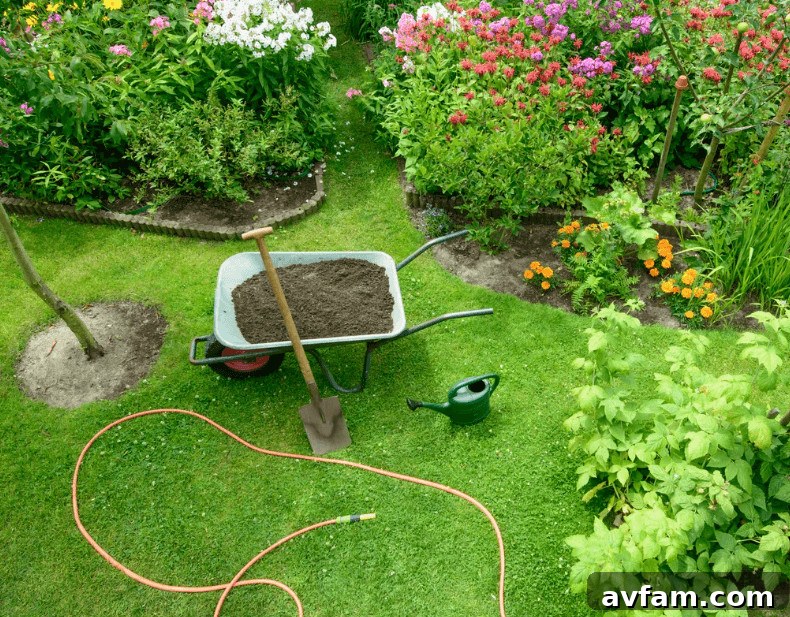
The very bedrock of a sustainable garden is laid with the thoughtful selection of its tools. Far too often, cheap, plastic-heavy implements succumb to the stresses of a single season, quickly failing and contributing to an ever-growing problem of landfill waste. Eco-conscious homeowners understand that true value lies in durability and responsible sourcing. This is why choosing sustainable outdoor gear crafted from FSC-certified timber and robust forged stainless steel is a wise investment.
These superior materials are not merely buzzwords; they represent a commitment to longevity and performance. Forged stainless steel, unlike cheaper stamped alternatives, offers unparalleled strength and rust resistance, providing the necessary resilience for demanding tasks like heavy soil work, digging, and pruning. The FSC (Forest Stewardship Council) certification assures that the timber used in tool handles comes from responsibly managed forests, promoting ecological balance and protecting biodiversity. This means your tools aren’t just durable; they are ethically sourced, aligning with the core principles of an eco-friendly home.
Wooden handles, particularly those meticulously crafted from ash or hickory, offer more than just an aesthetic appeal. These natural materials provide inherent shock absorption, significantly reducing strain on the wrists and hands during repetitive tasks such as digging, weeding, and hoeing. This ergonomic benefit translates into greater comfort and reduced fatigue, allowing you to work longer and more efficiently in your garden. Furthermore, embracing a circular economy approach, if a wooden handle eventually cracks or breaks after years of faithful service, it can often be replaced without discarding the entire tool. This preserves the high-quality metal head, transforming a potential waste item into a continuously usable asset, embodying true sustainability in tool maintenance.
For cutting implements like shears and secateurs, high-carbon steel stands out as an excellent choice. While it does require a minimal amount of occasional oiling to prevent oxidation and maintain its pristine condition, the reward is significant: high-carbon steel holds a razor-sharp edge considerably longer than cheaper alloy alternatives. This means less frequent sharpening and more efficient, cleaner cuts, which is vital for plant health and your own productivity.
Beyond the tools themselves, the way we store and protect them is equally important for an eco-friendly home. Garden sheds constructed from reclaimed pallet wood or naturally rot-resistant cedar offer an ideal, sustainable housing solution for your equipment. Avoiding pressure-treated timber that often incorporates harsh chemicals is another crucial step. By opting for natural or reclaimed materials, you prevent harmful chemical runoff from contaminating the surrounding soil and water systems, thereby safeguarding the health of your garden and the wider environment.
Responsible Hydration: A Cornerstone of Green Living
Engaging in physical labour, whether tending to the garden, undertaking home renovation projects, or simply enjoying the great outdoors, necessitates consistent and adequate hydration. In today’s environmentally conscious society, the use of single-use plastic bottles is increasingly viewed as an outdated and unsustainable practice by those committed to true environmental stewardship. The lifecycle of these bottles, from resource-intensive production to persistent landfill presence or devastating ocean pollution, represents a significant ecological burden.
For the modern homeowner, a vacuum-insulated vessel emerges as a far more effective, economical, and environmentally sound hydration tool. These ingeniously designed containers utilise advanced insulation technology to keep water refreshingly cold for extended periods—often up to eighteen hours or more—providing constant refreshment during long afternoons spent landscaping, building, or simply relaxing. This not only enhances comfort but also promotes better health by encouraging consistent water intake without relying on single-use packaging.
Choosing the right reusable container goes beyond mere aesthetics; it involves a deeper look into the supply chain and the material composition. Stainless steel is overwhelmingly the preferred material for sustainable outdoor gear due to its inherent properties. It is non-leaching, meaning it won’t impart unwanted chemicals or metallic tastes into your water, ensuring a pure and safe drinking experience. Furthermore, its robust nature allows it to survive accidental drops and impacts on hard surfaces, making it an incredibly durable and reliable companion for any outdoor adventure or chore.
The Ocean Bottle offers a truly high-quality and impactful solution for individuals who spend considerable hours outside. Each bottle is not merely crafted from recycled materials; it’s a testament to thoughtful design, featuring a unique dual-opening lid that facilitates effortless cleaning and convenient filling with ice. Crucially, this specific product is an integral part of a larger global movement to enhance waste management infrastructure in regions most severely affected by plastic pollution. By choosing such a product, you directly contribute to tangible positive change on a global scale, making it a powerful symbol of green living.
Carrying a durable, reusable bottle also serves as a constant, gentle reminder of the broader conservation goals we collectively strive for. It completely eliminates the need for plastic film and multi-pack packaging often associated with bottled water, which frequently clutters home recycling bins and adds to overall waste. By consciously integrating such sustainable items into your daily routine, the ambitious transition to a zero-waste lifestyle becomes not just a conceptual aspiration but a practical, achievable reality. This simple habit underscores a profound commitment to environmental responsibility, impacting both your immediate surroundings and the planet at large.
Solar Power and Efficient Outdoor Lighting for Sustainable Homes
The days when illuminating a garden required extensive, complex electrical wiring or resulted in exorbitant energy bills are rapidly becoming a relic of the past. Solar-powered LED systems have undergone remarkable advancements, significantly improving in both brightness output and battery longevity. Modern photovoltaic cells, the heart of these systems, are now so efficient that they can harvest ample energy even on notoriously overcast days, common in many regions, to reliably power pathway lights and other outdoor fixtures throughout the entire night. This offers incredible energy independence and a substantial reduction in your household’s carbon footprint.
For essential security and functional lighting, motion-sensor LEDs stand as the quintessential choice for efficiency in an eco-friendly home. These intelligent lights remain off until their presence is genuinely needed, preserving precious battery life and, critically, reducing light pollution. Unnecessary artificial light can disrupt the natural behaviour and migratory patterns of local wildlife, impacting delicate ecosystems. By deploying motion-activated solar lights, you ensure safety and visibility only when required, harmonising technology with nature.
When selecting solar lights, a key consideration for true sustainability and longevity is to look for units equipped with replaceable lithium-ion batteries. Many budget-friendly options on the market are sealed units that, once their integrated battery fails (as all batteries eventually do), effectively become electronic waste. A thoughtfully designed modular system, however, empowers the homeowner to easily swap out a depleted battery, extending the life of the solar panel and LED housing for many years. This commitment to repairability dramatically reduces waste and enhances the long-term value of your investment in sustainable outdoor gear.
Optimal positioning is absolutely vital for maximising solar efficiency. Panels should ideally face south (in the Northern Hemisphere) to capture the most direct sunlight throughout the day. Furthermore, it is crucial to ensure they remain free of shadows cast by overhanging branches, fences, or other structures, which can severely diminish their charging capability. Regular, simple cleaning of the panel surface to remove dust, dirt, or debris ensures maximum light absorption. This straightforward maintenance task guarantees your outdoor space remains safely and beautifully illuminated without any reliance on the national grid, providing both peace of mind and environmental benefits.
Reclaimed Materials for Decking and Patios: Building Green Outdoors
Expanding the living space outdoors, whether through a new deck or patio, is a popular home improvement project. However, traditional choices, particularly tropical hardwoods, are often linked to unethical logging practices and widespread deforestation, making them a problematic choice for the eco-conscious builder. Fortunately, the market now offers far more responsible and equally appealing alternatives, such as reclaimed timber or advanced composite decking, aligning perfectly with the principles of green living.
Reclaimed wood, meticulously sourced from old barns, industrial buildings, or even retired structural beams, offers a unique aesthetic steeped in character and history. More importantly, it boasts exceptional stability. Since this timber has already seasoned for decades, enduring various environmental cycles, it is significantly less prone to warping, shrinking, or cracking when exposed to the elements in its new life as decking. This inherent stability ensures a longer lifespan and reduces maintenance needs compared to newly cut lumber, making it a genuinely sustainable choice for your outdoor sanctuary.
For those homeowners who prioritise a lower-maintenance option without compromising on sustainability, composite decking presents an excellent choice. This innovative material is typically manufactured from a clever mixture of recycled wood fibres and reclaimed plastic bags or other plastic waste. The resulting product is incredibly durable, rot-resistant, splinter-free, and requires no staining or sealing. This eliminates the need for chemical treatments that can potentially leach into your garden and local water systems, embodying a truly eco-friendly home solution.
When it comes to patios, permeable paving represents a significant upgrade for any sustainable home, particularly in urban and suburban environments. Unlike impervious surfaces such as solid concrete or asphalt, permeable pavers are designed to allow rainwater to filter through their surface and slowly percolate into the ground beneath. This critical feature dramatically reduces the risk of localised flooding, particularly during heavy downpours, and plays a vital role in recharging the local groundwater table. Furthermore, opting for locally sourced stone for your permeable patio significantly reduces the carbon footprint associated with transporting heavy construction materials over long distances, adding another layer of environmental responsibility to your project.

Waste Reduction Through Advanced Composting: The Heart of a Sustainable Garden
A truly sustainable home integrates robust systems for managing organic waste, recognising that what might be considered “waste” is, in fact, a valuable resource. Instead of sending grass clippings, fallen leaves, and kitchen scraps to the local council for energy-intensive processing, eco-conscious homeowners can transform these materials into nutrient-rich soil directly on-site. Composting is a powerful practice that significantly reduces the reliance on synthetic chemical fertilisers, which can harm soil health, disrupt microbial ecosystems, and contaminate local water systems through runoff. It’s a cornerstone of zero-waste living and an essential component of a thriving garden.
Hot composting bins are particularly effective and efficient for both larger properties and smaller urban gardens. These insulated containers are engineered to reach high temperatures quickly, accelerating the decomposition process. Organic matter can be broken down into usable compost in a matter of weeks rather than months, making them ideal for gardeners seeking rapid results. An added advantage is their ability to safely process a wider range of organic materials, including some cooked food waste and plant matter that traditional, slower compost heaps might struggle with, helping divert even more from landfill.
For those with limited outdoor space or a preference for a contained system, vermicomposting offers an elegant and highly effective solution. This method harnesses the incredible power of worms (specifically red wigglers) to break down kitchen scraps into exceptionally high-quality fertiliser, known as vermicompost or “worm castings.” This process can be managed neatly in a small, contained unit kept in a garage, utility room, or even under a sink. The resulting “worm tea” – a potent liquid fertiliser – is a superb natural boost for both indoor and outdoor plants. Implementing these advanced composting systems ensures that the garden truly becomes a closed-loop environment where organic waste is not an endpoint but a continuous resource, enriching the soil and fostering ecological balance.
Water Conservation Techniques: Managing a Precious Resource
Water is an increasingly precious resource, and its effective, conscientious management is a definitive hallmark of a sustainable home. One of the simplest yet most impactful ways to reduce mains water consumption is by installing a rain butt or a more extensive rainwater harvesting system. A single house roof, with its expansive surface area, can collect thousands of litres of clean, soft rainwater every year. This collected water is not only free but also superior for plants compared to treated tap water, as it lacks chlorine and other chemicals that can be detrimental to delicate root systems and beneficial soil microbes.
Beyond collection, efficient application is key. Drip irrigation systems dramatically improve water efficiency by delivering water precisely and slowly directly to the base of the plants. This targeted approach minimises water loss due to evaporation and ensures that every drop reaches the root zone where it is most needed, rather than being sprayed haphazardly onto leaves or pathways. When combined with a smart timer, these systems can be programmed to run during the cooler hours of the early morning or late evening, further reducing evaporative losses and optimising water usage. This precision watering not only conserves water but also promotes healthier plant growth by reducing fungal diseases often exacerbated by overhead watering.
Mulching is another vital and highly effective practice for comprehensive water conservation in any eco-friendly home. Applying a thick, even layer of organic matter, such as wood chips, shredded bark, or leaf mould, to the soil surface acts as a protective blanket. This layer significantly helps to retain soil moisture by reducing direct sun exposure and evaporation. In addition to water retention, mulch effectively suppresses weed growth (reducing competition for water and nutrients), regulates soil temperature, and slowly replenishes essential nutrients in the soil as it naturally decomposes over time. This holistic approach reduces the physical labour required to maintain the garden while simultaneously improving the overall health and resilience of the entire ecosystem, making it a cornerstone of sustainable gardening.
Conclusion: Cultivating a Sustainable Future, One Home at a Time
Creating a truly sustainable outdoor space and integrating sustainable outdoor gear into daily life is a profoundly practical and impactful way for homeowners to contribute meaningfully to environmental conservation. This commitment goes beyond mere aesthetics; it’s about making conscious choices that yield long-term benefits for both your property and the planet. By thoughtfully selecting high-quality, durable tools, strategically harnessing abundant solar energy, and choosing responsible products like the innovative Ocean Bottle, individuals can collectively and significantly reduce their ecological footprint.
These deliberate choices are not just about environmental altruism; they directly lead to the creation of a more resilient, efficient, and ultimately more enjoyable home environment. A focus on longevity, repairability, and the utilisation of reclaimed or recycled materials ensures that your outdoor space remains a continuous source of enjoyment, productivity, and natural beauty for many years, even decades, to come. This approach minimises waste, conserves resources, and offers a superior return on investment.
Embracing these sustainable practices is a logical, necessary step for anyone looking to seamlessly combine home improvement with a genuine, unwavering commitment to the planet’s well-being. Every small change, from the way we hydrate ourselves during outdoor tasks to the innovative methods we use to pave our patios, contributes to the grander vision of a more resilient, healthier, and truly sustainable future for all. It’s an investment in a lifestyle that reaps rewards far beyond the boundaries of your own property, fostering a deeper connection with the environment around us.