
For many, a home is more than a place to sleep—it’s a major investment that requires ongoing care. While cleaning, upgrades, and renovations draw attention, one essential practice is often overlooked: regular home inspections. Scheduled inspections distinguish properties that hold their value from those that deteriorate. Skipping this important step risks turning small, manageable issues into expensive, time-consuming problems.
The True Value of Inspections
Homeowners sometimes view inspections as optional or burdensome, but the reality is different. Certified inspectors have the training to uncover problems that are not obvious to the untrained eye. From structural cracks and faulty wiring to hidden leaks and pest infestations, professional inspectors identify issues that can threaten a house’s stability and the safety of its occupants.
Exterior elements also need attention. Chimneys, vents, and other outdoor systems require inspection and maintenance to prevent hazards. Regular professional chimney cleaning prevents blockages and reduces fire risk, making it an important part of a complete inspection routine.
Beyond identifying immediate problems, inspections help establish a practical maintenance schedule. Busy homeowners can miss minor tasks that, if left unattended, grow into major repairs. Inspections reveal areas that need regular attention and offer clear guidance on preventive steps to avoid future complications.
Preserving Value and Appearance
Regular inspections are essential for homeowners who want to protect their property’s market value or prepare it for sale. A well-maintained home not only looks better but also retains value more reliably. Prospective buyers prefer properties with documented upkeep, which reduces the risk of unpleasant surprises after purchase. Consistent inspections and maintenance can improve resale value and deliver a stronger return on investment.
Routine inspections also support preventive maintenance, helping homeowners avoid sudden, disruptive repairs. A house that appears well cared for—without looming projects in every room—is more attractive to buyers and reflects positively on the owner’s stewardship.
Financial Foresight
Small problems can become costly quickly. For example, a minor roof leak left unchecked can cause water damage, mold growth, and structural weakening that demand expensive repairs. Inspections act as an early warning system, catching problems before they escalate. This early detection saves significant money by preventing larger, more costly interventions.
Inspections also identify opportunities to improve energy efficiency. Recommendations from inspections can point to upgrades that reduce utility costs and improve sustainability. Armed with this information, homeowners can make informed decisions about investments that pay off over time.
Peace of Mind
One of the most valuable benefits of regular inspections is peace of mind. Knowing a home is free from hidden risks gives owners confidence in the safety of their family and the condition of their investment. This emotional assurance—though intangible—is an important component of comfortable homeownership. Regular inspections provide both practical insights and a sense of security that comes from proactive care.
Information is power for homeowners. Those who schedule regular inspections gain a clearer picture of their home’s condition and needs. That knowledge lays the foundation for a less stressful ownership experience, with preventive measures in place to address potential issues before they become emergencies.
Health and Safety First
Inspections play a critical role in protecting occupants’ health. Problems like faulty electrical systems, toxic mold, or gas leaks may not be obvious at first but pose serious health and safety risks if ignored. Routine checks reduce these risks by identifying hazards early and enabling timely remediation.
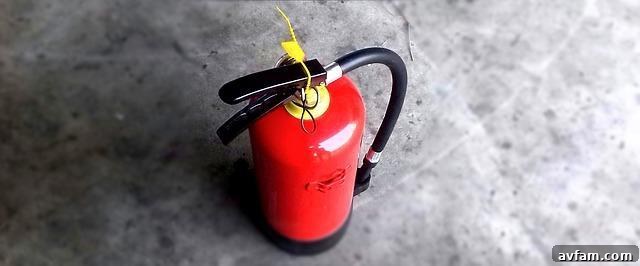
Inspections also ensure that safety devices—smoke alarms, carbon monoxide detectors, fire extinguishers—are functioning correctly. These devices often need testing, maintenance, or battery replacement, and inspections help ensure they will work when needed most.
Conclusion
Homeownership requires a proactive approach. Neglecting periodic inspections is a risky shortcut that invites avoidable problems. By investing in regular home inspections, owners protect their property’s integrity, preserve its value, and ensure the safety and comfort of those who live there. Inspections are a practical safeguard that supports long-term enjoyment and financial confidence in your home.