
Embarking on family adventures is a cherished experience, and for many, that family includes beloved canine companions. However, traveling with big dogs requires careful planning, preparation, and an understanding of their unique needs and behaviors, especially when young children are part of the journey. To help you navigate the complexities of pet-friendly road trips, we turned to Nate Day, a true outdoorsman, father of four, and the mastermind behind Someday Adventure and Someday Dad.
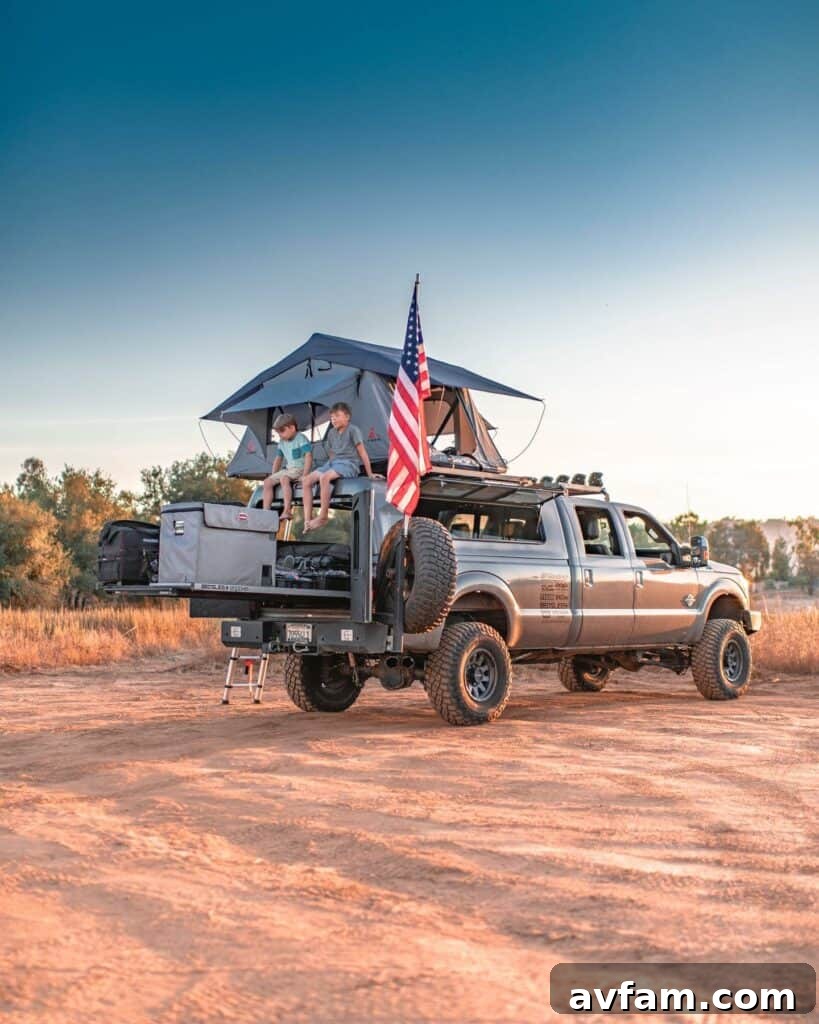
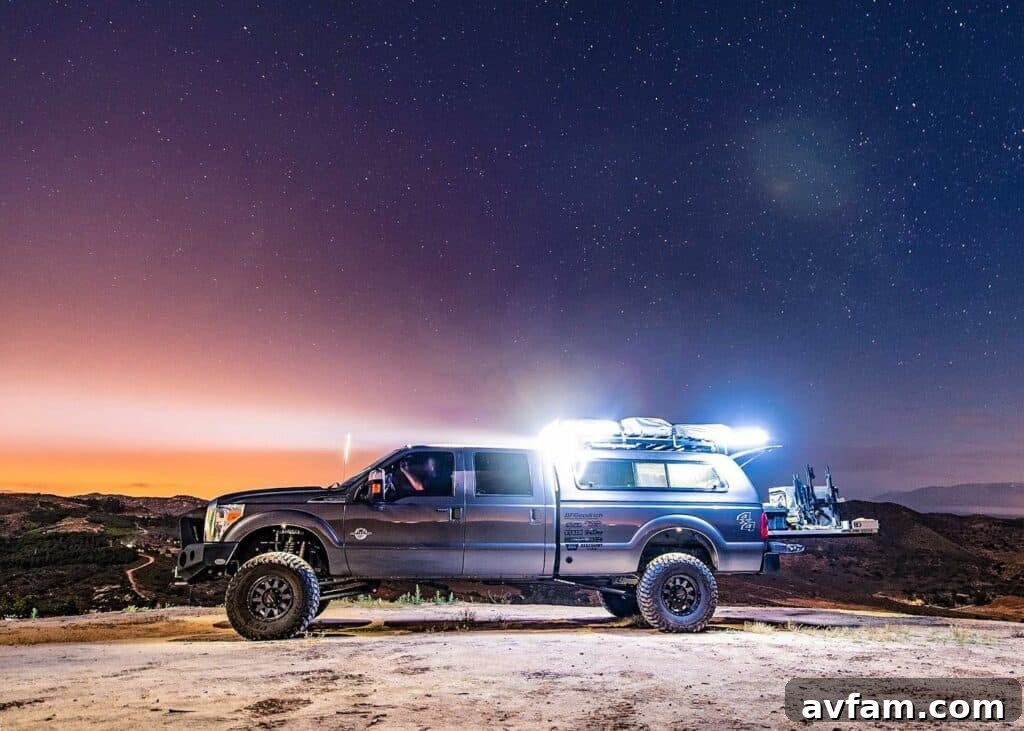
Nate lives and breathes outdoor life, regularly sharing his family’s experiences in camping, hiking, hunting, and fishing, always with his loyal dogs in tow. His deep expertise stems from years of personal adventures and a professional background in law enforcement, where he worked extensively with K9 units. We first connected with Nate at a Stihl chainsaw event, where our mutual passion for trucks and off-roading instantly forged a bond. Nate’s custom-built Ford F-350, meticulously designed to conquer any terrain or challenge, stands as a testament to his adventurous spirit and meticulous preparation.
Witnessing how Nate manages to travel with a family of six plus two large dogs always left a strong impression. So, after welcoming our own shepherd mix into our family, Nate became the go-to expert for invaluable advice on how to safely and comfortably travel with big dogs. His recommendations, born from a lifetime of experience and a few hard-learned lessons, are especially helpful if you’re traveling with young children, ensuring that every family member—two-legged or four-legged—enjoys the journey.
Nate’s wealth of knowledge covers everything from vehicle setup to canine psychology on the road. His insights are a blend of practical solutions and crucial safety warnings, emphasizing that while dogs are family, their well-being and the safety of everyone else in the vehicle must always be prioritized. Let’s delve into his comprehensive guide for seamless dog travel.
The Ultimate Guide to Traveling with Big Dogs: Expert Tips for Safe & Stress-Free Adventures
Traveling with large dogs is a fantastic way to include your furry friends in your family adventures, but it requires careful consideration of several factors. Nate explains that his recommendations are heavily influenced by:
- Vehicle Type and Available Space: How much room do you truly have for your dog to be safe and comfortable?
- Your Experience and Comfort Level with Dogs: Your confidence in handling your dog’s behavior in various situations.
- Your Kids’ Experience and Comfort Level with Dogs: The dynamic between your children and your pet, especially in confined spaces.
- Distance and Duration of Trips: Longer journeys require more planning for breaks, food, and comfort.
- Dog’s Level of Training (by you): A well-trained dog is a safer, happier travel companion.
- Type of Destination: Rules and accessibility vary greatly depending on where you’re headed.
Nate’s advice is rooted in a rich history of dog travel: from his childhood experiences in the ’90s with dogs in truck cabs and beds, to his adult years traveling with an 80lb Doberman and a 110lb German Shepherd. His professional insights come from extensive K9 handling as a law enforcement officer, and his current experiences with two Labs traveling in both kennels and the truck cab. He candidly admits that even with “good” dogs, unexpected situations can arise in vehicles, especially when space is limited and stress levels increase. While he adores his dogs and considers them family, he’s learned valuable lessons, often the hard way, about ensuring everyone’s safety.
How to Travel With a Big Dog in an SUV
For SUV owners, Nate offers practical advice to make the journey safe and comfortable for your big dog. The primary recommendation is to secure your dog in the far back cargo area. To prevent them from jumping into the passenger seats, install a short leash or tether. This restraint should be long enough to allow your dog to comfortably stand, sit, lie down, and turn around, but crucially, not long enough to enable them to jump over the back seats. The goal is to limit their movement to their designated space, preventing distractions for the driver and potential interference with passengers.
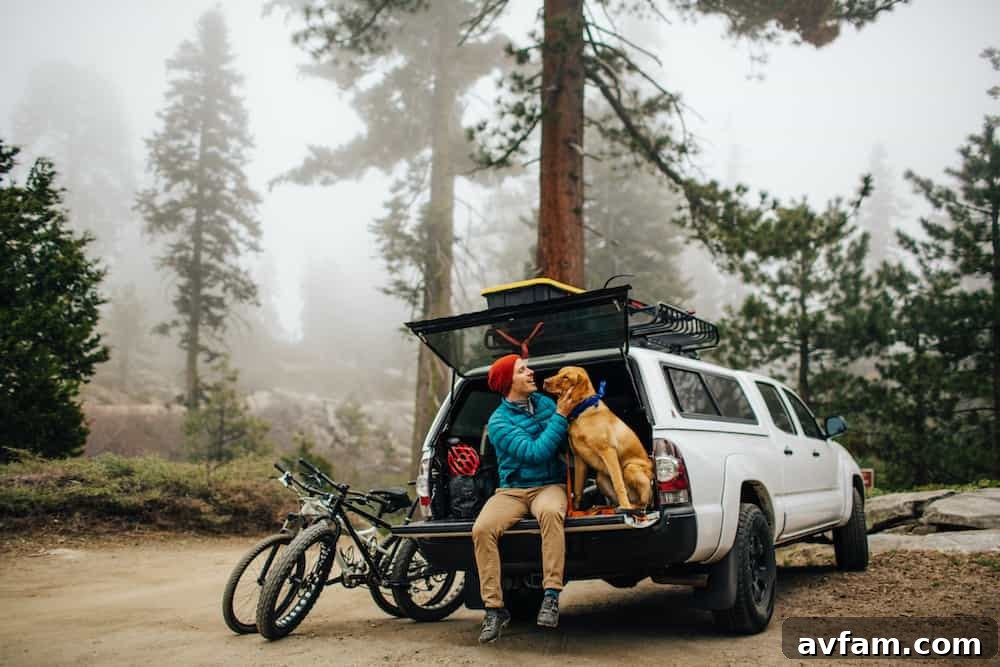
Enhance your dog’s comfort by providing a small pad or shallow bed in the cargo area. This not only offers a soft, familiar spot for them to rest, especially on bumpy roads, but also helps to contain shedding, making cleanup significantly easier. Nate strongly advises this setup over allowing your dog to sit in the back seat with children. The confined space and close proximity to kids can create unpredictable scenarios, which we’ll explore in more detail later. Prioritizing a dedicated, secure space for your dog in the cargo area minimizes risks and maximizes comfort for all occupants.
How to Travel With a Big Dog in a Truck
Traveling with a big dog in a truck presents unique considerations, particularly if you choose to utilize the truck bed. Nate outlines two primary methods, each with critical safety precautions:
Utilizing a Slide Line in the Truck Bed
If your dog will ride in the truck bed, Nate recommends installing a slide line. This involves a metal cable stretched from the front right to the front left tie-down points of the truck bed. A short leash or tether is then attached to this slide line. The crucial aspect here is the length of the tether: it should only be long enough for your dog to comfortably stick its head over the side of the bed. It must NOT be long enough for the dog to place its front paws on the side rail. This restriction is paramount for safety.
Why such strict length requirements? If the leash is too long, a sudden distraction—like a squirrel, another dog, or even your children—could cause your dog to attempt to jump out. In a worst-case scenario, this could lead to the dog hanging itself, or even bouncing off a rear spinning tire while dangling, particularly at highway speeds. Nate recounts a terrifying personal experience with his Doberman, which, due to previous illness, exhibited impaired judgment. This incident, while ultimately resolved, was a stark reminder of the unpredictable dangers. Always prioritize the safety of your dog and others on the road by ensuring proper restraint.
The Superior Option: A Secure Kennel
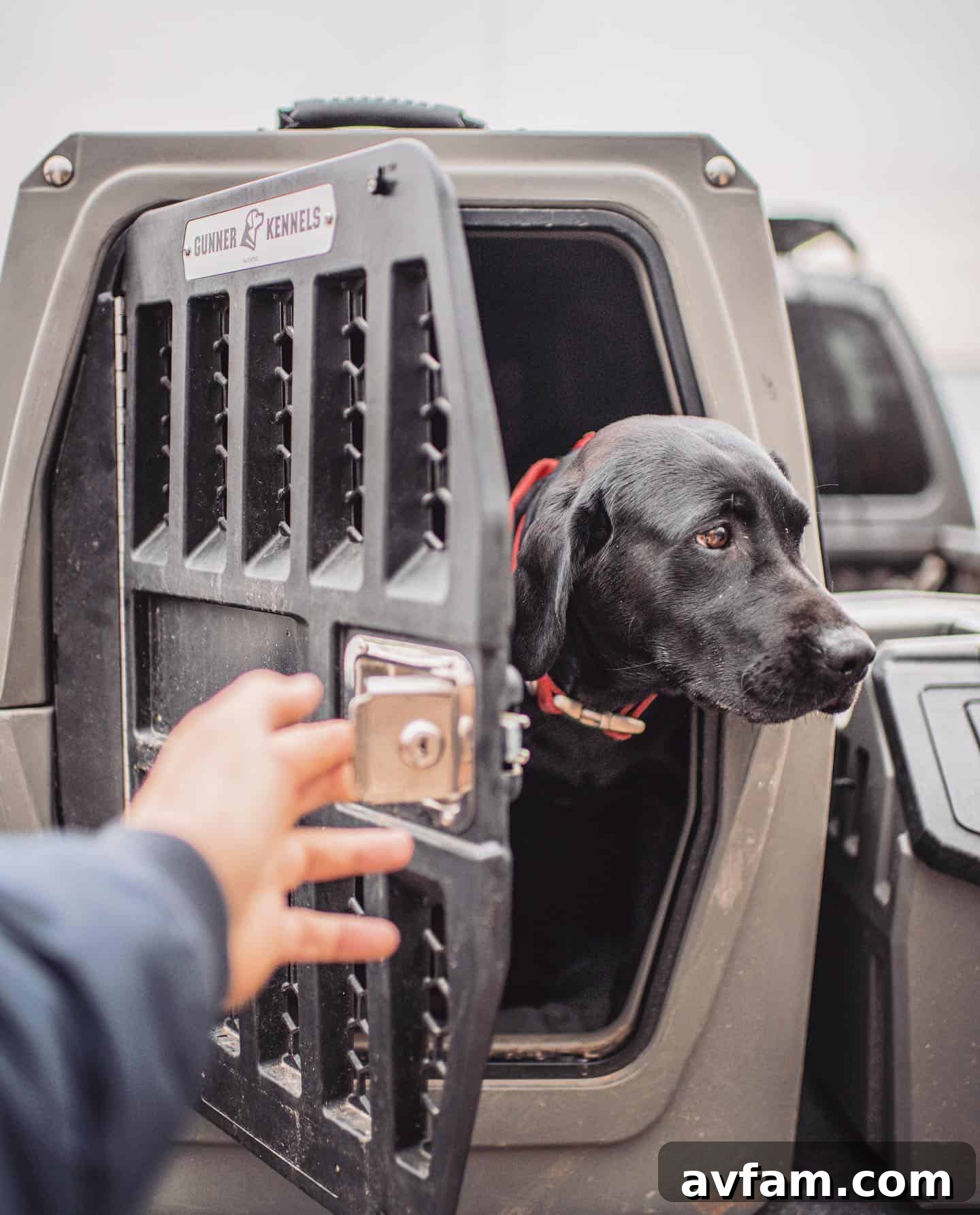
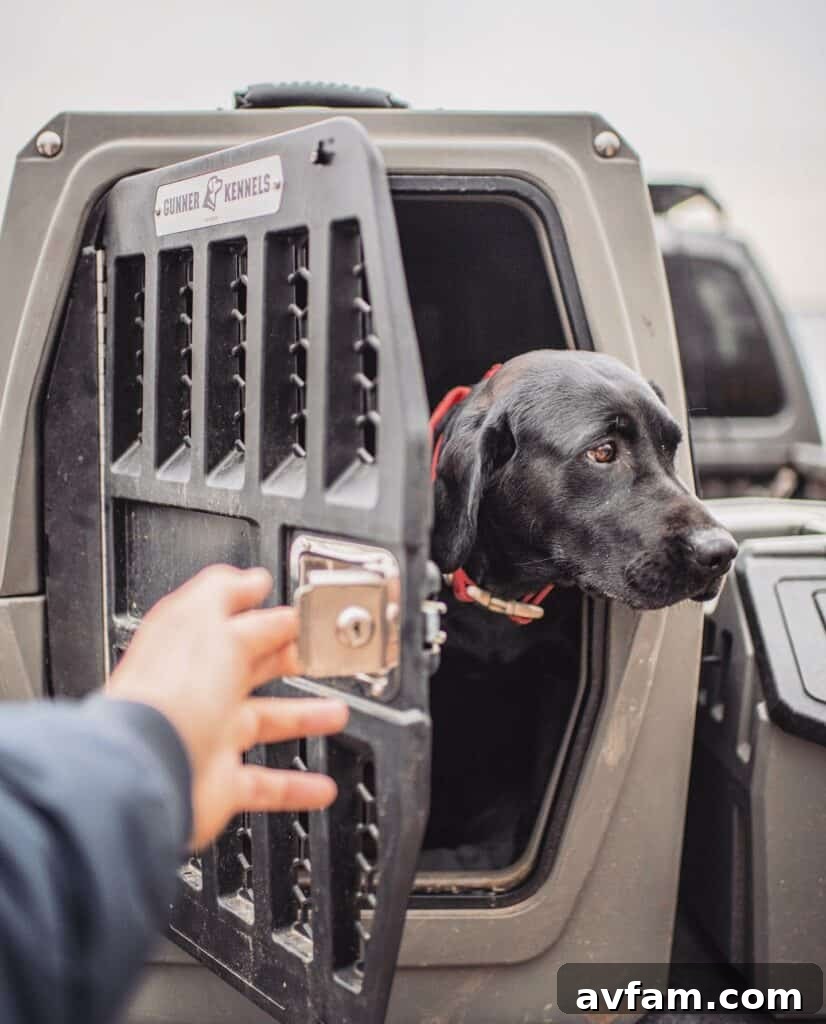
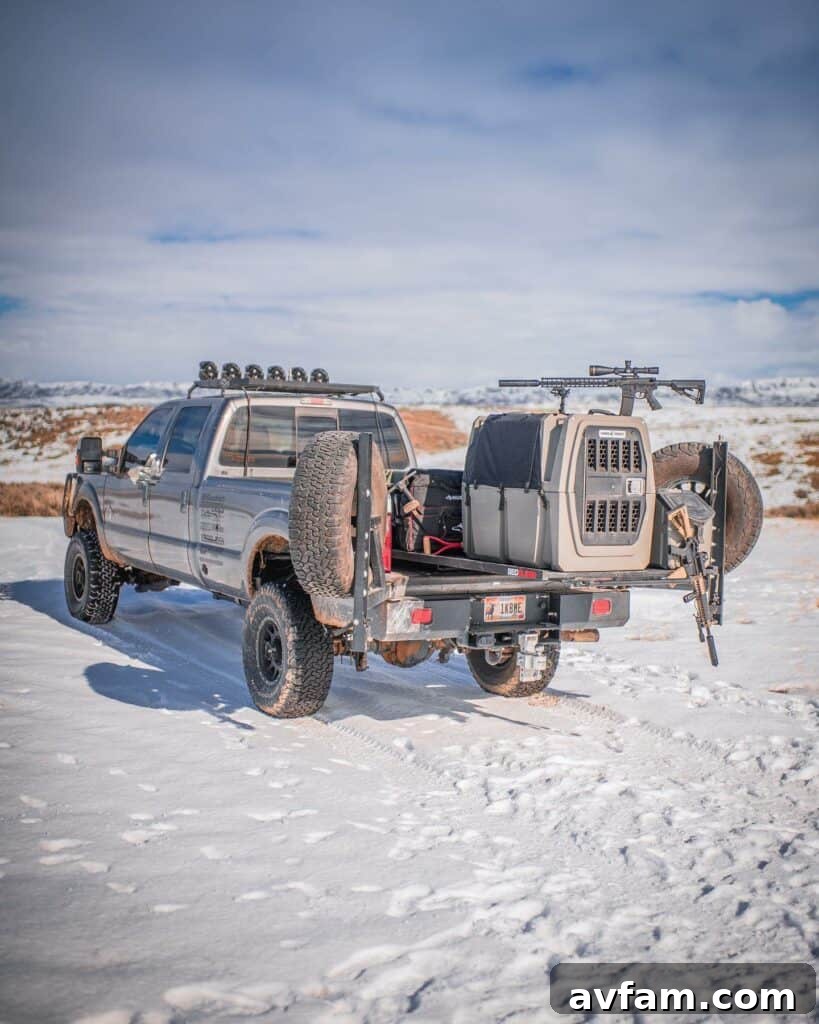
For ultimate safety and peace of mind when traveling with a big dog in a truck bed, Nate highly recommends a high-quality, crash-tested kennel, such as a Gunner Kennel. These kennels are engineered for maximum protection, providing a secure enclosure that keeps your dog contained and safe from external elements and impacts. A medium-sized kennel is often ideal for large dogs, as you don’t want excessive free space. Just enough room for them to stand up, turn around, and lie down comfortably is perfect. This snug fit minimizes jostling during sudden stops or turns, enhancing their safety and comfort.
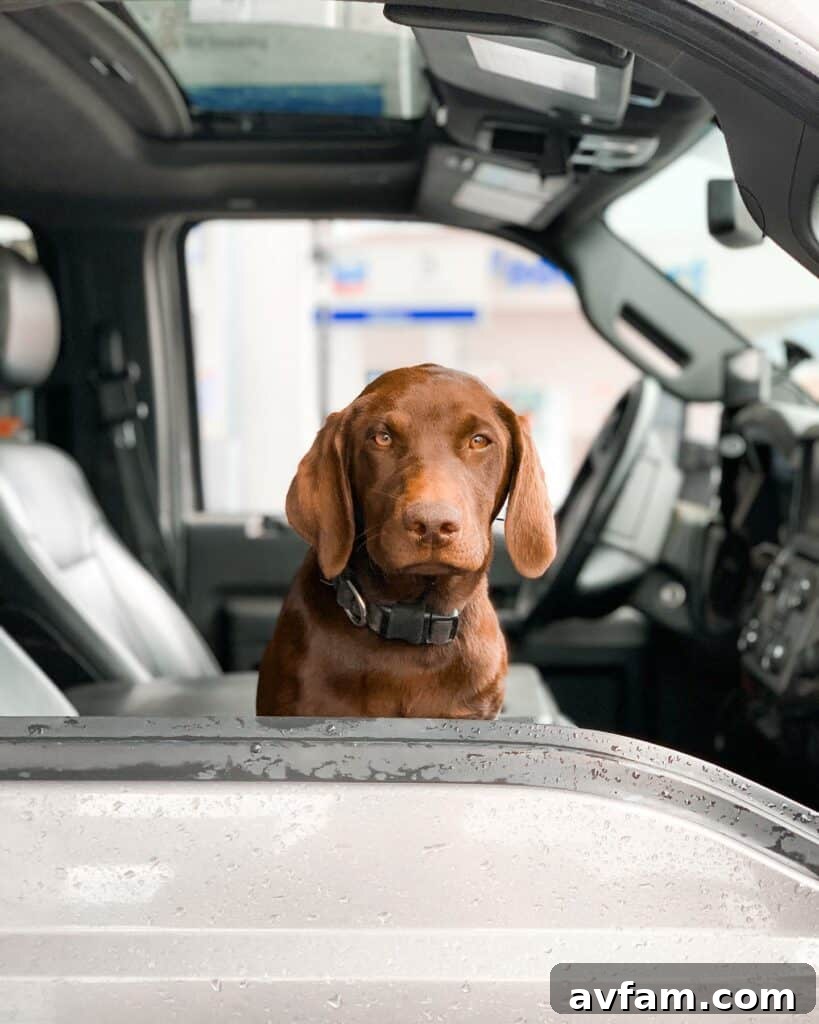
Kennels offer several advantages: they protect your dog from road debris, extreme weather, and the inherent risks of an open truck bed. They also prevent dogs from being tempted to jump out at distractions. For long-term travel, investing in a robust kennel is a wise decision that prioritizes your dog’s well-being above all else.
Your Experience and Comfort Level with Dogs
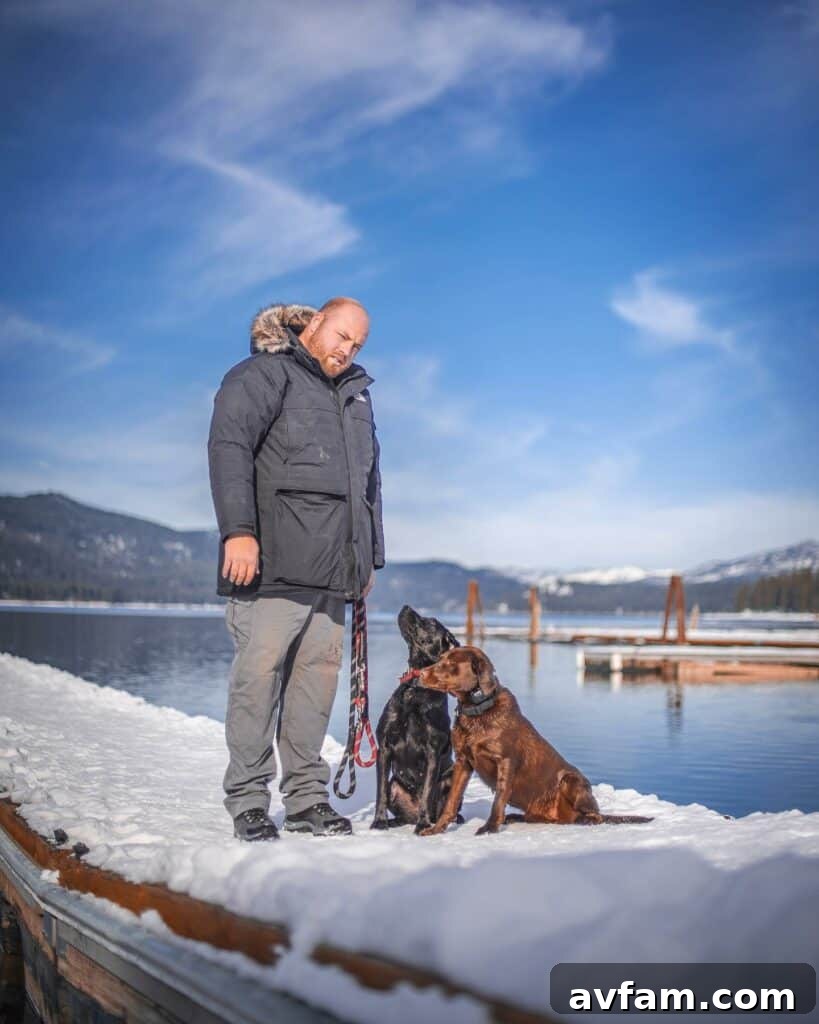
Your own experience and confidence in handling dogs play a significant role in determining how you manage them during travel. Nate, with a lifetime of dog ownership and professional K9 experience, including being bitten twice by a police Malinois during a foot pursuit, is exceptionally comfortable with dogs and their training. This extensive background informs his expectations and methods.
If you possess a strong command over your dog and trust them to respond reliably to your cues, allowing them to sit in the back seat with children might be an option. However, even in this scenario, Nate advises designating a specific spot for your dog, such as a folded towel, old blanket, or pad. Dogs thrive on having their own defined space, which helps them understand boundaries and provides a sense of security. It’s a powerful tool for reinforcing “place” commands, which are invaluable in a moving vehicle.
Conversely, if you find yourself struggling with control or consistent command enforcement, it’s best to keep your dog securely in the cargo area or a kennel, as previously discussed. Picture a chaotic scenario: a frustrated or bored dog roaming freely in the cabin during heavy traffic. This can be as distracting, or even more so, than texting while driving. A restless dog can suddenly jump into your lap, distract you from the road, or escalate stress levels for both you and your children. Imagine the annoyance and potential for bad habits if your dog tries to snatch food from your kids during a drive-through stop on a long trip.
A Crucial Side Note: Dogs and Children Around Food
Especially for first-time dog owners, Nate offers a critical warning: never allow dogs to be in close proximity to children while they are eating. Children often struggle with enforcing boundaries and defending their personal space. A dog that learns it can intrude on a child’s space, subtly or overtly seeking food, is developing problematic habits that can lead to extremely dangerous interactions.
Nate shares a profoundly difficult personal experience from a long road trip near Albuquerque, New Mexico. His four-year-old son, who adored the family’s German Shepherd, attempted to hug the dog. In what seemed like an instant, the dog, feeling stressed and encroached upon, bit the child in the face, throat, and near the eye. Nate emphasizes that the dog wasn’t “trying” to harm his son; rather, in its stressed state, it was instinctively creating space for itself with a quick, snapping bite. This tragic incident, which resulted in his son spending a night in the ER for stitches, led to the heartbreaking decision to no longer keep his beloved dog.
This harrowing lesson underscores that even a dog that is “nice 99.9999% of the time” can react under stress if it doesn’t clearly understand its place relative to the children. For the safety of everyone, children must be perceived as dominant over the dog. Nate regrets not recognizing the warning signs and failing to keep his son away from the dog in that particular stressful situation. This tragic event serves as a potent reminder that proactive prevention and strict boundaries are non-negotiable when combining dogs and children, especially during travel.
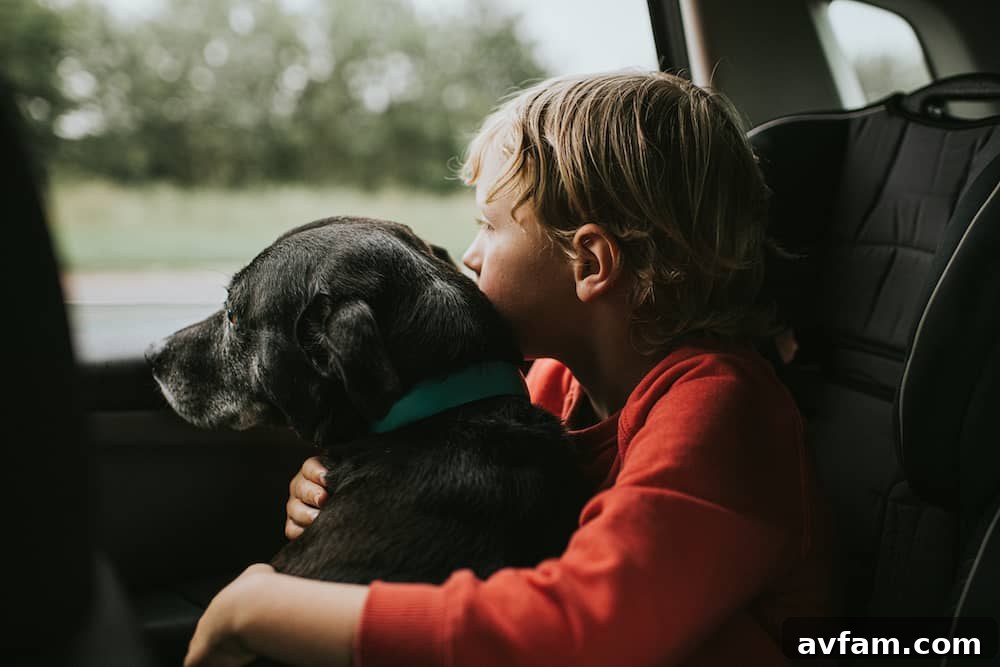
Your Kids’ Experience and Comfort Level with Dogs
Following Nate’s previous warning, the interaction between your children and your dog is paramount. If you own a shepherd breed, you’re likely aware of their specific behavioral patterns and tendencies. If your children are adept at confidently commanding and controlling the dog, and the dog consistently responds well to them, then allowing more interaction in the car might be appropriate. However, if your children struggle to assert dominance or the dog is not consistently receptive to their commands, it’s best to minimize potential stress for both the kids and the dog. In such cases, simplify the situation by keeping the dog in its designated, separate space until the children are older and more capable of managing interactions.
Distance of Trip
The length of your trip directly impacts stress levels and the necessity of potty breaks. A secure and comfortable spot for your dog makes longer journeys significantly easier. Generally, a dog can comfortably ride in a car without a break for about four hours. After this period, a brief stop is essential. These breaks don’t need to be extensive; a quick five-minute stop for your dog to relieve itself, stretch its legs, and get some water is usually sufficient. Nate notes that K9 units typically operate on similar schedules during working shifts, as these dogs understand that car time is “work time” and maintain their composure.
For extended trips, remember to pack adequately for your dog: sufficient food, fresh water, collapsible bowls, waste bags, a first-aid kit specific for pets, and familiar comfort items like a favorite toy or blanket. Ensure your dog stays hydrated during breaks, but be mindful of feeding schedules to avoid upset stomachs. At the end of a long travel day, make sure to give your dog plenty of playtime, attention, and a good walk to help them decompress and expend pent-up energy.
Dog’s Level of Training (by you)
The success of traveling with your dog largely hinges on their training, specifically their ability to follow commands like “stay,” “lie down,” and “kennel up.” A well-trained dog understands its boundaries in the car and knows when to refrain from certain behaviors, especially around food. The smell of food is intensely amplified in a confined car space, making it a strong temptation. If your dog struggles with basic commands or shows inconsistent obedience, it’s advisable to keep them in a secure kennel or the cargo area until their training is more solid. Consistent reinforcement of commands, even outside of travel, builds the foundation for a well-behaved travel companion.
Type of Destination
Your destination will dictate many aspects of traveling with your dog, particularly regarding accessibility and local regulations. Before you embark, research the rules for dogs at your chosen destination.
- National and State Parks: These often have strict regulations regarding pets, including leash laws and restricted areas (e.g., specific trails, visitor centers, or sensitive wildlife zones). Always check the park’s official website beforehand.
- Restaurants, Stores, and Sites: If you plan to stop at places where dogs are not permitted, you’ll need a plan. Consider if your dog can safely remain in the car. This brings us to a critical point:
Leaving Your Dog in the Car: Crucial Considerations
Never leave your dog unattended in a car in warm weather, even for a short time, as temperatures can rise rapidly to fatal levels. Even on seemingly mild days, the inside of a car can become an oven. Always be aware of local laws regarding leaving pets in vehicles. If you must leave your dog for a brief period, ensure the car is cool, parked in the shade, and windows are cracked for ventilation. For longer stops, it’s best to bring your dog with you or find a pet-friendly alternative.
Regarding feeding: Nate advises against feeding your dog until the end of the day while traveling. The combination of a bouncing car and potential stress can easily lead to an upset stomach and diarrhea, an unpleasant situation for both you and your vehicle. Offer water only throughout the day to keep them hydrated.
Consider your dog’s behavior when left alone. Is your dog a chewer or a barker? If you’ve seen the infamous car scene in Turner and Hooch, you understand the potential for destructive chewing, often a result of stress or boredom. Excessive barking can also occur due to stress from strangers passing by. A kennel with blinders can be an excellent solution, helping to keep dogs calm and reducing external stimulation. This strategy is also beneficial when staying overnight at hotels, as a contained and calm dog is often more welcome and causes less disturbance.
Nate personally values having a travel kennel available because it proactively addresses numerous issues related to the dog’s sanity, the children’s safety, and the dog’s own well-being. Furthermore, he’s found that many hotels are more accommodating to pets when they are securely kept in a kennel within the room. While a kennel offers unparalleled advantages, if it’s not your preferred option, carefully consider all the other points and safety measures outlined above.
Finally, and critically important: ensure your dog is vaccinated against PARVO. This highly contagious and often deadly viral disease can be encountered in various environments, making vaccination a non-negotiable aspect of responsible pet ownership and safe travel.