

Most students spend hours picking the perfect comforter for their dorm but rarely consider how their study space should change as they progress academically. This guide explains how to grow your study environment in step with your educational journey.
Remember the first time you entered a college dorm: cinder block walls, a twin bed bolted to the floor, and a desk that looked like it had survived decades of late nights. It wasn’t much, but it was yours, and you learned to make it work.
Fast-forward a few years. You may be deeper into your studies, possibly pursuing graduate work online and juggling coursework with life responsibilities. That same dorm setup would not only feel cramped—it could limit your productivity. A study space is not static; like you, it should evolve.
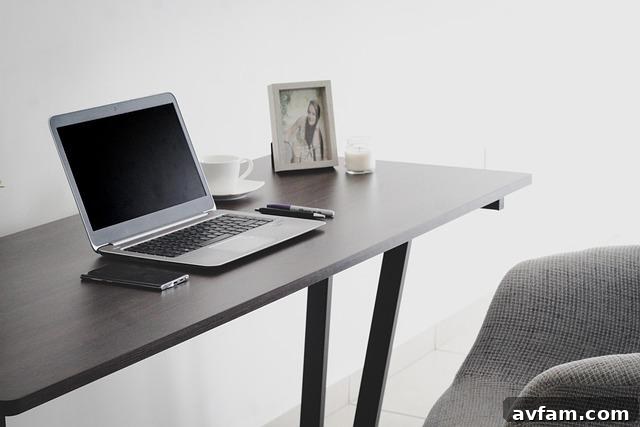
Below is a practical stage-by-stage approach to designing a study environment that grows with you.
Stage 1: The Freshman Dorm — Survival Mode Design
Your first college room teaches constraint management. With maybe 120 square feet, institutional furniture, a new roommate, and only a few boxes of belongings, the priority is function over form.
Protect the desk. It’s easy for it to become a catch-all for laundry, takeout containers, and chargers, but keeping it clear and well-lit turns it into a reliable work zone. A small clip-on task lamp is a simple, inexpensive upgrade that reduces eye strain and helps your brain recognize work time.
Choose multi-use furniture: an ottoman with storage, a loft bed to free up floor space, or a compact shelf that sits on the desk. Make every square inch count. A cohesive bedding set, a couple of framed prints, and one or two plants can make the room feel intentional without cluttering it.
This stage teaches the essentials: distinguishing needs from wants and understanding how a tidy, dedicated space improves focus.
Stage 2: The Undergrad Apartment — Your First Real Say
Moving off campus is a milestone. For the first time you control layout, furniture, lighting, and even paint in some places. Many students prioritize the living room and treat the study area as an afterthought—don’t.
You can carve out an effective workspace even without a separate room. A proper chair, a desk large enough to spread out, and shelves to organize materials can turn a nook into a functional office. Rugs are useful for defining zones in open-plan spaces, signaling that a specific area is for work.
Invest in furniture that will move with you: a solid desk, a quality chair, and a reliable lamp. These pieces last through multiple moves, unlike cheap flat-pack furniture. Distractions grow at this stage—roommates, visible kitchen activity, and social visitors—so adopt habits that reinforce focus: noise-canceling headphones, consistent study seating, and keeping the desk clear of nonwork items.
By the time you leave your undergrad apartment, you should know what your ideal study environment requires.
Stage 3: The Graduate Home Office — Where It Gets Serious
Graduate study changes how—and where—you work. For online students especially, home becomes the campus, so your environment must support extended, focused academic effort.
Separation is essential. If possible, use a spare room with a door you can close; entering and leaving the space mimics a commute and helps shift your mindset. If a dedicated room isn’t feasible, clearly define and protect a work zone and keep it consistent.
At this level, your workspace should look professional. Video meetings, seminars, and advisor meetings make lighting, background, and audio important. Good lighting and an uncluttered backdrop project competence. A decent USB microphone can improve audio clarity during discussions.
Tailor your setup to your field: some programs require observed practice or specific materials, which benefit from an orderly desk and calm background. Storage matters more than ever—textbooks, journals, printed readings, and notes need a system. Floating shelves, a filing cabinet, or labeled bins help keep physical materials from overwhelming your workspace.
Ergonomics are critical when you spend long hours at a desk. A supportive chair, a monitor at eye level, and a keyboard that keeps wrists neutral are investments in your long-term health and productivity.
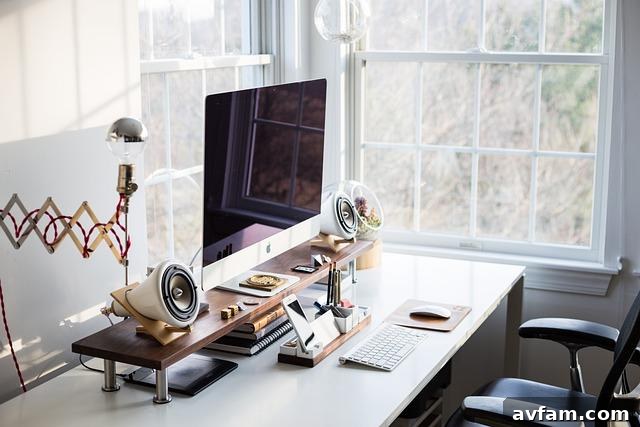
Stage 4: The Professional Home Office — Built to Last
After graduate school, your home office becomes a professional workspace designed for sustained, high-quality work. This is where the lessons from earlier stages come together.
Invest in durable, permanent solutions: a standing desk, a multi-monitor setup, chosen artwork, and adaptable lighting for different times of day. Consider soundproofing if noise is a problem, blackout curtains to control glare, and a separate charging area to keep devices out of reach during deep work sessions. The goal is an environment that removes friction and supports consistent performance.
Your Space Is Always a Work in Progress
Intentionality is the through-line. Students who accept generic furniture and awkward layouts without adapting their space usually struggle more. Each academic stage poses different demands and opportunities: compact, clever solutions for dorms; zoned setups for apartments; a disciplined, professional environment for graduate study; and a refined, long-term workspace for professional life.
Start where you are and work with what you have. At every stage, ask: does this space help me do my best work? If the answer is no, make a targeted change. Over time, incremental improvements add up to a study environment that supports your goals at every level.