
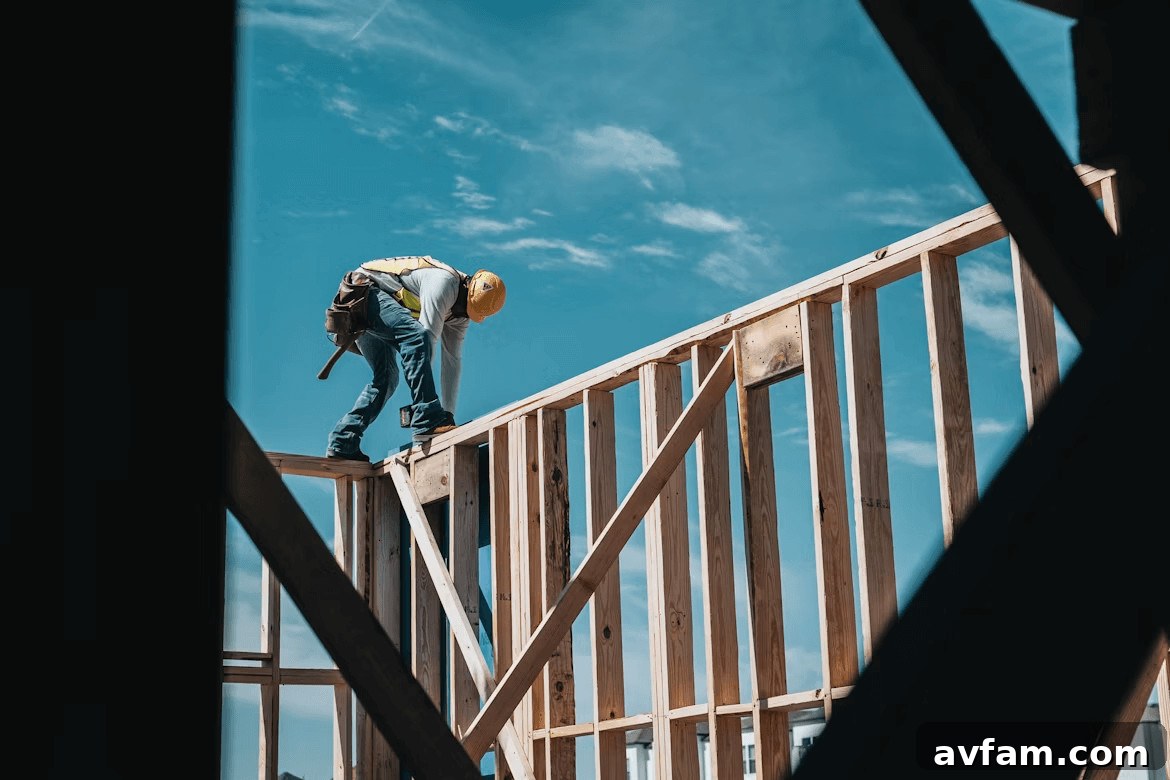
Hiring a contractor to remodel your home, replace a roof, build a deck, or complete another renovation usually goes smoothly. Still, construction work carries inherent risks, and accidents can occur even on well-managed job sites. If a contractor is injured while working on your property, you may wonder whether you could be held legally responsible. The answer depends on the specific facts of the accident: who controlled the work, what caused the injury, and whether dangerous conditions existed on the property.
Understanding how premises liability generally applies can help homeowners recognize their responsibilities and reduce risk. When injuries are serious or liability is unclear, many people consult an experienced premises liability attorney to review the circumstances and advise on potential exposure.
Property Ownership Alone Does Not Create Liability
Ownership of a property by itself does not automatically make a homeowner liable for every injury that happens there. Liability typically hinges on whether the homeowner acted negligently or failed to address a hazardous condition that contributed to the injury.
Courts and investigators consider questions such as:
- What caused the accident?
- Did the homeowner know about the hazardous condition?
- Should the homeowner reasonably have discovered the danger?
- Was the danger obvious to a competent professional?
- Who controlled how the work was performed?
Answers vary by case, which is why these claims are highly fact-specific.
Independent Contractors Usually Assume Certain Risks
Most residential construction professionals are engaged as independent contractors rather than as the homeowner’s employees. Examples include roofers, electricians, plumbers, painters, flooring installers, landscapers, and carpenters. Independent contractors typically decide how to carry out the work, supply their own equipment, and follow their own safety procedures.
Because they control their work methods, homeowners are often not liable for injuries that result solely from a contractor’s actions or ordinary construction hazards.
Workers’ Compensation May Apply
When an injured person is employed by a construction company, workers’ compensation insurance commonly provides benefits regardless of fault. Such coverage may include medical expenses, lost wages, rehabilitation services, and certain disability benefits. While workers’ compensation can resolve many workplace injury claims, it does not always eliminate all liability issues involving third parties.
Dangerous Property Conditions Can Create Responsibility
Property owners generally have a duty to address or warn lawful visitors about hidden dangers they know about or should reasonably know about. Examples of hazardous conditions that can contribute to contractor injuries include rotten decking, weak flooring, hidden holes, loose staircases, unstable retaining walls, exposed electrical wiring, and unsafe balconies.
If such a condition plays a role in an injury, investigators will examine whether the homeowner knew about the danger and failed to take reasonable steps to correct it or provide a warning.
Obvious Hazards Are Different
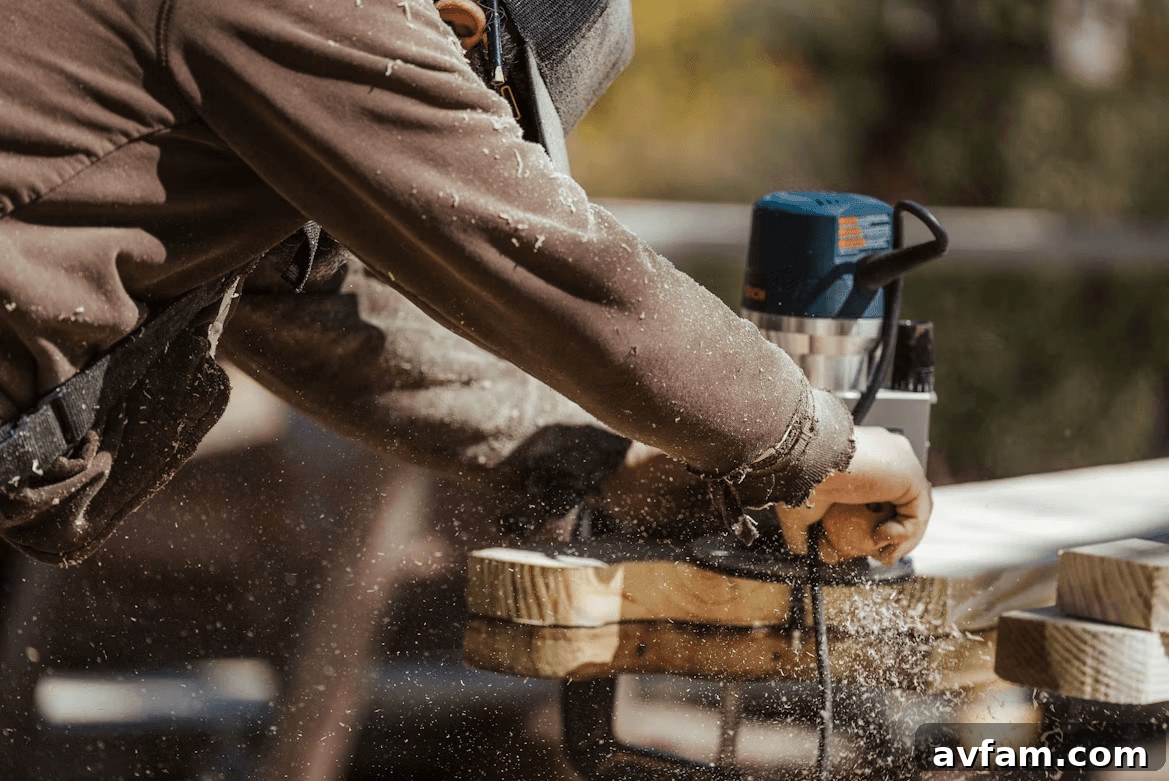
Many risks are inherent to construction work and are typically recognized by experienced contractors. Working on ladders, roofing, excavation, demolition, operating power tools, and working at heights are examples of occupational hazards that are usually viewed as part of the contractor’s professional environment rather than hidden dangers created by the homeowner.
Control Over the Work Matters
Who controls the work is a key factor in liability determinations. Homeowners hire contractors for their expertise, but issues can arise if a homeowner begins directing how dangerous tasks should be performed. Liability becomes more complicated if a homeowner orders workers to ignore safety procedures, demands shortcuts, requires work during unsafe weather, or directs the use of unsafe equipment. The more control a homeowner exercises over the details of the work, the greater the potential liability if something goes wrong.
What if the Homeowner Provides Equipment?
Contractors typically bring their own tools and equipment, but homeowners sometimes provide items like ladders, extension cords, power tools, scaffolding, or air compressors. If homeowner-provided equipment is defective and contributes to an injury, that equipment can become a central part of any legal investigation. Letting contractors use their own, properly maintained equipment generally reduces risk.
Preparing the Property Before Work Begins
Homeowners can improve jobsite safety by addressing known hazards before the contractor arrives. Useful steps include repairing broken steps, securing loose railings, removing unnecessary debris, improving lighting, marking underground hazards, and informing contractors of known structural issues. Clear communication about risks helps everyone plan and work more safely.
What Happens if a Subcontractor Is Injured?
Many remodeling projects involve subcontractors hired by a general contractor—electricians, HVAC technicians, tile installers, cabinet installers, and concrete specialists, for example. Determining liability in those cases can require examining who controlled the worksite, who created the dangerous condition, whether safety responsibilities were delegated, and whether the homeowner knew about hidden hazards. More than one party may share responsibility.
Insurance May Play a Significant Role
Several insurance policies may become relevant after a construction accident, including workers’ compensation, contractor general liability, commercial umbrella policies, and homeowners insurance. Promptly notifying the appropriate insurance carrier after a serious accident helps preserve evidence and ensures the claim is investigated properly.
Practical Steps Before Hiring a Contractor
Taking a few precautions can reduce both safety risks and potential legal complications. Recommended actions include hiring licensed contractors when required, verifying liability insurance, confirming workers’ compensation coverage, using written contracts, discussing known hazards before work begins, and allowing contractors to control their own work methods. These measures create clear expectations and promote safer job sites.
What Should You Do After an Accident?
If a contractor is injured while working on your property:
- Call emergency medical services if necessary.
- Secure the area to prevent further injuries.
- Cooperate with emergency responders.
- Photograph the accident scene if appropriate and safe to do so.
- Gather witness contact information.
- Preserve any equipment involved.
- Notify your insurance company promptly.
Avoid making assumptions about fault until a proper investigation is completed.
Can Multiple Parties Be Responsible?
Yes. Construction accident cases often involve multiple parties. Depending on the facts, responsibility may include the property owner, the general contractor, a subcontractor, an equipment manufacturer, or another contractor on site. Determining liability typically requires reviewing contracts, maintenance records, photographs, witness statements, inspection reports, and expert opinions.
Protecting Yourself Before Problems Arise
The best way to reduce the risk of contractor injuries is to create a safe working environment before construction begins. Hiring qualified professionals, maintaining your property, disclosing known hazards, verifying insurance coverage, and allowing contractors to perform their work independently all contribute to a safer project. While no homeowner can eliminate every risk, careful planning, open communication, and attention to safety help protect workers and reduce the likelihood of legal disputes if an unexpected accident occurs.