
Elevate Your Home: The Principles of Universal Design and Accessible Flooring
The concept of universal design is gaining widespread recognition, often associated with creating environments where individuals can comfortably and safely age in place. However, its scope extends far beyond age-specific considerations. At its core, universal design is a philosophy focused on crafting spaces that are inherently more accessible, functional, and performant for everyone, irrespective of their age, physical capabilities, or any temporary limitations. It’s about designing environments that work seamlessly for the widest possible range of people in the widest possible range of situations, fostering independence and comfort for all.
One of the most critical elements to consider when implementing universal design principles within your home is your flooring. The right flooring can significantly enhance mobility and safety, while poor choices can create unnecessary hazards and barriers. For instance, common household items like loose throw rugs, while seemingly innocuous, can pose a significant trip hazard, particularly for those using mobility aids or with unsteady gaits. These should generally be avoided or secured meticulously with non-slip backings if absolutely necessary.
While some soft carpets can be a comfortable option, their suitability for universal design depends heavily on their thickness and pile. Extremely plush or thick carpets can impede the movement of wheelchairs, walkers, and crutches, making navigation difficult and requiring more physical effort. Low-pile, dense carpets can be a better compromise, offering some softness and sound absorption without sacrificing crucial mobility. However, in general, non-carpet surfaces are often favored for their superior advantages in a universally designed home. They typically offer minimal resistance, allowing for smooth, effortless movement, and are often considerably easier to clean and maintain, which is a major benefit for busy households and those with limited mobility.
Earlier this year, I had the privilege of attending a universal design panel discussion in Kansas City, where experts shared invaluable insights into creating truly accessible and functional living spaces. A significant portion of the discussion revolved around optimal flooring solutions, and several top contenders emerged for their ability to meet the stringent demands of universal design. These materials balance aesthetics, durability, and crucial safety features. The top three picks, consistently highlighted for their versatility and performance, included:
Top Flooring Choices for Universal Design
1. Tile: Durability Meets Design and Safety
Tile stands out as a premier choice for universal design flooring, offering an impressive blend of versatility, durability, and often, budget-friendliness. Its robust nature makes it an excellent candidate for high-traffic areas and spaces prone to moisture, such as kitchens, bathrooms, entryways, and utility rooms. A key advantage of tile in universal design is its wide availability in various slip-resistant styles and finishes. Manufacturers now produce tiles with textured surfaces or specific glazes designed to increase the coefficient of friction, significantly reducing the risk of slips and falls, even when wet. This makes tile an incredibly safe option for areas where spills are common or moisture is present.
Beyond safety, tile floors are exceptionally conducive to high mobility. Their smooth, hard surfaces allow wheelchairs, walkers, and other mobility aids to glide effortlessly, reducing the physical exertion required for movement. Furthermore, tile is an incredibly resilient material, capable of withstanding significant wear and tear, making it a long-lasting investment. When considering a large-scale flooring change, especially for extensive areas within your home, tile often presents a budget-friendly solution compared to some other premium materials, offering excellent value without compromising on quality or universal design principles. With countless colors, patterns, and sizes available, tile also offers immense design flexibility, allowing homeowners to achieve virtually any aesthetic from modern minimalist to classic elegance, all while enhancing the functionality and safety of their space.
2. Hardwood Floors: Timeless Elegance and Seamless Mobility
Hardwood floors continue to be a beloved choice for homeowners, and for good reason. Like tile, they significantly enhance mobility within a home, providing a smooth and consistent surface that is easy to navigate with or without mobility aids. Their natural beauty adds a sophisticated and timeless appeal to any room, elevating the overall aesthetic of your home. Modern hardwood options are more versatile than ever, available in an extensive range of styles, species, colors, and finishes to complement any decor scheme, from rustic farmhouse to contemporary chic. This diversity ensures that homeowners can find an option that perfectly aligns with their personal taste and architectural style.
When properly sealed and maintained, hardwood floors are remarkably durable and can withstand years of daily wear and tear. The right finish not only protects the wood from scratches and spills but also contributes to its ease of maintenance. A quick sweep or damp mop is often all that’s needed to keep them looking pristine, which is a considerable advantage for individuals seeking low-effort cleaning solutions. The increasing popularity of hardwood flooring has also led to a broader range of price points, meaning that this luxurious option is now more accessible across various budgets, including engineered hardwood alternatives that offer similar benefits with enhanced stability in certain environments. Investing in hardwood floors not only improves the functional aspects of your home but also adds significant resale value, making it a wise choice for long-term home planning.
3. Cork Flooring: Eco-Friendly Comfort and Safety
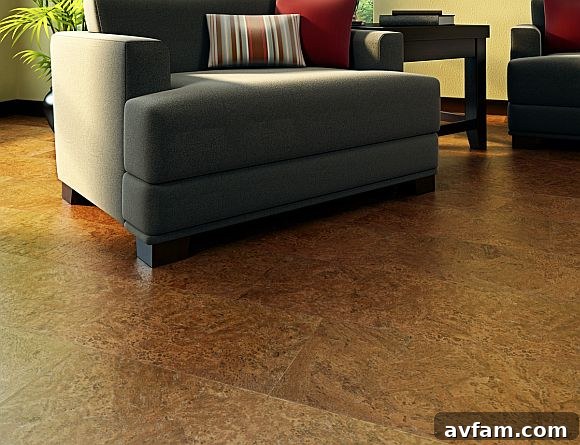
For those prioritizing sustainability and a softer underfoot feel without compromising on universal design principles, cork flooring presents an outstanding option. This eco-friendly material is harvested from the bark of cork oak trees without harming the tree itself, making it a highly renewable and sustainable resource. Cork offers exceptional high mobility, similar to tile and hardwoods, allowing for smooth movement across its surface. However, its unique cellular structure provides a slightly softer and more yielding surface compared to traditional hard floors.
This inherent softness is a significant advantage in a universally designed home, as it offers a degree of cushioning that can be beneficial in reducing impact on joints and providing a safer landing in the event of an accidental fall. This makes cork an ideal choice for living rooms, bedrooms, or even kitchens where standing for long periods is common. Beyond its comfort, cork also boasts excellent natural insulation properties, retaining more heat than tile or hardwoods, which can contribute to a warmer and more energy-efficient home environment. It also offers natural acoustic benefits, helping to dampen sound, creating a quieter and more peaceful living space. To keep cork in optimal condition, maintenance is similar to that of hardwood floors, typically requiring regular sweeping and occasional damp mopping with appropriate cleaning solutions. With proper sealing, cork can also offer good resistance to moisture, making it a viable option for areas like kitchens, where its warmth and comfort are particularly appreciated.
Beyond Flooring: Comprehensive Universal Design
While flooring is a foundational element, universal design encompasses a much broader spectrum of considerations aimed at creating an inclusive and user-friendly home. Thoughtful planning extends to every aspect, from entryways and hallways to kitchens and bathrooms. Ensuring smooth transitions between different flooring types, ideally with minimal or no thresholds, is crucial to prevent tripping hazards and facilitate easy movement for mobility aids. Adequate lighting plays a pivotal role, not only in general visibility but also in highlighting changes in floor levels or textures, further enhancing safety.
Incorporating elements like wider doorways, lever handles, accessible counters, and curbless showers all contribute to a truly universally designed home. These design choices don’t just benefit individuals with specific needs; they create a more comfortable, convenient, and aesthetically pleasing environment for every member of the household and every guest. From parents pushing strollers to guests with temporary injuries, or simply making daily tasks easier as we age, universal design is an investment in the long-term liveability and value of your home.
Have you begun to envision how universal design principles could transform your own home? What specific changes are you most eager to implement to enhance accessibility, functionality, and comfort for yourself and your loved ones? Embracing universal design is about more than just compliance; it’s about crafting a home that truly welcomes and supports everyone.
Photo courtesy of Real Cork Floors