Embrace Rustic Charm: The Ultimate Guide to Whiskey Barrel Planters
Transforming an ordinary garden or patio into a vibrant, rustic oasis often begins with the right containers. Among the myriad of options available, whiskey barrel planters stand out as a truly exceptional choice. Revered for their impressive size, robust construction, and the inherent, captivating beauty of aged oak, these repurposed barrels offer far more than just a place for your plants. They inject a sense of history, character, and timeless elegance into any outdoor space, making them a favorite among gardeners seeking both functionality and aesthetic appeal.
Whether you’re looking to cultivate a thriving vegetable garden, showcase a magnificent ornamental shrub, or create a stunning floral arrangement, whiskey barrels provide a substantial and visually appealing foundation. Their unique charm blends seamlessly with various garden styles, from traditional country gardens to more contemporary urban balconies. While readily available at local home centers, specialized nurseries, or online marketplaces like Craigslist, these half-cut wooden wonders, primed for soil and plants, do require a thoughtful approach to preparation to ensure the long-term health and vitality of your botanical treasures.
Why Choose Whiskey Barrels for Your Garden?
The allure of whiskey barrel planters goes beyond their rustic good looks. These durable oak containers offer a multitude of practical benefits that make them a superior choice for a wide range of gardening projects. Unlike their plastic counterparts, which often lack visual appeal and can degrade under harsh sunlight, oak barrels provide unmatched durability and a natural aesthetic that only improves with age. They are also typically more budget-friendly than large, high-quality terra cotta or glazed ceramic pots, which can be surprisingly costly, especially for containers of comparable size.
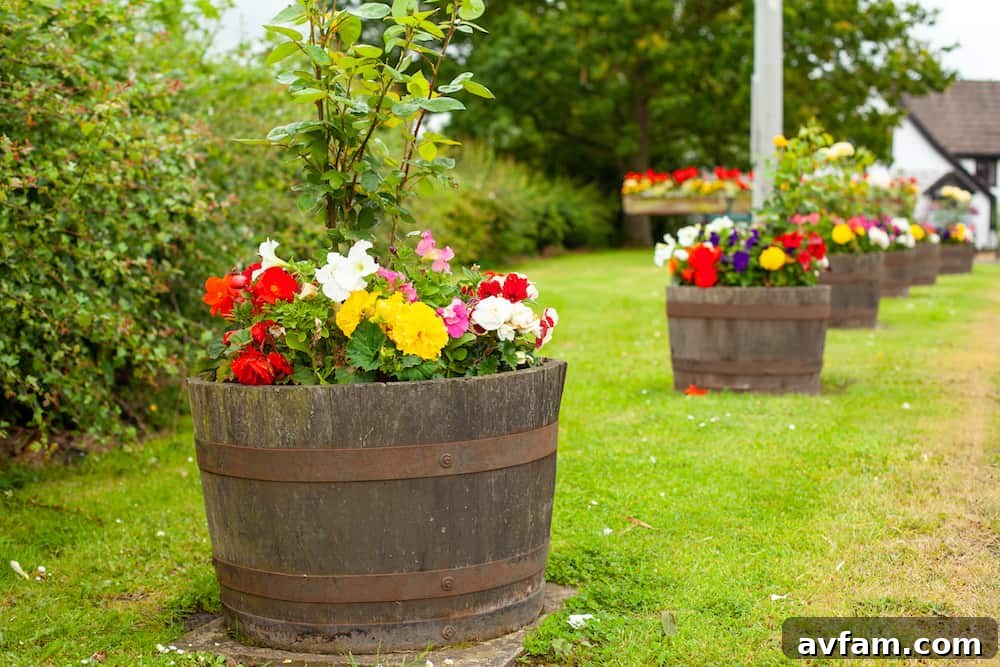
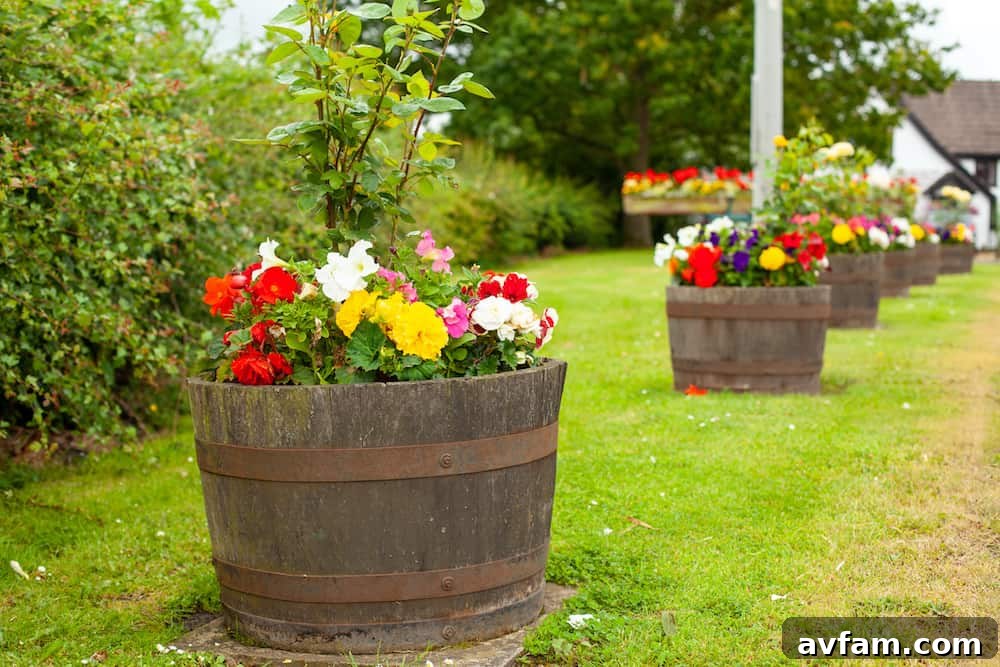
The substantial volume of a whiskey barrel planter is another significant advantage. It allows for ample root growth, which is crucial for larger plants, shrubs, and even small trees. This generous capacity also helps to retain soil moisture more effectively than smaller pots, reducing the frequency of watering and providing a more stable environment for your plants to flourish. Furthermore, the thick oak staves offer excellent insulation, protecting delicate root systems from extreme temperature fluctuations, whether it’s the scorching heat of summer or the biting cold of winter. This natural insulation helps maintain a more consistent soil temperature, which is beneficial for overall plant health.
Sourcing Your Perfect Whiskey Barrel Planter
When embarking on your whiskey barrel gardening journey, one of the first exciting steps is acquiring your barrels. Oak whiskey barrels come in an impressive array of patinas and conditions, allowing you to select those that best complement your personal style and garden aesthetic. While some gardeners might prefer the pristine, lighter wood tones of a relatively new barrel, which can be found with diligent searching through specialized suppliers or larger garden centers, the true charm often lies in the reclaimed, aged barrels.
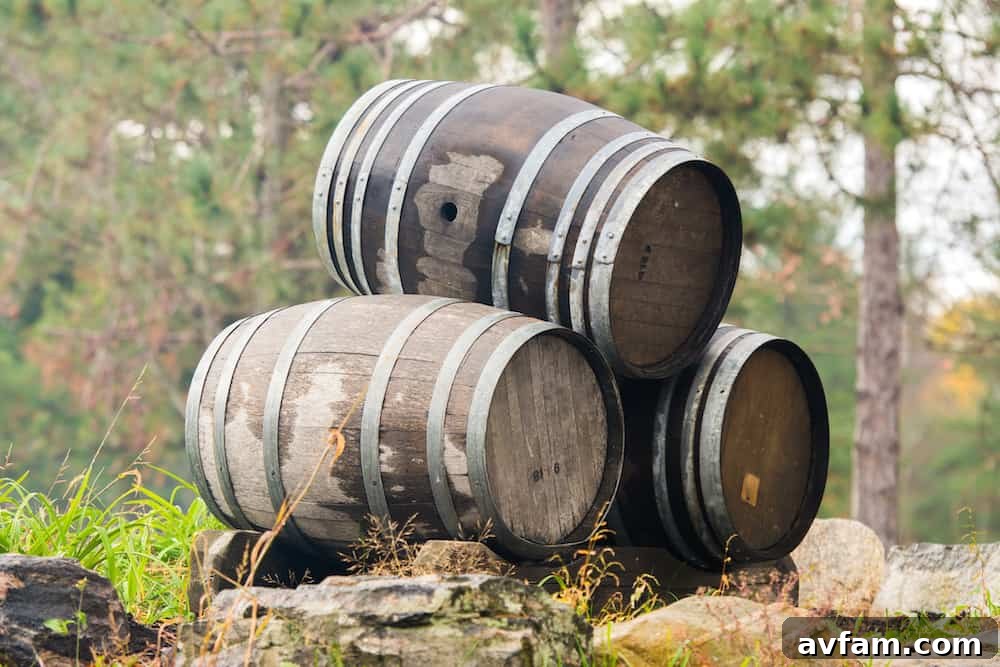
Most commonly, you’ll encounter older whiskey barrels that have honorably fulfilled their primary purpose of aging fine spirits – be it whiskey, bourbon, or other alcoholic beverages. These barrels are treasures, each bearing unique marks, stains, and weathered textures that tell a story of their past life. This distinct, one-of-a-kind appearance is precisely what makes them so desirable for repurposing into planters. Giving these barrels a new life in your garden is not only a sustainable choice but also an opportunity to add unparalleled character and a touch of rustic authenticity that cannot be replicated by manufactured containers.
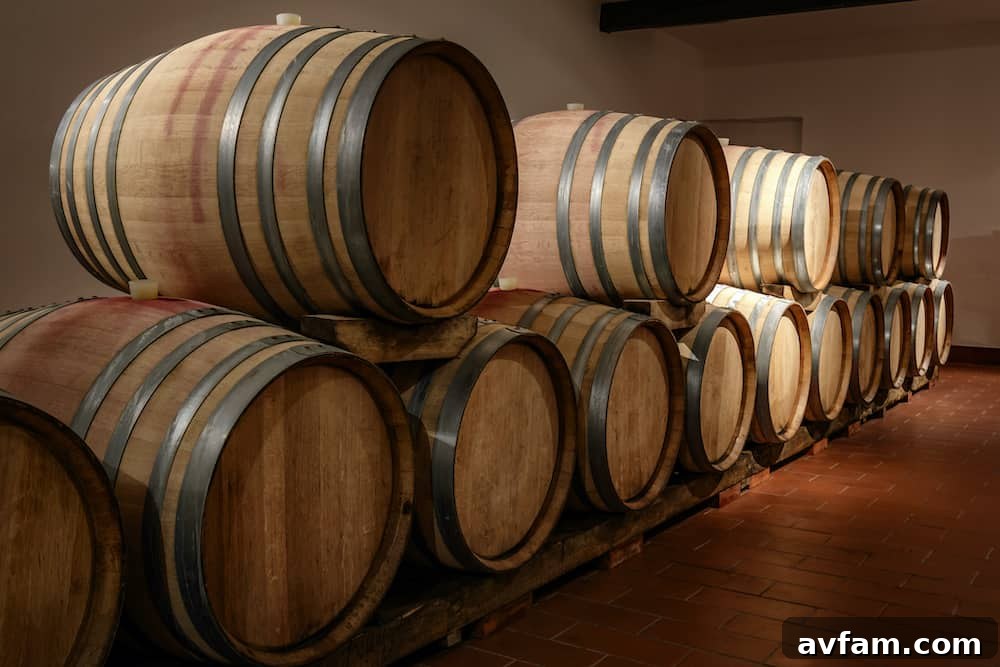
Beyond traditional home improvement stores, consider exploring options like local nurseries, dedicated garden supply centers, or online classifieds platforms such as Craigslist. Wineries, distilleries, and even salvage yards can also be excellent, albeit less common, sources for full or half barrels. When inspecting a potential barrel, particularly a used one, check for structural integrity. While some weathering is desirable, avoid barrels with significant cracks that compromise their strength or staves that appear to be separating too much. Remember, these barrels will hold a considerable amount of soil and moisture, so a sturdy foundation is key. Additionally, if purchasing a full barrel, you will need to cut it in half yourself, which requires appropriate tools and safety precautions.
Practical Considerations and the Reward of Repurposing
While the aesthetic and functional advantages of whiskey barrel planters are undeniable, it’s important to acknowledge a few practical considerations. The most significant of these is their weight. Even when empty, a half whiskey barrel is substantial, and once filled with moist soil and a plant, it becomes exceptionally heavy and can be quite unwieldy to maneuver. For this reason, it is highly advisable to enlist the help of a friend or family member when purchasing and transporting your barrels. Furthermore, once you’ve planted your chosen flora, it’s crucial to position the barrel in its intended long-term location. Attempting to relocate a fully planted barrel can be a daunting task and may even stress the plant within.
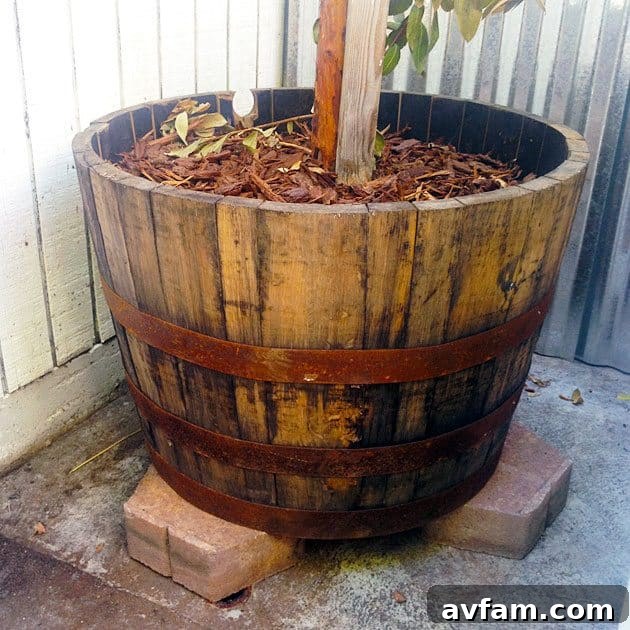
Our own experience with these magnificent planters perfectly illustrates their utility and potential. Faced with the delightful challenge of rescuing a pair of beautiful strawberry trees (Arbutus Unedo) acquired for free from Craigslist – trees that had been in-ground and suffered severe root ball damage during removal – we found ourselves in need of a robust, spacious, and immediate planting solution. With no available ground space to accommodate their recovery, the decision to utilize large whiskey barrels was an obvious and inspired choice. Our hope was to provide these resilient trees with the optimal environment to recuperate their root systems, flourish anew, and eventually contribute more lush vegetation and welcome shade to our garden.
Essential Preparation Steps for Your Whiskey Barrel Planter
Before you introduce soil and plants to your newly acquired whiskey barrel, a few crucial preparation steps are necessary to ensure proper drainage, plant health, and the longevity of your planter. Skipping these vital stages can lead to waterlogged roots, plant diseases, and premature deterioration of the barrel itself. We acquired our half whiskey barrels, along with fresh soil and a suitable fertilizer, from a local Home Depot. These particular half barrels, approximately 20-gallon capacity, were indeed super heavy and awkward to transport, even before filling. We managed to load them into the back of a truck and positioned them in their chosen spots without major issues, but the real work began with their preparation.
1. Ensuring Adequate Drainage: The Foundation of Plant Health
Proper drainage is paramount for almost all container plants, and whiskey barrels are no exception. Without sufficient drainage, water can accumulate at the bottom, leading to root rot – a common and often fatal issue for potted plants. While some barrels may come with pre-drilled holes, it’s always best to inspect and, if necessary, create or enlarge them. For our strawberry trees, known for their hardiness but also their need for good drainage, we opted to cut five distinct drainage holes.
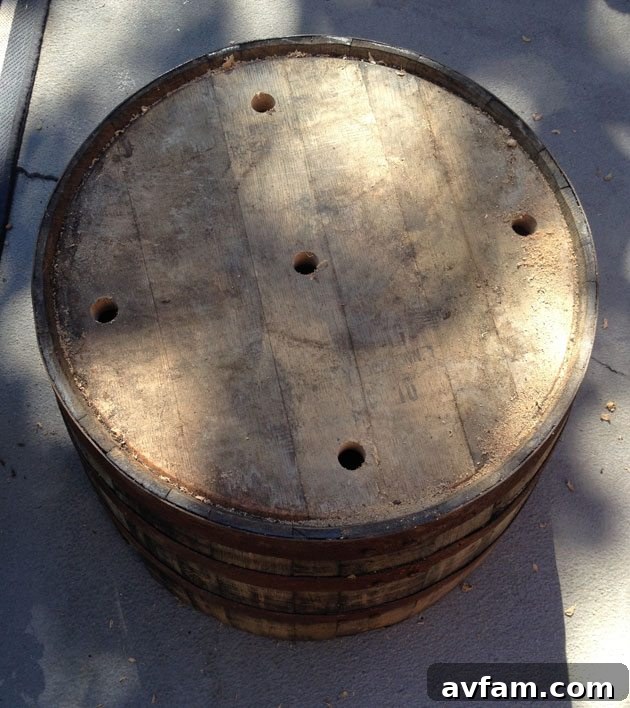
Using a 1-inch spade bit (or a similar size hole saw for cleaner cuts), we carefully drilled these holes through the bottom staves of each barrel. The number and size of drainage holes can vary depending on the barrel size and the type of plant you intend to grow. For larger barrels and plants that are sensitive to excess moisture, more holes or slightly larger ones may be beneficial. Aim for at least 4-6 holes evenly spaced across the bottom to ensure comprehensive water runoff. Always use appropriate safety gear, including eye protection, when operating power tools.
2. Preventing Soil Loss While Maintaining Drainage
Once your drainage holes are established, the next challenge is to prevent soil from washing out through them while still allowing water to escape freely. Initially, we covered the bottom of our newly drilled holes with pieces of garden bed fabric, stapling the fabric securely to the underside of the barrel. This method acts as a barrier, keeping the potting mix contained within the barrel.
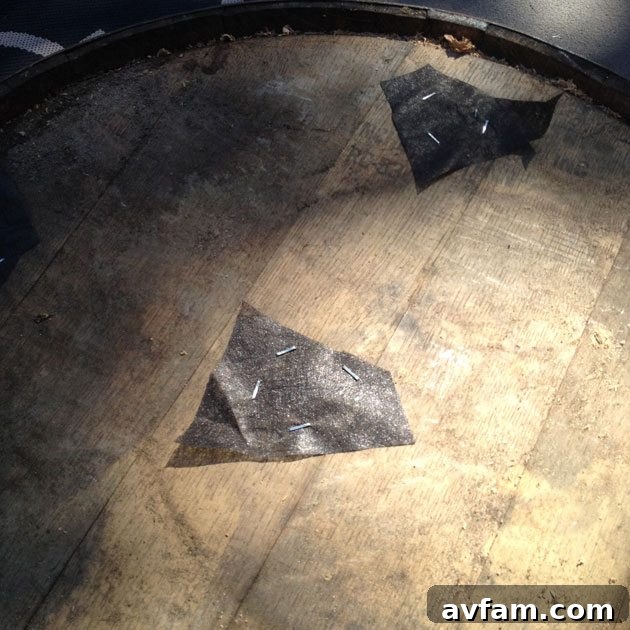
In hindsight, a more comprehensive and arguably more secure solution would have been to line the entire inside bottom of the barrel with a larger piece of landscape fabric or sturdy weed barrier cloth before adding soil. This creates a continuous barrier that not only covers the holes but also helps prevent soil from migrating into gaps between the staves, offering a more robust and longer-lasting solution. Other alternatives include using coffee filters, mesh screen scraps, or even a layer of broken pottery shards or gravel directly over the holes – though a fabric barrier is often preferred for preventing fine soil particles from escaping while ensuring unimpeded water flow.
3. Elevating for Airflow and Enhanced Drainage
An often-overlooked but crucial step in setting up whiskey barrel planters is elevating them slightly off the ground. We raised our barrels using sturdy pavers, a simple yet effective method. This elevation serves multiple purposes: it allows for improved airflow around the bottom of the barrel, which is essential for healthy root development and helps prevent the oak from sitting in standing water. Constant contact with wet surfaces can accelerate the decay of the wood, significantly shortening the lifespan of your beautiful planter. Furthermore, elevation ensures that water can drain freely from the holes you painstakingly created, preventing blockages that could lead to waterlogging. You can use specialized planter feet, bricks, or even small wooden blocks for this purpose, ensuring they are stable and evenly support the barrel’s weight.
Planting Your Trees or Plants
With your whiskey barrel properly prepared, it’s time for the exciting part: planting! For our rescued strawberry trees, which had sustained significant root damage, careful handling was paramount. First, add a base layer of high-quality potting mix to the bottom of the barrel. Avoid using heavy garden soil, which can compact and hinder drainage in containers. A good potting mix provides the necessary aeration, nutrients, and moisture retention for container-grown plants. For specific plants, you might want to consider specialized mixes (e.g., acidic for blueberries, well-draining for succulents).
Carefully center your plant in the barrel, ensuring that the top of the root ball is level with or slightly below the rim of the barrel to allow for watering. Gently backfill around the root ball with more potting mix, lightly tamping it down to remove large air pockets, but avoid compacting it too firmly. For plants like our strawberry trees, which were recovering, an initial dose of slow-release fertilizer or a liquid feed designed for transplant shock can be beneficial. After planting, water thoroughly until water begins to drain from the bottom holes, settling the soil around the roots.
Ongoing Care and Maintenance for Thriving Barrel Gardens
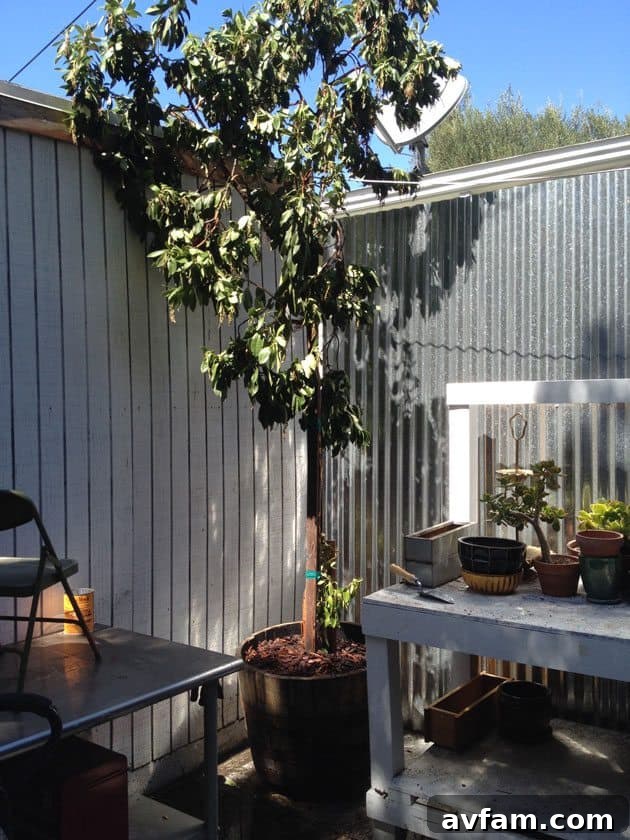
The journey doesn’t end after planting; consistent care is key to seeing your plants thrive in their new barrel homes. Initially, our strawberry trees presented a somewhat forlorn appearance, a common sight for transplanted specimens, especially those with root damage. The leaves hadn’t fully “turned,” indicating a period of adjustment. However, after just a few days, we observed encouraging signs: the top foliage appeared healthier, signaling that the trees were beginning to recover. The true test, however, would come after the second watering, as the root system gradually re-established itself.
Regular watering is critical for container plants, as they dry out faster than in-ground plantings. Check the soil moisture frequently, especially during warm, dry periods; sticking your finger a few inches into the soil is a good indicator. Fertilize according to your plant’s needs and the recommendations on your chosen fertilizer, typically every few weeks or months depending on the type. Periodically, you may need to top off the soil as it settles over time. In colder climates, consider wrapping the barrel with burlap or moving it to a sheltered location to protect delicate root systems from harsh winter freezes. While our trees are still in their recovery phase, looking a bit “sad” by conventional standards, we remain optimistic. With diligent care, proper watering, and the nurturing environment of their new whiskey barrel planters, they are well on their way to flourishing and providing us with beauty and shade for years to come.
The Enduring Appeal of Whiskey Barrel Planters
Ultimately, whiskey barrel planters offer a blend of rustic charm, robust functionality, and sustainable living that is hard to match. They provide an excellent environment for a wide variety of plants, from ornamentals and edibles to small trees and shrubs, allowing gardeners to expand their green spaces even when traditional ground room is limited. By carefully preparing your barrels with proper drainage and elevation, you are setting the stage for a successful and visually stunning garden feature.
Embracing these iconic oak containers not only enhances the aesthetic appeal of your outdoor areas but also represents a conscious choice towards repurposing and giving new life to materials that might otherwise be discarded. Whether you’re saving a struggling plant, starting a new garden project, or simply adding a touch of timeless elegance to your home, a whiskey barrel planter is an investment in beauty and sustainability that will continue to yield dividends for seasons to come. Let your creativity flourish as you transform these storied vessels into living works of art.