
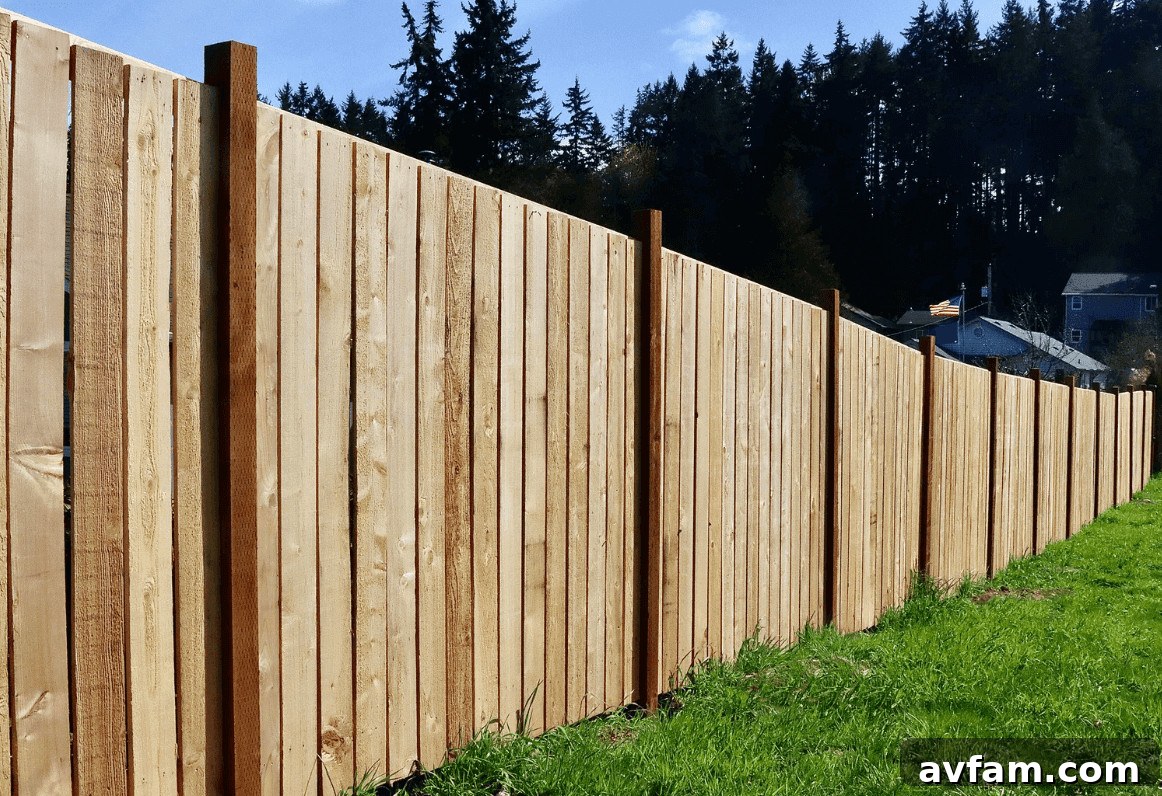
A thoughtfully chosen yard fence can transform a home’s appearance and enhance outdoor living. Selecting the right wood fence style adds curb appeal, clearly defines property lines, and complements your house’s architecture. Wood remains a favored choice thanks to its natural warmth, versatility, and ability to be customized to any design preference.
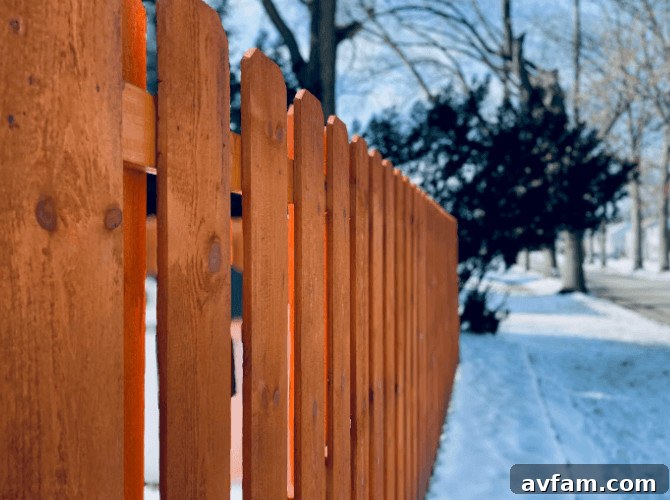
Classic Picket Designs for Front Yards
Classic picket fences suit traditional front yards by offering a welcoming, timeless look that doesn’t block the view. Picket fences define the property line while maintaining an open, friendly feel that enhances curb appeal.
Picket spacing and finishes allow for customization: narrower gaps give more privacy, while wider spacing opens sightlines. A crisp white paint provides a classic, bright appearance, whereas a clear or tinted stain highlights the wood grain and natural color. Scalloped tops add a soft, decorative curve along the street-facing edge, introducing subtle interest without overwhelming the facade.
Complete Privacy with Vertical Planks
When privacy is the top priority in backyards, solid vertical plank fences are a practical choice. Board-on-board or closely fitted vertical planks help prevent gaps that can form as wood naturally shrinks and expands with changing seasons, maintaining a consistent, private barrier.
This style can present an attractive appearance on both sides of the property line, which is useful for shared boundaries. Solid vertical panels also dampen wind and street noise, creating a calmer, more secure outdoor space for family activities and pets.
The Modern Appeal of Horizontal Slats
Horizontal slat fences provide a modern, streamlined aesthetic. Run horizontally, boards visually widen small yards and create clean lines that pair well with minimalist architecture. You can choose wider boards for a bold, contemporary statement or thinner slats for a lighter, refined look. Mixing board widths creates texture and visual interest without complicating the overall design.
Adjusting the spacing between horizontal slats lets you control light, airflow, and privacy. Tighter spacing increases seclusion, while modest gaps allow breeze and filtered light into the yard. This flexibility makes horizontal designs ideal for homeowners who want both style and function.
Lattice Top Panels for Elegant Accents
If you want both privacy and decorative flair, combining a solid lower section with a lattice top offers a balanced solution. A lattice top—whether diagonal or square—lets sunlight reach garden beds and supports climbing plants, helping the fence blend with surrounding greenery.
Diagonal lattice provides a traditional, ornamental touch, while square lattice complements more geometric, contemporary landscapes. The open pattern at the top keeps the fence from feeling too heavy and preserves an airy sense in the yard while maintaining overall security.
Post and Rail Styles for Open Spaces
Post and rail fences work well on larger properties, farms, and rural lots where preserving expansive views is important. These open designs clearly mark boundaries without creating a solid visual block, keeping the landscape connected to its surroundings.
Split rail fences add rustic charm, while round-rail configurations suit ranch-style homes. For containing small animals, you can add wire mesh behind the rails. Post and rail fences also tend to require less material than full privacy barriers and can be installed efficiently across long distances.
- Two-rail configurations for modest, low-profile boundaries
- Three-rail setups for typical livestock containment and visual definition
- Four-rail designs for increased strength and a more substantial presence
This style maintains openness and complements natural scenery while clearly defining your property.
Choosing the Best Lumber Types
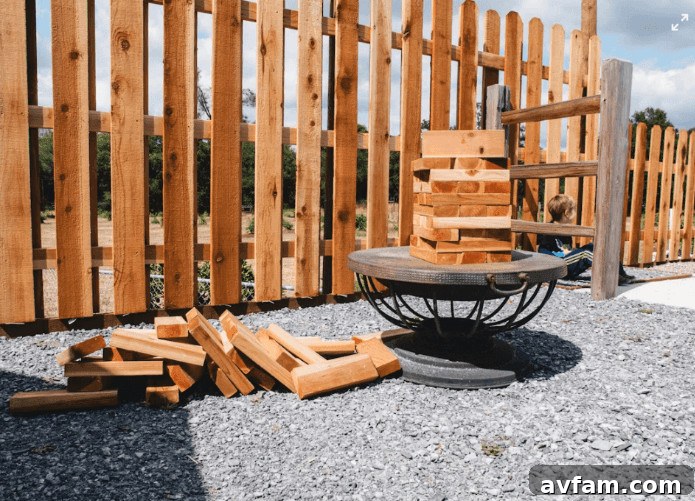
Selecting the right wood species affects how long a fence lasts and how much maintenance it will need. Different woods vary in natural durability, resistance to moisture and insects, and susceptibility to warping.
Cedar is popular because it contains natural oils that resist rot and insect damage and tends to remain stable through seasonal changes. Its warm tones and aroma make it a common choice for those who want both beauty and performance. Pressure-treated pine is often chosen for larger projects as a cost-effective option; chemical treatment helps protect it from decay and pests.
When comparing lumber options, consider these factors:
- Resistance to moisture and insect damage
- Local availability and environmental suitability
- Material and installation costs relative to your project size
- Maintenance frequency and long-term durability
Investing in quality materials and proper installation reduces future repair needs and preserves the appearance of your property for years to come.
Strategic Placement and Property Lines
Confirming your property lines before installing a fence prevents future disputes. A professional survey identifies official boundaries so you can place posts and panels correctly. Also check local zoning and homeowners association rules for maximum allowable fence heights and setback requirements.
Front yard fences often face stricter height limits than backyard panels; typical guidelines may limit front fences to lower heights to maintain neighborhood sightlines, while backyard privacy fences are commonly taller to provide seclusion around patios and pools. Installing posts inside your property line and orienting the finished side toward the street keeps the exterior presentation tidy and neighbor-friendly.
Final Words
Choosing a wood fence is an effective way to boost both the appearance and function of your outdoor space. From classic pickets to contemporary horizontal slats and decorative lattice tops, wood adapts to many architectural styles. Prioritizing durable materials, thoughtful placement, and a design that fits your lifestyle ensures your fence will look great and perform well for many years.