
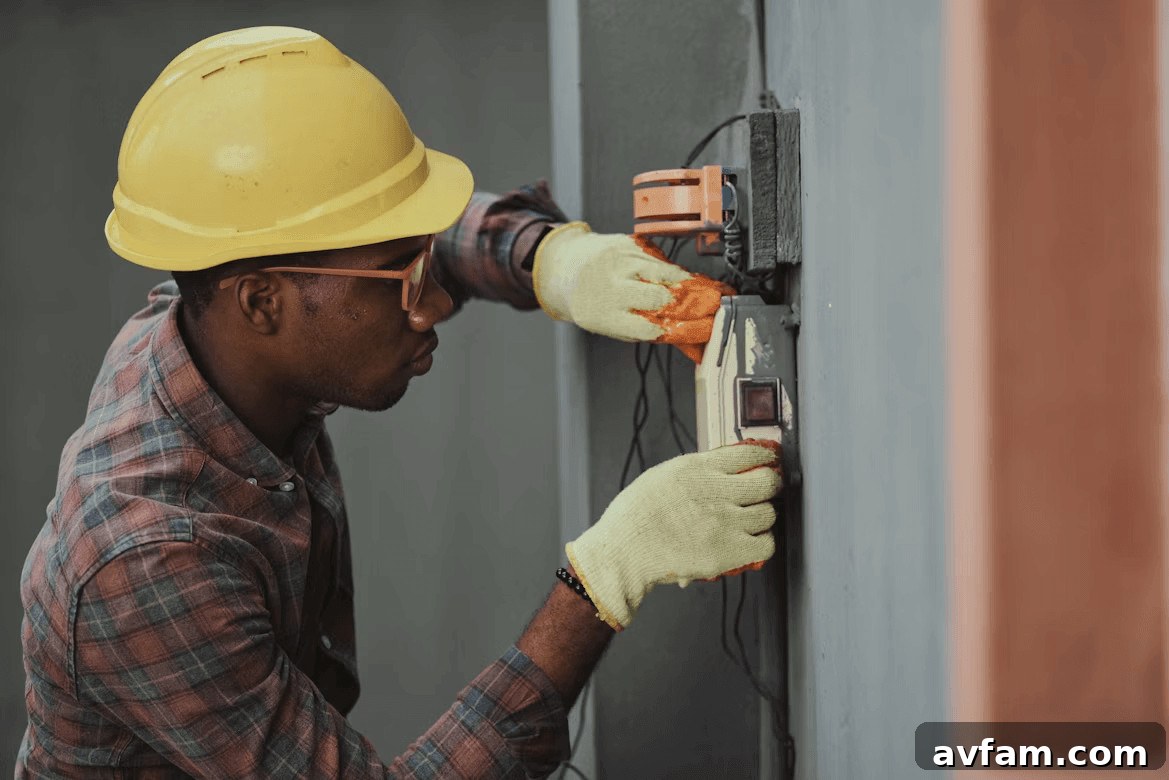
Every three years, thousands of electricians, engineers, and manufacturers meet to rewrite the rules that reduce fire risk and improve electrical safety in homes and buildings. This isn’t hyperbole: the National Electrical Code (NEC), used across much of the country, is updated on that cycle and each edition runs hundreds of pages. Those updates rarely make headlines, yet they determine everything from kitchen outlets to the wiring behind electric vehicle chargers.
What many homeowners don’t realize is that these codes are not issued by a distant bureaucracy. They are developed by the people who design, install, inspect, and produce electrical equipment. So when an electrician tells you your kitchen remodel needs GFCI outlets or that a panel upgrade requires different breakers, it’s usually because the industry—practitioners, inspectors, and manufacturers—worked through the change together and codified it.
What Actually Drives a Code Change?
Codes evolve for a few clear reasons: documented failures, rapid technological change, or hazards becoming too common to ignore. A good example is arc-fault circuit interrupters (AFCIs). Investigations repeatedly found fires caused by damaged or deteriorated wiring that conventional breakers did not detect. Over time the evidence mounted, fire officials advocated for a solution, and the code adapted. The pattern is consistent: a problem gets documented, data gets gathered, and the next revision incorporates measures to address it.
Research and statistics play a big role. When organizations compile reliable data showing how often faulty wiring starts fires, code panels have the evidence needed to justify new requirements. Without solid data, proposed changes struggle to gain traction. Technology also forces updates. Two decades ago, few code panels considered rooftop solar everywhere or bidirectional EV chargers. As these technologies became common, rules evolved to reflect how people actually use electricity today.
Who Shows Up to Write the Rules?
The National Electrical Code is not the work of a single government office. It is developed through a public, consensus-driven process where anyone with a stake can submit proposals and committees of experts vote on them. The discussions include representatives from utilities, electrical contractors, fire marshals, labor organizations, testing laboratories, and consumer advocates. Manufacturers participate as well; while their commercial interest is clear, they often fund the testing and research that validate new products and safety approaches.
Contractor associations and trade groups play a central role in coordinating field experience and pushing practical, enforceable rules. Electricians in the field see component failures and installation problems long before they reach engineers or regulators, so their input helps ensure the code is realistic and installable. Much of this work is volunteer-driven: experienced tradespeople and inspectors donate time to sit on panels because effective codes depend on people who both enforce and install them.
A Recent Shift You Already Live With
You don’t need to read the NEC to notice its effects. Look at the outlets by your sink or in your garage—those are likely GFCI receptacles, required to reduce shock risk. Tamper-resistant receptacles, with internal shutters that prevent children from inserting objects, are another example. Initially greeted by builders as an extra cost, they are now standard in new homes and have helped reduce childhood electrocution incidents.
Workplace safety standards often mirror electrical code updates. Agencies that oversee construction safety commonly align their guidance with the code so that contractors trained for jobsite compliance also follow the same safety principles homeowners encounter in finished spaces. That parallel approach helps keep both workers and residents safer.
How to Know if a Change Actually Matters for Your Home
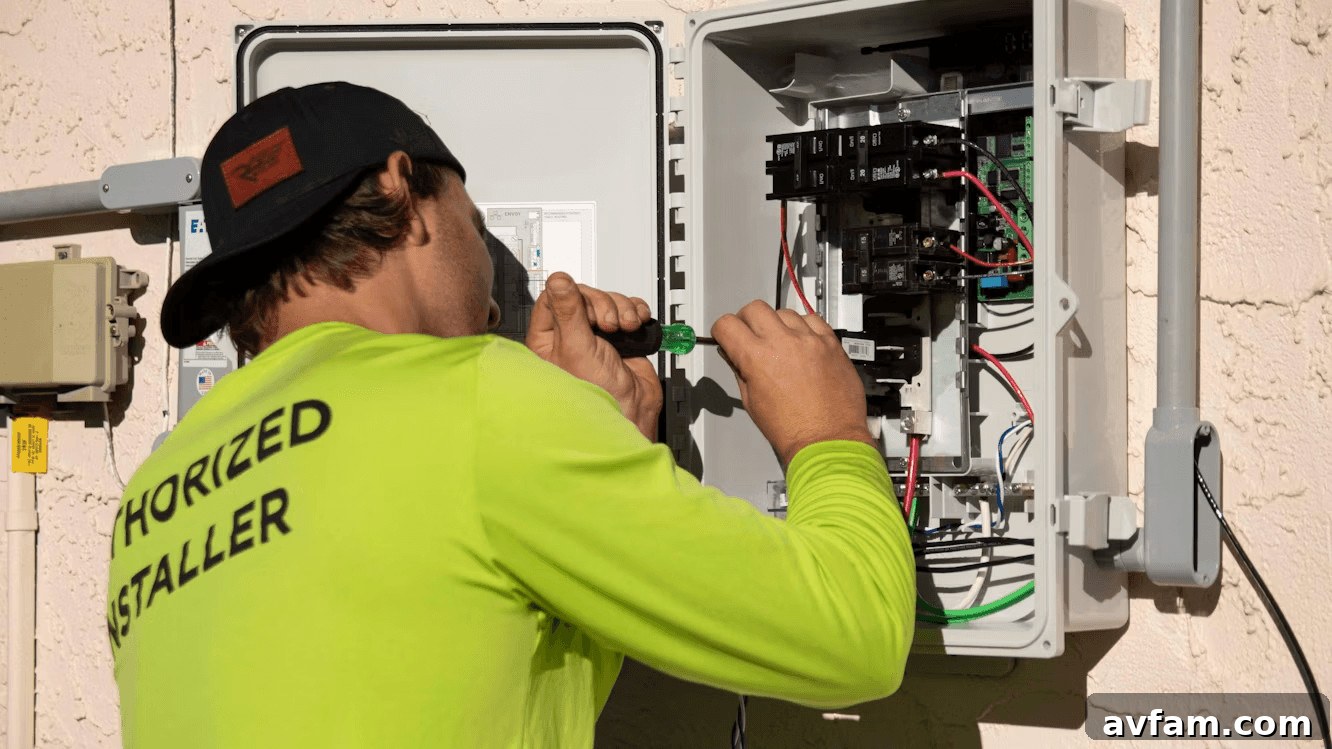
The practical question is when a code change affects you and when it mostly affects builders. In most areas, codes apply when you build new, renovate, or add to a home. Existing wiring generally remains legal until it is altered. In other words, stricter rules do not automatically make your current wiring noncompliant—you typically only have to meet the new standard when you perform work that triggers an inspection.
Still, a few recent changes are worth keeping in mind before hiring an electrician:
- Modern kitchen and bathroom circuit requirements often demand more dedicated runs, so older homes may need panel upgrades during significant remodels.
- Outdoor and garage outlets now require GFCI protection for new work, which can affect renovations even in houses originally built before the rule existed.
- EV charger installations have introduced new load-calculation rules, and many older panels lack the capacity for popular charger setups without an upgrade.
When a contractor cites a code requirement in an estimate, ask which edition of the code your jurisdiction has adopted. Many states adopt new editions on a delay, and a contractor quoting the very latest changes may be either anticipating future adoption or applying standards that are not yet required locally. Clarifying this ahead of time helps avoid surprises and unnecessary expense.
Why You Should Care About the Next Revision
The next NEC cycle is already in motion, and it will affect homeowners in ways that reflect current trends. Energy storage systems are a major focus. Battery backups used to be treated like commercial equipment; now batteries are increasingly installed in garages and utility closets, raising questions about fire containment, ventilation, and integration with the electrical grid.
Likewise, as more jurisdictions encourage or require electric appliances over natural gas, homes will see higher electrical loads from heat pumps, induction ranges, and electric water heaters. Those shifts drive new load-calculation practices and circuit requirements so homes can safely support modern electrification trends. Code revisions are essentially forecasts—decisions that assume how homes will use energy in coming decades.
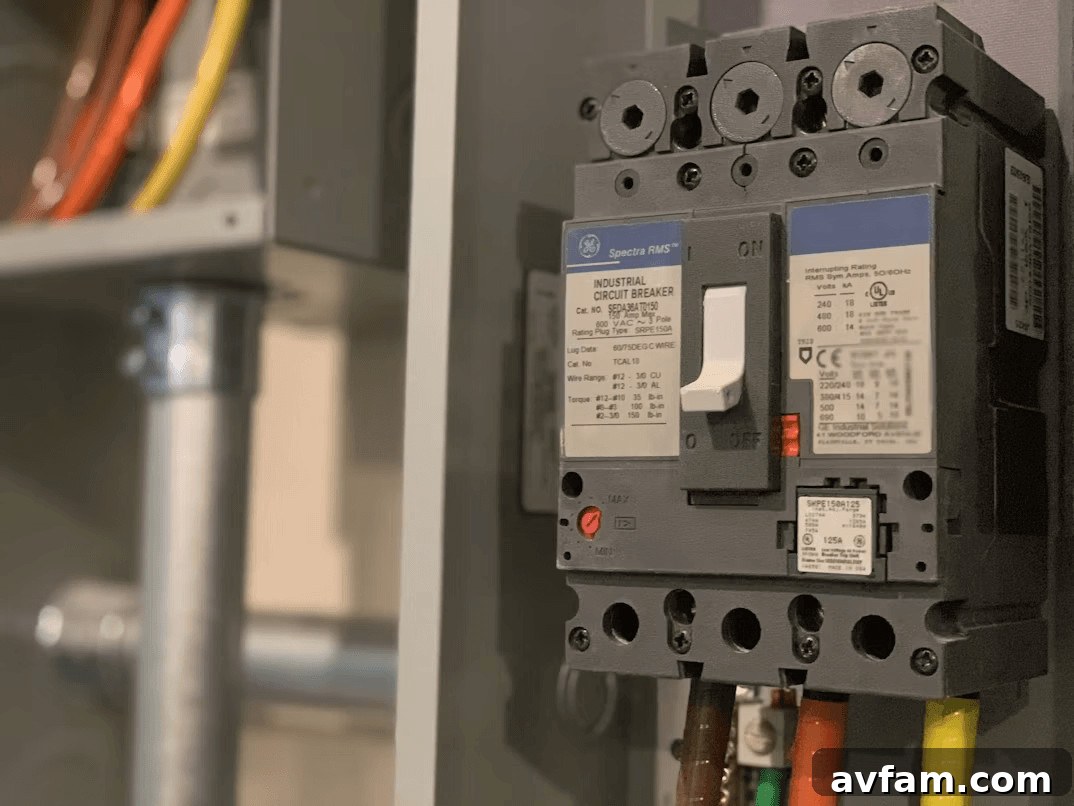
Every discussion about batteries, bidirectional charging, or higher household loads is a bet on future usage. The resulting code language aims to make those futures safer and more reliable for homeowners, contractors, and utilities alike.
What This Means When You Hire an Electrician
You don’t need to memorize the code, but you should hire a professional who stays current with it and can explain the reasons behind recommendations. A competent electrician will not just quote a price for a new panel; they will explain why your existing panel can’t support the added load and point to the specific code provisions that justify the upgrade. If they can’t provide that context, consider it a warning sign.
Also ask whether your local inspector enforces the most recent adopted edition and how strictly they apply it. Inspectors are the ones who actually enforce the code, and their interpretations affect what gets installed. Contractors familiar with local inspection practices can help you avoid failed inspections and costly rework.
When contractors grumble about new requirements, remember that constructive pushback is part of how the system improves. Field criticism helps identify impractical or harmful proposals before they become law. The code advances because the people it governs challenge and refine it.
So when an outlet in your home looks different from one in your parents’ house, there’s a reason: years of study, debate, and voting led to that change. The process is deliberate and sometimes messy, but it aims to make homes safer and electrical systems more resilient.