
Rediscovering an Icon: The Stunning 1969 Land Rover Series IIA Bugeye Restoration
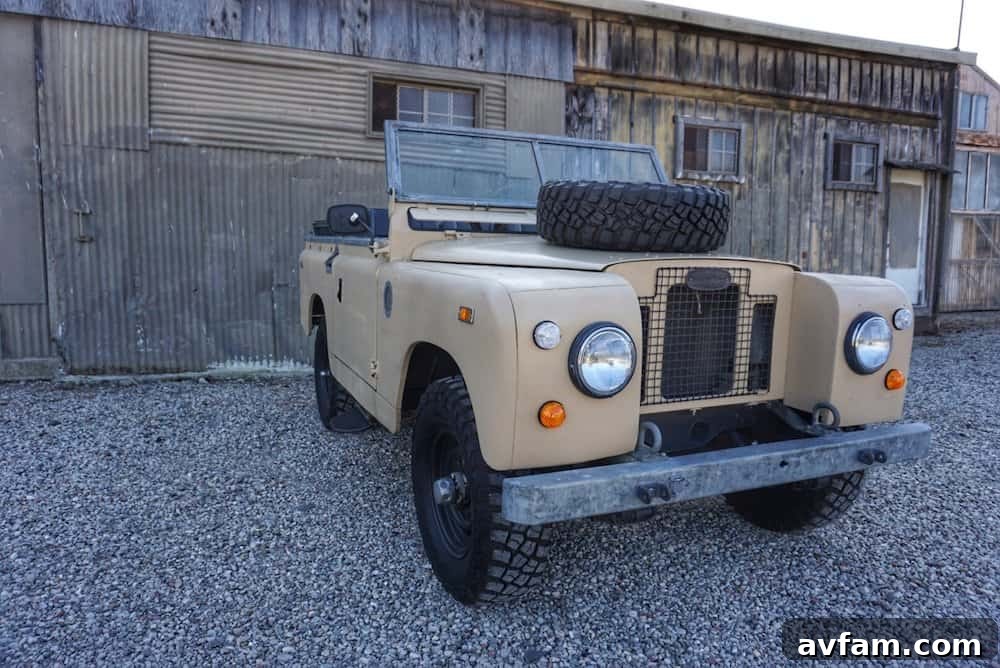
There are vehicles, and then there are legends. The Land Rover Series IIA undoubtedly falls into the latter category, a testament to rugged British engineering and an enduring symbol of adventure. Today, we’re thrilled to showcase a breathtaking example of this iconic 4×4: a meticulously restored 1969 Land Rover Series IIA Bugeye, brought back to life by our friend Scott Rouleau. This particular vehicle isn’t just a classic; it’s a rare North American Specification (NAS) model with a unique history and a distinctive feature that makes it exceptionally sought-after.
Long before “Discovery” became a model name in the Land Rover lineup, the thrill of exploration was intrinsically woven into the very fabric of the brand. If there was an uncharted path, a formidable terrain, or a distant horizon on this planet, a Land Rover was designed to get you there. This foundational ethos cemented Land Rover’s reputation as the ultimate go-anywhere vehicle, a heritage proudly carried by models like the Series IIA.
The Enduring Appeal of Vintage Land Rovers
In recent years, classic English 4x4s, especially vintage Land Rovers, have experienced a remarkable renaissance in popularity. They’ve captured the hearts of a diverse crowd, from urban enthusiasts seeking a distinctive ride to purists who appreciate their timeless utility. For every pristine Series IIA carefully parked in a spotless collector’s garage, there’s an equally cherished old workhorse fearlessly tackling mud, rocks, and remote trails. This duality speaks to the core essence of the Land Rover Series: a vehicle equally at home navigating city streets with classic charm or conquering the most challenging landscapes. They are more than just transportation; they are a lifestyle statement, a commitment to adventure, and a piece of automotive history.
The story of Scott Rouleau and Paul Livacz’s 1969 Series IIA Bugeye is a true testament to this enduring appeal and the passion of dedicated enthusiasts. This magnificent machine didn’t just roll off a production line; it was resurrected. After enduring 17 years of harsh exposure in the vast, unforgiving California desert, this particular Series IIA was rediscovered, a diamond in the rough waiting for its opportunity to shine again. Its resurrection from a dormant desert relic to the stunning vehicle we see today is a narrative of dedication, skill, and an unwavering love for these legendary machines.
An Exemplary Land Rover Series IIA Restoration
The journey to revive this classic Land Rover was no small feat. Scott Rouleau and Paul Livacz embarked on a comprehensive 7-month rehabilitation project, transforming what was essentially a desert shell into a vibrant, fully functional, and visually spectacular vehicle. The result is nothing short of remarkable. This Series IIA is not merely a showpiece; it’s driven daily, confidently navigating the roads of Santa Barbara, California. A rust-free example, a rare find given its age and previous dormancy, it happily cruises on the highway at 60 mph, a testament to its thorough and expert restoration.
Under the hood, this Series IIA retains its authenticity, powered by its original 2.25-liter 4-cylinder gasoline engine. This robust and reliable powerplant is mated to a classic 4-speed gearbox, offering an authentic driving experience that connects the driver directly to the vehicle’s heritage. The combination ensures dependable performance whether navigating urban environments or venturing off the beaten path, maintaining the true spirit of a vintage Land Rover.
Authenticity: A North American Specification (NAS) Gem
Adding to its unique appeal, this particular Land Rover boasts a clean California title and was not imported from overseas. This is an original North American Specification (NAS) example, delivered new to the United States back in 1969. The NAS designation is significant, as these vehicles were specifically configured for the North American market, often featuring unique elements. Importantly, it comes with the optimal left-hand drive configuration, making it perfectly suited for American roads and adding to its domestic provenance. The truck maintains its original sheet metal throughout, a crucial detail for collectors and purists, all sitting atop its solid original chassis. This commitment to retaining original components where possible, combined with meticulous restoration, ensures the vehicle’s historical accuracy and lasting value.
What Makes a “Bugeye” Land Rover So Special?
The term “Bugeye” is a fascinating and highly descriptive moniker given to a very specific, rare variant of the late Series IIA models, produced during a brief period from late 1968 through early 1969. This distinctive design feature arose from a practical engineering challenge. Certain markets, particularly North America, began to implement stricter lighting regulations. Land Rover discovered that the standard recessed headlight placement, integrated into the front grille, was problematic. The inboard side of the vehicle’s wings (fenders) narrowed the scope of the light beam, causing it to fall short of new regulatory requirements for illumination. This created a dilemma for the British manufacturer.
To swiftly address this issue and comply with the updated regulations, Land Rover engineers devised a pragmatic solution: they relocated the headlights from their traditional recessed position on the grille to the very fronts of the wings. This change meant the headlights were mounted directly onto the surface of the front fender wing, causing them to protrude more prominently. This unique placement gave them a somewhat “unfinished” or distinctly protruding appearance, leading to the affectionate and now iconic nickname, “Bugeye.”
While later Series IIA and subsequent Series III models would incorporate bezels or more integrated designs for the relocated headlights, the original “Bugeye” design stood out for its stark, functional aesthetic. This immediate, rather than refined, solution to a regulatory problem inadvertently created one of the most distinctive and rare Land Rover variants. Production numbers for the “Bugeye” Series IIA were incredibly limited, with under a thousand made worldwide. This scarcity, combined with its unique visual identity and the story behind its creation, makes a “Bugeye” Series IIA an exceptionally valuable and celebrated piece of Land Rover history. Each one is a tangible link to a specific moment in automotive design and regulatory adaptation, making Scott Rouleau’s meticulously restored example even more significant.
The Allure of the Classic Land Rover Driving Experience
Driving this 1969 Land Rover Series IIA Bugeye is more than just operating a vehicle; it’s an immersive experience. The unadulterated rumble of its original engine, the tactile engagement of the 4-speed gearbox, and the commanding view from its utilitarian cabin transport you back to an era of pure, unfiltered motoring. This Land Rover definitely turns heads, eliciting smiles, waves, and inquisitive glances wherever it goes. It’s a rolling conversation piece, a testament to a bygone era of automotive design where function dictated form, resulting in an aesthetic that has only grown more appealing with time. Whether cruising coastal roads or making a statement in urban centers, this Bugeye Series IIA exudes an unmistakable charm and rugged elegance.
For enthusiasts and collectors, a vehicle like Scott Rouleau’s restored 1969 Series IIA Bugeye represents the pinnacle of vintage Land Rover ownership. Its rarity, North American Specification provenance, rust-free condition, and the expert craftsmanship of its restoration combine to create a truly exceptional classic 4×4. It’s a vehicle that embodies both adventure and heritage, a symbol of durability and timeless design that continues to inspire awe and admiration.
Don’t miss the opportunity to learn more about this incredible machine and potentially make it your own. Check the full listing on Hemmings to see additional details, photos, and its availability. It’s a rare chance to own a piece of Land Rover history, a “Bugeye” Series IIA that truly stands apart.