
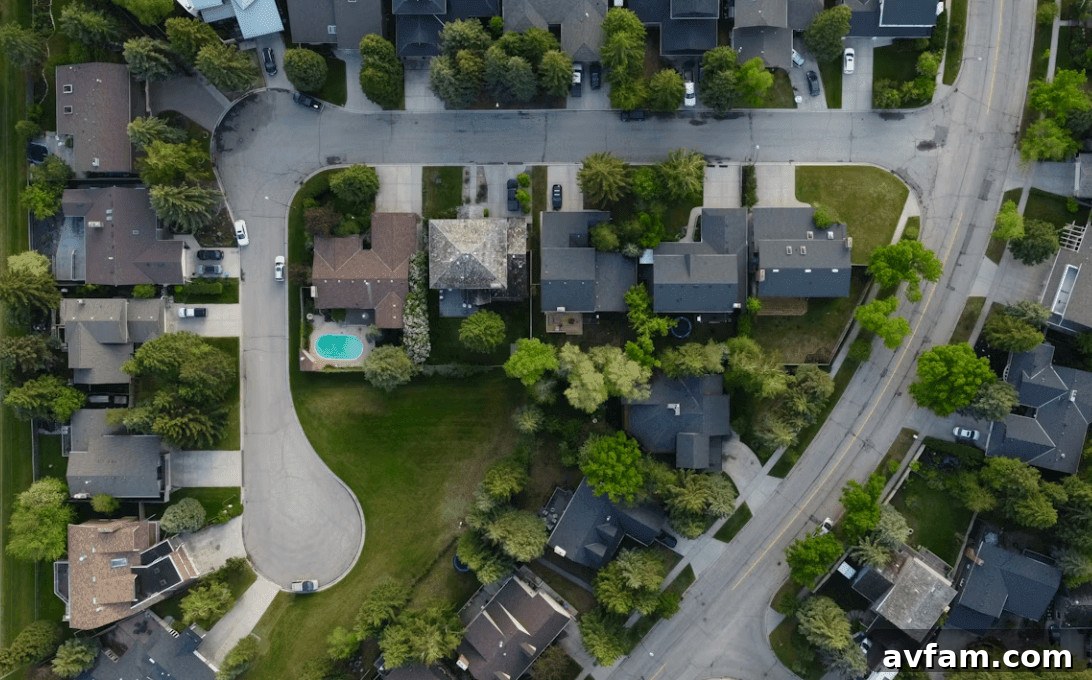
Living close to neighbours offers clear social benefits, yet shared spaces often lead to small tensions. Noise, unclear boundaries, and joint maintenance responsibilities commonly cause disagreements between property owners and residents.
Avoiding minor issues becoming major disputes depends on clear rules, timely communication, and practical planning. Simple, consistent strategies preserve calm relations and help protect property values over time.

Understanding Shared Property Boundaries
Well-defined boundaries prevent many everyday property conflicts. Knowing exactly where your land ends and a neighbour’s begins reduces the risk of accidental encroachment when building sheds, planting trees, or installing fences. If boundary lines are unclear, a recent survey or boundary certificate provides definitive evidence and reduces uncertainty.
If you share common areas or live in a strata scheme, review local regulations and governing documents before starting renovations or upgrades. Understanding body corporate or association rules and costs in advance prevents unwelcome financial surprises when shared repairs or replacements are needed. Open dialogue with neighbours about planned projects keeps small misunderstandings from escalating.
Minor issues—overhanging garden beds, temporary sheds, or new tree plantings—are easily resolved with simple written agreements. A short note or email that identifies responsibilities for maintenance and boundaries can prevent roots or structures from damaging foundations or creating disputes years later.
Setting Clear Boundaries for Noise Levels
Noise complaints are among the most frequent sources of friction in multi-unit buildings and close-knit streets. Late-night parties, power tools, loud music, and persistent pets all affect neighbours’ ability to enjoy their homes. Establishing agreed quiet hours and sensible noise rules protects everyone’s right to peaceful living.
Simple courtesy goes a long way: send a quick text or knock on a neighbour’s door before hosting a gathering, and let them know if you expect higher-than-usual noise for a short period. Most people appreciate an advance notice and are willing to be accommodating if informed.
Practical soundproofing measures inside your home also make a big difference. Installing thicker rugs, using soft furnishings, or adding wall insulation reduces sound transmission between floors and adjoining walls. Small, considerate changes show you respect those living nearby and can prevent formal complaints.
Managing Shared Fences and Retaining Walls
Dividing fences and retaining walls need regular upkeep to remain safe and structurally sound. Weathering, rot, and age will eventually require repair or replacement. Planning replacement projects together ensures both parties agree on materials, style, and contractor selection.
Many jurisdictions assign shared responsibility for boundary structures, meaning neighbours split maintenance and repair costs. Agreeing on a fair cost-sharing arrangement and documenting it in writing protects relationships and avoids surprises.
Practical steps include obtaining multiple written quotes from licensed contractors, agreeing on a timeline, and documenting the chosen scope of work. A clear written plan makes expectations explicit and reduces the risk of disputes over costs or workmanship.
Handling Parking and Vehicle Space Disputes
Driveway access and visitor parking are common sources of daily annoyance in multi-unit complexes. Vehicles blocking shared driveways create safety issues and can delay people trying to leave for work. Observing marked spaces and agreed parking rules prevents most conflicts.
Basic parking etiquette helps maintain access for residents, emergency vehicles, and deliveries:
- Park only in spaces assigned to your unit or in clearly designated visitor spots
- Inform guests where guest parking is located and ensure they comply
- Avoid storing unregistered, non-operational, or abandoned vehicles in shared areas
If a neighbour repeatedly blocks your access, start with a friendly conversation. Calmly explaining how blocked driveways disrupt routines is usually more effective than leaving angry notes or immediately involving enforcement. Polite, direct communication often leads to quick, cooperative solutions.
Resolving Common Area Maintenance Issues
Shared gardens, hallways, and trash storage areas need ongoing attention to stay safe and attractive. Cluttered corridors and overflowing bins create hazards and reduce the appeal of the entire property. Keeping common areas tidy shows respect for everyone who lives there.
Distributing maintenance tasks evenly avoids resentment. Rotating schedules for lawn mowing, bin duties, or light cleaning ensures workloads are shared. A small, well-managed maintenance fund for routine repairs helps avoid sudden out-of-pocket expenses when something breaks.
Consistent contributions and transparent financial planning for shared assets make it easier to maintain the property in good condition year after year and reduce conflict over unexpected bills.
Navigating Formal Mediation for Complex Conflicts
Even with the best intentions, some disputes escalate beyond informal conversations. When issues remain unresolved, formal mediation provides a structured, neutral process to find a workable solution without resorting to adversarial legal action.
Mediation is often recommended or required by local authorities before disputes reach tribunals or courts in multi-dwelling settings. Bringing documentation—photos, written notes, dated complaints, and repair estimates—strengthens your case and helps mediators assess the situation objectively. A mediated agreement that is recorded in writing gives both parties clarity and enforceable expectations going forward.
Promoting Positive Long-Term Neighbour Relations

Investing effort into friendly, everyday interactions reduces the likelihood of conflict. Simple gestures—greeting neighbours, offering to collect mail while someone is away, or sharing seasonal tips—build goodwill and trust. When problems arise, those positive connections make conversations easier and more productive.
Clear, respectful communication remains the single most effective tool for managing shared property. Addressing concerns early and collaboratively prevents small annoyances from turning into long-term hostility. Practical cooperation, defined boundaries, and shared responsibility protect both your investment and your quality of life.
Taking constructive steps now—agreeing on rules, maintaining shared spaces, and communicating openly—creates a harmonious living environment that benefits everyone who shares the neighbourhood and property.