

If you enjoy weekend DIY projects and pay attention to small details around the house—a hairline crack in drywall, a soft spot in the subfloor, or a faint hum near the water heater—you probably know that the same attention is needed below the surface. Pests don’t care how attractive your renovation looks. They seek wood, moisture, and quiet places to establish colonies, and if left unchecked they can undo years of careful home improvement at a cost far greater than a scratched countertop.
That threat is especially real in desert communities, where local building materials, climate, and soil create pest pressures uncommon in other regions. Homeowners searching for Sahuarita pest control face different risks than those in humid Midwest suburbs. The kinds of mistakes that lead to structural damage tend to be specific to this environment, and understanding those local conditions is the first step in protecting your home’s structure and resale value.
Why Sahuarita’s Desert Climate Creates Unique Pest Pressures
Warm, dry weather might seem like it would limit pests, but many species adapt well to arid climates and remain active throughout the year. Termites, scorpions, and rodents all tolerate heat and find shelter in block walls, foundation gaps, and shaded interiors. During the hottest months scorpions take refuge in hollow blocks and crevices, while rodents exploit any opening that leads to cooler rooms. Monsoon season complicates things further: sudden moisture after long dry spells creates prime conditions for termite swarms and for fungal decay in wood already stressed by repeated heating and cooling.
Homes built on the edge of undeveloped desert are particularly vulnerable. Construction removes native vegetation that termites feed on, driving colonies toward the nearest wood—often the house itself. Researchers have documented this behavior in the region, and it explains why houses that look sound on the outside can hide significant damage within a few years of construction.
The Most Costly Mistake: Ignoring Early Warning Signs
The most expensive error homeowners make is waiting too long to address small, easy-to-dismiss signs. Mud tubes along foundation walls, little piles of sawdust-like material near baseboards, or wood that sounds hollow when tapped are not merely cosmetic concerns. These signs point to active colonies that may have been working for a long time. Subterranean termite colonies can number in the tens of thousands and act continually, so a delay of just a few weeks or months can turn a targeted treatment into extensive structural repairs involving support beams or subfloor replacement.
That temptation to “wait and see” is understandable, especially when visible damage seems minor. However, pest colonies rarely stay small. Subterranean termites are the most common and destructive termites in the arid Southwest, and when natural food sources disappear after development, they often turn to attacking nearby homes. Early detection and prompt action are essential to avoid large, avoidable expenses.
Misidentifying Pests and Applying the Wrong Treatments
Not all termites behave the same, and using the wrong remedy can make things worse. Desert subterranean termites live in soil-based colonies and require sustained moisture contact; they are usually controlled with bait systems or soil treatments applied around the foundation. Drywood termites, in contrast, live entirely within infested wood and need localized treatments or fumigation rather than soil-based methods. Applying a subterranean solution to a drywood infestation—or vice versa—often accomplishes little while the colony continues to grow.
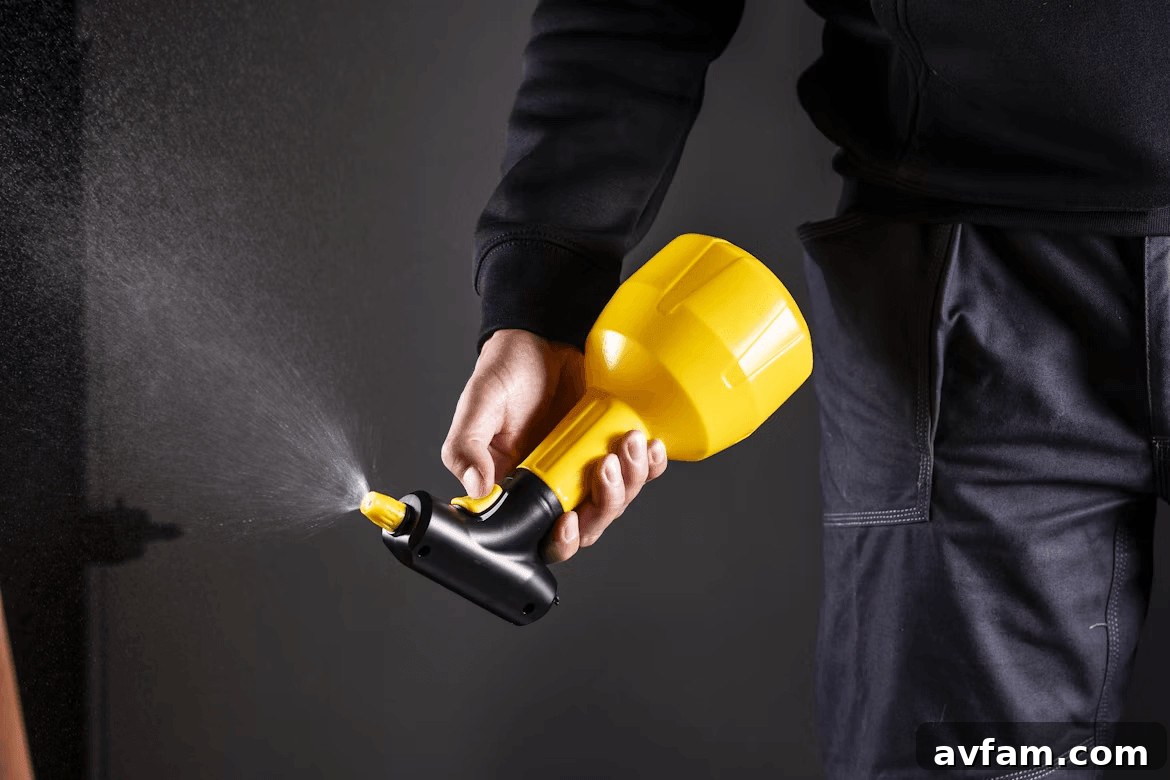
Many over-the-counter sprays are repellents rather than eradication tools. These products can drive termites deeper into wall cavities or trigger “budding,” where the colony splits into several smaller groups that are harder to find and treat. That is one reason homeowners who rely mainly on store-bought sprays often experience repeat infestations: the underlying colony was never eliminated.
Overlooking Landscaping and Moisture Issues Common in Sahuarita
Common construction elements in southern Arizona, like block walls, create hollow cavities that pests find inviting—especially when small foundation cracks provide access. Irrigation systems for desert landscaping can accidentally create moist pockets next to foundations, supplying subterranean termites with the damp soil they need. Mulch piled against exterior walls worsens the problem by retaining moisture and offering a direct pathway for pests to travel from soil to structure without exposure.
Seasonal temperature swings cause building materials to expand and contract, gradually widening gaps and creating new entry points that didn’t exist at construction. Homeowners who schedule inspections around local weather patterns—particularly before and after monsoon season—are more likely to discover issues while repairs are simple and inexpensive.
| Statistic | Figure |
| Growth in residential pest control accounts (2021-2025) | 69% increase, from 7.85 million to 13.29 million |
| Structural pest control industry revenue (2024) | $12.654 billion, up 7.9% from 2023 |
| Homeowners experiencing a pest infestation annually | Approximately 40% |
| Homeowners relying mainly on sprays despite repeat infestations | 54% |
| Average pest-related repair costs over five years | $650 per homeowner |
Taken together, these trends show that pest problems are growing more common and more costly nationwide, and desert climates like Sahuarita’s intensify those pressures. Protecting a home’s structure and resale value means recognizing the local factors—block wall construction, monsoon moisture cycles, irrigation placement—that make certain mistakes particularly damaging. Treat pest prevention with the same care you apply to renovations, and you’ll greatly reduce the chance of facing a five-figure repair bill down the road.