
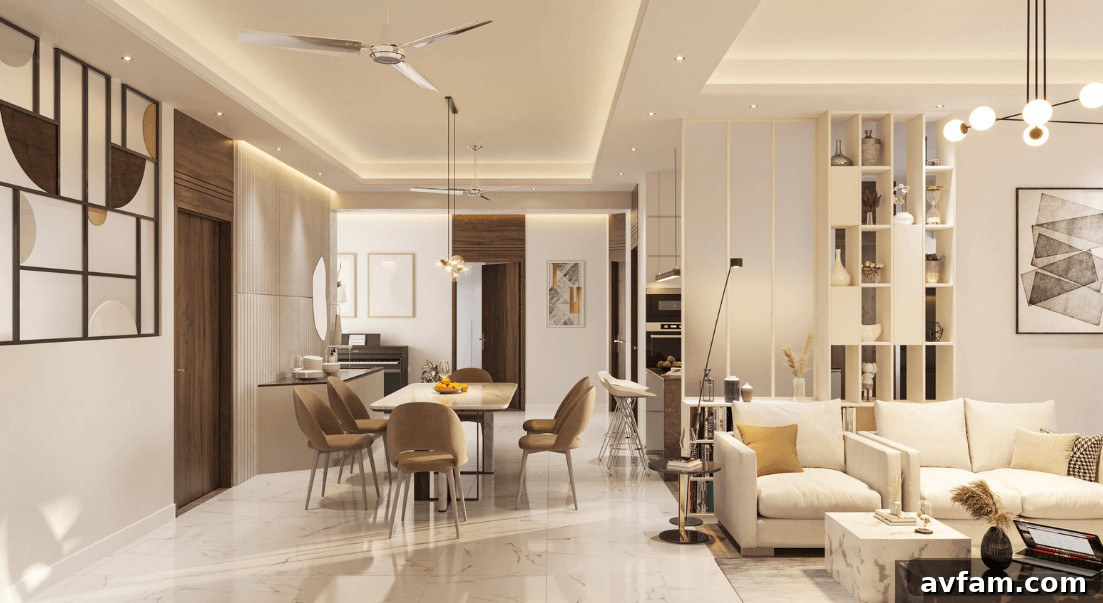
A truly high-end renovation is not just about choosing luxurious finishes. It begins with smart decisions made long before walls are opened or tiles are set. The difference between an ordinary remodel and a genuinely luxurious one lies in thorough planning, sound structural work, integrated systems, and custom elements that improve function and comfort. Many of the features that define a luxury renovation are hidden—built into the way the home is planned, coordinated, and executed.
Why a Luxury Renovation Starts Long Before Construction Begins
Think of a luxury home like a tailored suit: excellent materials matter, but the fit is what makes it feel right. High-end renovations start with careful planning of the layout, infrastructure, and construction details long before demolition or installation begins. This early work gives designers and builders time to resolve conflicts, verify dimensions, and finalize decisions when changes are still manageable and less costly.
Rushing through planning often forces compromises later in the process, making even expensive finishes feel less coherent. A deliberate preconstruction phase reduces surprises, avoids unnecessary change orders, and establishes a clear roadmap for the entire project.
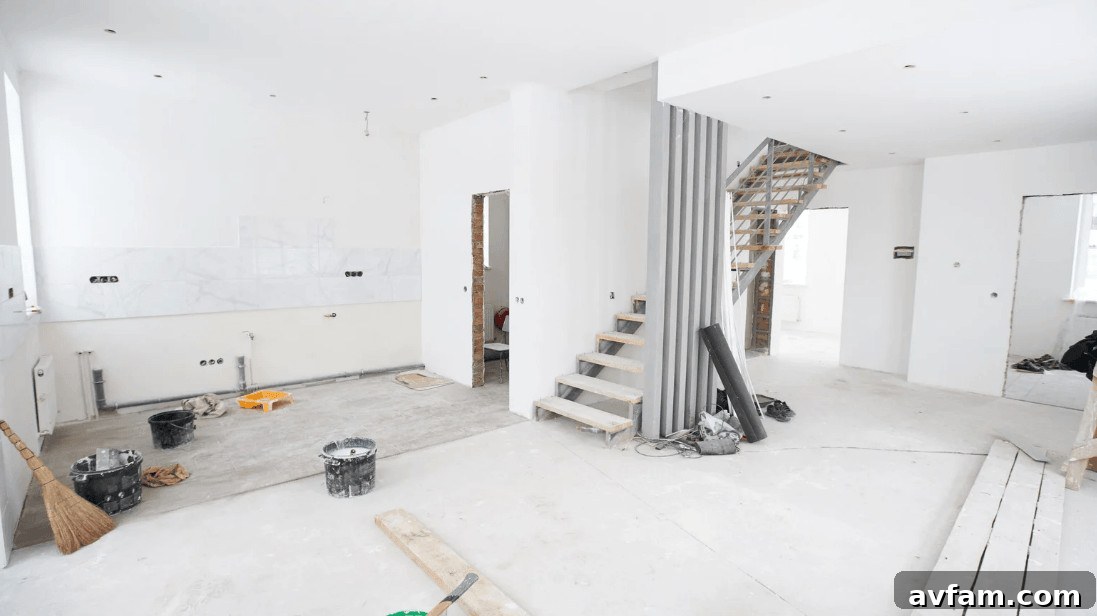
Designing the Layout Around How the Home Will Actually Be Used
A luxury home should support everyday life rather than serve as a static display. Effective layouts reflect how occupants live, work, and entertain, and they consider long-term needs as well as current preferences. For example, a serious home cook benefits from distinct work zones, ample prep surfaces, and space for larger appliances. A family might prioritize a wide island, durable counters, easy circulation, and room for homework or casual dining. Those different priorities demand different storage solutions, traffic patterns, and spatial organization.
The same principle applies to bathrooms, living rooms, bedrooms, and circulation routes. A well-thought-out plan anticipates movement, supports multiple activities, and creates appropriate privacy and visual connections between spaces.
Detailed Planning Matters More Than Costly Materials
High-quality materials add value, but they cannot fix fundamental planning mistakes. Expensive countertops or premium fixtures cannot make a poorly laid-out kitchen function smoothly if lighting, appliance placement, or circulation are flawed. Detailed planning addresses accurate measurements, structural needs, electrical and lighting layouts, plumbing routes, equipment locations, and installation requirements. Resolving these items before construction begins minimizes rework, reduces budget surprises, and ensures the final home performs as intended.
Bringing Design and Construction Together From the Beginning
A frequent cause of renovation headaches is a gap between the design team and the builders. When contractors and key trades are engaged too late, practical conflicts often arise during installation. Early collaboration lets everyone review dimensions, structural requirements, product lead times, mechanical and electrical needs, installation sequencing, and budget implications while changes are still straightforward.
In a high-end renovation, designs should be ambitious but also buildable. Early coordination identifies constructability issues, clarifies responsibilities, and produces detailed documentation that keeps the project on schedule and on budget.
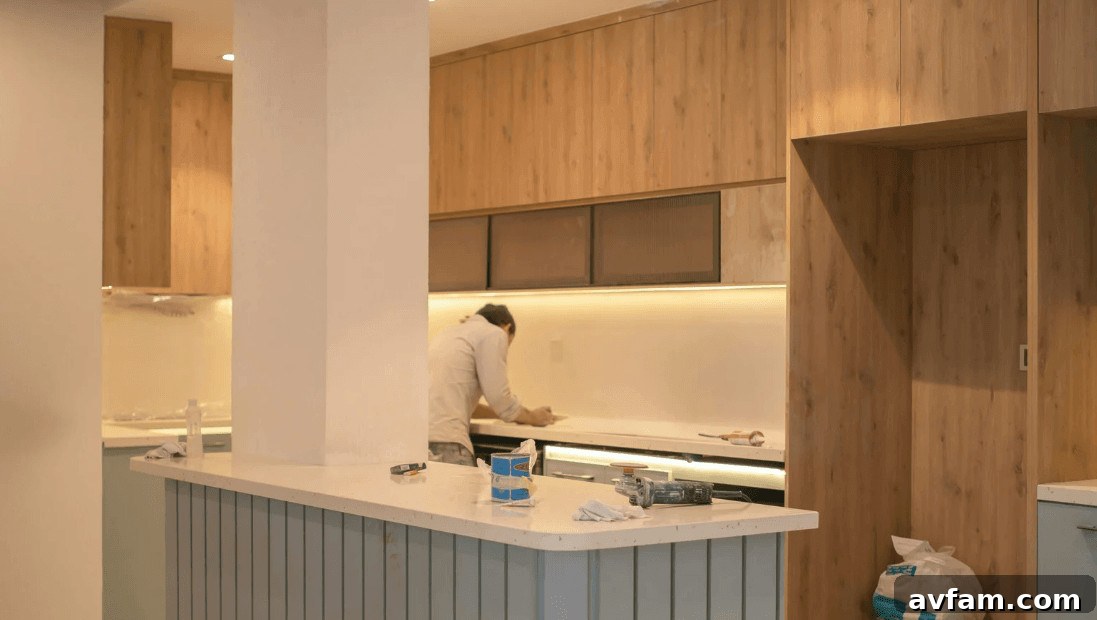
What Makes Custom Millwork, Cabinetry, and Built-Ins Feel Truly High-End
Custom millwork and cabinetry set luxury homes apart because they are tailored to the space, architecture, and intended use. Their value combines appearance with fit, storage efficiency, durability, and seamless integration with surrounding finishes. Well-designed custom pieces account for hardware, internal organization, appliance clearances, lighting, charging needs, service access, and smooth operation of doors and drawers.
Thoughtful detailing conceals utilities without restricting access and aligns cabinetry with walls, ceilings, trim, and adjacent materials. When millwork is executed well, it reads as part of the architecture rather than as standalone furniture.
Plan Lighting, Electrical, and Technology Before the Walls Are Closed
Lighting, electrical, and technology planning profoundly affects daily convenience and long-term flexibility. A layered lighting approach—combining ambient, task, and accent fixtures—supports different activities and moods better than a single overhead source. Planning outlets, data points, controls, and smart-home systems before drywall goes up keeps power and connectivity where they are needed and reduces visible cords and retrofit work.
Evaluating electrical load and service capacity early is important when adding high-demand equipment. Allowing for future upgrades during planning increases the home’s adaptability as technology evolves.
Choosing Materials for Performance, Longevity, and Timeless Appeal
Material selection should be guided by performance and suitability, not price alone. A high-end renovation uses materials appropriate for their location, expected wear, maintenance tolerance, and installation conditions. A surface that stains easily or requires impractical upkeep is a poor choice for high-traffic areas, no matter how costly it is.
Durability also depends on correct detailing and professional installation. Consider repairability, moisture exposure, cleaning needs, compatibility with adjacent materials, and the availability of replacement products. Timeless results typically come from choices that complement the home’s architecture and daily use instead of following short-lived trends.
Behind-the-Walls Upgrades That Define Renovation Quality
Many of the most important renovation decisions are hidden after completion. Insulation, air sealing, plumbing, electrical systems, HVAC equipment, waterproofing, and structural enhancements affect comfort, reliability, efficiency, and long-term maintenance. Proper attention to these systems improves performance and reduces the risk of avoidable problems after walls are closed.
Improvements such as increased insulation, proper air sealing, correctly sized HVAC systems, zoned heating and cooling where appropriate, and thoughtful plumbing installation all contribute to a more comfortable, efficient, and durable home. Addressing structural reinforcement, sound attenuation, and waterproofing in wet areas based on project needs also protects long-term value.
How Skilled Craftsmanship Turns Good Design Into a Luxury Finish
Even excellent design and materials can be undermined by poor installation. Skilled craftsmanship transforms plans, specifications, and materials into results that look intentional and perform reliably. Quality is evident in consistent joints, aligned trim and cabinetry, flat tile work, precise reveals, smooth finishes, and clean transitions between materials.
Experienced tradespeople understand tolerances, sequencing, substrate preparation, and how one installation impacts the next. Luxury workmanship is disciplined execution that supports both beauty and durability rather than superficial perfection alone.
Creating a Finished Home That Feels Cohesive Rather Than Overdesigned
A genuinely luxurious home feels composed, not cluttered by expensive features. Cohesion grows from a consistent design language that allows rooms to perform distinct functions while relating harmoniously through color, texture, proportion, and architectural detail. Execution matters as much as selection: built-ins that meet surrounding surfaces cleanly, consistent tile lines, even finishes, and deliberate transitions between flooring materials all reinforce a sense of intent.
When these elements come together—coordinated design, thoughtful materials, and careful installation—the result feels purposeful and effortless rather than a collection of premium items. That quiet, integrated quality is what distinguishes a luxury renovation.
Frequently Asked Questions
What makes a renovation feel truly high-end?
A high-end renovation combines careful planning, a functional layout, coordinated building systems, appropriate materials, custom detailing, and skilled installation. Together these elements create a home that feels refined and works well for daily life.
Why should design and construction teams collaborate early?
Early collaboration allows teams to review dimensions, structural needs, product lead times, mechanical and electrical requirements, installation sequencing, and budget impacts before work begins. This helps identify and resolve practical issues when changes are still straightforward.
What should homeowners consider when choosing materials?
Select materials for their expected performance in a given location: durability, maintenance needs, moisture exposure, repairability, compatibility with adjacent materials, and installation conditions all matter more than price alone.
Why plan lighting, electrical, and technology before walls are closed?
Planning these systems early places power, data, lighting, and smart controls where they are actually needed, minimizes visible wiring and later retrofits, and ensures the electrical design can support anticipated equipment loads.
How can homeowners recognize skilled craftsmanship?
Look for consistent joints, aligned trim and cabinetry, flat tile installations, accurate reveals, smooth finishes, clean transitions between materials, properly aligned hardware, and doors and drawers that operate smoothly. These details demonstrate disciplined execution and lasting quality.