

Homes feel more welcoming when they incorporate natural elements. Sunlight on a wood floor, a cluster of indoor plants by a window, or soft, organic textures can change a room’s atmosphere almost instantly. These details are often called biophilic touchpoints. Biophilic design is based on a simple idea: people generally feel calmer and more connected when interior spaces reflect the patterns, materials, and features found in nature.
Many homeowners think biophilic design requires major renovations or costly upgrades, but often the most effective changes are small and easy to maintain. Thoughtful updates can make a room feel brighter, softer, and more enjoyable on a daily basis without extensive work.
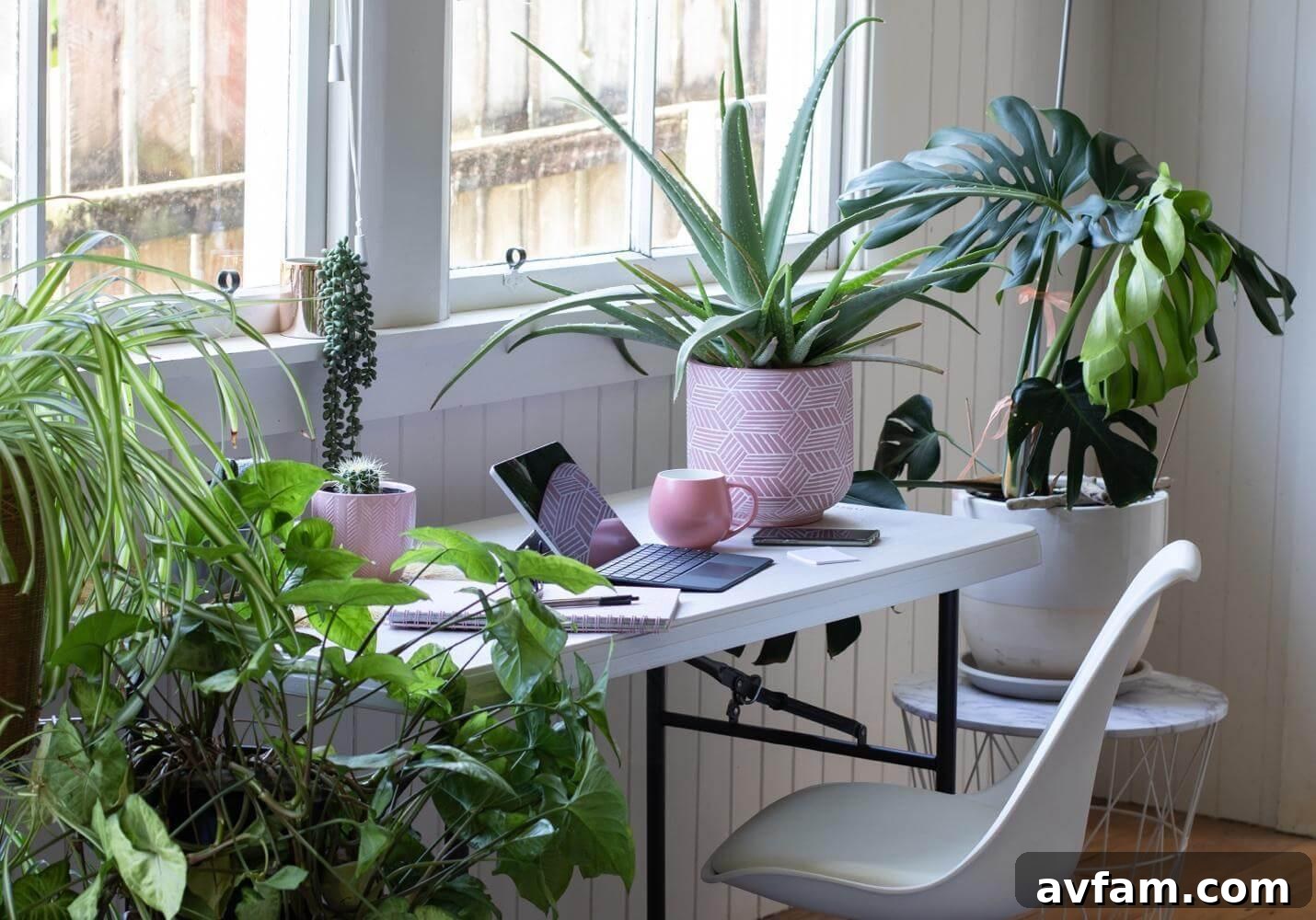
(photo credit: Microsoft Stock Images)
Let Natural Light Shape the Room
Natural light strongly influences how a home feels over the course of a day. Bright, well-lit spaces tend to feel cleaner, larger, and more inviting. Sunlight also creates subtle movement through shifting shadows and warming tones, which keeps rooms from feeling static.
There are simple ways to improve daylight without remodeling. Sheer curtains diffuse light evenly, mirrors placed opposite windows reflect light deeper into the room, and light-colored walls help maximize brightness. Keeping windows free of clutter also improves light distribution.
Prioritize rooms used most during daylight hours—kitchens, living rooms, and home offices benefit most from stronger natural light, since these spaces support daily routines and longer periods of activity.
Use Natural Materials to Add Warmth
Natural materials bring texture and balance to interiors. Wood, linen, stone, clay, and woven fibers create a warmer, more inviting atmosphere than glossy synthetic surfaces. They age gracefully, helping a space feel lived-in rather than overly polished.
You don’t need to overhaul a room to introduce these materials. A wooden bench at the entry, linen curtains in a bedroom, or woven baskets in a living area can shift the mood without adding clutter. Small, intentional additions are easier to maintain and integrate well with existing décor.
Layering textures—smooth stone next to soft fabric, woven materials beside painted walls—adds depth and prevents interiors from feeling flat or repetitive. These combinations create a relaxed, comfortable environment without relying on heavy decoration.
Add Greenery With Intention
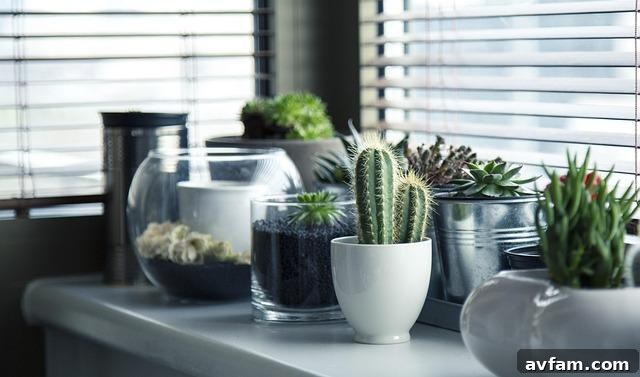
Plants are one of the simplest and most effective ways to add biophilic elements to a home. They introduce movement, color, and variety while making rooms feel calmer. Even a modest amount of greenery can soften hard edges and create visual balance.
Placement matters as much as the plants themselves. Instead of scattering small pots across every surface, group plants to form a clear focal point and avoid visual clutter. Larger floor plants suit empty corners, while a row of herbs on a kitchen sill adds both texture and function.
Choosing low-maintenance plants keeps upkeep stress-free. Varieties like snake plants, pothos, and peace lilies adapt well to indoor conditions and don’t need constant attention, making greenery a practical and lasting addition to busy households.
Strengthen the Connection Between Indoors and Outdoors
Biophilic interiors benefit from clear connections to the outdoors. Large windows are ideal, but smaller adjustments can also help. Keeping sightlines open allows exterior views to feel like an extension of the interior.
Nature-inspired color palettes—earth tones, muted greens, soft blues, and sandy neutrals—create a smooth transition between indoor and outdoor spaces. Landscape artwork or natural photography can reinforce this connection subtly, without making the room feel themed.
Furniture placement plays a role too. Avoid blocking windows with oversized pieces, which can make a room feel closed and darker. Many modern homes now include larger windows and covered outdoor areas to enhance the sense of openness and connection to nature.
Introduce Organic Shapes and Natural Patterns
Nature rarely relies on perfect symmetry. Organic shapes and gentle curves soften interiors and make them feel more relaxed. Rounded tables, curved chairs, textured rugs, and uneven finishes introduce variation that contrasts with sharp, rigid lines.
Patterns inspired by leaves, flowing water, or natural stone can support a biophilic approach when used sparingly. A patterned cushion, a textured wallpaper accent, or a curved lamp base can add contrast and warmth without overwhelming a space.
This strategy is especially useful in minimalist or modern settings, where straight lines and smooth surfaces can feel cold. Softer forms and natural patterns make a room feel more inviting for everyday living.
Think Beyond Visual Design
Biophilic design extends past appearance. Sound, airflow, and scent all shape how comfortable a home feels. Fresh air from open windows reduces the stuffy feeling that closed rooms can develop, especially in warm weather.
Natural scents tend to feel lighter and more pleasant than heavy artificial fragrances. Fragrant elements like cedar, eucalyptus, lavender, or citrus can create a calm atmosphere without becoming overpowering. Subtle natural sounds—rainfall, wind through trees, or a small indoor fountain—can also make a space feel quieter and more restorative.
Practical Ways to Bring Biophilic Design Into Your Home
Biophilic design works best when changes are natural and manageable. A full renovation isn’t necessary—start with one or two updates and build from there. Improving natural light, introducing grouped plants, and swapping synthetic textures for wood or woven materials can noticeably change a room’s mood.
Keep layouts open and reduce unnecessary clutter so natural features stand out. These smaller, deliberate choices create homes that feel more balanced, comfortable, and easier to enjoy every day.
Natural design elements have enduring appeal because they reconnect people with familiar textures, colors, and patterns found outdoors. When used thoughtfully, these touchpoints make interiors feel softer, brighter, and more welcoming without costly or dramatic changes.
Infographic: