
Lowe’s Smart Home Study: Unveiling Homeowner Desires for Connected Living
In an era where technology increasingly intertwines with daily life, the concept of a “smart home” has transitioned from science fiction to a tangible reality for millions. As consumers ponder the integration of innovative technologies into their living spaces, understanding their core needs and aspirations becomes paramount for retailers and innovators alike. Recognizing this crucial need, Lowe’s, a leading home improvement retailer, recently conducted an extensive smart home study involving over 2,000 adults. The primary objective of this comprehensive research was to delve into the minds of American homeowners and ascertain what truly matters to them when it comes to adopting emerging technologies within their homes.
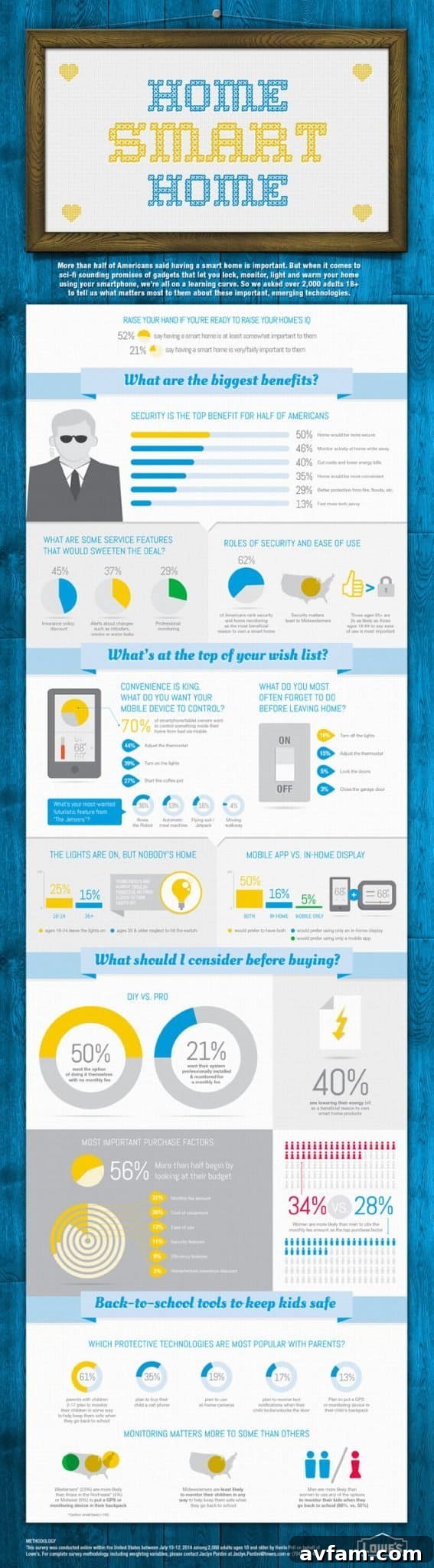
The findings from Lowe’s pivotal study offer invaluable insights into the evolving landscape of home automation. A significant revelation was that more than half of all Americans surveyed expressed that having a smart home is important to them. This widespread acknowledgment underscores a growing societal shift towards embracing connected living. However, beyond this general importance, the study meticulously explored the specific functionalities, benefits, and aspirations that constitute the ultimate “wish list” for most homeowners. This article will unpack these desires, offering a deeper understanding of the motivations driving smart home adoption and the features that truly resonate with today’s consumers.
Understanding the Modern Homeowner’s Smart Home Wish List
While the allure of a fully automated home is strong, the Lowe’s study helped pinpoint the practical and emotional drivers behind consumer interest. It’s not just about having the latest gadget; it’s about solving real-world problems and enhancing daily life in meaningful ways. Here are the core elements that emerged as critical priorities for homeowners:
1. Enhanced Security and Peace of Mind
Unsurprisingly, home security consistently ranks as a top priority for homeowners considering smart technology. The desire to protect one’s family and property is fundamental, and smart home systems offer unprecedented levels of vigilance and control. The study indicated a strong demand for technologies that provide peace of mind, both when residents are home and when they are away. This includes:
- Smart Door Locks: The ability to remotely lock or unlock doors, grant temporary access to visitors, or receive notifications about entry and exit points provides flexible control.
- Security Cameras: Indoor and outdoor cameras with advanced features like motion detection, night vision, two-way audio, and secure cloud storage enable homeowners to monitor their property from anywhere, anytime.
- Doorbell Cameras: Essential for screening visitors and packages, these devices provide instant visual and auditory alerts directly to a smartphone, enhancing front-door security.
- Smart Smoke and Carbon Monoxide Detectors: Offering proactive alerts to potential hazards, these smart detectors can often be linked to emergency services or provide self-diagnosis for battery life, ensuring constant protection.
- Water Leak Detectors: Preventing costly damage by alerting homeowners instantly to leaks from pipes, appliances, or potential flooding, saving both money and property.
These smart security features collectively offer a comprehensive layer of protection that often surpasses traditional systems, providing real-time awareness and the capability to respond swiftly to potential threats or environmental issues.
2. Energy Efficiency and Tangible Cost Savings
Beyond security, the practical benefits of saving money and reducing environmental impact are powerful motivators for smart home adoption. Homeowners are increasingly conscious of their utility bills and ecological footprint, making smart energy management solutions highly desirable. The Lowe’s study highlighted significant interest in technologies that promise to optimize energy consumption without sacrificing comfort:
- Smart Thermostats: Intelligent devices that learn household routines, optimize heating and cooling schedules, and can be controlled remotely, leading to substantial savings on energy bills. Some even integrate with local weather forecasts for proactive adjustments.
- Smart Lighting Systems: Allowing for remote control, scheduling, dimming, and even color changes, these systems dramatically reduce electricity consumption and extend bulb life. Motion-activated lighting further enhances efficiency by ensuring lights are only on when needed.
- Smart Plugs: By turning ordinary appliances into smart devices, these plugs enable remote control and scheduling, effectively preventing “phantom” energy drain from electronics in standby mode.
- Energy Monitoring Devices: Providing granular insights into household energy consumption patterns, these tools empower homeowners to identify waste, track usage in real-time, and make informed decisions to lower their carbon footprint.
The promise of a greener, more economical home resonates deeply with consumers looking for tangible financial returns on their smart home investments, coupled with environmental responsibility.
3. Unparalleled Convenience and Personalized Comfort
The allure of a more comfortable and convenient lifestyle is a significant driver for smart home adoption. Automating routine tasks and gaining effortless control over various home functions frees up valuable time and significantly enhances daily living. The study revealed a strong desire for solutions that streamline household management and elevate personal comfort:
- Voice Assistants: Seamless integration with popular platforms like Amazon Alexa or Google Assistant enables hands-free control of lights, thermostats, entertainment systems, and instant information retrieval, making interaction intuitive.
- Automated Lighting and Blinds: Systems that intelligently adjust based on the time of day, occupancy, or personal preference create an ideal ambiance, maximize natural light, and ensure privacy with minimal effort.
- Smart Appliances: From refrigerators that track inventory and suggest recipes to ovens that preheat remotely and washing machines that can be scheduled to run during off-peak hours, these devices contribute to seamless household management and efficiency.
- Multi-Room Audio Systems: Allowing for synchronized music playback throughout the entire home or personalized audio experiences in different zones, these systems transform the home into an immersive entertainment hub.
- Remote Control Capabilities: The overarching ability to manage various home systems (HVAC, lighting, security, appliances) from a smartphone or tablet, regardless of the user’s physical location, provides ultimate control and peace of mind.
For many, the ultimate smart home experience is one where the home anticipates needs, adapts effortlessly to preferences, and provides optimal comfort and convenience, truly elevating the living experience.
4. Seamless Integration and a User-Friendly Experience
While individual smart devices offer compelling benefits, the true power and appeal of a smart home lie in its ability to integrate various systems into a cohesive, easily manageable whole. The Lowe’s study indicated that homeowners are not just looking for disparate gadgets but for a unified ecosystem that works harmoniously. Key considerations for this integrated experience include:
- Interoperability: The critical ability for devices from different manufacturers and across various protocols (Wi-Fi, Zigbee, Z-Wave) to communicate and work together seamlessly without complex or frustrating setups.
- Intuitive Control Interfaces: Easy-to-use and well-designed mobile applications, clear physical dashboards, and responsive voice control are essential. These interfaces must make managing the entire smart home straightforward and accessible for all family members, regardless of technical proficiency.
- Reliability and Connectivity: A robust and stable Wi-Fi network, coupled with reliable device performance and consistent connectivity, is crucial to prevent frustration and ensure the smart home operates as expected at all times. Frequent disconnections or unresponsive devices quickly diminish the user experience.
A smart home that is complex to set up, prone to technical glitches, or difficult to operate quickly loses its appeal. Simplicity, seamless interaction, and dependable performance are paramount for long-term satisfaction and wider adoption.
Addressing Consumer Concerns: Paving the Path to Wider Adoption
Despite the high level of interest in smart home technology, the Lowe’s study implicitly highlights several common hurdles that often slow widespread adoption. Understanding and proactively addressing these concerns is vital for both manufacturers and retailers to expand the market successfully.
- Cost of Entry: While many individual smart devices are becoming more affordable, outfitting an entire home with a comprehensive system can still represent a significant initial investment. Consumers are looking for clear value propositions and transparent returns on investment.
- Privacy and Data Security: With connected devices collecting an increasing amount of personal data (e.g., habits, location, conversations), homeowners are rightly concerned about how their information is used, stored, and protected from potential cyber threats and unauthorized access.
- Technical Complexity: A significant portion of potential users harbors fears that smart home technology is too complicated to install, configure, or operate, especially when attempting to integrate multiple devices from various brands.
- Obsolescence and Future-Proofing: Concerns about devices becoming outdated quickly, proprietary platforms being discontinued, or lack of forward compatibility can deter consumers from making long-term investments in smart home infrastructure.
- Reliability and Troubleshooting: The frustration stemming from devices not connecting, mobile applications crashing, or entire systems failing to perform as expected can quickly diminish the perceived value and enjoyment of the smart home experience.
Addressing these legitimate concerns through clearer product communication, enhanced security protocols, simplified installation processes, robust customer support, and continuous software updates will be essential for the sustained growth and broader acceptance of the smart home market.
Lowe’s Commitment to the Evolving Smart Home Ecosystem
Lowe’s has long been at the forefront of providing homeowners with innovative solutions for enhancing their living spaces, and its steadfast commitment to the smart home sector is evident through proactive initiatives like this comprehensive study. By actively seeking to understand and respond to evolving consumer priorities, Lowe’s aims to curate a product offering that truly meets the diverse needs and aspirations of its customers. Whether it’s providing a wide array of smart devices from leading brands, offering professional installation services, or guiding customers through the selection and integration process, Lowe’s plays a critical role in demystifying smart home technology and making it accessible to a broader audience. This ongoing dedication ensures that as the smart home landscape continues to evolve and innovate, homeowners have a trusted resource to help them navigate their options and confidently build the connected home of their dreams.
The Future of Smart Living: Beyond the Current Wish List
The profound insights garnered from Lowe’s smart home study not only reflect current desires but also provide crucial indicators for the future trajectory of connected living. As technology continues its rapid advancement, we can anticipate an even greater emphasis on several key areas:
- Proactive Automation: Future smart homes will not merely respond to direct commands but will intelligently anticipate needs based on learned behaviors, real-time environmental data (like weather and traffic), and even predictive analytics, creating truly autonomous living spaces.
- Enhanced Health and Wellness Integration: Devices will increasingly focus on monitoring not just the home, but also its occupants’ well-being. This includes advanced air quality monitors, integrated sleep pattern trackers, and systems that provide personalized reminders for healthy habits, seamlessly blending into the home environment.
- Sustainable Living Focus: There will be a stronger integration with renewable energy sources, sophisticated smart grid technologies, and highly efficient water conservation systems, pushing homes towards greater self-sufficiency and minimal ecological impact.
- Hyper-Personalization: Smart homes will evolve to adapt uniquely and dynamically to the individual preferences and routines of each resident, fostering truly bespoke and deeply personal living experiences that cater to diverse needs within a single household.
- Improved Accessibility: Future technologies will be specifically designed to make homes more accessible, intuitive, and manageable for individuals with disabilities, the elderly, and those with specific mobility challenges, thereby promoting greater independence and quality of life.
The journey towards a fully intelligent and integrated home is continuous and dynamic, perpetually driven by evolving consumer demand for convenience, robust security, unparalleled efficiency, and a lifestyle that technology effortlessly enhances. Studies like the one conducted by Lowe’s are invaluable in shaping this future, ensuring that technological innovation remains deeply aligned with fundamental human needs and aspirations.
Conclusion: Building the Smart Homes of Tomorrow
Lowe’s pioneering smart home study provides a clear and actionable roadmap for the industry, strongly emphasizing that while the transformative potential of smart technology is vast, its successful adoption hinges on effectively addressing practical homeowner needs and alleviating common concerns. The significant finding that over half of all Americans value a smart home is a powerful indicator of a receptive and growing market. However, it is the specific, articulated desires for enhanced security, tangible energy savings, and unparalleled convenience that truly define the modern homeowner’s smart home wish list. As technology continues to advance at an astonishing pace, and as forward-thinking retailers like Lowe’s continue to attentively listen to and integrate customer feedback, the vision of a seamlessly connected, intuitive, and profoundly beneficial smart home will continue to evolve, making our living spaces not just smarter, but truly better and more responsive to our lives.