
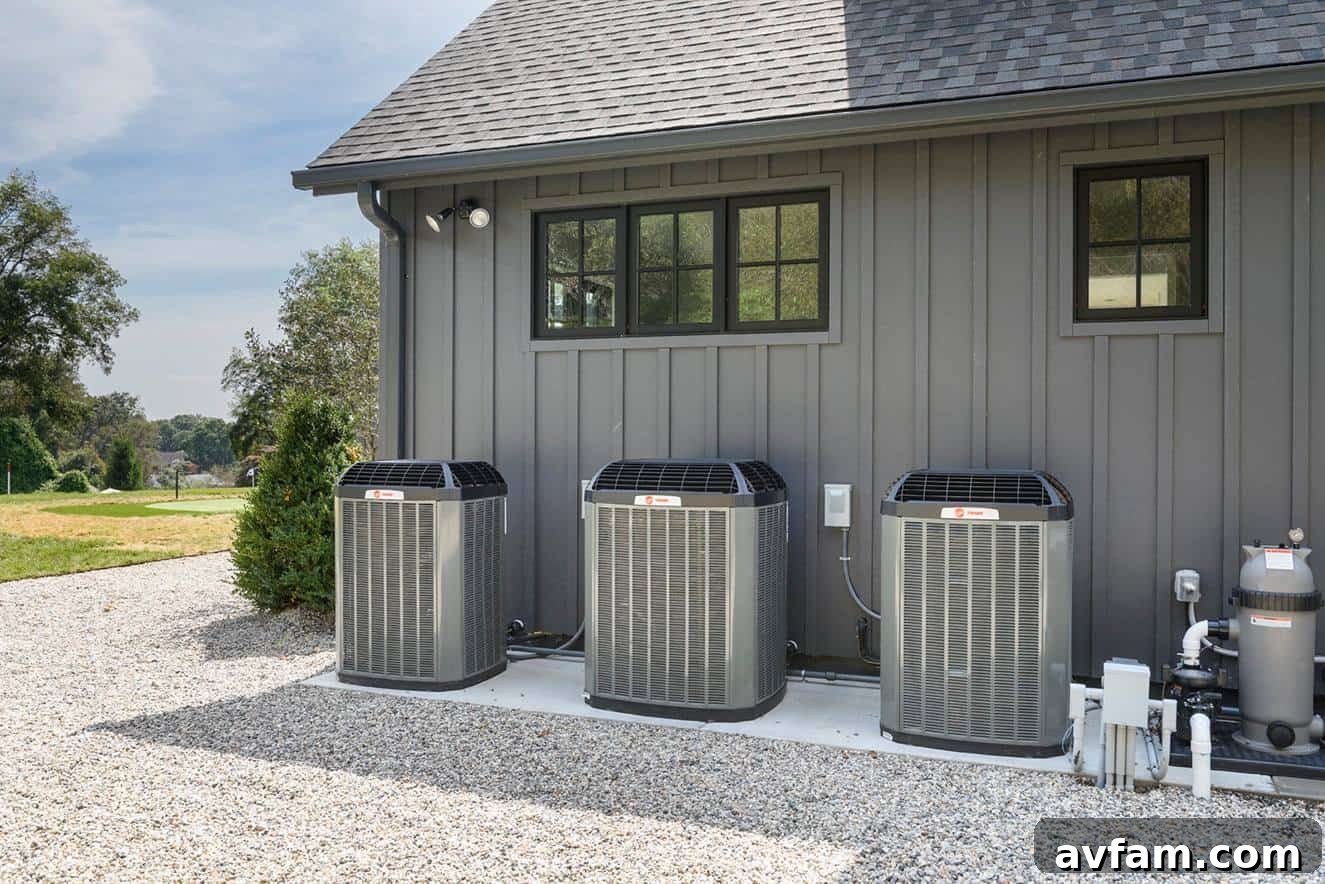
This is a sponsored post written by me on behalf of Trane Residential. All opinions are 100% mine.
For decades, many homes in Southern California, particularly older residences like ours in the vibrant Los Angeles area, were built without central air conditioning. The prevailing wisdom of the 1940s and beyond suggested that the region’s famously mild, year-round temperatures negated the need for such a system. Builders focused on designs that maximized cross-breezes and natural ventilation, a strategy that served residents well for generations. However, the climate is changing, and with it, the definition of comfortable living in Southern California. The increasingly frequent and intense heatwaves, coupled with the devastating impact of annual wildfires, are now unequivocally convincing homeowners, including us, that installing a modern, efficient air conditioning system is no longer a luxury but an urgent necessity.
Why Angelenos Can No Longer Afford to Live Without Air Conditioning
The statistics are telling: historically, less than half of Los Angeles homes have had air conditioning, and a mere one in four boasted central air. Yet, this landscape is rapidly shifting. What was once considered an unnecessary expense is now viewed as an essential component of a healthy and comfortable home, driven by several compelling factors reshaping life in Southern California.
The Unrelenting Rise of Heatwaves and Climate Change
The most immediate and undeniable driver is the escalating intensity and duration of summer heatwaves. For the past 11 years that we’ve called Los Angeles home, we’ve observed a clear trend: temperatures consistently climb higher each summer, pushing the boundaries of what was once considered “mild.” These aren’t just uncomfortable days; they are prolonged periods of extreme heat that pose significant health risks, especially for vulnerable populations. Without central air, homes become oppressive ovens, making daily life challenging and sleep elusive. The traditional methods of staying cool—opening windows and relying on ocean breezes—are simply no longer sufficient or reliable.
Wildfires and the Crisis of Indoor Air Quality
Beyond the heat, the scourge of annual wildfires has introduced another critical dimension to the need for modern HVAC systems. For weeks on end during recent summers, our community has been enveloped in thick, acrid smoke, rendering outdoor air quality hazardous. During these periods, opening windows for ventilation is not just inadvisable but downright dangerous, trapping stale, hot, and smoke-laden air indoors. This leaves residents in an agonizing dilemma: suffer through suffocating heat or compromise their respiratory health. We’ve even tried to escape to San Diego, only to encounter smoke down there, underscoring the regional scale of the problem. While we utilize portable indoor air filters, a robust central air conditioning system equipped with high-quality, clean filters offers the most comprehensive and effective solution for maintaining superior indoor air quality throughout the entire home, filtering out particulate matter, allergens, and other pollutants.
The Investment Value: Why Modern HVAC Systems Are a Must-Have for Property Owners
The shift towards universal air conditioning isn’t just about comfort; it’s also a significant factor in property value and buyer expectations in the competitive Los Angeles real estate market.
New Construction Sets the Standard
Walk through any new residential development in the greater Los Angeles area, and you’ll find central air conditioning as a standard feature. Builders recognize that modern homebuyers expect climate control, and incorporating it during initial construction is both cost-effective and a significant selling point. This trend creates a stark contrast with older homes, often making them less appealing or requiring substantial upgrades to compete.
The Retrofit Revolution and Buyer Expectations
When my wife and I first moved to LA, we were genuinely surprised by the scarcity of central air in the homes we visited, having grown up in desert communities where AC was non-negotiable. Today, the market has evolved dramatically. Most house flips in our area now undergo significant retrofitting to include modern air conditioning systems. For potential homebuyers, the absence of AC has become a major point of negotiation, often requiring them to factor in the substantial cost of installation post-purchase. An existing, efficient air conditioner can significantly increase a property’s market value and appeal, turning it from a potential drawback into a key asset.
More Than Just Cooling: The Crucial Role of an Integrated Furnace
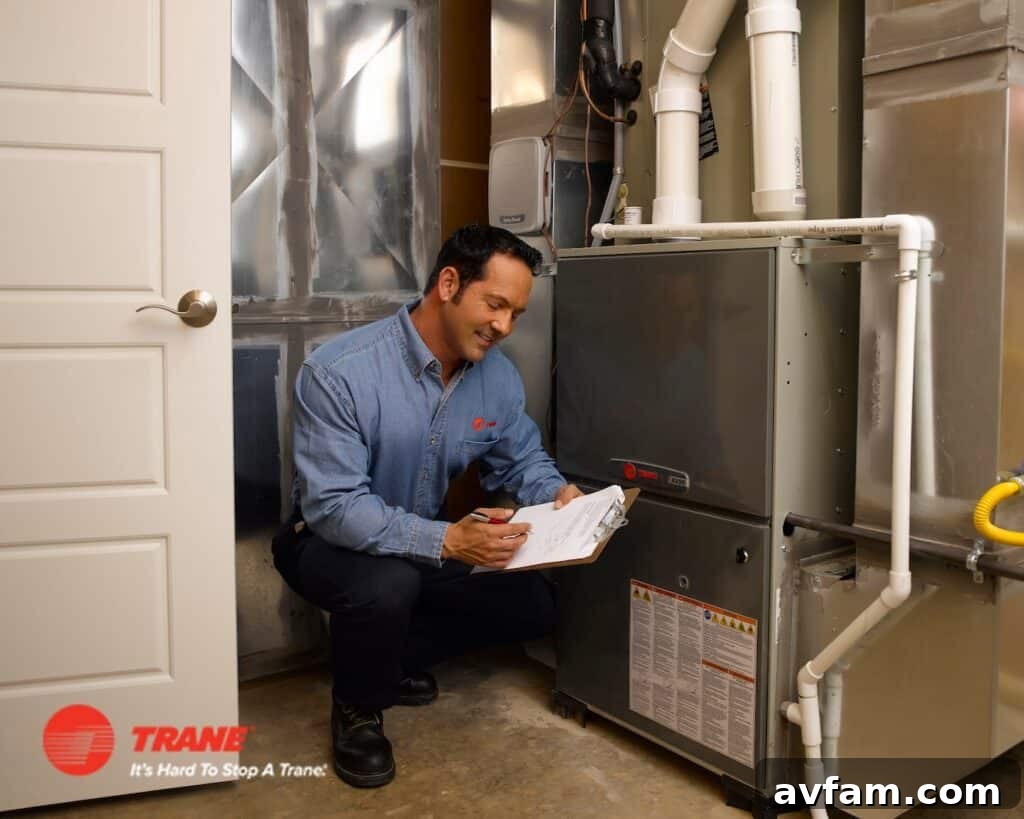
While the focus often gravitates towards cooling, it’s vital not to overlook the heating component of a comprehensive HVAC system. Many mid-century homes in our area, including ours, not only lack central cooling but also feature incredibly old heating systems and outdated ductwork.
Our current heater, for instance, is likely around 50 years old, operating with ductwork of a smaller diameter than modern standards. This antiquated setup leads to inefficient heating, uneven temperature distribution, and higher energy bills. Upgrading to a new, energy-efficient furnace is an integral part of enhancing overall home comfort. A modern furnace, especially when paired with a new air conditioning unit and updated ductwork, provides superior heating performance, significantly improves energy efficiency, and delivers substantial monthly savings, creating a truly harmonious climate control system.
Achieving Optimal Home Comfort with a Proper HVAC System Harmony
The goal of a modern climate control system is to create an environment where heating and cooling elements work in perfect concert. A truly well-balanced HVAC system is one where the air conditioner and heater operate seamlessly together, adapting to external conditions to maintain consistent indoor comfort.
Los Angeles weather, despite its reputation for mildness, can be surprisingly dynamic. It’s not uncommon to experience temperatures in the mid-90s one week, only for them to plummet into the 50s the next. Such fluctuations demand an HVAC system that is agile and responsive, capable of effortlessly transitioning between heating and cooling modes to keep our home comfortable regardless of the outside environment.
This is where integrated systems, like those offered by Trane, truly shine. Trane HVAC appliances are meticulously engineered to work in conjunction with their advanced ComfortLink™ XL1050 smart thermostat. This connected smart thermostat is a game-changer, offering multiple stages of cooling and heating. This intelligent functionality means you’re only consuming the energy you genuinely need, preventing over-cooling or over-heating and dramatically reducing energy waste. Smart thermostats like the ComfortLink™ XL1050 are also highly programmable, learning your preferences, usage patterns, and occupancy schedules. They can be controlled remotely via smartphone apps, allowing you to adjust settings from anywhere, ensuring your home is always at the perfect temperature the moment you step inside. This level of precision and control not only enhances comfort but also optimizes energy consumption, making your home more efficient and environmentally friendly.
Making HVAC a Top Home Improvement Priority
Our list of home improvement projects, like many homeowners, seems perpetually long and ever-growing. However, the experiences of recent summers, particularly the escalating heat and deteriorating air quality due to wildfires, have irrevocably elevated a new HVAC system to the very top of that list. It’s no longer just an aspiration; it’s a critical investment in our family’s health, comfort, and the long-term value of our home.
The Importance of Professional Consultation and Proper Sizing
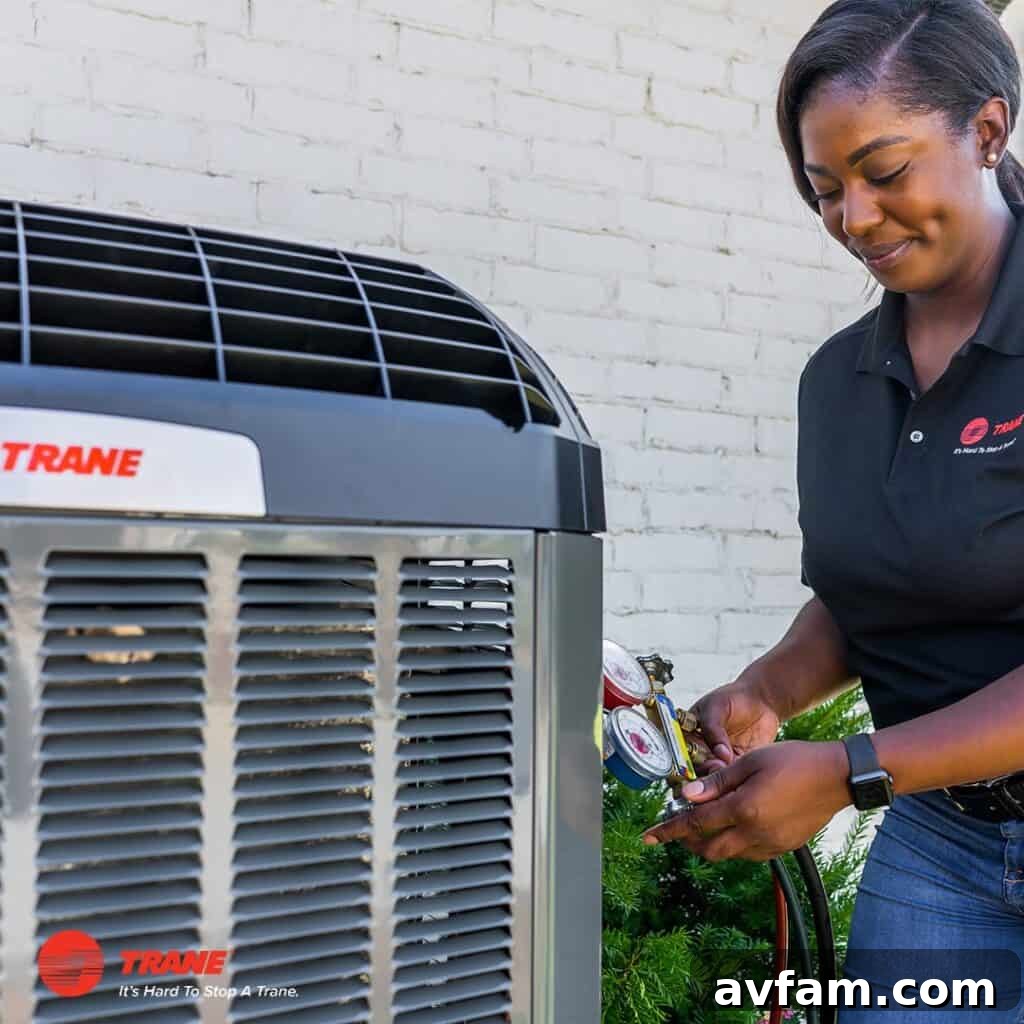
To embark on this essential upgrade, we’ve already taken the crucial first step: receiving estimates from certified Trane installers. Their expertise is invaluable. They conducted a thorough assessment of our home, meticulously evaluating its layout, insulation, existing ductwork, and specific heating and cooling requirements. They then laid out a comprehensive plan tailored precisely to our home’s needs, designed to achieve the comfort level we desire while maximizing efficiency. This personalized approach underscores why it is vital to find a local Trane dealer in your area. A professional evaluation ensures that the chosen equipment is correctly sized for your home, preventing common issues like short-cycling (which wastes energy and wears out the system faster) or inadequate cooling/heating in certain areas. Investing in the right system from the outset is key to long-term satisfaction and performance.
Balancing Budget with Long-Term Value and Efficiency
While Los Angeles isn’t known for extreme temperature swings like some regions, our growing heatwaves demand reliable and efficient climate control. Choosing the right HVAC equipment that perfectly fits the size and unique characteristics of our home, along with understanding how it will be used, is paramount to creating an energy-efficient and consistently comfortable living space. It’s equally important that our new HVAC system aligns with our budget. We recognize that this is a significant long-term investment, and as we plan to live in this home for many years to come, value is critical. Opting for an air conditioner with an excellent cost-per-minute ratio, indicative of superior energy efficiency, will ultimately pay for itself through substantial savings on utility bills within just a few years.
Considering Lifestyle and Quiet Operation
Beyond efficiency and cost, lifestyle considerations play a significant role. We spend a considerable amount of time enjoying our backyard and outdoor spaces. The incessant drone of a noisy AC unit would quickly become tiresome and detract from our enjoyment. Fortunately, leading manufacturers like Trane understand this concern and provide detailed specifications on the sound output of their units, listed in decibels. This transparency allows us to make an informed decision, ensuring our home remains a peaceful sanctuary both inside and out.
The Simple Yet Critical Act of Maintenance
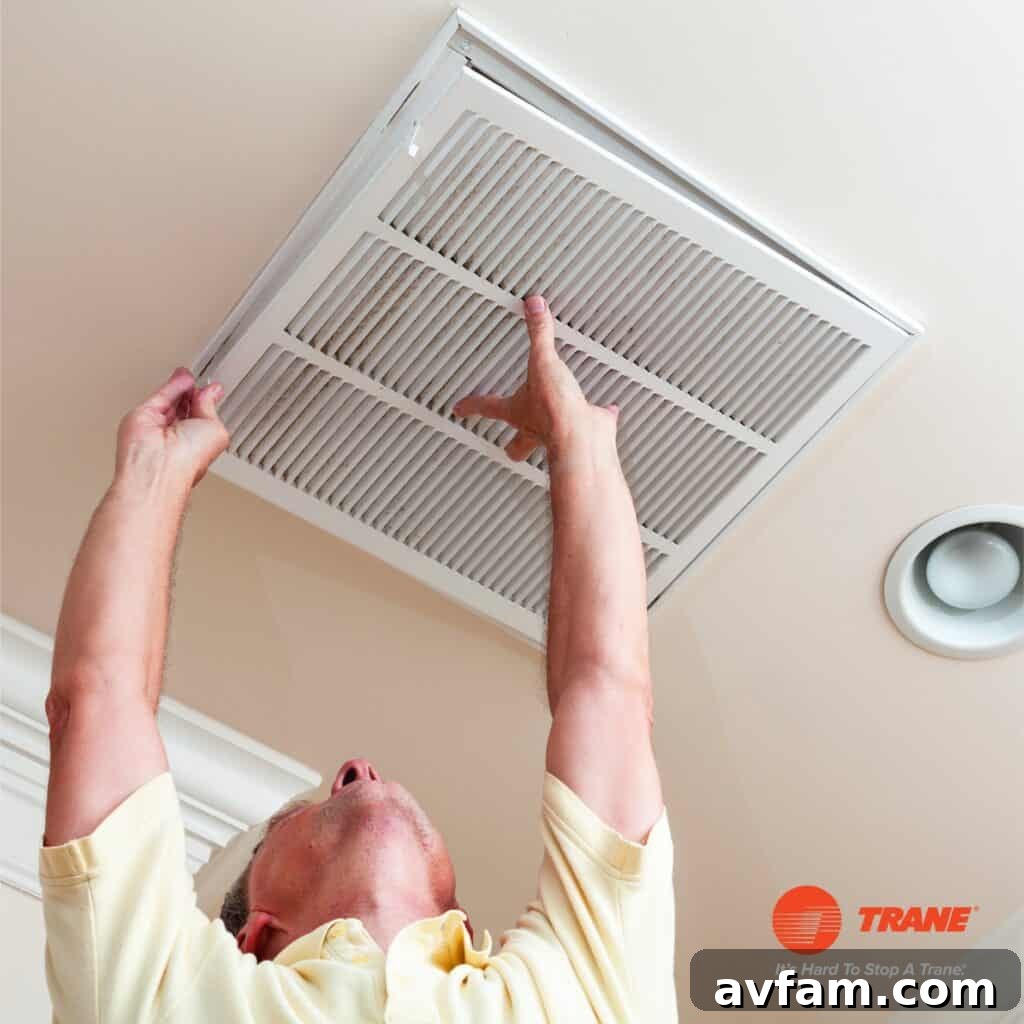
Finally, and perhaps most importantly, is the commitment to ongoing maintenance. We must understand how to properly replace our Trane Comfort Performance Filter and diligently schedule these replacements in our calendar. This seemingly small and inexpensive maintenance item is, in fact, the cornerstone of a well-tuned, efficient, and long-lasting HVAC system. Neglecting filter changes can lead to reduced airflow, decreased efficiency, higher energy consumption, and premature wear on the system. Regular filter replacement ensures optimal indoor air quality, maximizes energy savings, and extends the lifespan of our investment.
While saving up for this comprehensive upgrade will require some planning, we are convinced that installing a new, state-of-the-art HVAC system will be one of the most life-changing and seamlessly beneficial improvements we make to our home. It promises not only unparalleled comfort and improved indoor air quality but also a wise financial investment for the future, providing peace of mind for years to come.