
Unveiling 2012 Flooring Trends: A Deep Dive into Design Innovations
As the final weeks of 2011 gracefully drew to a close, the design industry buzzed with anticipation for the upcoming year’s aesthetic shifts. For homeowners, designers, and enthusiasts alike, understanding these evolving trends is crucial for making informed decisions, especially when it comes to significant investments like flooring. Fortunately, a valuable sneak peek into the 2012 flooring landscape emerged thanks to insights shared by Shelley Pond on the official SURFACES/StonExpo Blog. This early forecast provided a tantalizing glimpse into the innovations and styles set to define our interiors. Further comprehensive details were later presented at the SURFACES Trends Hub, an exciting new concept introduced during the 2011 show, designed to be a definitive resource for future design directions.
The SURFACES event, renowned as North America’s premier annual trade show for the floor covering industry, consistently serves as a critical barometer for upcoming trends. It’s where leading manufacturers, innovative designers, and industry professionals converge to showcase groundbreaking materials, technologies, and styles. Staying abreast of these developments allows individuals to infuse their living spaces with contemporary relevance while ensuring timeless appeal and enhanced functionality. The 2012 predictions promised a diverse and exciting array of choices, spanning everything from bold, expressive color schemes to elegantly understated designs and ingenious fusions of past and future aesthetics.
Embrace the Palette: Dynamic and Vivid Flooring Color Trends
For those whose hearts beat for vibrant hues and expressive designs, 2012 was poised to deliver a spectacular celebration of color in flooring. The year’s forecasts indicated a departure from muted backdrops, instead inviting floors to take center stage as canvases for artistic expression. These trends were not merely about selecting a color; they revolved around embracing entire palettes, incorporating intricate patterns, bold contrasts, and rich textures to create truly immersive and emotionally resonant environments within the home.
Eco Carnival: Rhythmic Patterns and Bright Botanicals
The “Eco Carnival” trend was a joyous invitation to infuse interiors with the exuberant energy of nature and festivity. This direction called for flooring that seemed to pulsate with rhythmic patterns, drawing inspiration from ancient tribal motifs, natural growth formations, or the lively spirit of a global celebration. It wasn’t just static design; it conveyed a sense of movement and vitality. Bright botanicals, ranging from delicate, intricate floral designs to bold, oversized leaf patterns, were set to flourish across various flooring materials. These natural elements promised to imbue spaces with an invigorating dose of natural beauty and an undeniable sense of optimism. Imagine vivid greens, sunny yellows, and exotic blues interwoven with tactile, earthy textures, collectively crafting an ambiance that felt both playfully inviting and deeply grounding. This trend perfectly captured a growing desire for homes to feel alive, organically connected to the natural world, and imbued with a spirited charm that uplifts the soul.
Colour Capital: Angular Shapes and Bold Clashing Patterns
In striking contrast to the organic flow of Eco Carnival, “Colour Capital” championed the sharp dynamism and artistic edge synonymous with metropolitan life. This trend was architecturally inspired, characterized by precise angular shapes and striking geometric formations, reflecting modern urban landscapes and avant-garde artistry. Get ready for “bolts of color” – deliberate, intense bursts of saturated hues strategically integrated to create dramatic visual focal points and subtly define distinct zones within an open plan. The true genius of Colour Capital lay in its intentional juxtaposition; clashing patterns were not accidental but a calculated design choice, fostering a vibrant, energetic, and often edgy aesthetic. This trend resonated deeply with individuals possessing a bold sense of style, those unafraid to mix unexpected elements and eager to make a powerful contemporary statement. Visualize high-gloss finishes, abstract designs, and a fearless palette that might include electric blues, fiery oranges, and deep purples, all collaborating in a captivating, albeit unconventional, harmony that speaks to urban sophistication.
The Abyss: Illumination and Deep Sea Textures
Diving into realms of profound inspiration, “The Abyss” trend drew its enigmatic essence from the mysterious and endlessly enchanting depths of the ocean. This sophisticated palette explored concepts of subtle illumination and shadowy lighting, meticulously crafted to evoke an atmosphere of refined serenity and intriguing depth. Flooring inspired by The Abyss featured undulating wave patterns that mimicked the gentle ebb and flow of underwater currents, alongside surface textures painstakingly engineered to replicate the organic forms of sea creatures – think shimmering scales, delicate ripples, and other biomimetic elements that invited both visual and tactile exploration. Dark, opulent blues, profound greens, and rich charcoal grays formed the foundational core of this palette, frequently enhanced with subtle metallic sheens or reflective qualities designed to suggest hidden light piercing through the deep-sea obscurity. This trend was an ideal choice for fashioning serene, luxurious, and introspective spaces, transforming the floor itself into a tranquil, evocative deep-sea landscape, fostering a sense of calm and wonder.
Majestic Minimalism: The Elegant Fusion of Tradition and Modernity
For those homeowners and designers who harbored a preference for a cleaner, more streamlined aesthetic but simultaneously held a profound appreciation for the grandeur of historical design, “Majestic Minimalism” emerged in 2012 as an exceptionally compelling choice. Shelley Pond’s insightful description perfectly encapsulated this trend as “the perfect marriage of tradition and modernity.” It represented a sophisticated, nuanced blend that distilled the inherent opulence and intricate beauty of the Baroque and Rococo periods into a remarkably contemporary, understated elegance. This wasn’t about ostentatious excess; rather, it was the very essence of luxury expressed through meticulously refined details, superior material quality, and a disciplined, harmonious color palette.
The profound inspiration drawn from the Baroque and Rococo eras meant embracing a pervasive sense of grandeur, but without the accompanying fuss or visual clutter. This concept could manifest in various forms: large-format tiles featuring a subtle, almost imperceptible intricate pattern, or polished concrete floors boasting an almost mirror-like finish that masterfully reflected ambient light, thereby amplifying the sense of spaciousness. The unwavering emphasis within Majestic Minimalism was placed squarely on unparalleled quality and an immaculate finish, where every carefully chosen element served a distinct purpose in contributing to an overarching atmosphere of serene sophistication. One might envision the sweeping lines, elegant curves, and inherent drama characteristic of these historical periods, skillfully reinterpreted through a contemporary lens of refined simplicity and pristine purity, resulting in spaces that felt both grand and effortlessly modern.
The distinctive color story of Majestic Minimalism revolved predominantly around an array of muted hues, such as the soft, almost ethereal tones often found in “plaster of Paris.” These delicate off-whites, pale grays, and natural stone shades served as an exquisitely serene backdrop, creating a canvas of profound calm and expansive spaciousness. Crucially, however, minimalism in this context did not equate to austerity. These gentle foundational colors were brilliantly brought to life with judicious, precise accents of powerful, regal hues: the commanding “royal red,” the sophisticated “Princess blue,” and the timeless “tuxedo black.” These impactful accents might manifest in subtle inlays, refined border details, or through the deliberate selection of adjacent furniture and decor, strategically injecting a touch of drama and aristocratic flair without ever disrupting the overarching sense of tranquility. The harmonious result was a living space that felt both historically resonant and undeniably current, exuding an air of understated luxury, impeccable taste, and enduring elegance.
Old To New: The Dynamic Fusion of Past Wisdom and Future Innovation
Perhaps one of the most intellectually intriguing and culturally significant trends identified for 2012 was aptly termed “Old To New.” Shelley Pond herself lauded this direction as “the season’s new fusion trend, perhaps more significant than any we have previously explored.” It represented a powerful and thoughtful convergence of seemingly disparate ideals: the timeless appeal of simplicity and profound self-sufficiency, seamlessly integrated with an energized and intelligent embrace of modern technology. This innovative trend found its primary muse in the burgeoning, influential movement of “plugged-in Urban Homesteaders” – a demographic of individuals who passionately champion sustainable living practices and enduring traditional craftsmanship, all within the dynamic confines of an urban, technologically-driven environment.
The “simplicity and self-sufficiency” aspect of the Old To New trend manifested compellingly in a distinct preference for honest, authentic, and often raw materials, coupled with a discernible handcrafted aesthetic. Imagine reclaimed wood flooring, where each individual plank inherently tells a rich story of its previous life and journey, or cork and bamboo surfaces that eloquently speak to a deeply eco-conscious mindset and a commitment to environmental stewardship. Natural linoleum, celebrated for its remarkable durability and inherently sustainable composition, also fit perfectly within this overarching philosophy. The paramount emphasis here was placed on materials that were not only inherently beautiful but also ethically sourced, enduringly long-lasting, and actively contributed to a healthier, more harmonious home environment. Flooring surfaces might intentionally feature subtle imperfections, tactile textures that felt genuinely warm and inviting, or patterns that subtly evoked traditional weaving techniques or age-old craftsmanship, thereby celebrating the inherent beauty of the imperfect and the deeply personal touch of the handcrafted.
Crucially, however, Old To New was emphatically not about rejecting progress or shunning technological advancements. The “energized integration of technology” was equally, if not more, vital to its core identity. This could encompass innovative manufacturing processes that render natural materials even more durable and significantly easier to maintain, or the thoughtful incorporation of smart flooring solutions that seamlessly integrate radiant heating systems, hidden sensors for intelligent lighting control, or even discreetly integrated sound systems directly into the floor. It was fundamentally about judiciously leveraging cutting-edge technological advancements to profoundly enhance comfort, efficiency, and longevity, all without ever sacrificing the desired aesthetic of authenticity, rustic charm, and a profound connection to the past. For the discerning urban homesteader, this trend promised the very best of both worlds: a home that felt organically rustic and deeply grounded, yet was simultaneously fully equipped with all the essential conveniences and sophisticated efficiencies of the 21st century.
This dynamic trend spoke eloquently to a broader, underlying societal shift towards more mindful consumption, a greater appreciation for durable goods, and an intrinsic desire for authenticity in an increasingly fast-paced, digital world. Flooring choices made under the Old To New banner were not merely about surface aesthetics; they were about making a deliberate statement regarding cherished values – sustainability, enduring craftsmanship, and a smart, seamlessly integrated lifestyle. It represented a truly dynamic and forward-thinking approach to home design that profoundly respected heritage while enthusiastically embracing innovation, ultimately creating living spaces that were both soulful, evocative, and profoundly functional.
Shaping Spaces: The Enduring Impact of Thoughtful Flooring Choices
Ultimately, these diverse and compelling trends for 2012 underscored the profound and often underestimated role that flooring plays in meticulously shaping the character, functionality, and overall ambiance of any given space. A floor is far more than just a mere surface to walk upon; it serves as the foundational canvas upon which entire interior narratives are carefully built, actively influencing mood, definitively articulating style, and subtly reflecting deeply held personal values. Whether an individual was drawn to the vivacious, uninhibited energy of Eco Carnival, the crisp, contemporary sharpness of Colour Capital, the serene, sophisticated depths of The Abyss, the refined, understated restraint of Majestic Minimalism, or the brilliantly innovative blend of Old To New, each distinct trend offered a unique and powerful opportunity to express individuality, cultivate a desired atmosphere, and significantly enhance daily living.
The invaluable insights meticulously gleaned from industry leaders and prestigious events like the SURFACES Expo were, and continue to be, indispensable. They serve as a vital compass, expertly guiding both seasoned professionals and eager homeowners through the exciting, ever-evolving landscape of modern design evolution. As we reflect, it is abundantly clear that the 2011 SURFACES Expo truly laid a robust groundwork for an incredibly innovative and inspiring year ahead. Moreover, subsequent shows continued to be just as stimulating and visionary, consistently showcasing a perpetual stream of new products, pioneering technologies, and creative applications that masterfully bring these fascinating trend forecasts to tangible, breathtaking life.
In anticipation of your very next design endeavor, we invite you to consider: which of these captivating and forward-thinking flooring trends resonates most deeply with your personal style and aspirational vision for your home? Are you envisioning a joyful burst of color underfoot, a serene and refined minimalist sanctuary, or perhaps a clever, harmonious fusion of cherished heritage and cutting-edge high-tech integration? We encourage you to share your thoughts and envision the transformative power of a thoughtfully chosen floor!
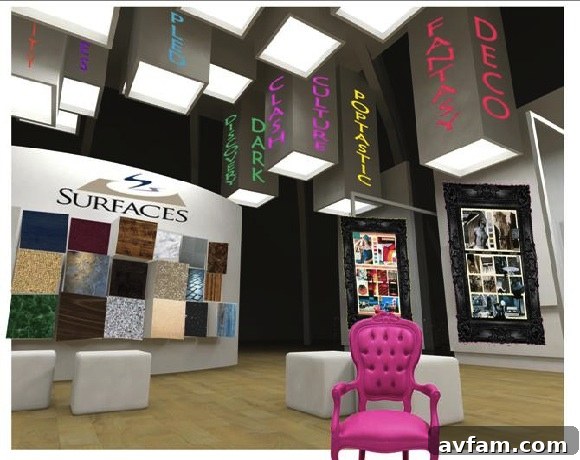
Photo courtesy of SURFACES.