

When buying a garage door, many homeowners concentrate on appearance, style, and durability. One important factor that is often overlooked, however, is the door’s R-value.
R-value measures a door’s insulation effectiveness and directly influences energy efficiency, indoor comfort, and long-term utility expenses. Considering R-value when choosing a garage door helps you make a decision that balances cost, performance, and comfort.
Understanding garage door R-values is especially important in regions with extreme temperatures, but it is a useful consideration for any home. Before investing in a new door, check the R-value so it aligns with your energy-saving goals and the way you use the garage.
What Is R-Value?
R-value is a measure of thermal resistance: the higher the R-value, the better a material resists heat transfer. For garage doors, this rating indicates how well the door keeps conditioned air inside and prevents outdoor temperatures from influencing the garage interior. A higher R-value reduces heat loss in cold months and heat gain during hot months.
- Low R-value (0–5): Minimal insulation, typical of single-layer steel doors
- Moderate R-value (5–10): Insulated doors with a single layer of foam or composite core
- High R-value (10–20+): Premium multi-layer insulated doors designed for superior energy performance
Why Garage Door R-Value Matters
Insulation in a garage door affects several aspects of home performance and comfort:
- Energy savings: Doors with higher R-values reduce heat transfer, lowering HVAC usage and utility bills
- Temperature control: Improved insulation helps maintain a more stable temperature in the garage and adjacent rooms
- Comfort and usability: Reduced drafts and less cold infiltration make the garage more comfortable for year-round use
- Protection for stored items: Insulated environments limit temperature swings, protecting tools, electronics, and other sensitive items
Homes with attached garages benefit most from better-insulated doors because the garage often shares walls or living spaces. A well-insulated garage door reduces heat flow between the garage and home, helping to maintain interior comfort and cut energy costs.
Types of Garage Doors and Insulation
- Steel Doors
- Available as single-layer (non-insulated) or insulated with polyurethane or polystyrene cores
- R-values can range from about 0 to 12 depending on the construction and core material
- Known for durability and relatively low maintenance
- Aluminum and Glass Doors
- Chosen often for modern style and curb appeal
- Typically lower in insulation performance unless fitted with energy-efficient glass or insulated panels
- Contemporary aluminum doors can include insulated inserts that improve overall R-value
- Wood Doors
- Wood provides moderate natural insulation and a classic look
- May need foam backing or additional insulation to reach higher R-values
- Attractive and durable but usually require more maintenance than metal doors
- Composite Doors
- Made from materials such as wood fibers, PVC, or fiberglass
- Often include insulated cores that deliver good R-values while mimicking natural materials
- Offer a balance between energy efficiency and aesthetic appeal
Factors Affecting Garage Door Insulation Effectiveness
- Door thickness: Thicker door assemblies typically provide higher R-values and better thermal performance
- Core material: Polyurethane foam generally offers superior insulation compared with polystyrene
- Seals and weatherstripping: Proper sealing around the perimeter and bottom of the door is essential to reduce drafts and preserve rated performance
- Installation quality: Even a high-R-value door can underperform if it is poorly installed or misaligned
How to Determine the Right R-Value for Your Home
- Climate considerations: Colder climates usually call for higher R-values to maintain winter efficiency; warmer climates benefit from insulation that limits heat gain
- Garage usage: If the garage is used as a workshop, gym, or is attached to living areas, investing in higher insulation is worthwhile
- Budget: Higher R-value doors tend to cost more initially but often pay back through lower energy bills and improved comfort
- Overall energy goals: Combining an insulated door with proper garage wall and ceiling insulation, as well as ventilation, optimizes efficiency
Benefits Beyond Energy Efficiency
Well-insulated garage doors deliver advantages beyond reduced utility costs:
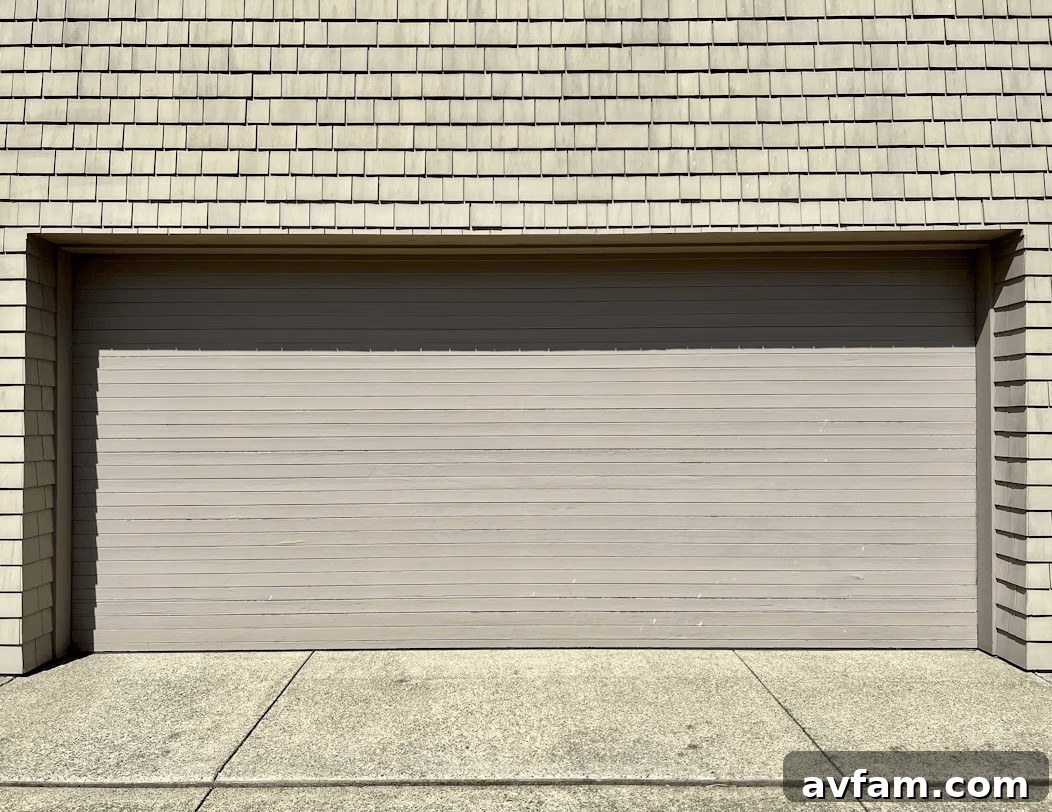
Insulated doors help reduce noise transfer, offering quieter operation and a calmer indoor environment. Their multi-layer construction often adds strength, making the door more resistant to dents and warping. In addition, upgrading to energy-efficient features like a high-R-value garage door can enhance property appeal and may contribute to higher resale value.
- Noise reduction: Insulated doors absorb sound better than single-layer doors
- Durability: Multi-layer constructions are typically sturdier and longer lasting
- Potential property value boost: Energy-efficient improvements are attractive to buyers and can make a home more competitive on the market
Professional Advice
While homeowners can compare R-values and specifications online, working with a qualified installer ensures the door performs as rated. Professionals can provide accurate measurements, proper sealing and alignment, and installation methods that preserve the insulation’s effectiveness. They can also explain warranty terms and recommend door types that suit the house’s climate and your efficiency goals.

Conclusion
Checking a garage door’s R-value before purchase is an essential step to achieve better energy efficiency, improved comfort, and long-term cost savings. Insulation affects not only the garage but also any living spaces attached to it, influencing both temperature and energy consumption.
By choosing suitable materials, appropriate thickness, and ensuring quality installation, homeowners can be confident their garage door will perform as intended. For those aiming to maximize energy savings and comfort, evaluating R-values and consulting with professionals are practical parts of the selection process.