
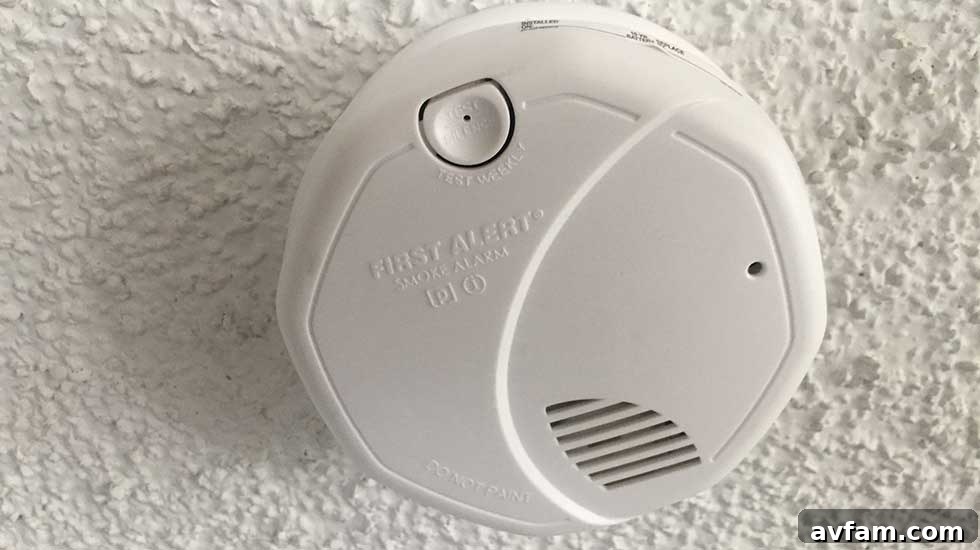
Protecting Your Home and Loved Ones: The Ultimate Guide to Smoke Alarms
Fire safety is a cornerstone of a secure home, and at the heart of any effective fire prevention strategy lies the humble smoke alarm. Often taken for granted, these life-saving devices are not just a legal requirement in most places; they are your earliest warning system against a potential tragedy. With a working smoke alarm, the risk of dying in a home fire is cut in half – a statistic powerful enough to underscore their invaluable role. This comprehensive guide will walk you through everything you need to know about choosing, installing, and maintaining the right smoke alarms to ensure maximum protection for your household.
In the unfortunate event of a fire, every second counts. Smoke alarms provide crucial time for you and your family to escape safely. But with various types and features available, selecting the ideal smoke detection system can seem daunting. This article aims to demystify the process, offering clear, actionable advice to help you make informed decisions about your home’s fire safety infrastructure.
Understanding Smoke Alarm Placement: Where to Install for Maximum Safety
Strategic placement of smoke alarms is just as critical as having them. To ensure comprehensive coverage and prompt detection, the National Fire Protection Association (NFPA) recommends installing smoke alarms in specific locations throughout your home. This includes:
- Inside Every Sleeping Room: Direct detection of fires that may start while occupants are asleep.
- Outside Every Sleeping Area: Providing an early warning for all occupants, even if a fire starts outside a bedroom.
- On Every Level of the Home: This includes the basement, as smoke can travel rapidly. For multi-story homes, an alarm should be on each floor, including the attic if it’s a living space.
For homes with vaulted ceilings or large open areas, consider installing alarms at the highest point, as smoke naturally rises. When planning placement, always aim for locations that allow the alarm to detect smoke as quickly as possible without being prone to false alarms. Avoid placing them near heating and cooling vents, windows, or doors, as air currents can prevent smoke from reaching the alarm. Similarly, keep them at least 10 feet away from cooking appliances like stoves or ovens to minimize nuisance alarms, or consider a photoelectric alarm specifically designed for kitchens, if necessary.
Powering Your Protection: Hard-Wired vs. Battery-Powered Smoke Alarms
The power source for your smoke alarms significantly impacts their reliability and functionality. You primarily have two options:
Hard-Wired Smoke Alarms (AC Power)
Hard-wired smoke alarms are integrated directly into your home’s electrical system. A major advantage of these systems is that all interconnected alarms will sound simultaneously, regardless of where the fire originates. This is particularly beneficial in larger homes or multi-story residences where an alarm in one area might not be heard in another until it’s too late. Systems like this smoke alarm from First Alert exemplify this crucial interconnectedness, ensuring a unified and immediate warning.
Crucially, hard-wired systems must feature a battery backup. This ensures that your home remains protected even during power outages, which are often associated with storms or other emergencies that could increase fire risk. These backup batteries should be tested monthly using the alarm’s test button and replaced annually to guarantee continuous operation. Professional installation is often required for hard-wired systems, especially for retrofits in existing homes, to ensure they comply with local electrical codes and safety standards.
Battery-Powered Smoke Alarms
Battery-powered smoke alarms offer flexibility and ease of installation, as they do not require connection to your home’s electrical wiring. They can be installed virtually anywhere, making them an excellent choice for existing homes without hard-wired setups or in areas where running new wiring is impractical. Modern battery-powered alarms often utilize long-life lithium batteries that can last for 10 years, eliminating the need for annual battery changes.
Regular maintenance is key for battery-powered units. They should be tested weekly by pressing the test button on the cover. Additionally, the cover should be removed monthly (or as per manufacturer guidelines) and the interior gently cleaned to remove dust and debris that can impede sensor performance. A vacuum cleaner with an extension wand is ideal for this task. For alarms using standard 9-volt batteries, these should typically be replaced every six months, ideally when you change your clocks for Daylight Saving Time as a convenient reminder.
The Best of Both Worlds: Wireless Interconnected Battery Alarms
For homeowners seeking the benefits of interconnected alarms without the complexities of hard-wiring, wireless interconnected battery-powered smoke alarms offer an innovative solution. Products like these wireless battery powered smoke alarms from First Alert communicate with each other wirelessly. This means that if one alarm detects smoke, all other interconnected alarms in the network will sound, providing the same comprehensive early warning as a hard-wired system, but with the simple installation of a battery-powered unit. This is a game-changer for enhancing safety in existing homes where retrofitting hard-wired systems would be costly and disruptive.
Sensor Technology Explained: Ionization, Photoelectric, and Dual-Sensor Advantage
Not all fires behave the same way, and consequently, not all smoke alarms detect fires in the same manner. Understanding the two primary types of smoke alarm sensors is crucial for selecting the best protection for your home:
Ionization Smoke Detectors
Ionization smoke detectors contain a small amount of radioactive material that ionizes the air between two electrically charged plates, creating a current. When smoke enters the chamber, it disrupts this current, triggering the alarm. These alarms are highly effective at detecting the tiny, invisible particles produced by fast-burning, flaming fires, such as those caused by paper, wood, or flammable liquids. They react quickly to these types of fires, making them ideal for areas where such fires are a primary concern.
Photoelectric Smoke Detectors
Photoelectric smoke detectors operate using a light source and a light-sensitive sensor. In normal conditions, the light beam is directed away from the sensor. However, when smoke enters the chamber, it scatters the light, directing some of it onto the sensor, which then triggers the alarm. Photoelectric alarms are particularly sensitive to large, visible smoke particles produced by slow-burning, smoldering fires, like a cigarette smoldering in a couch or bedding. They are less prone to false alarms from cooking smoke compared to ionization alarms, making them suitable for areas near kitchens or dining rooms.
The Dual-Sensor Advantage
Given that both types of fires—fast-flaming and slow-smoldering—can occur in any home, the consensus among fire safety experts is that the best approach is to utilize both types of sensors. This is where dual-sensor smoke alarms come in. These units incorporate both ionization and photoelectric sensors into a single device, providing comprehensive protection against a wider range of fire types. Choosing a dual-sensor alarm, such as this battery-powered unit from First Alert, offers superior detection capabilities and greatly enhances your home’s fire safety. While individually priced at around $16 on Amazon, the peace of mind they provide is priceless.
Beyond Smoke: The Importance of Carbon Monoxide Detectors
While smoke alarms protect against fire, another silent killer often goes unnoticed: carbon monoxide (CO). Carbon monoxide is an invisible, odorless, tasteless gas produced by the incomplete combustion of fossil fuels. Common sources include malfunctioning furnaces, water heaters, gas ranges, fireplaces, and vehicle exhaust. Exposure to CO can lead to serious health issues, including dizziness, nausea, headaches, and even death.
For complete home safety, it is highly recommended to install carbon monoxide detectors alongside your smoke alarms. Many manufacturers offer combination smoke and carbon monoxide alarms, which provide convenience and consolidate devices. However, it’s important to note that these combo units typically only contain one type of smoke alarm sensor (either ionization or photoelectric). Therefore, for optimal fire detection, you might still consider supplementing them with additional dual-sensor smoke alarms to ensure comprehensive coverage against both flaming and smoldering fires, in addition to CO detection. CO detectors should be placed near sleeping areas and on every level of the home, just like smoke alarms. For maximum effectiveness, install a CO alarm within 10 feet of each sleeping room.
Embracing Modern Safety: Smart Smoke Alarms for Enhanced Protection
In today’s connected world, smart home technology has extended to fire safety, offering advanced features that go beyond traditional smoke alarms. Smart smoke alarms integrate with your home’s Wi-Fi network and can provide a new level of awareness and control.
- Smartphone Notifications: Receive real-time alerts on your phone if an alarm goes off, even when you’re not home. This allows you to quickly assess the situation and contact emergency services if needed.
- Remote Testing and Monitoring: Test your alarms remotely from your smartphone, ensuring they are always functioning correctly without having to climb ladders.
- Voice Alerts: Many smart alarms offer voice alerts that specify the type and location of the hazard (e.g., “Smoke detected in the kitchen,” or “Carbon Monoxide detected in the basement”), providing clearer instructions during an emergency.
- Smart Home Integration: Connect with other smart home devices. For example, if smoke is detected, smart lights can flash, or smart thermostats can shut down HVAC systems to prevent smoke spread.
- Professional Monitoring: Some smart alarms can connect to professional monitoring services, similar to security systems, for an added layer of protection.
While smart smoke alarms may represent a higher initial investment, the enhanced peace of mind and advanced features they offer can be invaluable, especially for busy individuals or those who travel frequently.
Step-by-Step Installation Guide: Securing Your Home with Battery-Powered Smoke Alarms
Installing a battery-powered smoke alarm is a straightforward process that most homeowners can complete in less than 10 minutes per unit. Here’s a detailed guide:
- Prepare the Unit: Start by inserting the specified battery (e.g., 9-volt or long-life lithium) into the smoke alarm. Most units have a designated battery compartment, often on the back or side. Once the battery is in, press the test button to ensure the unit powers on and the alarm sounds. This confirms it’s working before installation.
- Choose Your Location: Carefully select the installation spot on your ceiling. Remember to keep alarms at least 10 feet from appliances that may produce cooking fumes or steam, and away from windows, doors, and air vents to prevent false alarms or hindered smoke detection. For wall installations, place the alarm high on the wall, within 4 to 12 inches from the ceiling. Never paint or apply stickers or tape to your smoke alarm, as this can obstruct its sensors and cause malfunctions.
- Mark Drill Holes: Use the mounting bracket that comes with your smoke alarm as a template. Hold it against the ceiling or wall in your chosen location and use a pencil to mark the spots where you will drill.
- Drill and Insert Anchors: Using an appropriate drill bit (usually 3/16 inch for drywall), drill holes at your marked spots. Gently insert the provided screw anchors into the drilled holes. If necessary, use a hammer to tap the anchors until they are flush with the surface of the ceiling or wall. These anchors provide a secure grip for the screws.
- Attach the Mounting Bracket: Align the mounting bracket with the installed anchors and secure it to the ceiling or wall using the screws provided. Make sure it’s firmly attached.
- Mount the Smoke Alarm: Carefully attach the smoke alarm unit to the mounting bracket. Many models require a quarter-turn twist to lock the alarm securely into place. You should feel a click or resistance, indicating it’s properly seated.
- Final Test: Once the alarm is fully installed, press the test button one last time to confirm it’s functioning correctly in its new position.
Some smoke alarms may also have a small activation switch that needs to be turned on after installation, especially those with 10-year sealed batteries. Always check the manufacturer’s instructions for specific details.
Essential Maintenance: Keeping Your Smoke Alarms Ready to Respond
Installing smoke alarms is just the first step; ongoing maintenance is crucial to ensure their reliability. Here’s a simple checklist:
- Test Monthly: Press the test button on each smoke alarm at least once a month. A loud chirp or alarm sound confirms it’s working.
- Replace Batteries Annually (for standard batteries): If your alarms use replaceable 9-volt batteries, change them once a year, or when you hear a low-battery chirp. A good practice is to do this when you adjust your clocks for Daylight Saving Time.
- Clean Regularly: Gently vacuum the outside of your smoke alarms every six months to prevent dust and insects from interfering with the sensors.
- Replace Units Every 10 Years: Smoke alarms have a lifespan. The sensors can become less effective over time. Even if they seem to be working, replace all smoke alarms in your home every 10 years (or according to the manufacturer’s recommendation) from the date of manufacture. The manufacture date is usually printed on the back of the unit.
Conclusion: A Small Investment for Lifelong Safety
Investing in the right smoke alarms and ensuring they are properly installed and maintained is one of the most vital steps you can take to protect your home and loved ones. These devices are an inexpensive yet incredibly powerful tool in your home safety arsenal, offering precious minutes that can mean the difference between life and death. Don’t compromise on this essential safety feature; choose dual-sensor, interconnected alarms, maintain them diligently, and enjoy the invaluable peace of mind that comes with knowing your family is protected. Make fire prevention a priority today – it’s a small effort with potentially life-saving rewards.