
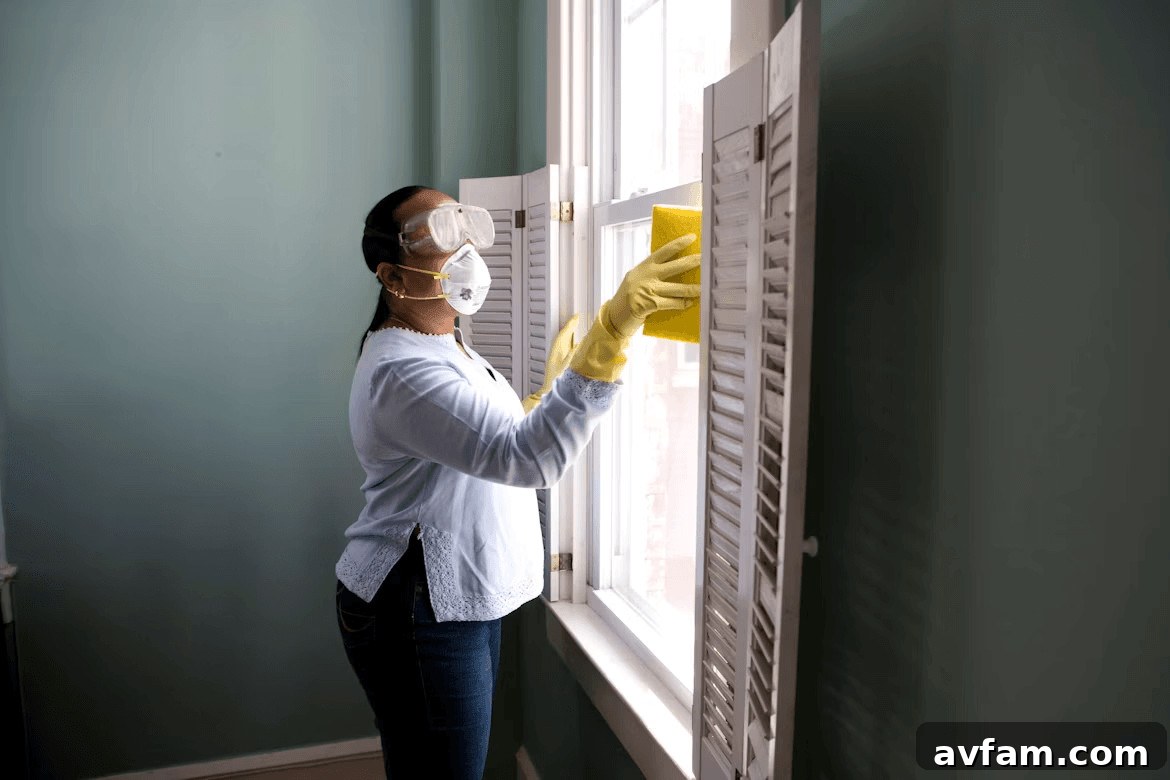
Many readers here are comfortable with hands-on home repairs — crawling into an attic to clear a soffit vent or replacing a rotten section of subfloor after water found its way in. That same DIY confidence, however, can make a small pest sighting balloon into a costly structural problem. A few ants on the counter or scratching behind a wall can seem trivial at first, but treating every pest issue like a quick weekend project often causes more harm than good.
The similarities to renovation mistakes are striking. Homeowners who rush into a repair without understanding what’s happening behind the wall often end up fixing their fix. Pest control follows the same pattern: skip a proper diagnosis, spray a consumer product, and declare victory too soon — and you’re usually only delaying a larger, messier issue.
Ignoring Early Warning Signs: Why Small Pest Problems Spiral Into Disasters
A single carpenter ant on the kitchen floor doesn’t seem worth a phone call. A faint musty smell in the basement or a few pepper-like droppings behind the stove can be dismissed as one-offs. But these early indicators are rarely isolated. Many infestations begin with subtle signs that get ignored until damage is obvious. Termites can chew through structural wood for months before floors sag or trim sounds hollow. Rodents may nest in insulation for weeks before nighttime noises become noticeable.
It’s uncomfortable to admit, but the right response is simple: treat the first sighting as useful information, not just an annoyance. Note where you saw the pest, the time of day, and any nearby moisture or food sources. In regions with humid summers and older homes, pests like termites and carpenter ants can move from yard to foundation with little warning. Waiting for repeated sightings is how a two-week problem becomes a two-year headache.
Using the Wrong Products or Misapplying Treatments: How DIY Mistakes Scatter and Worsen Infestations
The hardware store pest aisle is full of sprays promising quick results. The problem is most consumer products kill on contact but don’t eliminate a colony or nest. Spraying visible ants, for example, can trigger “budding,” where a colony fragments and spreads to new locations in response to a perceived threat. That can turn one small infestation into many.
Many homeowners stick with sprays and traps even after repeat problems, which suggests these products often fail to address the root issue. Misapplying treatments makes matters worse: overusing repellents near a foundation can push termites deeper into a structure instead of removing them, and using the wrong bait can simply feed the target pest. Identifying the species first matters because strategies differ — a treatment that works for pavement ants won’t solve an odorous house ant problem, and a rodent trap placed in the wrong spot will be ignored.
Professional treatments are chosen and placed based on species behavior and biology, which explains why licensed technicians often succeed where generic consumer products do not.

Treating Visible Pests Without Addressing Root Causes: Why Infestations Keep Returning
Removing the pests you can see is satisfying, but it’s like painting over a water stain without fixing the leak. As long as a home continues to provide what pests need — moisture, an entry point, or easy food — new pests will find their way in. That’s why infestations recur: the underlying access or condition remains unaddressed.
Over time, these repeated infestations add up to structural damage. Many homeowners report pest-related damage, and termite repairs alone can be costly. Sealing foundation cracks, repairing damaged screens, closing gaps around utility lines, and correcting drainage issues are often more important than the initial kill. A technician who identifies and repairs these entry points is doing more for long-term protection than any single spray or trap could accomplish.
Delaying Professional Help: The Hidden Costs of Waiting Too Long
Procrastination with pest problems is common: the issue feels manageable, so the call to a professional gets put off. Meanwhile, colonies grow, damage spreads, and repair bills rise. Residential pest control contracts and industry revenue have increased in recent years as more homeowners learn the hard way that DIY alone often isn’t enough.
Early intervention usually requires a targeted treatment and simple repairs to block entry. Left untreated for months, the same problem can require structural repairs, insulation replacement, and multiple follow-up visits. The homeowners who save money are typically the ones who call a professional before an infestation causes structural damage.
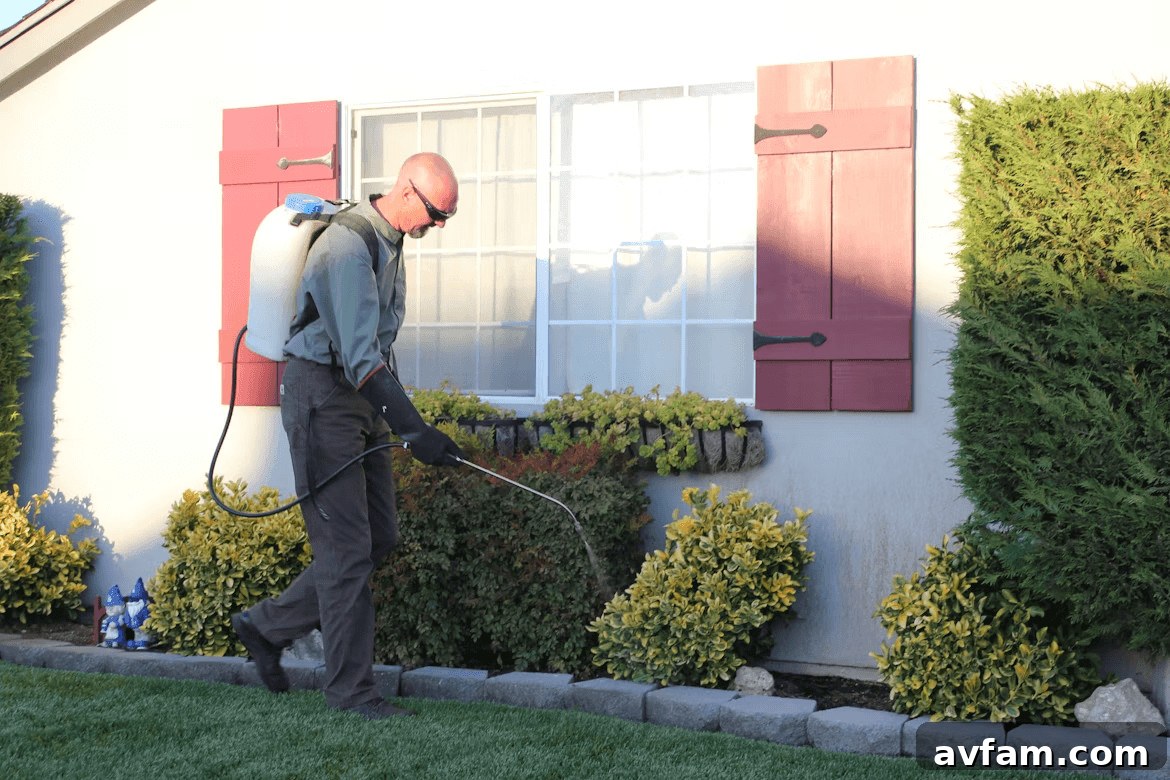
Treat that first sign the way you would a small roof leak or a hairline foundation crack: worth a quick, thorough check before it becomes a much larger project.
| Statistic | Figure |
| Homeowners experiencing pest infestations annually | 40% (Forbes Home, 2024) |
| Homeowners relying primarily on DIY sprays/traps | 54% (Scorpion, 2025) |
| Homes with pest-related structural damage | 50% (Dodson Pest Control, 2025) |
| Average termite damage repair cost | $3,000 per home (NPMA, 2024) |
| Growth in residential pest control contracts (2021-2025) | 69% increase, 7.85M to 13.29M |