
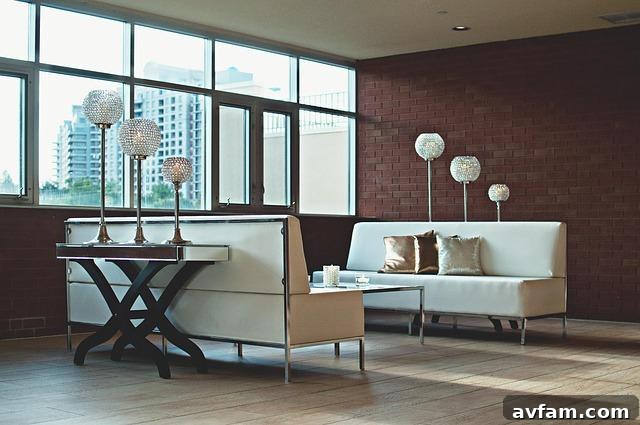
Renting a home doesn’t mean you have to give up living sustainably. Renters can adopt energy-saving habits and support greener buildings whether they occupy a small apartment or a large house. Small changes add up to meaningful savings and a lower environmental footprint. This guide offers practical tips and clear explanations to help you navigate green renting and get the most benefit from energy-conscious choices.

What Is Green Leasing?
A green lease looks much like a standard lease in that it defines who rents what and at what cost, but it also includes provisions that promote collaboration between landlords and tenants on sustainability. These clauses are designed to align incentives so both parties share the benefits of energy and water savings.
Common topics addressed in green leases include:
- Energy-efficient lighting and appliances
- Water conservation measures
- Waste reduction and recycling
- Temperature and HVAC management
Some green leases set energy and water use benchmarks so expectations are clear. They are sometimes called “energy-aligned leases” or “high-performance leases.” The key idea is to remove the “split incentive” problem, where landlords pay for upgrades but tenants enjoy the utility savings. Green leases create mechanisms for sharing those savings, making upgrades more attractive to both sides.
For example, if a building’s baseline utility cost is $200 per month and the actual usage drops to $150, a green lease can specify how the $50 in savings gets divided between landlord and tenant. That shared-benefit approach encourages investment in improvements like LED lighting, better insulation, or more efficient HVAC systems.
Benefits of Improving Energy Efficiency
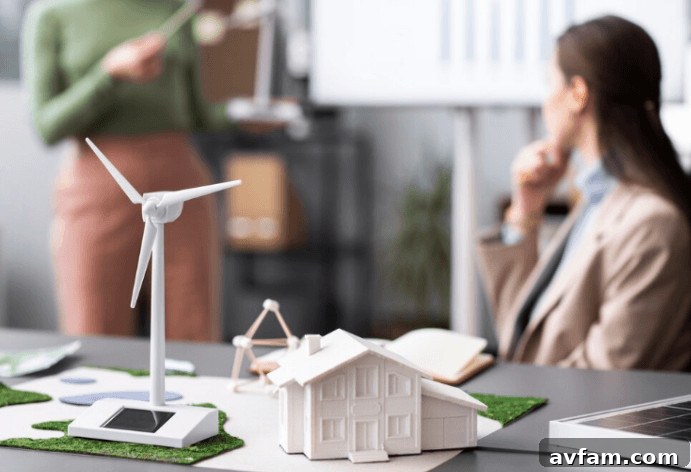
Lowering Monthly Utility Costs
One of the most immediate advantages of green renting is lower monthly utility bills. Energy-efficient buildings and upgrades—such as improved insulation, LED lighting, and high-efficiency heating and cooling systems—reduce the energy required to heat, cool, and power living spaces.
Even modest per-square-foot savings add up over time. Energy upgrades in multifamily housing can produce substantial aggregate savings for renters nationwide. You don’t have to wait for formal lease changes to start saving: simple habits like turning off unused lights and electronics, air-drying clothes, and washing in cold water immediately reduce consumption at no cost.
Maintaining an open dialogue with your property manager or landlord makes it easier to propose improvements that benefit both your monthly bills and the building’s operating costs.
Reducing Environmental Impact
Buildings are a major source of energy use and greenhouse gas emissions. When residents and property owners prioritize energy efficiency, they lower demand on the electrical grid and reduce the need for fossil fuel–based power generation. That translates into fewer carbon emissions.
Green leases can also encourage renewable energy installations and broader sustainability measures, such as rainwater harvesting, greywater reuse, or pursuing building certifications. The more tenants and landlords commit to these changes, the larger the collective impact on local emissions and resource use.
Educating Tenants on Optimal Temperature Settings
Heating and cooling typically make up a large portion of residential energy use. Simple thermostat habits can yield significant savings without sacrificing comfort. Consider these practical tips:
- In winter, set the thermostat to about 68°F (20°C) when you’re awake and home, and lower it to 60–65°F (15–18°C) when sleeping or away.
- In summer, aim for around 78°F (25°C) while at home, and raise the temperature slightly when you leave.
- If allowed, install a programmable or smart thermostat. These devices automate temperature adjustments and can reduce heating and cooling costs by simplifying energy-saving schedules.
- Use blinds and curtains strategically: keep them closed in hot months to block heat and open them on sunny winter days to take advantage of passive solar heating.
- Seal minor air leaks around windows and doors. Even small gaps let conditioned air escape and force HVAC systems to work harder.
- Green leases often make temperature control a shared responsibility. That can open the door to insulation upgrades or HVAC improvements if you discuss the benefits with your landlord.
Beyond thermostat settings, suggest low-cost upgrades like LED bulbs, low-flow faucets, and ENERGY STAR appliances. These improvements reduce energy and water usage and often increase tenant comfort and satisfaction, while lowering building operating costs.
Final Words
Green renting is a practical, cost-effective approach to housing that benefits tenants, landlords, and the planet. Whether through formal green lease provisions or everyday energy-conscious habits, renters can reduce bills, improve living conditions, and contribute to a healthier environment. Start with small changes, communicate with your landlord, and build momentum—sustainable living is achievable in any rental.