

Ultimate Guide to Fireworks Safety: Enjoy Dazzling Displays Responsibly
Fireworks are an iconic symbol of celebration, igniting wonder and excitement across countless festivals, holidays, and special events worldwide. From the quiet sparkle of a backyard sparkler to the thunderous grandeur of a professional pyrotechnic show, these dazzling displays captivate audiences of all ages. However, beneath their beautiful facade lies a potent combination of chemicals and explosives that demand the utmost respect and careful handling. Without proper precautions, the joy of fireworks can quickly turn into devastating accidents, leading to severe injuries, fires, and even fatalities.
Ensuring fireworks safety is not just a recommendation; it’s a critical responsibility that falls on every individual involved in their use, whether as an operator or a spectator. This comprehensive guide is designed to empower you with essential knowledge and practical tips, enabling you to enjoy the magic of fireworks while minimizing risks. By understanding the inherent dangers and adhering to stringent safety protocols, you can help create memorable and safe celebrations for everyone. Let’s explore how to integrate fun and vigilance for a truly spectacular and secure fireworks experience.
Mastering Fireworks Safety: Key Principles for a Secure Display
Achieving a safe fireworks display requires more than just common sense; it demands a thorough understanding of pyrotechnic behavior and a commitment to best practices. By focusing on critical areas such as unpredictability, fire prevention, proper handling, responsible adult supervision, and strict child safety measures, you can transform a potentially risky activity into a joyous and incident-free celebration. Follow these principles to ensure your festivities remain bright and safe.
The Unpredictable Nature of Fireworks: Handle with Extreme Caution
Despite their manufactured design, fireworks are inherently volatile and unpredictable devices. Each firework contains a precise mixture of gunpowder and other chemicals, engineered to produce a specific effect. However, mass production means that individual units can vary slightly, leading to inconsistencies in performance. This unpredictability is a fundamental reason why all fireworks should be treated as live and potentially dangerous. Never assume a firework will behave exactly as expected; instead, approach every ignition with a heightened sense of caution and readiness for the unexpected.
One of the most common and perilous scenarios involves “duds” – fireworks that fail to ignite or fully discharge. The temptation to approach a dud immediately or attempt to relight it is incredibly dangerous. The fuse might still be smoldering internally, or it could have a delayed ignition. Always adhere to the “wait at least 20 minutes” rule for any firework that doesn’t go off as planned. After this crucial waiting period, thoroughly douse the dud with water to neutralize any remaining chemical compounds before attempting to handle or dispose of it. Fuses are particularly tricky; they can burn at inconsistent rates, making it impossible to predict their exact timing. Some fuses might burn surprisingly fast, leading to an almost instantaneous explosion, while others might smolder slowly before igniting or failing entirely. Never hold a lit firework in your hand, and emphatically avoid throwing ignited fireworks, such as “black cats” or firecrackers. Such actions are reckless and frequently result in severe hand, face, and eye injuries. Prioritizing safety means maintaining distance and never taking chances with unpredictable pyrotechnic devices.
Fire Is a Real and Present Danger: Essential Prevention Strategies
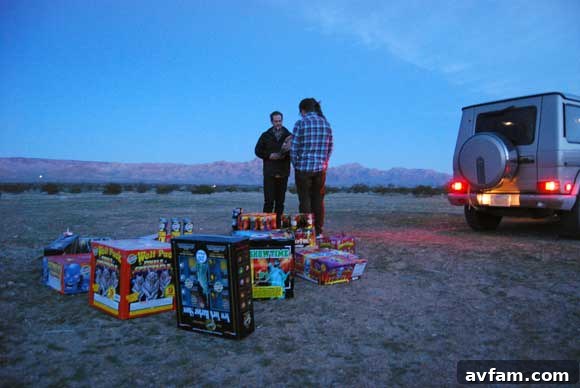
The most significant and widespread danger associated with fireworks is the risk of fire. Every year, countless structural fires, brush fires, and forest fires are attributed to the misuse or accidental ignition of fireworks. To mitigate this substantial risk, meticulous planning of your launch site is paramount. Always choose an open, expansive area that is entirely free from flammable materials. Ideal surfaces include concrete driveways, asphalt parking lots, or barren dirt patches. Avoid launching fireworks near dry grass, dense brush, wooded areas, or any structures like homes, sheds, and garages, which can easily catch fire.
Before your fireworks display begins, conduct a thorough daytime inspection of the entire area. Identify any potential hazards, such as overhanging trees, power lines, or anything that could ignite. Crucially, always have immediate access to ample water sources. This means having a charged garden hose within reach, multiple buckets of water, or even a fire extinguisher specifically rated for chemical and electrical fires (Class B and C). Designate a responsible adult whose sole task is to monitor for embers and immediate fire control. Additionally, establish a clear safety perimeter, ensuring all spectators are positioned at a safe distance – typically at least 100 to 150 feet (approximately 30 to 45 meters) away from the launch zone. Wind conditions are another critical factor; strong winds can carry embers and debris far beyond the intended display area, posing an increased fire risk to surrounding environments. Always check local weather forecasts and postpone your display if winds are excessive or if fire danger warnings are in effect for your region.
Handling Projectiles Safely: Launching for Success
Fireworks designed to launch into the air, such as bottle rockets, Roman candles, mortars, and whistlers, demand extremely careful and stable handling. These devices are designed to propel themselves upwards, and any instability at launch can cause them to veer off course, endangering spectators, property, or igniting unintended fires. Never hold these types of fireworks in your hand while lighting them. The force of their launch can be powerful and unpredictable, leading to immediate injury.
Instead, utilize a sturdy, stable launching platform. For bottle rockets, a simple, heavy glass bottle or a metal pipe firmly planted in the ground provides a secure base. For larger aerial shells or Roman candles, a bucket filled with sand or dirt, or a purpose-built launch tube, can offer the necessary stability. Ensure the chosen base is robust enough to prevent tipping during launch. When igniting, always use a long lighting stick, a punk, or an extended lighter to maintain a safe distance between your hands and the fuse. Position the projectile so it points directly upwards, ensuring a clear flight path free from overhead obstructions like tree branches, power lines, or buildings. A deviated trajectory can be incredibly dangerous, turning a soaring spectacle into a hazardous projectile. Always double-check the aiming before lighting and keep all body parts clear of the launch path.
Avoid Alcohol While Handling Fireworks: Prioritizing Clear Judgment
The use of alcohol or any impairing substances while handling fireworks is a recipe for disaster. Alcohol significantly impairs judgment, slows reaction times, reduces coordination, and can lead to overconfidence and reckless behavior. These effects are diametrically opposed to the precision, clear thinking, and swift reactions required for safely managing pyrotechnic devices. Even a small amount of alcohol can compromise your ability to assess risks accurately, follow instructions, and respond effectively in an emergency.
To ensure maximum safety for yourself and everyone present, it is absolutely essential to remain completely sober when lighting or supervising a fireworks display. Save the celebratory drinks for after the show has concluded and all fireworks, including duds, have been safely managed and disposed of. Designate a responsible, sober adult to be the primary fireworks operator. This individual should be solely focused on the task at hand, free from any distractions or impairments. A clear head allows you to meticulously follow safety instructions, maintain situational awareness, better supervise children and other spectators, and act decisively if an unexpected situation arises. This single rule can dramatically reduce the likelihood of mistakes and prevent potentially life-altering accidents.
Child Safety: Protecting Our Youngest Spectators
Fireworks and children, even seemingly innocuous ones like sparklers, can be a perilous combination. The allure of flashing lights and loud sounds naturally draws children closer, but their lack of understanding regarding the dangers, coupled with their undeveloped motor skills, makes them extremely vulnerable to severe injuries. Sparklers, often perceived as “safe” for children, are anything but. They burn at incredibly high temperatures, often exceeding 2,000 degrees Fahrenheit (approximately 1,100 degrees Celsius), which is hot enough to melt certain metals and cause third-degree burns on contact. These burns can be deep and disfiguring, particularly to young hands and faces.
As a strict rule, children under the age of 12 should never be allowed to handle sparklers or any other type of fireworks. For older children who may be permitted to use sparklers under direct, constant adult supervision, ensure they wear appropriate protective gear, including gloves and safety glasses. Educate them thoroughly about the dangers, the correct way to hold a sparkler (away from the body), and the importance of never touching the hot wire after it has burned out. Keep younger children and toddlers at a significant, safe distance from any fireworks activities, ensuring they cannot wander into the danger zone. Provide safer, non-pyrotechnic alternatives for children to enjoy, such as glow sticks, confetti poppers, bubble wands, or light-up toys. These alternatives offer visual entertainment without any of the associated burn or injury risks. Close supervision, strict boundaries, and appropriate alternatives are the cornerstones of ensuring child safety around fireworks.
Comprehensive General Safety Tips for Every Fireworks Enthusiast
Beyond the core principles, a meticulous approach to every detail of your fireworks event significantly enhances safety. These general tips cover everything from maintaining optimal distance to emergency preparedness, ensuring a well-rounded and secure experience for everyone involved.
- Maintain a Safe Distance and Respect Duds: The golden rule of fireworks is distance. Always maintain a safe and recommended distance from ignited fireworks. The specific distance can vary depending on the type and size of the firework; always consult the manufacturer’s instructions for precise guidelines. Never, under any circumstances, relight a “dud” firework. As previously mentioned, a dud firework should be left untouched for at least 20 minutes to ensure any internal smoldering has ceased. After this waiting period, use a bucket of water to thoroughly soak the dud, ensuring all potential ignition sources are extinguished, before safely disposing of it in a non-flammable container away from buildings.
- Utilize Protective Gear: While enjoying fireworks, personal protective equipment can significantly reduce the risk of injury. Safety glasses are crucial for protecting your eyes from errant sparks, debris, or unexpected explosions. Wear non-flammable clothing, ideally made from natural fibers like cotton, which are less likely to melt onto the skin compared to synthetic materials. Long sleeves and pants can offer additional skin protection from stray embers or hot residue. Consider wearing sturdy, closed-toe shoes to protect your feet.
- Implement Safe Disposal Practices: Proper disposal of used fireworks is just as important as safe ignition. Even after a firework has seemingly extinguished, residual heat or smoldering elements can persist, posing a fire hazard. Collect all spent fireworks and place them in a bucket of water for several hours, ideally overnight, to ensure they are completely cool and soaked through. Once thoroughly saturated, drain the water and place the spent fireworks in a metal trash can, positioned away from any flammable structures or materials, before regular garbage collection.
- Adhere to Local Laws and Regulations: Fireworks laws vary significantly by city, county, and state/province. Some areas prohibit consumer fireworks entirely, while others restrict specific types or designate certain days and times for their use. It is your responsibility to research and comply with all local ordinances before purchasing or setting off any fireworks. Check with your local fire department or municipal government website for current regulations. Non-compliance can result in substantial fines, confiscation of fireworks, and even criminal charges, in addition to increasing the risk of accidents.
- Be Prepared for Emergencies: Foresight and preparedness are vital. Always have a fully stocked first aid kit readily accessible during any fireworks activity. This kit should include items for treating burns (e.g., sterile dressings, burn gel), minor cuts, and eye irritations. Familiarize yourself with basic first aid for burns: cool the burn with cool (not ice) water, cover it with a sterile dressing, and avoid breaking blisters. Know when to seek professional medical assistance for more severe injuries, and have emergency contact numbers (e.g., 911 or local emergency services) readily available. Swift action in an emergency can significantly impact the outcome of an injury.
By diligently following these extensive safety tips and maintaining a healthy respect for the inherent power and unpredictability of fireworks, you can ensure your celebrations are not only spectacular but also exceptionally safe. Fireworks are designed to create moments of joy, wonder, and excitement, enhancing our festivities with their vibrant displays. With thoughtful planning, responsible execution, and an unwavering commitment to safety, you can preserve the magic and prevent any unfortunate incidents.
Always remember that safety is not an option; it’s a fundamental requirement. Enjoy the dazzling beauty and thrilling atmosphere of fireworks displays, but remain vigilant, prepared, and focused on prevention. Have fun, celebrate responsibly, and most importantly, stay safe!