

Every homeowner who likes a good DIY project eventually faces the same decision: tackle the job yourself or call in a professional. Making the right choice matters. Do too much on your own and a manageable project can become an expensive mistake; hire out something you could have handled and you may pay more than necessary. Knowing where to draw the line and having a simple decision process will make home projects less stressful and more cost-effective.
Projects Well Suited to DIY
Many common home improvement tasks are ideal for a motivated do‑it‑yourselfer. Painting walls, refreshing landscaping, replacing light fixtures, making small repairs, and most cosmetic outdoor projects fit this category. These jobs normally have forgiving margins for error, don’t require special licenses, and mistakes usually cost time rather than large sums of money or create safety hazards. If you enjoy learning, researching techniques, and doing careful prep, these projects are great ways to build skills while saving on labor.
What these tasks have in common is reversibility. A color you dislike is another weekend and a new gallon of paint. A slightly crooked shelf can be rehung. Nothing vital behind the wall is affected, no permit is needed, and future home inspections are unlikely to flag them. A practical rule: when the worst realistic outcome is redoing the work, the risk is mainly your time and patience.
Jobs That Could Go Either Way
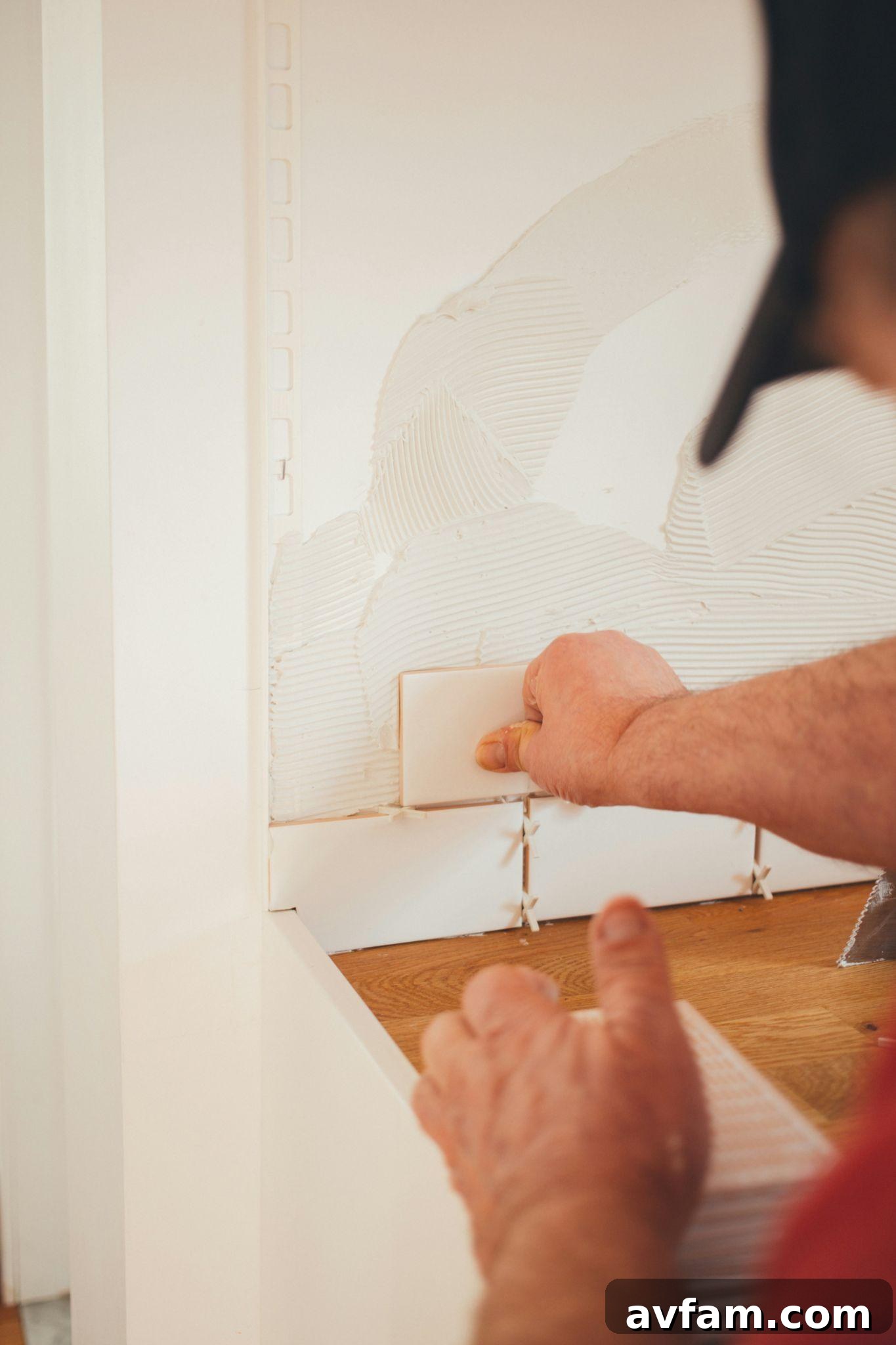
Between clearly DIY tasks and clearly professional ones sits a large middle ground: tile work, flooring installation, drywall repair, deck refinishing, swapping faucets or toilets, and building a fence. These are learnable skills and many homeowners do them successfully, but they’re also the projects where DIY efforts often go off course. The required skill level is higher than it appears, mistakes are more visible, and fixes can be harder to undo than repainting.
The key question for middle-ground projects isn’t simply “Can I do it?” It’s whether you can absorb the time and inconvenience if the job goes wrong. A bathroom you’re retiling may be out of service; if a one-week project stretches into four, household disruption becomes a real cost even if it doesn’t show up on a receipt. For first-timers, practice on a low-stakes area rather than the room everyone uses.
When It’s Time to Call a Professional
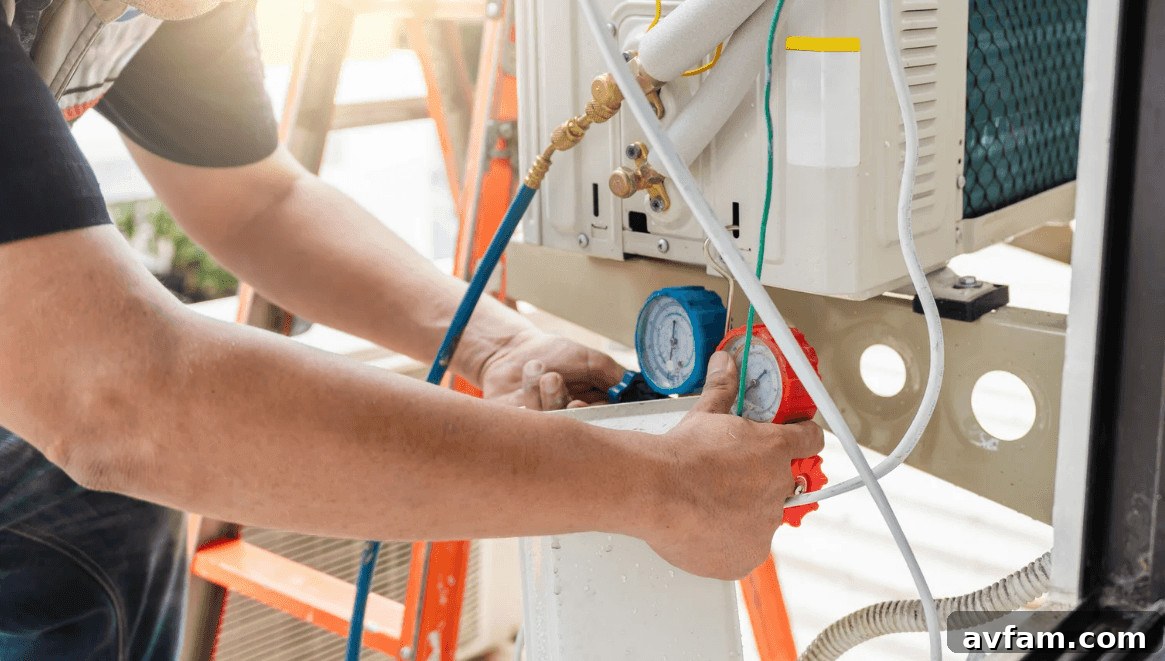
Decisions change when work affects major systems or a home’s structure: roofing, HVAC, electrical, window replacement, and significant remodels like full bathroom or kitchen renovations. These jobs commonly require permits, pose tangible safety risks if done incorrectly, and can create expensive or hidden problems later. A poorly installed roof or incorrect HVAC work can lead to water damage, energy loss, or safety hazards that cost far more than hiring a qualified contractor in the first place.
There are other consequences beyond the work’s quality. Unpermitted work can complicate a future sale and may have to be disclosed to buyers. DIY installation can void manufacturer warranties on equipment such as furnaces or water heaters. If a failure leads to damage, insurers may scrutinize who performed the work. These downstream issues are easy to overlook while a project seems to be going well.
Four Questions to Ask Before You Decide
Instead of memorizing a list of projects, most homeowners benefit from asking a few consistent questions before starting work:
- Does it require a permit? A permit usually indicates the work carries enough risk that inspections are desired. It doesn’t automatically mean you must hire a pro, but it raises the standard for competence and documentation.
- What happens if it fails at 2 a.m.? Some failures are merely inconvenient; others can flood a basement or leave you without heat in winter. Consider the severity of potential failures, not just the difficulty of the job.
- Is the work hidden once finished? Work concealed behind drywall, under floors, or on a roof is unlikely to be inspected again soon. Mistakes in hidden systems can compound quietly and become costly later.
- What is your time actually worth? A pro may finish in a day what takes you several weekends. That time has value in lost leisure, household disruption, or delayed use of a space. Factor that into the decision.
How to Make Hiring a Pro Easier and Smarter
When a project clearly belongs to a professional, finding the right contractor at a fair price becomes the next challenge. Homeowners often lose potential savings by accepting the first quote they receive without comparison. It pays to get multiple estimates and to compare what each includes. Two roofing bids, for example, can differ significantly because one includes tear-off, disposal, and underlayment while another omits those items.
Ask each contractor what is included, who handles permits, what warranties cover, and whether cleanup or disposal is part of the price. The cheapest estimate isn’t always the best value if it skims important steps. Vet references, check licensing and insurance, and confirm timelines before signing a contract. That careful approach retains the cost-consciousness that made DIY appealing while ensuring the job is done correctly.

Developing the Real Skill: Knowing the Difference
The most successful homeowners aren’t those who do everything themselves or hire out every task. They are the ones who learn to sort projects by risk and complexity, reserve their time and effort for jobs suited to DIY, and carefully compare options when professional help is warranted. That judgment improves with experience: after a few projects, you’ll discover some tasks are easier than they seem and others deserve more respect than you first assumed.
Balancing DIY work with professional help is the sustainable path. It protects your home, your budget, and your time while allowing you to grow skills where it makes sense. In the end, the best strategy is a thoughtful mix—do what you can confidently and safely, and bring in the pros when the stakes are too high to risk it.