
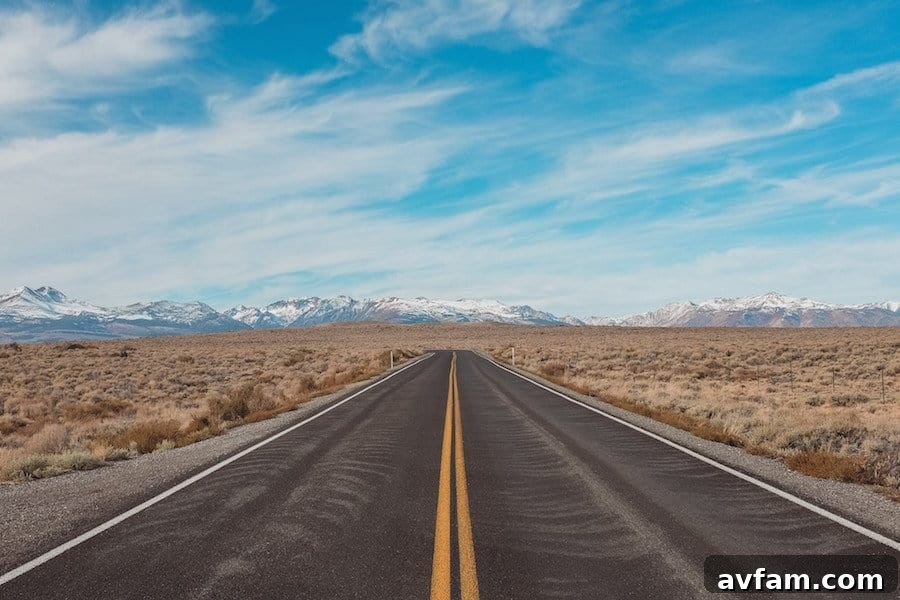
Embarking on our annual pilgrimage from the bustling heart of Los Angeles to the serene beauty of Lake Tahoe is a cherished family tradition. Each year, we deliberately steer clear of the monotonous Interstate 5, opting instead for the breathtaking US Route 395. This spectacular highway, gracefully tracing the eastern flank of the majestic Sierra Nevada mountain range, transforms a simple journey into an unforgettable adventure. It’s a route where every mile unveils a new vista, a hidden gem, or a fascinating historical landmark, making each trip a fresh exploration for our family.
Family Adventures on the Open Road
Our family dynamic shifted wonderfully last year with the arrival of our newest member, transforming our road trips into an entirely new dimension of adventure. With our eldest son, now seven, a seasoned road-tripper, we’ve cultivated a screen-free travel philosophy. Instead of tablets or movies, we encourage reading, engaging games, and interactive activities that foster connection and curiosity. This approach, detailed further on Built by Kids, demands a route rich with diverse and captivating stops to keep both our seven-year-old and our little one happily engaged. While a flight might seem simpler for the children, the unique demands of a 7-9 hour road trip call for a different strategy. This is precisely why we champion US Route 395 over the utilitarian I-5. Despite I-5’s purported efficiency, its landscape offers little beyond generic fast food and gas stations. US-395, by contrast, is a veritable treasure trove of captivating destinations, perfectly suited to entertain travelers of all ages, from the youngest explorers to the oldest adventurers.
Departing Los Angeles: The Gateway to Adventure
Departing from the urban sprawl of Los Angeles, the initial three hours of our journey present a more subdued landscape. The drive begins on I-5 before transitioning to CA-14, eventually leading us to the legendary US Route 395. This segment primarily showcases vast desert vistas, offering a stark yet beautiful contrast to city life. As the miles tick by, the scenery gradually shifts, hinting at the dramatic landscapes that await, until the distinctive geological formations around Lone Pine begin to emerge on the horizon, signaling the true start of our scenic adventure.
Lone Pine: Gateway to the Eastern Sierra
Lone Pine serves as a vibrant hub, teeming with activities and acting as the quintessential gateway to the magnificent Owens Valley – a captivating stretch of road that will accompany you for much of your journey north to Lake Tahoe. As you approach this scenic town, prepare to be awestruck by the towering presence of Mt. Whitney, proudly standing as the tallest peak in the contiguous United States, its rugged grandeur a stunning backdrop.
For an immediate immersion into natural beauty, turn left at the first light and delve into the Alabama Hills. This remarkable landscape, characterized by its unique rounded rock formations and expansive views, is a paradise for outdoor enthusiasts. It’s renowned for dispersed camping, where you’ll discover thoughtfully placed fire pits amidst breathtaking scenery, perfect for an evening under the stars. For families, the Alabama Hills are an unparalleled playground; children can spend hours climbing and exploring the intriguing boulders. While scaling Mt. Whitney is an epic, full-day endeavor for serious hikers, simply exploring the lower elevations offers immense rewards without the strenuous climb.
Beyond its natural allure, the area boasts a rich cinematic history. Hundreds of films, from classic Westerns to blockbusters like the opening scene of ‘Iron Man,’ have utilized its dramatic backdrop. The Lone Pine Film History Museum is an absolute must-visit, offering a captivating journey through this legacy with memorabilia and insights that will delight any film enthusiast.
Death Valley: A Land of Extremes
Just a short detour from the Owens Valley lies the formidable yet fascinating Death Valley National Park. This iconic landscape can be conveniently accessed from Lone Pine, or even earlier from the town of Olancha, offering varied entry points to its otherworldly terrain. For those seeking a truly scenic approach, the drive into Panamint Springs from Lone Pine is particularly picturesque. Death Valley, known for its extreme temperatures and unique geological features, is a land of stark beauty and incredible contrasts. If your road trip takes you through this region during the summer months, exercising extreme caution is paramount. Always ensure you carry an abundant supply of extra water, check your vehicle thoroughly, and stay informed about current conditions to safely appreciate this remarkable national park.
Manzanar: A Profound Historical Reflection
A short distance north of Lone Pine, travelers will encounter Manzanar National Historic Site, a profoundly moving and essential stop. This site stands as a poignant memorial to a dark chapter in American history, where during World War II, over 110,000 Japanese Americans, many of them U.S. citizens, were forcibly removed from their homes and incarcerated. Manzanar War Relocation Center was one of ten such camps, serving as a stark reminder of the devastating impact of prejudice and wartime hysteria. Today, Manzanar is meticulously preserved as a National Historic Site, offering daily tours and exhibits that provide a powerful and immersive educational experience. Walking through the recreated barracks and reflecting on the stories shared here serves as a solemn and vital reminder of the importance of civil liberties and the enduring responsibility to prevent such injustices from ever occurring again. It’s a truly humbling and educational experience that adds significant depth to the journey.
Big Pine: A Glimpse into the Cosmos
Continuing our journey northward on US-395 brings us to Big Pine. While not a bustling metropolis, this town serves as a convenient stop for refueling and grabbing a bite at its modest selection of gas stations and eateries. Its most distinctive feature, however, isn’t immediately visible within the town itself. Keep an eye out for a cluster of imposing satellite dishes shimmering in the distance – these belong to the Owens Valley Radio Observatory. This world-renowned astronomical research facility offers a rare glimpse into cutting-edge science, conducting public tours typically once a month. For those with an interest in space and technology, planning your road trip to coincide with one of these tours and making an advance reservation would be a truly unique and enriching experience, well worth the brief detour.
Bishop: Halfway Point and High Sierra Delights
Reaching Bishop signifies a significant milestone on your US-395 adventure: you are now approximately halfway to the shores of Lake Tahoe. As the largest town along this route, Bishop offers a robust selection of amenities and attractions. The elevation here remains relatively low, so summer days can be quite warm, but soon after departing Bishop, the road begins its steady ascent, leading to cooler mountain air. A visit to Bishop is incomplete without a stop at the legendary Schat’s Bakery, a local institution renowned for its delectable fresh-baked bread, mouth-watering sandwiches, an array of tempting cookies, and delightful pastries – perfect for a picnic or a delicious snack. History buffs and families alike will enjoy the Laws Railroad Museum, an open-air museum preserving a fascinating slice of frontier and railway history. For a truly extraordinary detour, venture into the White Mountains to explore the Ancient Bristlecone Forest. Here, you’ll walk among living organisms that have witnessed millennia, with some bristlecone pines boasting an age of over 5,000 years – making them among the oldest living things on Earth. And for those in need of a caffeine fix, Black Sheep Coffee Roasters offers expertly crafted beverages to energize the rest of your journey.
Mammoth Lakes: A Year-Round Mountain Escape
Leaving Bishop behind, the landscape dramatically transforms as you begin your ascent into the breathtaking Inyo National Forest. This segment of the journey is characterized by increasing elevation, lush pine forests, and numerous opportunities for scenic camping, beckoning outdoor enthusiasts to spend a night under the stars. The turn-off for Mammoth Lakes presents another fantastic side trip, leading you away from the main highway into a vibrant mountain town. Unlike many winding mountain roads, the approach to Mammoth Lakes is surprisingly direct and pleasant, guiding you straight into its heart. Mammoth Lakes is a premier year-round destination: in summer, it’s a haven for hiking, fishing, and exploring pristine alpine lakes, while winter transforms it into a world-class playground for skiing and snowboarding, drawing visitors from across the globe. Its energetic atmosphere and abundant recreational options make it a worthwhile detour for families and adventurers alike.
June Lake Loop: Sierra Nevada’s Scenic Gem
Continuing our ascent into the high Sierra, the picturesque June Lake Loop awaits, offering another spectacular stop regardless of the season. This stunning natural gem is enveloped by towering peaks and crystalline waters, creating an incredibly scenic backdrop for any activity. Whether you visit in the sun-drenched summer or the snow-covered winter, June Lake provides abundant opportunities for outdoor recreation. Families can enjoy serene camping, world-class fishing in its sparkling waters, or invigorating hikes along trails that offer panoramic views of the surrounding wilderness. The charm and natural splendor of June Lake make it a truly unforgettable experience on the US-395.
Lee Vining: Eastern Gateway to Yosemite
A short drive beyond the idyllic June Lake, you’ll discover the charming, albeit small, town of Lee Vining. Strategically positioned as the eastern gateway to the legendary Yosemite National Park via Tioga Pass, Lee Vining truly comes alive during the summer months, buzzing with energy from travelers eager to explore the park’s wonders. This town has long held a special place in our hearts, particularly for its once-beloved Mono Cone, which offered fantastic burgers, thick shakes, and delicious ice cream – a sad loss for hungry road-trippers, as it appeared closed indefinitely on our last visit. Despite this, Lee Vining still retains its unique character. You’ll find a mix of quirky, kitschy shops alongside practical outlets where you can stock up on any last-minute supplies, snacks, or gear before embarking on your unforgettable adventure into Yosemite Park. It’s a vital pit stop before venturing into the wilderness.
Mono Lake: An Ancient Saline Wonderland
Directly following your departure from Lee Vining, an astonishing natural wonder, Mono Lake, will dramatically unfold on your right. This truly unique saline soda lake is an ancient marvel, having formed approximately 760,000 years ago. Its distinctive chemistry stems from a lack of natural outflow, leading to an incredibly high concentration of dissolved salts and minerals. Consequently, Mono Lake supports a specialized ecosystem and is a designated protected area, meaning you won’t find recreational boating or swimming here. However, its shores offer a captivating spectacle: the famous ‘tufa towers.’ These striking, otherworldly columns, composed of limestone and salt, rise dramatically from the water, formed by the interaction of freshwater springs and the alkaline lake water. Driving down to the shoreline provides an excellent opportunity to marvel at these geological sculptures up close, offering incredible photography opportunities and a glimpse into a truly ancient and dynamic landscape.
Bodie Ghost Town: A Step Back in Time
For years, we consistently passed the sign for Bodie, always promising ourselves we’d make the detour ‘next time.’ Last year, we finally embraced the opportunity, turning off US-395 for the 13-mile drive (with the final 3 miles unpaved) to the remarkably preserved Bodie State Historic Park. It’s important to note that vehicles cannot drive directly into the ghost town itself; parking is available just outside, and you explore on foot. Our journey was made exceptionally comfortable by the 2019 Ford Expedition we were test-driving, which effortlessly absorbed the bumps and unevenness of the unpaved section. However, most standard vehicles with decent ground clearance should manage the gravel road without issue, provided you take it slowly and carefully.
Bodie proved to be an utterly amazing and unforgettable treat. Stepping into this ‘state of arrested decay’ is like traveling back in time to the raw, untamed days of the California Gold Rush. Unlike many ghost towns reduced to ruins, Bodie is maintained in a state of authentic decay, with buildings and their contents appearing exactly as they were left over a century ago. Exploring the deserted streets, peering into dusty saloons, and imagining the lives of the prospectors and pioneers who once populated this boomtown offers a powerful and unique historical immersion, truly unlike anything else we’ve encountered in the American West. We left profoundly grateful for having finally experienced this incredible piece of history.
Bridgeport: Eastern Sierra’s Charming Outpost
As our journey on US-395 continues north, we arrive at Bridgeport, a town that truly embodies the quintessential charm of the Eastern Sierra. Bridgeport is celebrated as a premier hub for outdoor enthusiasts, offering unparalleled access to a myriad of pristine surrounding lakes and a vast wilderness ripe for exploration. Anglers flock here for world-class fishing opportunities, particularly fly-fishing in its renowned streams and lakes. Beyond its natural allure, Bridgeport delights with a selection of quaint bars, inviting hotels, and cozy restaurants, providing perfect spots to relax and recharge. For many, including our family, Bridgeport stands out as the most charming town on the entire Los Angeles to Lake Tahoe route. Its main street, often lined with picturesque white picket fences and historic storefronts, evokes a nostalgic sense of stepping back in time, offering a delightful glimpse into a bygone era of mountain town life. It’s an ideal place to stretch your legs, enjoy a meal, and soak in the rustic beauty before the final push to Lake Tahoe.
The Home Stretch to Lake Tahoe
Leaving the charm of Bridgeport behind, you enter the exhilarating final stretch of your drive to Lake Tahoe. The elevation begins to climb once more, bringing with it a dramatic transformation of the landscape. If daylight permits, prepare to be captivated by the scenery: the road often runs parallel to a vibrant, sometimes roaring river, its waters tumbling over rocks as it carves its way through the valley. The Sierra Nevada mountains, which have been a distant companion for much of the trip, now assert their majestic presence, growing larger, more rugged, and more expansive with every mile. The air becomes crisper, hinting at the alpine environment of your destination, building anticipation for the stunning beauty of Lake Tahoe that lies just ahead.
Our Reliable Companion: The Ford Expedition
Our recent journey from Los Angeles to Lake Tahoe was elevated by the exceptional comfort and capability of the 2019 Ford Expedition. This magnificent SUV proved to be the ideal companion for tackling the diverse terrains of US-395. Its robust suspension effortlessly absorbed the bumps and imperfections of the unpaved roads leading to Bodie Ghost Town, ensuring a remarkably smooth ride – a true blessing for our sleeping baby in the back. The Expedition is undeniably spacious. As an F-150 SuperCrew owner, I’m accustomed to large vehicles, but the Expedition’s generous proportions, especially when considering the extended Max version, offer unparalleled interior volume. This ample space was a significant advantage for our family, allowing us to comfortably pack a week’s worth of camping gear, hiking equipment, and all the essentials for exploring the Lake Tahoe region without compromise.
Inside, the Expedition caters wonderfully to family travel. The front cabin provided abundant room for the adults, while the second-row captain’s chairs were a much-appreciated upgrade for our boys, offering far more comfort and personal space than a standard bench seat. We opted to fold down the third row, maximizing the cargo area to accommodate all our adventure necessities. Throughout the long hours on the road, the ride remained supremely comfortable, and with numerous cupholders and power outlets readily available, everyone stayed hydrated and their devices charged, minimizing any potential road trip squabbles. Thoughtful features like the automatic drop-down running boards made entry and exit effortless for all passengers, and the quick-operating, spacious tailgate provided easy access to the deep cargo area.
Performance-wise, the Expedition’s powerful engine handled the steep mountain ascents with remarkable ease, offering confidence when passing other vehicles. Upon reaching our remote cabin near Lake Tahoe, the conditions demanded superior traction. Engaging the 4-high setting on the Expedition transformed it into a formidable off-road machine, confidently navigating the steep, unpaved driveway. Having experienced its capabilities firsthand, the Ford Expedition has certainly climbed to the top of our list for a potential family SUV. While its size presents a minor logistical challenge in the tighter parking confines of Los Angeles, a common consideration for any large vehicle owner (which I mitigate by parking further afield), for suburban living or frequent road trips like ours, it would be an absolute unequivocal choice. This outstanding SUV truly enhanced every aspect of our scenic drive and family adventure.