
Embarking on a large-scale home renovation is a monumental undertaking, often promising breathtaking results but demanding significant adjustments to your daily life. We’ve often discussed here at C&H the intricate dance of living through such transformative projects. Whether you opt for a temporary escape to a short-term rental or cleverly repurpose existing rooms into makeshift living quarters, there’s no denying that remodeling inherently disrupts your routine for the duration. The anticipation of the finished product, however, makes every ounce of effort and inconvenience incredibly worthwhile!
Amidst the excitement and inevitable chaos, one question consistently arises, often sparking debate among renovators: how do you tackle cleaning during a renovation? Your immediate instinct might be to declare it utterly futile, given the constant onslaught of dust, debris, and construction materials that permeate every corner. Indeed, trying to maintain pristine conditions while walls are coming down and new structures are going up can feel like an exercise in Sisyphusian futility. Yet, allowing the mess to spiral out of control risks not only hindering the project’s progress but also creating living conditions that verge on unmanageable, potentially impacting your well-being and even your health.
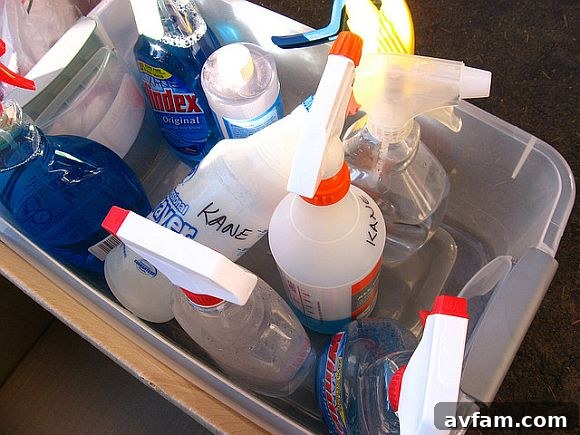
We recently stumbled upon a fascinating perspective on cleaning during a renovation, shared firsthand on Tell’er All About It. Their approach resonated deeply with us, advocating for a proactive, albeit perhaps counter-intuitive, strategy. Far from surrendering to the dust, they embraced a system of daily maintenance, demonstrating that while you can’t eliminate renovation mess, you can certainly manage it effectively. This strategy isn’t about achieving showroom perfection each evening, but rather about preventing overwhelming accumulation and ensuring a degree of comfort and safety in your temporary living environment.
The Inevitable Dust: Why Daily Renovation Cleaning Isn’t Pointless
The sheer volume of dust generated during a home renovation is often underestimated. It infiltrates every crack, settles on every surface, and seems to multiply overnight. While it’s tempting to throw in the towel and declare “I’ll clean it all when it’s done,” ignoring the mess can lead to several significant drawbacks:
- Health Risks: Renovation dust often contains fine particles of wood, drywall, concrete, insulation, and sometimes even lead paint or asbestos (in older homes – always test!). Inhaling these can exacerbate allergies, trigger respiratory issues, and pose long-term health hazards. Regular cleaning reduces airborne particles.
- Project Efficiency: A cluttered and dusty worksite can impede progress. Tools get lost, measurements become less accurate, and contractors may find it harder to work efficiently. Keeping the area relatively clean ensures a smoother workflow.
- Safety Hazards: Debris, stray nails, and tools can create tripping hazards or lead to injuries. A clean site is a safer site for both homeowners and workers.
- Mental Well-being: Living in a constant state of disarray can take a significant toll on your mental health. The psychological burden of unending mess can lead to stress, anxiety, and renovation fatigue. Even small daily cleaning efforts can provide a sense of control and normalcy.
- Protecting Your Belongings: Even with careful sheeting, dust finds its way. Regular wiping and vacuuming help protect any items that couldn’t be completely removed or covered from excessive dust buildup.
Crafting Your Daily Renovation Cleaning Strategy
The key to successful renovation cleaning isn’t a monumental effort, but rather a consistent, manageable routine. Inspired by the approach mentioned, here’s how you can implement an effective daily strategy:
Essential Daily Habits:
- The Daily Vacuum (Yes, Every Day!): This is non-negotiable. Invest in a good shop-vac or a dedicated HEPA-filter vacuum cleaner. Standard household vacuums often just redistribute fine dust. Focus on high-traffic areas, entrances, and especially the pathways leading to your temporary living space. This significantly reduces the amount of dust tracked throughout your home.
- Wiping Down Surfaces: Use damp microfiber cloths to wipe down reachable surfaces in active renovation zones and adjacent areas. Microfiber traps dust effectively, preventing it from recirculating. Prioritize surfaces in shared living spaces.
- Protecting Adjacent Areas: Before the workday begins, or at the end of it, ensure that plastic sheeting and painter’s tape are securely in place to seal off finished or unaffected rooms. Double-check entry points to minimize dust migration. Consider using sticky floor mats at the entrance of active work zones.
- Tool Organization: Make it a habit to gather and store tools and materials at the end of each day. Not only does this contribute to a cleaner environment, but it also improves safety and ensures tools are readily available the next morning, saving valuable time. Create designated storage bins or zones.
- Emptying Trash and Debris: Don’t let construction waste pile up. Dedicate specific bins for different types of waste if sorting is required, and ensure they are emptied regularly. This prevents odors, pests, and keeps the site clear.
The Sanctuary Principle: Your Oasis Amidst Chaos
No matter your DIY style, one of the most critical components of maintaining sanity during a major renovation is the establishment of a designated “sanctuary.” This should be a clean, quiet, and renovation-free zone where you can genuinely retreat and unwind. Whether it’s a specific bedroom, a converted basement space, or even a temporary residence you’ve rented for the project’s duration, knowing you have this haven can do wonders for your mental and emotional well-being.
Setting Up Your Renovation Retreat:
- Choose the Right Space: Select a room that can be easily sealed off from the renovation dust and noise. Ideally, it should be as far away from the active work zone as possible.
- Establish Clear Boundaries: Once chosen, this space becomes sacrosanct. No tools, no construction materials, no dusty shoes allowed. Communicate these rules clearly to everyone involved in the project, including contractors.
- Enhance Comfort and Cleanliness: Dedicate extra effort to keeping this space spotless. Use an air purifier with a HEPA filter to maintain air quality. Keep bedding fresh, surfaces clean, and personal items free from dust. Add elements that bring you comfort: soft lighting, books, plants, or anything that helps you relax.
- Soundproofing (If Possible): While complete silence might be impossible, consider temporary soundproofing measures like heavy curtains or even a white noise machine to dampen construction sounds.
This sanctuary serves as a vital psychological buffer, offering a much-needed break from the constant disruption and reminding you that there’s an end in sight, and a peaceful home awaits. It’s where you can recharge, refocus, and remember why you started the renovation in the first place.
Navigating Renovation Stages with Smart Cleaning
Cleaning needs evolve as your renovation progresses. Tailoring your approach to each stage can maximize efficiency and impact.
Demolition: Containment is Key
During demolition, dust and debris are at their peak. The focus here should be on containment. Seal off work areas with heavy-duty plastic sheeting and zipper doors. Use industrial-grade vacuums for cleanup. If possible, consider having a dumpster on-site for immediate waste disposal to prevent large piles of debris from accumulating.
Construction: Regular Upkeep Prevents Overwhelm
As new structures go up and various trades move through, regular, lighter cleaning becomes crucial. This is where your daily vacuuming, wiping, and tool organization routine truly shines. Ensure pathways remain clear and surfaces are routinely cleared of sawdust, plaster dust, and small off-cuts. This stage benefits from constant vigilance.
Finishing Touches: Preparing for the Grand Reveal
As the project nears completion, the type of dust changes (e.g., fine drywall dust from sanding, paint overspray). While daily cleaning continues, you’ll start preparing for the eventual deep clean. Ensure all protective coverings are still in place in unaffected areas. Begin a more thorough dusting and vacuuming in areas where work is complete, but avoid harsh chemicals that could damage new finishes.
The Great Debate: Clean As You Go vs. One Big Final Clean
Many homeowners grapple with whether to clean throughout the renovation or wait for one massive post-project deep clean. Our experience, and the insights from others, strongly suggest a hybrid approach:
- Arguments for “Clean As You Go”: As discussed, this minimizes health risks, improves safety, helps project flow, and significantly boosts mental well-being. It prevents dust from embedding deeply into surfaces and furnishings, making the final clean less daunting.
- Arguments for “One Big Final Clean”: Some argue that any cleaning during the project is wasted effort, as new dust will simply replace old dust. They prefer to focus solely on the project, saving all cleaning efforts for the end. While this saves daily effort, it often results in an overwhelming and extremely labor-intensive final clean.
Our Recommendation: The Hybrid Approach. Implement a consistent daily cleaning routine for managing immediate mess and dust, especially in transitional and living areas. This includes daily vacuuming, wiping, and maintaining your sanctuary. Once the contractors are completely finished and have removed their equipment, then you can embark on the thorough, deep post-renovation clean.
Must-Have Tools for Renovation Cleaning Warriors
Equipping yourself with the right tools can make renovation cleaning far more effective and less frustrating:
- HEPA-Filtered Vacuum Cleaner: Essential for trapping fine dust particles that regular vacuums miss.
- Shop-Vac: Powerful and durable, perfect for picking up larger debris, screws, and wet messes.
- Microfiber Cloths: Excellent for dusting and wiping surfaces, as they trap dust rather than just pushing it around.
- Heavy-Duty Trash Bags and Bins: For efficient collection and disposal of construction waste.
- Plastic Sheeting and Painter’s Tape: Crucial for sealing off areas and protecting surfaces.
- Dust Masks/Respirators: Protect your lungs, especially during demolition or heavy dusting.
- Gloves and Safety Glasses: For protecting your hands and eyes from debris.
- Large Brooms and Dustpans: For quick sweeps of larger debris.
- Air Purifier: With a HEPA filter, it helps clean the air in your living areas.
Beyond the Dust: Maintaining Sanity During Renovation
Cleaning is just one facet of coping with a renovation. To truly maintain your sanity, consider these broader tips:
- Communicate Clearly: Maintain open lines of communication with your contractors about schedules, expectations, and any concerns.
- Set Realistic Expectations: Renovations rarely go exactly as planned. Be prepared for delays, unexpected issues, and adjust your mindset accordingly.
- Plan Regular Breaks: Step away from the renovation environment occasionally. Go for walks, visit friends, or spend time in places that offer peace and quiet.
- Prioritize Self-Care: Ensure you’re getting enough sleep, eating well, and engaging in activities that help you de-stress.
- Focus on the End Goal: Keep your vision of the completed project alive. Remind yourself of the beautiful home that awaits, and that the current disruption is temporary.
The Ultimate Post-Renovation Deep Clean
Once all construction work is truly finished, the final, comprehensive deep clean can commence. This is where you remove every last trace of the renovation. It often involves:
- Washing all walls, ceilings, and trim to remove settled dust.
- Thoroughly cleaning all new fixtures, windows, and flooring.
- Deep cleaning carpets or upholstery that were present during the renovation.
- Cleaning out HVAC systems and changing filters to remove trapped dust.
Many homeowners choose to hire professional post-construction cleaning services for this final stage. These services have specialized equipment and expertise to handle the unique challenges of renovation dust, often leaving your home sparkling and truly ready for you to enjoy.
Conclusion: Embrace the Journey, Manage the Mess
Living through a home renovation is undoubtedly a journey filled with challenges, but also immense satisfaction. While the thought of constantly cleaning amidst the construction can feel overwhelming, adopting a proactive, daily approach to managing dust and debris can significantly improve your experience. By establishing a clean sanctuary, employing effective tools, and focusing on consistent, manageable efforts, you can maintain your health, your sanity, and even help your project move along more smoothly. The results of your renovation will be even sweeter when you can finally settle into a beautifully transformed home that feels truly fresh and clean from the outset.
What are your thoughts on this topic? If you’ve gone through a major renovation, did you find yourself cleaning up throughout the project? Or do you prefer to tackle a thorough cleaning only once the dust literally settles? We’d love to hear your experiences and tips!
Photo: Flickr.com/photos/collinanderson/2912308728/