
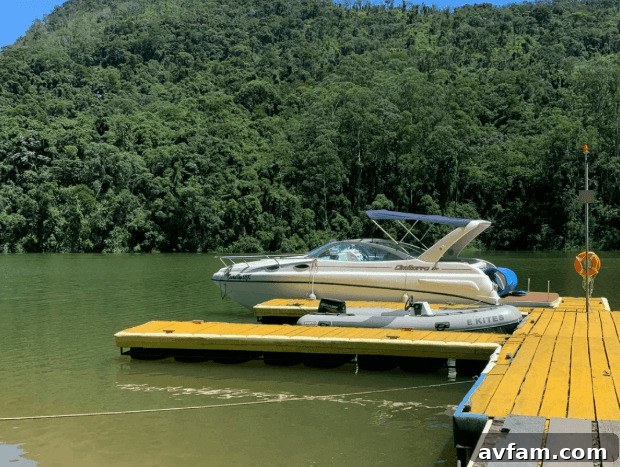
A dock is far more than just a functional structure; it’s a gateway to the water, a personal retreat, and an integral part of your waterfront lifestyle. It’s the place where cherished memories are made, from leisurely afternoons by the shore to launching adventurous excursions. However, this valuable asset is constantly battling the relentless forces of nature—unpredictable winds, persistent waves, fluctuating water levels, and the general wear and tear of daily use. Over time, even the most robustly constructed dock can show signs of fatigue and weaken if not diligently maintained and strategically reinforced.
Investing in strengthening your dock’s frame is a proactive measure that safeguards your significant investment, substantially extends its operational lifespan, and crucially, ensures the safety of your boats, personal watercraft, and valuable gear, particularly during adverse weather conditions. A well-reinforced dock provides unparalleled peace of mind, guaranteeing that your waterfront haven remains stable, secure, and ready for every occasion, whether you’re embarking on a serene morning paddle, hosting lively family gatherings, or simply unwinding by the tranquil waterside.
Achieving meaningful and lasting improvements to your dock doesn’t necessarily demand a complete, costly rebuild. With a well-thought-out strategy that incorporates the right upgrades, material choices, and a commitment to regular, thorough inspections, you can significantly enhance your dock’s inherent stability, resilience, and resistance to potential damage caused by severe storms, strong currents, and the continuous stresses of daily operation. The following comprehensive steps are designed to guide you through practical and effective methods for reinforcing dock frames, ultimately improving their performance and longevity even in the most challenging marine environments.

Assess Your Dock’s Exposure to Wind and Waves
The first critical step in developing an effective dock reinforcement strategy is to thoroughly understand and quantify the specific environmental forces your dock routinely encounters. Docks situated along expansive, open shorelines or large bodies of water are typically subjected to the most intense and sustained impact from wind and waves, often referred to as “fetch.” Conversely, docks located within narrow inlets, channels, or river systems can experience a “funneling effect,” where wind and currents intensify, creating concentrated, uneven pressure points on the dock’s structure. Understanding this localized exposure is paramount for targeted reinforcement and enhancing dock stability.
Observing your dock’s behavior under varying weather conditions—from calm days to moderate breezes and even strong storms—provides invaluable insights. Pay close attention to areas that exhibit noticeable movement, excessive flexing, or seem inherently unstable. These are often the primary candidates for immediate and robust reinforcement. Document these observations, perhaps even with photos or video, to create a detailed record of your dock’s vulnerabilities. Consider consulting historical weather data for your specific location to understand prevailing wind directions, common storm patterns, and typical wave heights. This foresight allows for proactive strengthening rather than reactive repairs.
Furthermore, it’s essential to be aware of any changes occurring in the immediate vicinity of your dock. Shoreline erosion can undermine foundations, shifting sandbars or dredging operations can alter water depths and current patterns, and increased boat traffic can generate larger wakes, all of which contribute to elevated stress on certain sections of the dock. Develop a keen ear for unusual creaking, groaning, or grinding sounds, which are often indicators of strained connections or structural fatigue. Any noticeable flexing or bouncing under load—whether from people walking or boats docking—serves as an early warning sign that should be addressed promptly. Ignoring these indicators can lead to minor issues escalating into significant structural failures, compromising not only your investment but also the safety and comfort of everyone using your dock. A proactive approach to understanding environmental forces lays the groundwork for a truly stable and long-lasting dock frame.
Find Weak Points in Your Dock Frame
The integrity of any structure, including your dock, is ultimately determined by its weakest link. Therefore, a meticulous inspection aimed at identifying these vulnerabilities is a non-negotiable step in any dock strengthening endeavor. Begin your examination by focusing intently on all structural joints, the integrity of fasteners, and every intersection where support members meet. Loose hardware, such as bolts, screws, or lag bolts, or fittings that exhibit significant rust or corrosion, are critical failure points. These compromised components can quickly give way under the dynamic stresses of strong winds, relentless waves, or sudden impacts, jeopardizing the entire dock’s stability and potentially leading to catastrophic failure.
For docks constructed primarily of wood, a thorough inspection of all wooden components is essential. Look for any signs of cracking, splitting, splintering, or, most importantly, evidence of water damage such as rot, decay, or excessive softening. These issues dramatically diminish the wood’s load-bearing capacity and structural rigidity, making the frame more susceptible to unwanted flexing, twisting, and shifting over time. Pay particular attention to areas where wood meets water or is consistently exposed to moisture, as these are prime locations for decay.
Critical areas for focused inspection include transition zones. These encompass where the dock connects to the shoreline (e.g., gangways, ramps, or fixed platforms), or where different dock sections meet, such as the junction between fixed and floating segments. These specific points are inherently subjected to higher, more complex stress loads due to differential movement, varied environmental exposure, and concentrated forces. Consequently, they often exhibit accelerated wear and tear compared to other, more stable parts of the structure. Early detection and repair of these weak points are paramount; addressing minor deficiencies now can prevent major, expensive structural repairs or even a complete dock replacement in the future. A dock free of weak points remains a solid, dependable, and safe platform, ready to perform reliably when you need it most, enhancing both functionality and peace of mind.
Improve Dock Anchoring for Better Stability
Effective anchoring is the bedrock of a stable and resilient dock, particularly in environments prone to significant wind and wave action. Regardless of your dock type—fixed, floating, or a combination—its ability to resist lateral and vertical forces hinges on how securely it is moored to the seabed or shoreline. Begin by meticulously checking the integrity and placement of your current anchoring system. Ensure that all anchors are firmly set, whether they are pilings driven into the lakebed, helical anchors, deadweight anchors, or shoreline tie-downs. Proper spacing of anchors is equally vital, as it allows for the even distribution of environmental forces across the entire dock structure, thereby minimizing concentrated stress on any single point or connection.
Consider upgrading anchor lines to heavier gauge chains or cables if current ones show signs of wear, insufficient strength, or if your dock faces increasingly harsh conditions. Adding more tie points along the dock perimeter provides additional security and helps to further dissipate forces. These seemingly simple modifications can yield substantial improvements in overall dock stability without necessitating extensive or disruptive construction work. For docks in deeper waters, areas with soft substrates, or locations highly exposed to turbulent conditions, exploring advanced anchoring systems is highly advisable. Flexible anchoring solutions, such as those employing heavy-duty elastic lines, specialized spring systems, or even certain types of articulated piling connections, allow the dock to “give” slightly and move more harmoniously with the changing water conditions, rather than rigidly resisting them. This controlled movement significantly reduces strain on the dock frame during severe weather events, effectively preventing structural fatigue and potential damage.
This nuanced approach to anchoring is particularly beneficial for recreational setups like a kayak launch dock, where a balance between controlled flexibility and unwavering stability is crucial for safe and easy access. Enhanced anchoring not only fortifies the dock itself but also contributes to a noticeably more secure and comfortable experience when boarding or disembarking your vessel. A well-designed and maintained anchoring system is the invisible guardian of your dock’s long-term performance and safety.
Reinforce Dock Pilings and Footings
Pilings and footings are the fundamental structural elements that bear the entire weight of your dock and absorb the brunt of environmental forces. Maintaining their strength and integrity is absolutely critical for the long-term stability and safety of the entire structure. Over time, relentless water movement, potential impacts from boats or debris, and natural erosion of the surrounding seabed or shoreline can significantly weaken these vital supports, leading to instability or even structural collapse. Regular, thorough inspections of all pilings are therefore paramount.
During your inspection, carefully examine pilings for any visible signs of wear and tear, such as cracks, splintering, signs of rot or marine borers in wooden pilings, corrosion in steel pilings, or any noticeable shifting from their original vertical alignment. Any surface damage that compromises the piling’s material integrity should also be noted. To mitigate future wear, consider installing protective sleeves, often made from durable PVC or composite materials, around the pilings, particularly at the waterline where environmental exposure is most severe. For improved long-term stability, especially in areas with soft substrates or high exposure, extending pilings deeper into the ground through driving or jetting techniques can provide a much more secure and resistant foundation.
In locations where the dock experiences heavy static loads (e.g., from large boat lifts, storage sheds, or substantial decking) or is subjected to exceptionally rough water conditions, installing additional pilings is a highly effective reinforcement strategy. This approach helps to more evenly distribute the applied weight and environmental forces across a broader structural footprint, significantly reducing the stress concentrated on individual pilings and mitigating unwanted movement or deflection of the main dock frame. For fixed docks utilizing footings on the shoreline or shallow bottoms, ensure these footings are robust, properly sized, and deeply embedded to prevent undermining or shifting. Concrete collars or scour protection around footings can prevent erosion. Strong, well-supported pilings and stable footings create an unyielding base that keeps the entire dock solid, reduces noticeable flex across the entire frame, and provides a remarkably firm and secure sensation underfoot, enhancing user confidence and the dock’s overall structural longevity.
Strengthen Dock Frame Connections
The strength and stability of your dock frame are critically dependent on the integrity of its connections. A dock is only as strong as the points where its individual components—beams, stringers, joists, and decking—are fastened together. Therefore, a meticulous examination of all structural joints is essential to ensure they are consistently tight, secure, and free from any signs of compromise. In many dock constructions, especially older ones or those built on a budget, nails alone are often utilized for connections. While adequate for light loads in calm conditions, nails are notoriously prone to loosening, withdrawal, and eventual failure when subjected to the dynamic, repetitive stresses of high winds, turbulent water, and regular usage. This makes them insufficient for true long-term dock stability.
To significantly enhance the structural integrity of your dock, it is highly recommended to replace or upgrade existing connections wherever necessary, especially at critical load-bearing joints. This involves transitioning from nails to more robust fastening methods, primarily using bolts and heavy-duty metal brackets. Through-bolts, secured with washers and nuts, provide a far superior mechanical hold compared to screws or nails, effectively clamping structural members together and drastically reducing movement between parts. Marine-grade stainless steel or hot-dipped galvanized bolts and brackets are crucial to resist corrosion in the harsh marine environment.
Furthermore, strategically installing reinforcement plates at key structural joints can prevent twisting, racking, or separation, particularly during severe storms or high-impact events. These plates, typically made from sturdy steel, reinforce the joint in multiple directions, distributing stresses more effectively. Focus their placement on areas that handle the most concentrated load, such as where main beams connect to pilings, or sections that have historically shown signs of movement or stress. By upgrading and reinforcing these critical connections, the entire dock is transformed into a more unified, solid, and structurally cohesive unit. This not only dramatically improves its overall strength and resilience but also significantly reduces long-term wear and tear on individual components. The result is a dock surface that remains noticeably steadier and more reliable during daily use, providing a safer and more enjoyable experience for everyone.
Add Cross-Bracing for a Stronger Dock
Cross-bracing is a fundamental structural enhancement that dramatically improves a dock’s ability to resist lateral forces, preventing side-to-side movement, twisting, and racking. Without adequate cross-bracing, repeated impacts from waves, currents, and even regular boat traffic can gradually cause the dock frame to deform, shift out of alignment, and ultimately weaken its overall integrity. This type of instability can lead to loose connections, damaged decking, and a generally unsafe and uncomfortable dock experience. Integrating effective cross-bracing is a proactive step toward creating a truly robust and long-lasting dock structure.
The most common and effective method is to install diagonal supports, typically connecting vertical pilings or horizontal beams. These diagonal members work by triangulating the structure, which is inherently stable. When forces are applied from the side, the diagonal braces convert these shearing forces into tension and compression within the structural members, effectively distributing the load more evenly across the entire framework. This triangulation significantly reduces stress concentrations on individual joints and helps maintain the dock’s rigid shape, keeping it stable and preventing unwanted deflection during even the most challenging conditions. Common types of bracing include ‘X’ bracing, ‘K’ bracing, or simple diagonal bracing between adjacent pilings or beams.
For docks situated in environments exposed to consistently strong storms, powerful currents, or expansive open water with significant fetch, opting for heavier-duty bracing materials is highly advisable. This might include larger dimension timbers, thicker gauge steel angles, or robust composite members. It’s crucial that all bracing is meticulously secured using marine-grade bolts, large washers, and lock nuts to prevent any loosening over time due to vibration or environmental cycles. Regular checks of these connections are important. Well-designed and strategically placed cross-bracing not only maintains the dock’s intended geometry and structural integrity but also plays a pivotal role in reducing long-term wear on other components, thereby preventing potentially costly future repairs. Critically, it creates a noticeably more stable and confident surface for walking, working, or simply enjoying the waterfront, enhancing both safety and user comfort.
Best Materials for a Strong and Long Lasting Dock
The choice of materials is a cornerstone of dock construction, profoundly influencing its durability, longevity, and resistance to the relentless challenges of the marine environment. Docks are constantly exposed to a brutal combination of elements: pervasive moisture, UV radiation from intense sunlight, fluctuating temperatures, abrasive wind, and the corrosive effects of salt or fresh water. Weaker or unsuitable materials will inevitably degrade rapidly, leading to premature failure and frequent, costly repairs. Selecting the right materials is therefore an investment in the dock’s future performance and aesthetic appeal.
For the primary structural components of the dock frame, such as joists, stringers, and pilings, pressure-treated lumber (specifically rated for ground contact or marine use, typically .40 or .60 CCA retention), composite lumber, or marine-grade metals like aluminum or stainless steel are highly recommended. Pressure-treated lumber, treated with preservatives, offers enhanced resistance to rot, insect infestation, and fungal decay. Composite decking, made from recycled plastics and wood fibers, provides exceptional moisture resistance, splinter-free surfaces, and minimal maintenance. Marine-grade aluminum is lightweight, corrosion-resistant, and ideal for floating docks or frames where weight is a concern. Stainless steel offers superior strength and corrosion resistance but comes at a higher cost.
When selecting materials, it’s vital to consider how each component will interact with the rest of the structure and the environmental conditions. While strength is paramount, some degree of controlled flexibility is also beneficial, allowing the dock to accommodate minor shifts or swells in water conditions without incurring damage. For decking, options like cedar, redwood, or specialized hardwoods can be used for their aesthetic appeal, but still require regular sealing and maintenance. Composite decking offers superior longevity and less upkeep. For fasteners, only marine-grade stainless steel (304 or 316) or hot-dipped galvanized steel should be used to prevent corrosion. In some advanced setups, incorporating features like a hydraulic boat lift can further enhance the longevity of both the boat and the dock. By lifting the vessel out of the water, it reduces direct wave impact on the boat itself, which in turn significantly lowers the dynamic stress placed upon the dock frame, extending its lifespan. Ultimately, a thoughtful selection of high-quality, marine-appropriate materials is the best guarantee for a dock that not only endures for decades but also retains its clean, well-maintained appearance over time.
Replace Corroded Dock Fasteners and Fittings
In the harsh marine environment, fasteners and metal fittings are often the unsung heroes of dock construction, yet they are typically the first components to show signs of wear and premature failure. Their constant and unavoidable exposure to water, whether fresh or saltwater, combined with oxygen and sometimes harsh chemicals, creates an ideal breeding ground for rust and various forms of corrosion. Once corrosion takes hold, it systematically weakens the material, reducing its tensile strength and compromising its ability to securely hold structural components together. A corroded fastener is a ticking time bomb, capable of sudden failure under stress, which can lead to localized damage or even a cascading structural collapse. Therefore, regular vigilance regarding the condition of all metal components is non-negotiable for dock safety and longevity.
During your routine dock inspections, pay meticulous attention to every bolt, screw, lag screw, and bracket. Look for any visible signs of rust (reddish-brown flaking), pitting (small depressions in the metal surface), discoloration, or material swelling, which can indicate active corrosion. Even seemingly minor surface rust can be a precursor to deeper structural compromise. Any fasteners or fittings that exhibit significant wear, deformation, or clear signs of corrosion should be promptly replaced without hesitation. The replacement hardware should always be made of superior, corrosion-resistant materials, specifically marine-grade stainless steel (preferably 316 for maximum corrosion resistance, especially in saltwater) or hot-dipped galvanized steel. These materials are engineered to withstand the rigorous demands of the marine environment far better than standard steel or electro-galvanized options.
Making these detailed inspections an integral part of your regular dock maintenance routine is a simple yet profoundly effective preventative measure. Catching and addressing small issues, such as a single rusted bolt, in their nascent stages can prevent them from developing into critical failure points during a severe storm or an unexpected heavy load. Strong, resilient, and corrosion-resistant hardware ensures that all connections remain robust and secure, playing a pivotal role in the overall structural integrity and safety of your entire dock. This proactive approach helps to avert unexpected issues during routine use, providing both peace of mind and a consistently reliable dock for years to come.
Reduce Wave Impact at the Shoreline
The shoreline connection represents one of the most inherently vulnerable sections of any dock structure. This area is frequently subjected to the most concentrated and powerful impacts from waves, boat wakes, and tidal surges. Over time, this relentless, repetitive force can lead to significant erosion, undermining of supports, and structural fatigue, ultimately jeopardizing the stability of the entire dock. Effectively mitigating wave impact at this critical interface is essential for long-term dock integrity and shoreline protection.
One highly effective strategy is to strategically introduce physical barriers or structures that help dissipate or redirect wave energy before it reaches the dock frame. This can involve installing wave deflectors, which are specialized structures designed to break up or push waves away from the dock. Alternatively, reinforcing the immediate shoreline with natural or engineered materials can provide substantial protection. Utilizing large, interlocking rocks (riprap), gabion baskets filled with stone, or even strategically planted resilient native vegetation can absorb much of the incoming wave energy, thereby reducing the direct force exerted on the dock’s attachment points and foundations. These “soft” or “hard” armoring techniques protect both the dock and the delicate shoreline ecosystem.
In some cases, simply adjusting the dock’s angle or slightly repositioning its connection point can significantly limit its direct exposure to prevailing wave patterns. This requires careful observation of wave direction during different weather conditions. For docks in exceptionally rough or exposed areas, the ultimate protective measure may be the installation of a breakwater. A breakwater is a substantial offshore structure, often constructed from rock or concrete, specifically engineered to block or substantially diminish the force of incoming waves, creating a much calmer, more sheltered environment for the dock and any moored vessels. Managing wave impact at the shoreline is not just about protecting the dock; it also helps to preserve the shoreline itself from erosion and contributes to creating a noticeably calmer and safer aquatic space around your dock. This enhanced tranquility makes for a more comfortable and enjoyable experience for all waterfront activities, from swimming to boarding a boat.
Add Features Without Weakening Your Dock
Enhancing your dock with additional features can significantly improve its functionality, convenience, and aesthetic appeal. However, such additions must be meticulously planned and executed to ensure they augment, rather than detract from, the structural integrity and stability of the existing dock frame. Thoughtfully integrated features like floating extensions, dedicated storage platforms for equipment, built-in seating areas, or modular sections can actually contribute to better load distribution across the entire structure, provided they are designed with structural balance in mind.
The key to successful additions lies in their careful installation. Each new component, whether it’s a bench, a cleat, or an entire new section, must be properly supported and securely attached to the main dock frame. Avoid simply bolting additions to superficial decking without ensuring that the underlying structural members (joists, stringers, or main beams) are adequately reinforced to handle the new load. Creating new stress points by improperly attaching features is a common mistake that can compromise the dock’s stability. For instance, a heavy storage box attached to a single joist might cause that joist to sag or twist over time, affecting the surrounding structure.
Maintaining a delicate balance is crucial when incorporating features that add significant weight or alter the dock’s overall footprint. When planning seating areas, BBQ stations, or equipment zones (like fishing stations or small dinghy hoists), ensure that the weight is spread out as evenly as possible and that no single section of the dock becomes overloaded. If a particular area will experience concentrated heavy loads, consider reinforcing the underlying frame with additional joists, beams, or even dedicated pilings if necessary. Structural analysis, even a rudimentary one, can help ensure the added weight won’t exceed the dock’s design capacity. Smartly designed and integrated additions not only make your dock more versatile and enjoyable but can paradoxically improve its stability in windy conditions or rough water by better distributing loads and adding mass strategically. This allows you to maximize the utility and enjoyment of your waterfront space without ever sacrificing the critical safety and structural resilience of your dock.
Conclusion
The journey to achieving a stronger, more resilient dock frame is rooted in a systematic approach that combines meticulous inspection with strategic, intelligent upgrades. By proactively identifying and addressing inherent weak points, significantly improving your dock’s anchoring systems, and making judicious choices about durable, marine-grade materials, you can substantially reduce the risk of damage, enhance its long-term stability, and ensure your dock remains a safe and reliable fixture even when confronted by the most challenging marine conditions.
Crucially, robust construction and reinforcement are only part of the equation; regular, diligent maintenance plays an equally vital, ongoing role. Instituting a routine schedule of inspections and promptly attending to minor fixes—such as tightening a loose bolt, replacing a corroded fitting, or reinforcing a fatigued joint—can avert the escalation of small issues into major, costly repairs down the line. This proactive vigilance also guarantees that your dock remains ready for use whenever you desire, eliminating unexpected downtime and ensuring maximum enjoyment of your waterfront investment.
With a comprehensive and committed approach to both initial strengthening and ongoing care, your dock can transcend its basic function. It will remain a safe, dependable, and aesthetically pleasing platform, consistently prepared for all aspects of your waterfront lifestyle. Whether you are launching a boat for a day on the water, securely storing valuable marine gear, entertaining guests, or simply relishing quiet moments by the shore, a well-built, meticulously maintained, and strategically reinforced dock truly helps you extract the utmost value and enjoyment from your cherished outdoor space, serving as a testament to durability and peace of mind.