
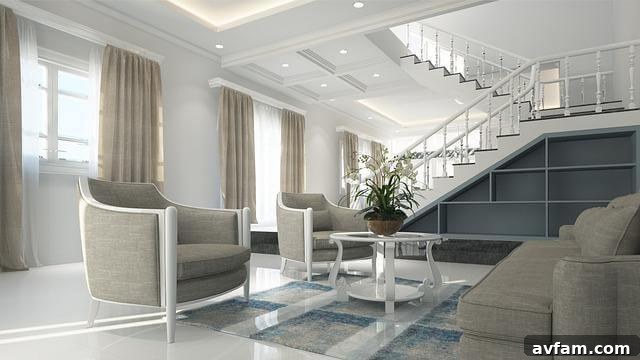
Most homeowners begin a renovation focused on how their home will look, but far fewer consider how it will function years down the road.
That distinction matters more than many realize.
A kitchen that photographs beautifully today can become a source of daily frustration after a few years of regular use. A bathroom designed around fast-moving trends may age poorly once practical needs become obvious. Even large renovations can fail to satisfy when aesthetics overshadow how routines, storage needs, and family life will evolve.
The renovations that deliver the greatest long-term satisfaction are those that continue to improve everyday life long after construction ends. That approach is especially important for projects like Kitchen remodeling in Springfield, MO, where homeowners increasingly balance modern style with durability and usability.
A Functional Home Ages Better Than a Trendy One
Design trends shift quickly; daily habits usually do not.
Homeowners who remodel primarily for visual impact often find themselves disappointed sooner than expected. Ultra-minimal kitchens may look sleek at first but reveal a lack of storage within months. Oversized statement fixtures can feel impractical when they interfere with everyday use. Open shelving may photograph well but create constant maintenance in busy households.
Functionality tends to outlast fashion because it supports how people live on a daily basis.
A thoughtfully planned remodel addresses the practical realities of home life, including:
● Traffic flow
● Storage habits
● Cleaning routines
● Lighting needs
● Family growth
● Aging in place
● Long-term maintenance
These choices may be less glamorous than selecting cabinet colors or tile patterns, but they have a far greater impact on day-to-day satisfaction. Homeowners who prioritize comfort, convenience, and flexibility typically remain happiest with their renovations over time.
Kitchens Need to Work Harder Than Ever
Over the last decade the kitchen’s role has expanded significantly.
Today it often serves as a cooking area, gathering spot, home office, homework station, entertainment hub, and storage center simultaneously.
Because of this, thoughtful kitchen remodels now emphasize reducing friction in everyday routines instead of just maximizing appearance. Small, practical changes can have a big payoff: wider walkways make mornings less chaotic, improved task lighting reduces eye strain and creates a welcoming atmosphere, and dedicated storage systems prevent clutter before it accumulates.
Appliance placement also matters more than many expect. A refrigerator placed too close to a main entry can disrupt household traffic; inadequate countertop landing space near ovens and sinks quickly becomes a frustration during meal prep.
A kitchen should feel intuitive to use. When the layout supports normal routines naturally, the entire home tends to feel calmer and more efficient.
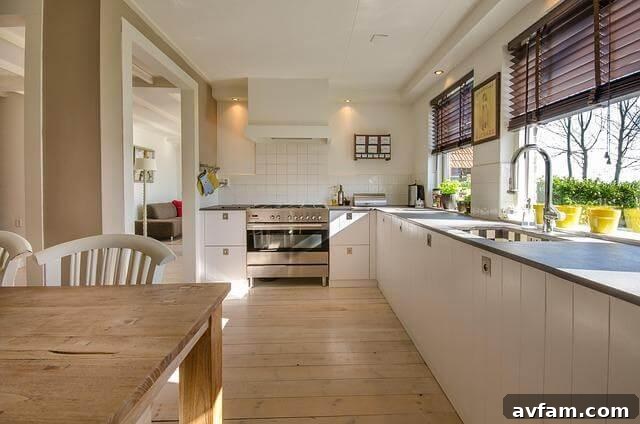
Bathroom Remodeling Is About Comfort, Not Just Style
Bathrooms are commonly renovated with resale value in mind, but long-term usability deserves equal emphasis.
Small annoyances compound in spaces that are used multiple times each day. Poor lighting, limited storage, awkward layouts, and hard-to-clean materials may seem minor initially but become significant over time.
Many homeowners now seek bathroom designs that balance visual appeal with comfort and practicality. Walk-in showers are popular not only for their modern look but because they improve accessibility and are easier to maintain. Improved ventilation prevents moisture damage that can silently degrade a home. Thoughtful storage solutions reduce clutter and make small bathrooms feel larger.
Material choices also affect long-term satisfaction. Natural stone can be beautiful but sometimes demands regular sealing and ongoing care that owners later regret. Durable, lower-maintenance surfaces often deliver a better long-term experience without sacrificing style.
The best bathroom remodels feel relaxing and remain straightforward to maintain.
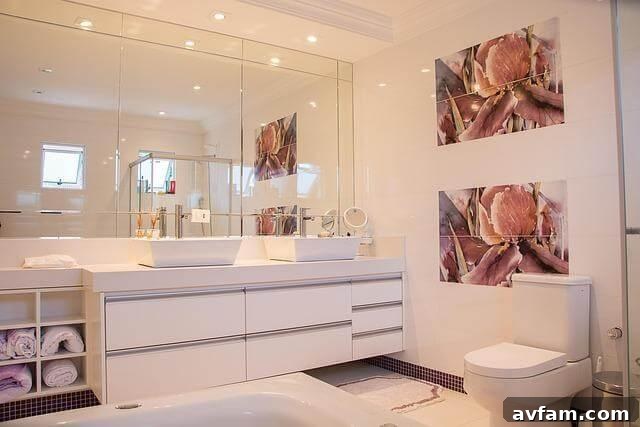
Whole-Home Remodeling Requires Lifestyle Planning
Large renovation projects commonly fail because homeowners design for the life they have now rather than the life they will lead.
Families with young children will likely need quiet workspaces as kids grow. Empty nesters often prioritize accessibility and low maintenance. Entertaining habits shift, storage needs expand, and technology integration becomes increasingly relevant.
Planning for these changes improves longevity. Flexible, multi-purpose spaces age better than rooms built for a single use. A game room that can be converted to a home office, guest suite, or media room offers long-term value. Built-in storage becomes more useful as belongings accumulate and routines change.
The same thinking applies outdoors. Modern deck projects are often designed as extensions of indoor living—usable across seasons and adaptable for entertainment or quiet family time.
Long-term thinking creates renovations that remain practical even as lifestyles evolve.
The Emotional Side of Remodeling Matters Too
Renovations are often evaluated in terms of resale value and style, but the emotional benefits are just as important.
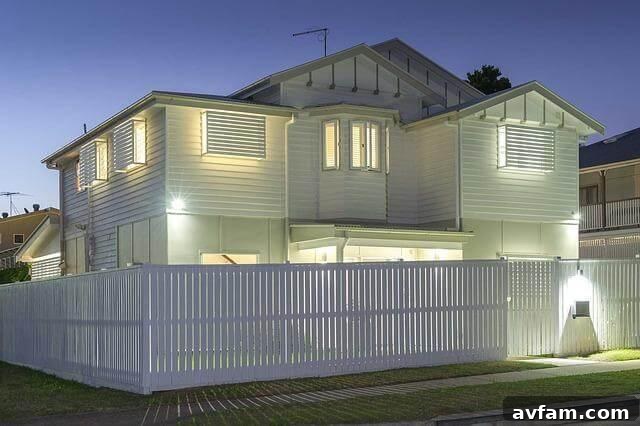
A well-designed home reduces stress in subtle ways: better organization leads to calmer mornings, thoughtful layouts make hosting easier, functional kitchens encourage cooking at home, and comfortable bathrooms offer small moments of quiet on busy days.
These everyday experiences shape how people feel inside their homes. Successful remodeling isn’t about creating the most eye-catching space; it’s about building an environment that supports daily life more effectively.
Homeowners who remain happiest with their remodels years later tend not to be those who chased the boldest trends, but those who created spaces that continued to serve their needs as life changed.
Good Remodeling Should Feel Invisible
The best renovations often go unnoticed in a positive way—not because they lack style, but because everything simply works.
Storage feels right. Movement through the house feels effortless. Lighting is comfortable. Maintenance is manageable. Daily routines run more smoothly without homeowners having to think about why.
Achieving that requires planning beyond trend-driven choices, but it typically delivers much greater long-term satisfaction.
Successful renovation is not just a visual transformation; it is an upgrade to how the home supports the people who live in it year after year.
For homeowners contemplating larger projects, firms focused on blending design, functionality, and long-term livability can help ensure renovations remain useful and enjoyable long after construction is complete.