
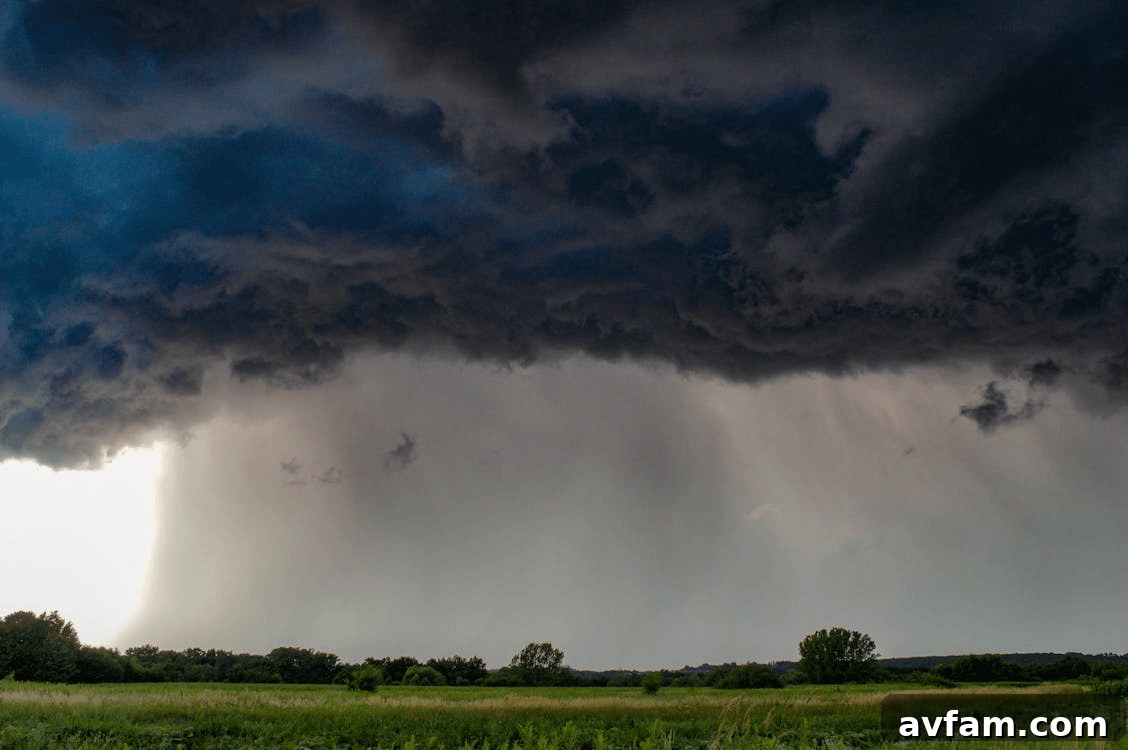
A Comprehensive Guide to Stormproofing Your Home
Severe weather is a powerful and often unpredictable force of nature. For homeowners in regions prone to hurricanes, tornadoes, or intense seasonal storms, preparing for the worst isn’t just a good idea—it’s an essential part of responsible homeownership. While no home can be entirely immune to the wrath of a major storm, you can take significant steps to fortify your property, minimize potential damage, and ensure the safety of your family. This comprehensive guide will walk you through the most effective strategies for creating a stormproof home that can stand resilient against high winds, heavy rain, and flying debris.
Transforming your house into a storm-resistant fortress involves a multi-layered approach, from reinforcing its outer shell to securing its most vulnerable points. Investing in these upgrades provides more than just structural integrity; it offers invaluable peace of mind when the skies turn dark and the storm warnings begin.
Understanding the Threat: Common Types of Storm Damage
To effectively protect your home, you first need to understand the specific dangers that severe storms present. The damage is rarely caused by a single factor but is often a combination of wind, water, and impact. Being aware of these distinct threats will help you prioritize your stormproofing efforts.
Wind is one of the most destructive elements. High-velocity winds don’t just push against your home; they create complex pressure differentials. As wind flows over and around your roof, it can generate an upward lifting force, similar to how an airplane wing works. This lift can be strong enough to peel off shingles, sheathing, and in extreme cases, the entire roof structure. The most vulnerable areas are often the corners and edges of the roof. Furthermore, wind can easily rip away poorly secured siding, leaving the underlying structure of your home exposed to the elements.
Water damage is an equally insidious threat. Wind-driven rain can force its way through tiny cracks and crevices around windows, doors, and rooflines. Once inside, this moisture can wreak havoc, ruining drywall, soaking insulation (rendering it ineffective), and compromising your home’s electrical systems. Over time, trapped moisture leads to the growth of dangerous black mold and structural rot, causing long-term health hazards and costly repairs. In areas with heavy rainfall, flash flooding can also pose a significant risk to your home’s foundation and lower levels.
Finally, impact damage from flying debris is a major concern. During a severe storm, everyday objects in your yard—patio furniture, children’s toys, gardening tools, and even loose tree branches—can become high-speed projectiles. These objects can easily shatter windows, dent siding, and puncture your roof, creating immediate entry points for wind and rain.
Your First Line of Defense: Fortifying Your Home’s Exterior Siding
Your home’s siding is its primary shield against the elements. Standard siding may not be sufficient to withstand the forces of a severe storm, making an upgrade to storm-resistant materials one of the most critical investments you can make. These advanced materials are specifically engineered for superior durability, impact resistance, and wind performance.
Choosing the Right Storm-Resistant Siding Material
When selecting siding, look for products with high wind-speed ratings and impact resistance. The material you choose will depend on your budget, local climate, and aesthetic preferences.
- Fiber Cement Siding: This is a top-tier choice for storm-prone areas. Made from a composite of cement, sand, and cellulose fibers, it is exceptionally durable, heavy, and resistant to impact from hail and debris. Fiber cement won’t rot, is impervious to insects, and is also fire-resistant. Its weight and rigidity help it withstand high winds without rattling or detaching.
- Metal Siding (Steel or Aluminum): For maximum strength, steel siding is an excellent option. It offers unparalleled protection against impact and will not crack or break. While aluminum siding is lighter, it is still very durable and has the added benefit of being naturally rust-proof, making it ideal for coastal areas with salt spray.
- Engineered Wood Siding: This material offers the classic look of wood without its vulnerabilities. It is made by compressing wood strands with a resin binder and treating them with moisture and pest repellents. The result is a highly stable and impact-resistant panel that stands up well to harsh weather.
- Impact-Resistant Vinyl Siding: Not all vinyl siding is created equal. Standard vinyl can become brittle and crack from hail impacts. However, impact-resistant vinyl is thicker and formulated for greater flexibility, allowing it to absorb blows without breaking. Look for products specifically rated for impact resistance for the best performance.
Remember, even the best siding material will fail if not installed correctly. Ensure your contractor follows the manufacturer’s specific instructions for fastening, especially in high-wind zones, to guarantee the siding remains securely attached to your home.
Securing Vulnerable Points: Windows, Doors, and the Roof
While siding protects the main walls, a storm will exploit any weak point it can find. Windows and doors are the most common points of failure, so reinforcing them is a non-negotiable step in stormproofing your home.
Reinforce Your Windows with Shutters or Impact Glass
A broken window is an open invitation for devastating damage. Once breached, wind and rain can enter your home, leading to catastrophic interior damage and a dangerous buildup of internal pressure that can lift the roof.
- Storm Shutters: A highly effective solution, shutters provide a physical barrier against debris. Several types are available, including affordable storm panels that you install before a storm, convenient accordion-style shutters that fold away to the sides of the window, and premium roll-down shutters that retract into a housing above the window.
- Impact-Resistant Windows: For a permanent, passive solution, consider upgrading to impact-resistant windows. These feature a layer of laminated glass, similar to a car’s windshield, which holds the glass together even if it shatters. This prevents a breach and keeps wind and water out.
Upgrade to Wind-Rated Garage and Entry Doors
The garage door is often the largest and weakest entry point in a home. A standard garage door can easily buckle or be blown in by high winds. This not only destroys your garage but also allows immense pressure to build inside your home, which can blow the roof off from within. A wind-rated garage door, reinforced with steel bracing and stronger tracks, is designed to withstand these forces. Similarly, ensure your entry doors are made of a solid core material (like steel or fiberglass) and are secured with heavy-duty hinges and at least three inches of deadbolt engagement into the frame.
Proactive Measures: Landscaping and Routine Maintenance
Your storm preparation shouldn’t be limited to structural upgrades. Simple, proactive maintenance around your property can drastically reduce the risk of damage during a storm.
Strategic Landscaping for Storm Safety
Your own yard can be a source of dangerous projectiles. Before storm season begins, take a thorough look at your landscaping. Trim back any tree branches that are dead, weak, or hanging over your house. A certified arborist can help you identify and safely remove hazardous limbs or trees. When planting new trees, choose strong, wind-resistant species and plant them a safe distance from your home. Most importantly, when a storm is forecast, bring all loose outdoor items inside. This includes patio furniture, grills, planters, trampolines, and trash cans. Anything that can be picked up by the wind is a potential missile.
The Importance of a Well-Maintained Roof and Gutters
A healthy roof is your ultimate protection from rain. Conduct regular inspections, at least twice a year and after any major weather event. Look for any shingles that are missing, cracked, or curling, and replace them immediately. Check the flashing around chimneys, vents, and skylights to ensure it is sealed and secure. Clogged gutters can also cause significant problems. When gutters overflow, water can seep under the edge of your roof, damaging the fascia boards and sheathing. Keep your gutters and downspouts clear of leaves and debris to ensure water is channeled safely away from your home’s foundation.
Creating a Storm-Resistant Home is an Investment in Your Future
Protecting your home from severe storms requires a dedicated and layered strategy. By investing in storm-resistant siding, reinforcing your windows and doors, and practicing diligent yard and roof maintenance, you can significantly reduce your risk of costly damage. These preparations are more than just a home improvement project; they are a critical investment in the safety of your property and the well-being of your family. Start taking these essential steps today, and you can face any storm season not with fear, but with confidence.