
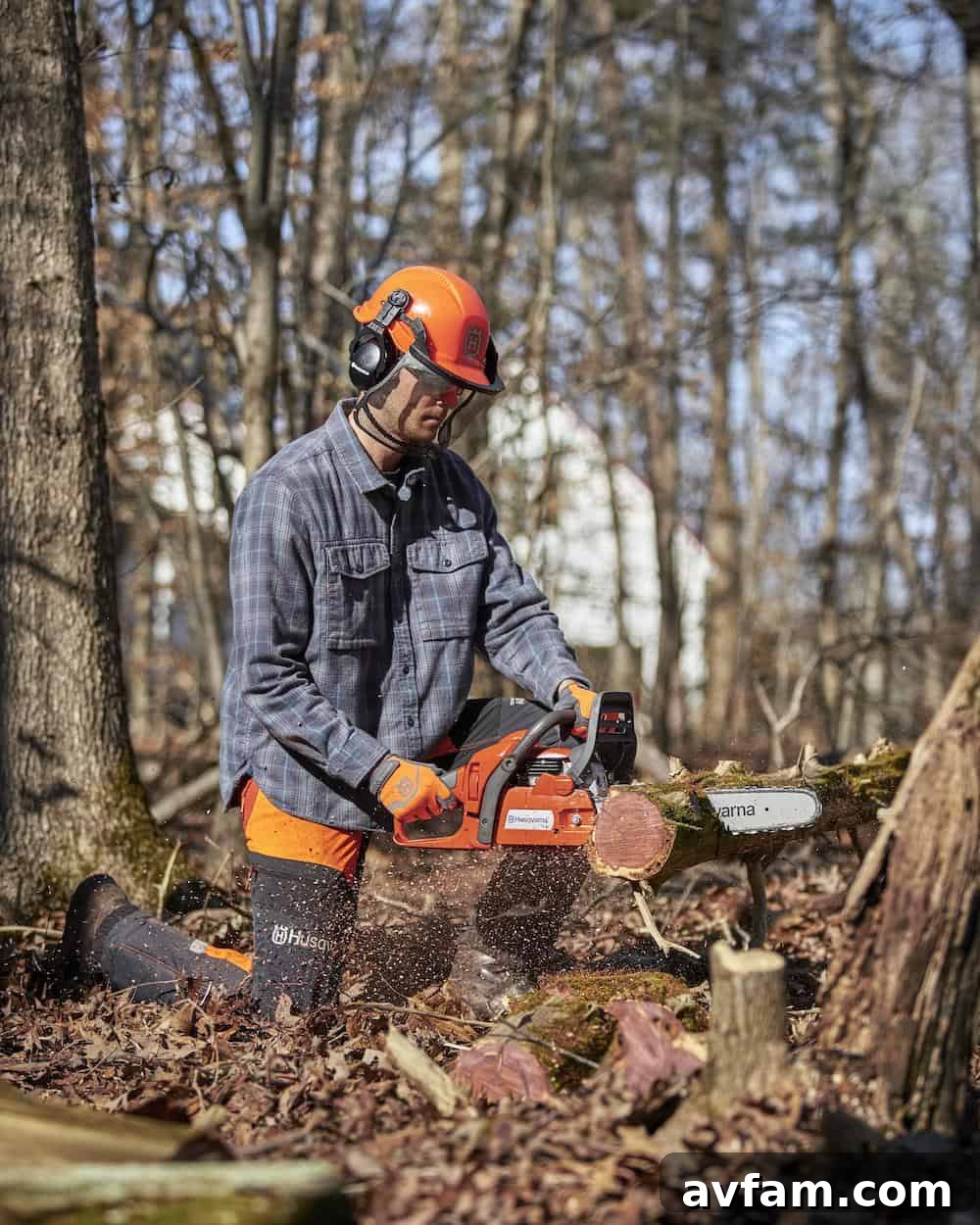
October marks Chainsaw Safety Month, an opportune time to revisit essential safety practices for operating this powerful tool. We’re grateful to Husqvarna for sharing invaluable tips to ensure safe chainsaw usage, especially for homeowners.
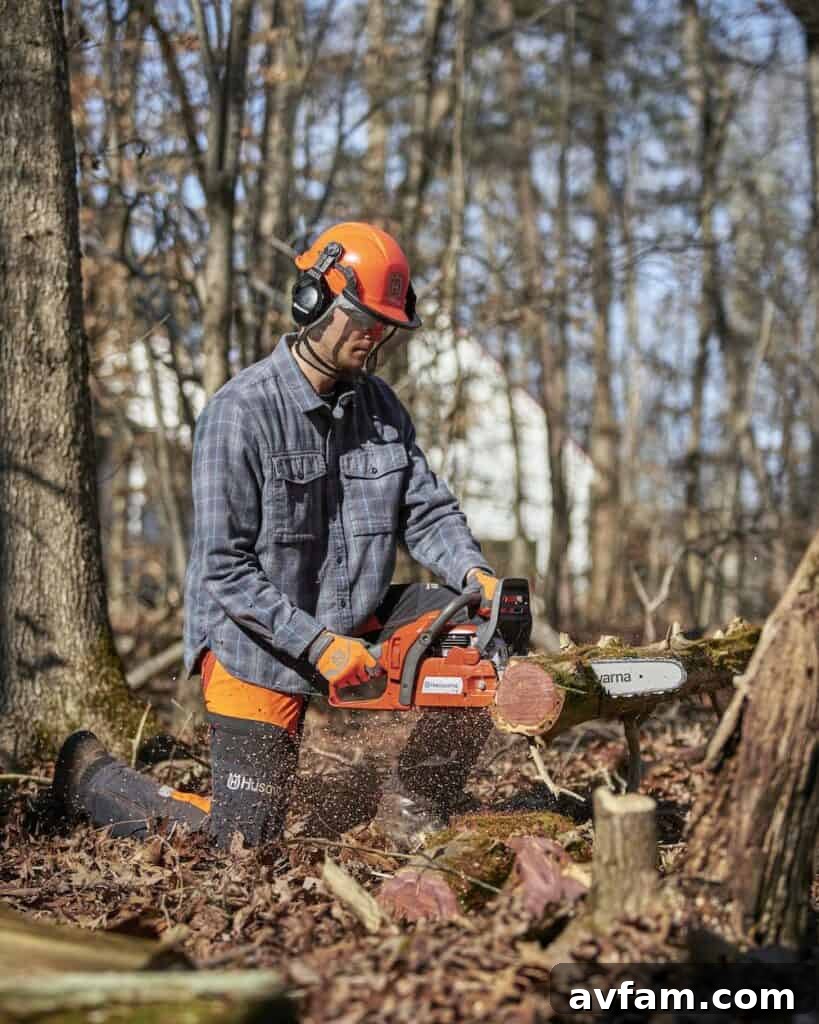
For many homeowners, a chainsaw is an indispensable tool, simplifying tasks from clearing fallen branches after a storm to limbing large trees that require professional trimming. In regions frequently impacted by severe weather, a reliable chainsaw can be an even more critical piece of equipment, enabling quick and efficient cleanup efforts. However, with great power comes great responsibility, and understanding the nuances of chainsaw operation is paramount.
Achieving proficiency and confidence in handling a chainsaw involves knowing not just *how* to operate it, but also *when* it’s appropriate to use, and adhering to the *best practices* for safety. This is particularly true for residential use and for those who may be operating a chainsaw for the first time. The perceived simplicity of starting a chainsaw can often belie the inherent dangers, making proper preparation and respect for the tool non-negotiable.
David Breeden, a Senior Territory Manager for Husqvarna and an ISA certified Arborist, highlights the capability of modern equipment: “Our range of 400 series gas chainsaws are powerful enough to help homeowners get quick results and can be operated by chainsaw users of varying skill levels if they are well prepared.” This preparation, as Breeden emphasizes, is the cornerstone of safe and successful operation. He also points out a significant advantage of gas-powered models, stating, “Gas chainsaws can be a particular asset in areas where power is out, and battery-powered tools cannot be recharged.” This insight is crucial for disaster preparedness, underscoring the importance of having versatile tools on hand.
Understanding these foundational principles, Breeden offers comprehensive tips for residential chainsaw use, designed to empower homeowners while minimizing risks.
Prioritize Preparation and Training
The adage “an ounce of prevention is worth a pound of cure” rings particularly true with chainsaw use. It’s imperative to seek proper training *before* an urgent need arises, rather than attempting to learn on the fly during a stressful cleanup operation. Supplementing formal training with reliable online videos from verified experts can further solidify your knowledge base. Always consider reading the owner’s manual as the absolute first step before you even pick up the chainsaw. This manual contains vital information specific to your model, including safety features, maintenance schedules, and correct operating procedures. Adhering to these instructions and seeking additional advice from certified professionals will ensure you gain the necessary proficiency and confidence to handle the tool safely.
Proactive learning prepares you not just for the mechanics of cutting, but also for identifying potential hazards, understanding reactive forces, and developing safe work habits. This comprehensive approach reduces the likelihood of accidents and builds a strong foundation for responsible chainsaw ownership.
WATCH: This short, informative video by the Center for Urban Agriculture offers a visual guide and clear instructions on chainsaw safety specifically for homeowners dealing with storm-damaged tree cleanup. It’s an excellent resource for practical demonstrations.
Essential Personal Protective Equipment (PPE)
Under no circumstances should you operate a chainsaw without first investing in and diligently using appropriate Personal Protective Equipment (PPE). This is not optional; it’s a non-negotiable safety requirement. Essential elements of chainsaw PPE include:
- Helmet: A protective helmet often comes with integrated hearing and face protection. It safeguards against falling branches, kickback, and other overhead hazards.
- Protective Goggles or Face Shield: These are crucial for warding off wood chips, sawdust spray, small debris, and potential chain breaks that can cause severe eye injuries. Many helmets include an integrated mesh or polycarbonate visor.
- Hearing Protection: Chainsaws operate at decibel levels that can cause permanent hearing damage with prolonged exposure. Earmuffs or earplugs are essential to protect against these harmful loud noises.
- Chainsaw Gloves: Designed to provide a secure grip on the saw, these gloves also offer protection against cuts, abrasions, and vibrations. Look for gloves with reinforced palms and backhand protection.
- Chainsaw Trousers or Chaps: Perhaps one of the most critical pieces of PPE, these garments are made with multiple layers of special fibers (like ballistic nylon or Kevlar) that are designed to snag and stop the chainsaw chain upon contact, preventing catastrophic leg injuries. They are an absolute must-have.
- Chainsaw Safety Boots: Steel-toed boots with good ankle support and slip-resistant soles are vital. They protect your feet from falling objects, provide stability on uneven terrain, and often feature cut-resistant materials similar to those in chaps.
Always ensure your PPE fits correctly and is in good condition. Regularly inspect your gear for wear and tear, and replace it as needed. Your safety is directly proportional to the quality and proper use of your protective equipment.
Strategic Planning: Map It Out
Before you even start your chainsaw, a thorough assessment and strategic plan are vital. Begin by evaluating the full scope of the task and identifying all potential hazards. This includes looking for tension in branches, unstable logs, hidden obstacles, power lines, and bystanders. Develop a clear plan for prioritizing the work, focusing on the safest cuts first. If you are working with a team or another individual, clearly delegate tasks and establish communication protocols to ensure everyone is aware of each other’s movements and positions. This coordination prevents individuals from inadvertently getting in each other’s way or creating additional hazards. Always identify potential escape routes and ensure they remain clear throughout the operation. Taking a few moments to plan can prevent costly mistakes and serious injuries.
Acknowledge Your Limitations
Honest self-assessment is a hallmark of responsible chainsaw operation. Never take on, or volunteer for, a job that you sense, or can clearly see upon assessment, is beyond your current skill set, physical capability, or comfort level. It is crucial to only tackle tasks you can comfortably and safely undertake. Situations such as the felling of large trees, extensive clean-up involving limbs tangled around downed power lines, or any cutting near a home or structure should always be left to certified professionals. Arborists and licensed tree service companies have the specialized training, experience, and equipment to handle complex and high-risk situations safely.
Furthermore, recognize the impact of physical and mental fatigue. Chainsaw operation is physically demanding and requires sustained concentration. Be sure to take plenty of breaks, stay adequately hydrated, and maintain proper nutrition. Mistakes, often with severe consequences, are far more likely to occur when you are tired or distracted. Pushing yourself beyond your limits is a direct path to accidents.
Ground-Level Chainsaw Startup
Always start your chainsaw on stable, flat ground. This provides a solid base for the saw and allows you to maintain control during the starting procedure. Critically, ensure the chain brake is engaged before starting the engine. The chain brake is a vital safety mechanism designed to stop the chain instantly, preventing accidental chain movement during startup or kickback events. Do not forgo this important rule, especially during intense or fast-paced clean-up efforts when the temptation to cut corners might arise. A safe startup procedure involves placing the saw firmly on the ground, engaging the brake, placing one foot through the rear handle to secure it, gripping the front handle firmly, and then pulling the starter cord with a smooth, deliberate motion. This technique minimizes the risk of the saw lurching or the chain engaging prematurely, which could lead to serious injury.
Mastering Kickback Avoidance
Kickback is one of the most dangerous reactive forces encountered during chainsaw usage, capable of causing severe injury or even death. It occurs when the moving chain at the upper quadrant of the guide bar tip (known as the kickback zone) unexpectedly contacts an object, or when the wood closes in and pinches the chain in the cut. This sudden contact can cause the chainsaw to violently thrust upward and backward towards the operator. You can significantly avoid the greatest risk of kickback by simply avoiding any cutting using just the tip, or “nose,” of the chainsaw. This area is the most prone to kickback.
To maintain maximum control and mitigate kickback risk, always hold the saw firmly with both hands. Your right hand should be positioned securely on the rear handle, and your left hand on the front handle, regardless of your dominant hand. It is essential to keep your thumbs and fingers completely wrapped around the handles, forming a secure grip. This “thumbs wrapped” grip helps prevent the saw from being ripped from your hands during a kickback event, allowing you to maintain better control and react more effectively. Additionally, always stand to the side of the cutting path, never directly behind the saw, to further protect yourself should kickback occur. Keeping the chain sharp and properly tensioned also reduces the likelihood of binding and kickback.
The Buddy System: Work Safely Together
Working with a friend or neighbor, often referred to as the “buddy system,” significantly enhances safety during chainsaw operations. Having another person present means there’s someone to assist in an emergency, help spot potential hazards, and provide an extra set of hands for moving logs or clearing debris. However, proximity is key to safety. If you and your buddy are both operating chainsaws or working in the same vicinity, be sure to maintain a safe working distance apart. A minimum distance of 10 feet (approximately 3 meters) is highly recommended between individuals operating chainsaws to prevent accidental contact, flying debris, or miscommunication. Furthermore, always alert those around you of your presence and your intentions before starting a cut. Clear verbal communication and pre-arranged hand signals are invaluable for coordinated and safe teamwork.
Ergonomic Cutting: Bend Your Knees
Chainsaw operation, particularly during extended periods or when making cuts in low positions, can place significant strain on your back. To avoid muscle soreness, fatigue, and potential injury, practice proper body mechanics by bending your knees slightly while cutting. This simple adjustment allows you to lower your center of gravity, transfer the workload to your stronger leg muscles, and maintain a more balanced and stable stance. Try to avoid bending your back excessively or hunching over when operating the chainsaw for extended periods. Maintaining a relatively straight back and using your legs to adjust your height and position will not only protect your spine but also provide better control over the chainsaw, leading to safer and more efficient cuts. Remember to take frequent breaks to stretch and reposition yourself to prevent cumulative strain.
By diligently following these safety guidelines, homeowners can confidently and safely utilize their chainsaws for essential property maintenance and storm cleanup. For those looking to find the perfect tool, explore Husqvarna’s comprehensive residential chainsaw collection, designed to meet the diverse needs of homeowners while upholding the highest standards of performance and safety.