
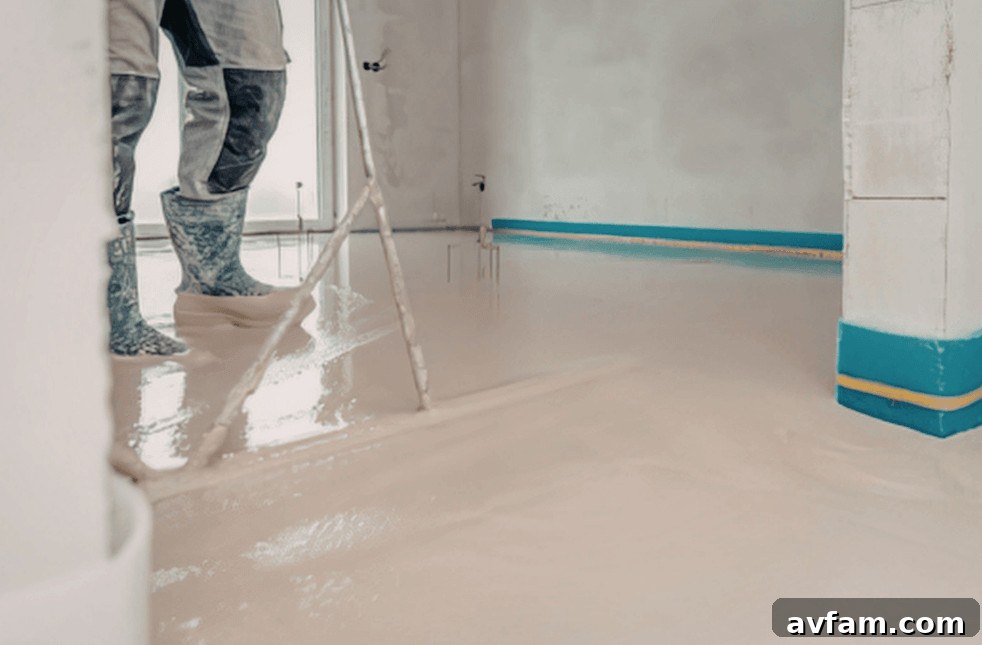
A bare concrete floor is one of the most overlooked surfaces in a home. Left untreated, it cracks, stains, releases dust, and drags down the appearance of a garage, basement, or patio. A proper coating transforms that raw slab into a durable, easy-to-clean surface that looks finished and performs for years.

Photo by Serjan Midili on Unsplash
Interest in concrete floor coatings has surged, and more contractors now offer a variety of systems. Duration Concrete Coatings by Duralast, based in Fort Wayne, IN, has expanded service across Northwest Ohio to towns like Defiance, Bryan, Van Wert, and Paulding. Whether you are coating a single-car garage or resurfacing a wet basement, understanding how coatings work will help you choose the best option and get a long-lasting result.
Why Coat a Concrete Floor at All?
Raw concrete is porous and vulnerable. It readily absorbs oil, salt, and moisture, which create stains and contribute to deterioration. In addition, unsealed concrete sheds fine dust that makes the space look and feel unfinished.
A quality coating seals the surface against contaminants, simplifies cleaning, and prevents dusting. Coatings resist common chemicals, wipe clean in seconds, and give the room a finished, brighter look. From a resale perspective, a clean, coated garage or basement improves perceived value without a large investment.
What Are Your Coating Options?
Several coating types are commonly used in residential and light commercial settings. Each has strengths that suit specific uses and timelines:
- Epoxy: a durable, cost-effective choice that bonds well to properly prepared concrete.
- Polyaspartic: cures very quickly, has strong UV resistance and is less prone to yellowing in sunlight.
- Polyurea: valued for flexibility and abrasion resistance in heavy-duty applications.
- Acrylic sealers: a lower-cost option for light-duty areas or quick refreshes.
- Decorative flakes or metallic finishes: applied over base coats for texture and visual interest.
Epoxy and polyaspartic dominate residential projects because they balance cost, durability, and appearance. For indoor spaces such as basements, low-VOC formulations are a sensible choice to reduce fumes during installation. A qualified contractor can recommend the best product for your climate, slab conditions, and how soon you need the room back in service.
Where Do Coatings Make the Biggest Difference?
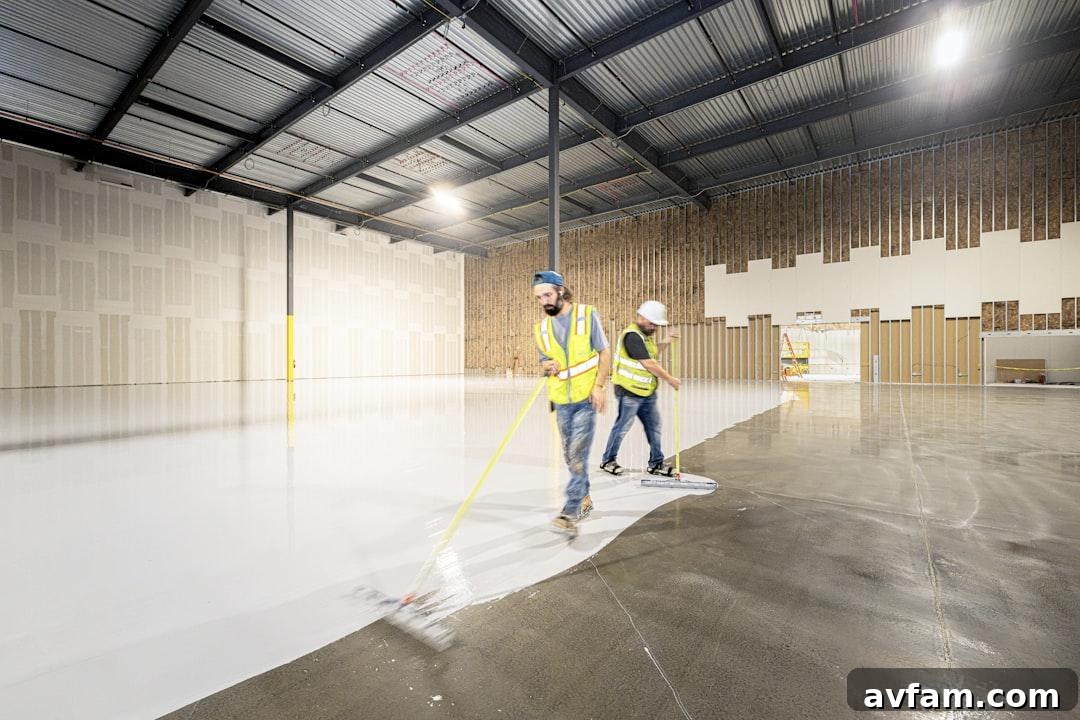
Photo by Craftsman Concrete Floors on Unsplash
Coatings deliver the most value where concrete is exposed to heavy use or contaminants. Typical high-return areas include:
- Garages: resistant to oil, tire marks, road salt, and frequent traffic.
- Basements: brightens and seals floors, improving usability and cleanliness.
- Patios and pool decks: enhances slip resistance and ties outdoor spaces together.
The more a floor is used or exposed to substances that stain or wear it, the clearer the payoff from a coating. Low-traffic storage rooms or seldom-used crawlspaces may not justify the expense.
Should You DIY or Hire a Pro?
It hinges on the system you choose and how comfortable you are with surface preparation. Proper prep is the decisive step for a successful coating.
Beginner-friendly acrylic sealers can be applied by a careful DIYer. However, professional epoxy, polyaspartic, and polyurea systems require grinding, moisture testing, and fast, precise application. Mistakes in prep or timing frequently lead to adhesion failures and peeling within a year, which can make a DIY save turn into an expensive redo.
When Is a Professional Worth It?
For durable, long-lasting systems, hiring an experienced contractor is usually the better investment. Professionals bring diamond grinders, moisture meters, and the experience to apply coatings within short working windows. They can also address hidden problems in the slab that affect longevity. For a floor you want to last a decade or more, professional installation is often the smarter money.
How Do You Choose a Coating Contractor?
Since the quality of preparation is invisible after installation, vetting a contractor carefully is essential. Ask these questions and request documentation:
- How do you prepare and grind the concrete? (Look for diamond grinding and dust control methods.)
- Which specific product system will you use, and what warranty is offered?
- Do you perform moisture testing on the slab before coating?
- Can you provide recent photos and references from local jobs?
- Can you supply a written scope, timeline, and final price?
A reliable contractor explains the prep steps, shows past work, and provides a clear warranty. Local experience matters because climate and common slab conditions vary by region, and contractors familiar with those patterns are better prepared to avoid problems.
Key Points About Concrete Floor Coatings
- Bare concrete is porous, stains easily, and sheds dust over time.
- Coatings seal the slab, simplify maintenance, and improve appearance.
- Epoxy and polyaspartic systems are the most common for homes.
- Garages, basements, and outdoor decks typically see the biggest benefit.
- Surface preparation determines whether a coating lasts or peels.
- Vet contractors on prep methods, products, warranty, and references.
Getting a Floor That Lasts
When you match the coating to the space, take surface preparation seriously, and use a qualified local contractor for the more durable systems, a dusty slab becomes a clean, resilient floor that holds up for years. A well-installed coating is one of the best upgrades for high-use areas, delivering both function and visual improvement.
Frequently Asked Questions
How long does a concrete floor coating last?
Professionally installed epoxy or polyaspartic floors can last ten years or more under normal use. Longevity depends heavily on the quality of surface preparation and the product chosen. Lower-cost DIY sealers will typically have much shorter lifespans.
Is epoxy or polyaspartic better for a garage?
Both are suitable. Epoxy is durable and cost-effective; polyaspartic cures faster and resists UV yellowing. Your contractor can recommend the best choice for your climate, exposure to sunlight, and scheduling needs.
Can I coat a concrete floor myself?
A basic acrylic sealer is within reach of many DIYers, but durable epoxy and polyaspartic systems usually require professional equipment and timing. Improper prep is the most common cause of premature failure.
Why does surface preparation matter so much?
A coating can only bond to a properly prepared surface. Grinding, cleaning, and moisture testing create a profile the product can adhere to and reduce the risk of peeling. Skipping these steps is the single biggest reason coatings fail early.