
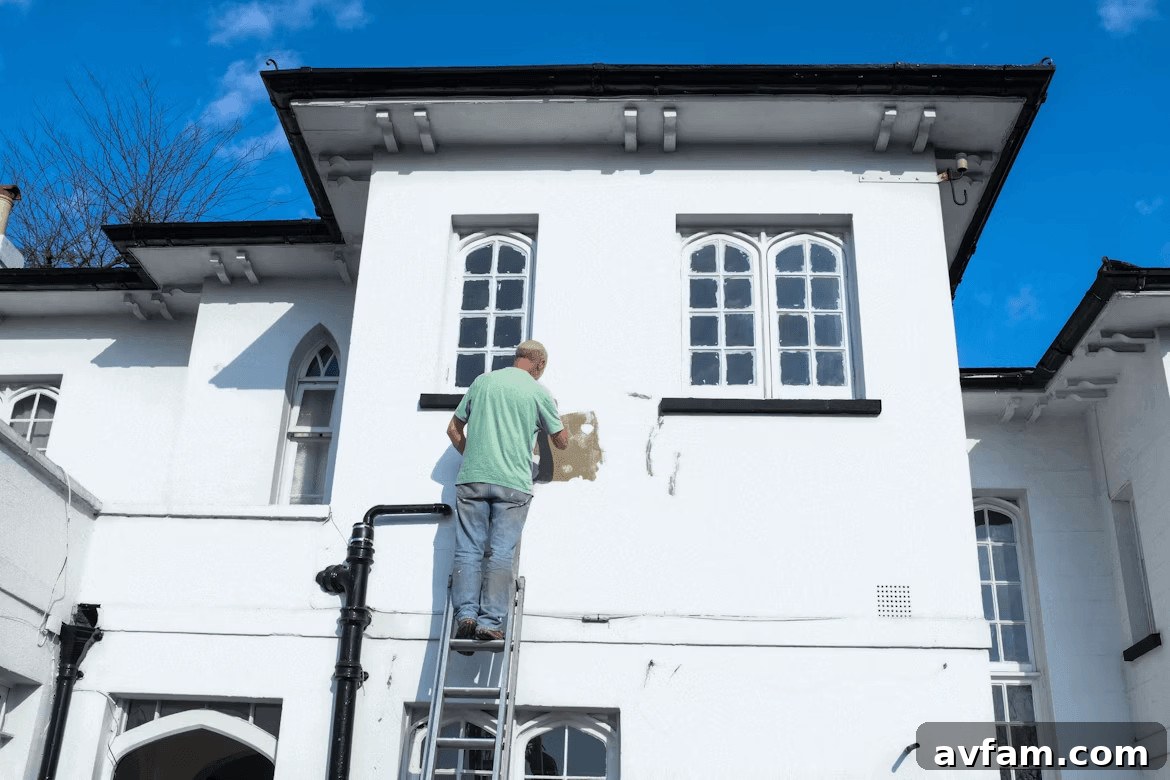
A successful exterior painting job starts long before the first brush stroke. Homeowners who understand key factors—such as how drying and curing are affected by weather and temperature—can plan more effectively and avoid common setbacks. Taking time for thorough preparation improves the final appearance, extends the life of the paint, and helps protect the home from moisture and weather damage.
Skipping Proper Surface Preparation
One of the most frequent mistakes is expecting new paint to hide surface problems. Dirt, mildew, loose paint, and other debris prevent coatings from adhering correctly, which often leads to premature peeling, blistering, or uneven coverage.
Thoroughly cleaning exterior surfaces before painting establishes a reliable base for primers and topcoats. Washing away contaminants and removing flaking paint allows new coatings to bond evenly, producing a more uniform finish and greater durability.
Repairing the surface is equally important. Small cracks, damaged siding, or deteriorated caulk may appear minor, but they let moisture penetrate the structure and shorten the lifespan of the paint. Filling gaps, replacing rotted material, and resealing joints prevents water intrusion and helps the paint perform as intended.
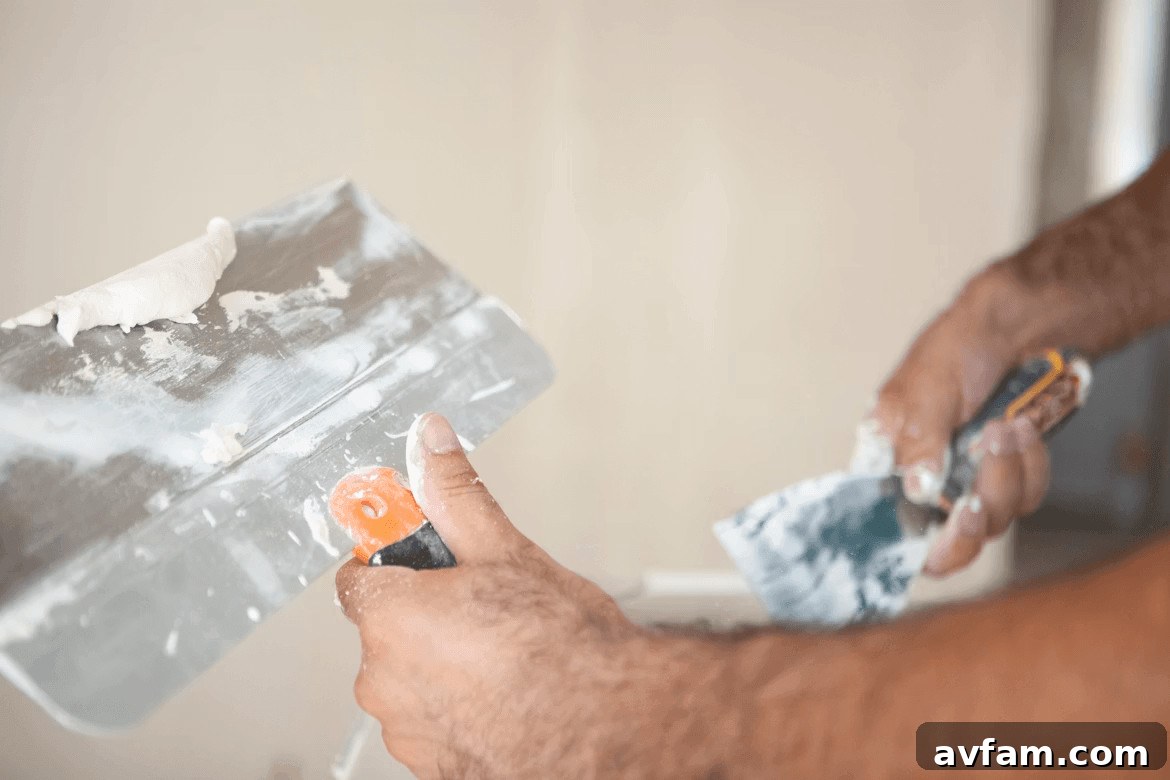
Addressing these issues ahead of time creates a smoother painting surface and reduces the risk of weather-related damage later. Spending a bit more effort up front often saves time and money on repairs down the road.
Ignoring Weather Conditions
Weather plays a pivotal role in every stage of exterior painting. Temperature, humidity, sunlight, and wind all influence how paint dries and cures, and ignoring these elements can compromise the result.
Choosing a day because it is sunny isn’t enough—overnight lows, humidity levels, and forecasted rain must be considered. High humidity or an unexpected storm can slow drying, affect adhesion, and diminish the final sheen and uniformity.
Painting in unsuitable conditions may create visible brush or roller marks, uneven color, or laps where new paint overlaps partially dried areas. Fixing these issues typically requires sanding and repainting, which increases cost and labor.
Scheduling coats when temperature and humidity are within the manufacturer’s recommended range gives the paint the best chance to cure properly. Checking the forecast and planning for several dry days is one of the simplest ways to achieve a professional-quality finish.
Choosing the Wrong Products
Not all paints are formulated for every surface or climate. Selecting a product based solely on price or shade can lead to poor performance if the paint is not appropriate for the substrate or exposure conditions.
Different materials—wood, fiber cement, stucco, metal, and vinyl—require coatings with specific adhesion, flexibility, and moisture resistance. Reviewing manufacturer recommendations and selecting a product designed for the material and local climate helps ensure better long-term results.
Primer choice matters too. Some surfaces benefit from specialty primers that seal porous substrates, block stains, or improve adhesion. Using the correct primer prepares the surface so the finish coats deliver maximum durability and color retention.
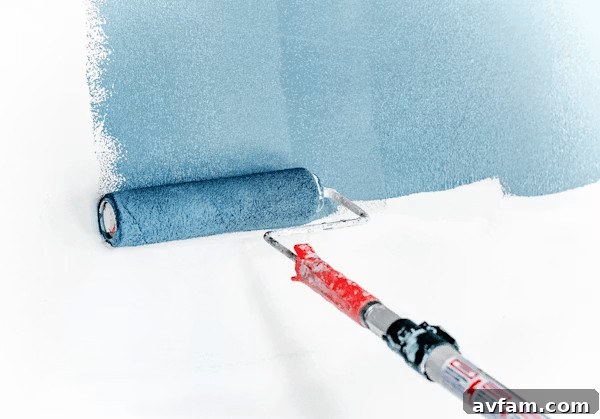
Pairing compatible primers and topcoats creates a unified protective system rather than relying on the finish coat alone. The right combination improves resistance to weathering and helps the color remain true for years.
Rushing the Painting Process
Attempting to finish an exterior painting project too quickly often results in skipped steps and diminished quality. Rushing can lead to shortcuts in surface preparation, masking, and drying times that undermine the whole job.
Applying a new coat before the previous one has dried properly can trap moisture and solvents beneath the surface, leading to blistering, peeling, or uneven texture after the paint cures. Allowing adequate drying time between coats is essential for the coatings to form a durable film.
Patience also matters when protecting landscaping, covering windows and hardware, and letting patched areas fully cure before painting. Small delays early in the project prevent much larger problems later.
Following the recommended drying intervals and working methodically contributes to a stronger, more attractive finish that stands up to seasonal changes.
Underestimating Long-Term Maintenance
Painting is not a one-time defense against the elements. Even high-quality coatings perform best when combined with periodic inspections and routine maintenance throughout the year.
Regularly checking for cracked caulk, peeling trim, or early signs of failure lets homeowners address minor issues before they escalate. Timely touch-ups and resealing extend the life of the paint and protect the underlying materials.
Proper water management—keeping gutters clear, ensuring downspouts direct water away from walls, and maintaining proper grading—reduces moisture exposure, which is a leading cause of premature paint failure.
Consistent care preserves the appearance and function of the exterior and protects the investment made in the paint job and the property itself.
Conclusion
Successful exterior painting is driven by preparation, product selection, and timing. Thorough surface cleaning and repairs, choosing the right primers and paints for the material and climate, planning around suitable weather, and allowing proper drying time between coats all contribute to a finish that looks better and lasts longer. Combined with ongoing maintenance, these practices help homeowners achieve professional-quality results and protect their homes from the elements for years to come.