
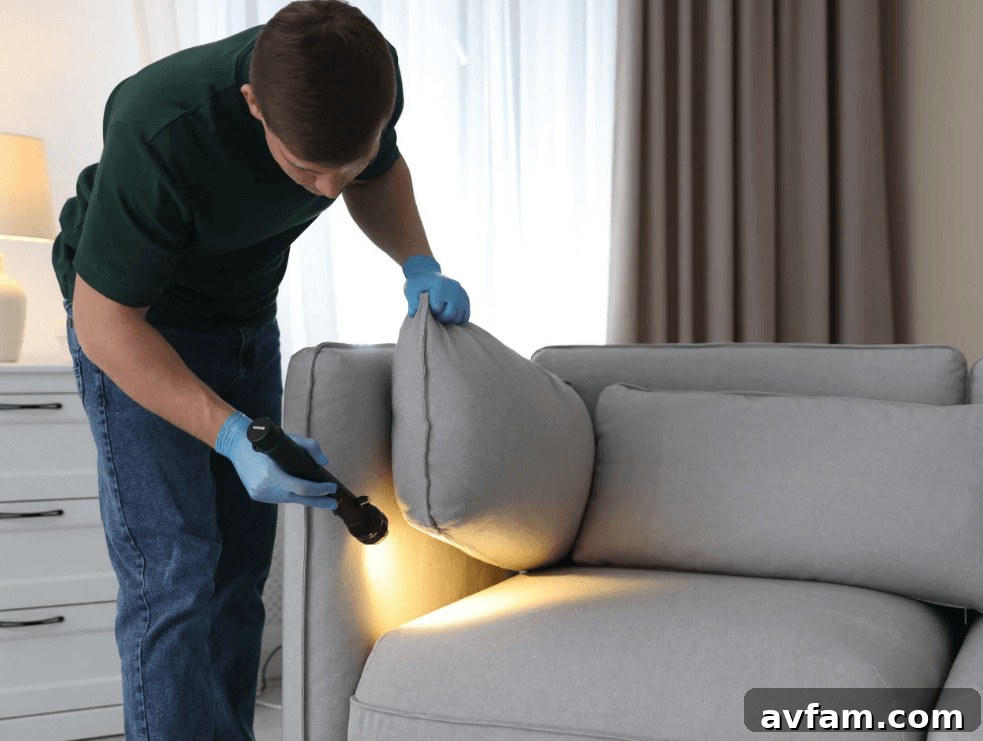
Maintaining a home in excellent condition involves much more than simply tidying up and superficial repairs. The long-term durability, safety, and comfort of your living space depend critically on a combination of consistent maintenance efforts and sophisticated pest control strategies. Many homeowners mistakenly believe that pests are merely an aesthetic nuisance, but the reality is that they can inflict substantial, often hidden, damage to the structural integrity and critical systems of a property.
While cosmetic appeal is often a primary focus, the insidious ways pests impact crucial elements such as framing, insulation, electrical wiring, and plumbing are frequently overlooked. Rodents, insects, and other unwanted guests can quietly compromise these fundamental components over time, leading to costly repairs and potential safety hazards. For those residing in urban centers like Toronto, partnering with a specialized service, such as Pest Control Plus, provides access to advanced professional tools and meticulous inspection methods that far exceed the capabilities of typical DIY solutions.
Modern pest and home inspections often incorporate cutting-edge technologies like thermal imaging and sophisticated moisture detection equipment. These tools are indispensable for identifying subtle temperature anomalies and hidden pockets of dampness that indicate potential pest entry points or areas where water intrusion is occurring. Addressing these underlying issues promptly is paramount for preserving structural stability, preventing mold growth, and significantly reducing the risk of extensive and expensive repairs further down the line. A proactive approach to pest management is, therefore, an investment in your home’s enduring health and value.
The Core Pillars of a Successful Integrated Pest Management (IPM) Plan: Exclusion and Environmental Modification
At the heart of any truly effective and sustainable pest control strategy lies a two-pronged approach: exclusion and environmental modification. These principles form the bedrock of Integrated Pest Management (IPM), a comprehensive philosophy that focuses on long-term prevention of pests or their damage by managing the ecosystem, rather than solely relying on chemical applications. A smart pest control plan begins not with eradication, but with meticulous efforts to seal off entry points and systematically reduce the conditions that attract pests to your home in the first place.
The initial step should always involve a thorough and systematic inspection of the entire building envelope. This critical assessment helps pinpoint vulnerabilities and potential ingress routes:
- Scrutinize the Roof and Chimney: Carefully check for any loose, missing, or damaged shingles, gaps around flashing, and openings where the chimney meets the roofline. Pests like squirrels, raccoons, and even bats often exploit these elevated entry points.
- Inspect Siding and Brickwork: Look for cracks, crumbling mortar, unsealed gaps where utilities enter the home, and loose panels in siding. Even small openings can serve as an invitation for insects and small rodents.
- Seal All Openings with Appropriate Materials: Utilize high-quality, silicone-based sealants for smaller cracks and gaps around window and door frames. For larger openings, consider using materials like expanding foam (specifically designed for pest blocking), copper mesh, or steel wool, which pests cannot easily chew through.
- Install Mesh Barriers in Critical Areas: Securely place durable mesh screens or grates over vents (attic, crawl space, dryer), uncapped chimneys, and any other openings that lead directly into the home’s interior or sub-areas. These barriers act as physical deterrents without impeding necessary airflow.
These proactive measures are far more than temporary fixes; they represent a fundamental shift towards preventing pests from entering and nesting within your home’s protective shell. Unlike generic, off-the-shelf deterrents, properly selected, professional-grade materials and targeted repairs provide robust, longer-lasting protection. Beyond physical barriers, consistent monitoring of these exclusion points is also vital. By regularly checking and addressing minor issues like hairline cracks or damaged screens early, homeowners can prevent significant structural damage that might arise from nesting activities, moisture buildup in compromised areas, or pests chewing through critical structural components and wiring.
Advanced Strategies: Maximizing the Efficacy of Safe Pheromone and Baiting Systems
Modern pest control has moved significantly beyond indiscriminate spraying, embracing more targeted and environmentally responsible methods. Effective pest management systems increasingly rely on a sophisticated combination of strategically placed baiting methods and advanced monitoring tools. These systems are designed to pinpoint pest activity with precision, allowing for highly localized treatment and minimizing the environmental footprint.
When deploying these targeted systems, key areas of focus within the home typically include:
- Kitchens and Pantries: These are primary zones of attraction due to readily available food sources. Bait stations placed discreetly near food storage areas, under sinks, and behind appliances can effectively target cockroaches, ants, and other foraging pests.
- Basements and Utility Spaces: Areas prone to higher humidity and moisture accumulation are often magnets for pests like silverfish, centipedes, and certain species of rodents. Placing moisture-resistant bait stations and monitoring traps in these locations can help control populations at their source.
- Attics and Crawl Spaces: These secluded areas often serve as nesting sites for rodents, squirrels, and various insects. Specialized bait stations designed for these environments can be critical for preventing infestations from taking hold or spreading to living areas.
Contemporary pest control systems often utilize enclosed bait stations, which are designed to be tamper-resistant, making them safer for homes with children and pets while keeping the bait effective and protected from the elements. Similarly, monitored traps, such as glue boards or live traps with sensors, allow for controlled treatment and provide valuable data on pest species and activity levels. Some of the most advanced setups incorporate digital alerts, which can immediately notify homeowners or their service providers when pest activity is detected, enabling swift and precise intervention.
This precision-driven approach to pest control offers numerous advantages. It significantly reduces the need for broad-spectrum chemical applications, thereby fostering a healthier indoor environment for residents. By precisely targeting where pests are active, these systems can control infestations more effectively and sustainably, maintaining a balance between eliminating pests and protecting the ecosystem within and around your home. The data gathered from these monitoring systems also allows pest control professionals to adjust their strategies dynamically, ensuring ongoing efficacy and preventing future outbreaks.
Fortifying the Perimeter: Strengthening the Exterior Envelope Against Intruders
The exterior of your home serves as its primary defense against the relentless quest of pests seeking shelter, food, and water, particularly as seasons change and outdoor conditions become less hospitable. Reinforcing this outer shell is a critical step in any comprehensive pest control plan, creating a robust barrier that deters unwanted visitors before they ever reach your living spaces. This isn’t just about pest control; it’s about enhancing your home’s energy efficiency and overall resilience.
To effectively reinforce these crucial exterior areas, consider the following strategic improvements:
- Install Durable Door Sweeps and Weather Stripping: Gaps beneath doors are common entry points for rodents and insects. High-quality door sweeps made of rubber or brush material can effectively seal these gaps. Similarly, weather stripping around door frames and windows prevents both pests and drafts, contributing to better insulation.
- Seal Gaps Around Windows, Doors, and Utility Penetrations: Beyond weather stripping, inspect the caulking around all window and door frames. Reapply caulk where it has cracked or deteriorated. Pay close attention to utility penetrations—where pipes, wires, and air conditioning lines enter your home. These areas often have surprisingly large gaps that are easily exploited by pests. Use appropriate sealants or mesh to close these vulnerabilities.
- Inspect and Maintain the Foundation: The foundation is a frequent entry point for rodents, termites, and other ground-dwelling pests. Regularly inspect for cracks, crumbling mortar, and gaps around pipes or vents leading into crawl spaces or basements. Repair any damage with concrete patch or appropriate sealants. Ensure proper grading around the foundation to direct water away from the house, as moisture can attract pests and exacerbate structural issues.
- Strategic Landscaping Adjustments: Trim tree branches and shrubs so they do not touch the house, as they can act as “bridges” for pests. Keep firewood stacked away from the foundation and elevated off the ground. Remove leaf litter and other organic debris that can provide harborage for pests close to your home.
Many advanced smart pest control systems also incorporate perimeter baiting. These specialized bait stations are strategically placed around the foundation of the home, creating an interception zone. Pests venturing towards the structure encounter the bait before they can find a way inside. This proactive approach helps to manage pest populations externally, significantly reducing the likelihood of an interior infestation. By diligently taking these steps, homeowners not only protect their flooring, framing, and insulation from long-term damage but also significantly improve the overall thermal performance and security of their entire building.
The Rhythmic Approach: Planning for Logistics and a Seasonal Maintenance Schedule
Effective pest control is not a one-time event; it is an ongoing process that demands a consistent and strategic approach, much like any other aspect of home maintenance. Relying solely on reactive treatments when an infestation is already present often leads to more extensive damage and higher costs. Instead, a proactive, seasonally adjusted maintenance schedule is the cornerstone of successful long-term pest management, ensuring continuous protection throughout the year.
A typical, well-structured pest control schedule often includes several key components:
- Quarterly Inspections: Regular, ideally quarterly, inspections by a qualified professional are essential. These inspections allow for consistent monitoring of pest activity, identification of new vulnerabilities, and early detection of emerging issues before they escalate into full-blown infestations.
- Seasonal Adjustments and Targeted Treatments: Pest behavior is heavily influenced by weather and seasonal changes. A truly effective plan will include seasonal adjustments to treatments. For example:
- Spring: Focus on barrier treatments for emerging insects (ants, wasps, spiders) as they become active after winter. Address overwintering pests that may be waking up.
- Summer: Continue to monitor for stinging insects, mosquitoes, and outdoor pests. Maintain yard cleanliness and address moisture issues.
- Fall: Prepare for overwintering pests like rodents, boxelder bugs, and lady beetles that seek warmth indoors. Reinforce exclusion measures.
- Winter: Focus on interior rodent control and identifying signs of activity in warm, secluded areas of the home.
- Preventive Treatments Before Peak Breeding Periods: Timing is crucial. Applying preventive treatments just before known peak breeding periods for specific pests can dramatically reduce their populations and prevent them from establishing a foothold on your property. This might include pre-spring treatments for ants or pre-winter treatments for rodents.
Professional service teams excel in implementing this staged, seasonal approach. Their expertise allows them to accurately time treatments to align with environmental changes and pest life cycles, ensuring that control measures are applied when they are most potent and cost-effective. This systematic methodology not only maximizes the efficacy of each treatment but also optimizes resource use, leading to more sustainable pest management outcomes.
Furthermore, using consistent materials, methods, and a reliable service provider across each visit helps to maintain a seamless and dependable layer of protection throughout the year. This continuity builds a historical record of your home’s pest activity, allowing professionals to adapt strategies based on observed patterns and effectively reduce the likelihood of recurring issues. Investing in a consistent, professionally managed seasonal pest control plan is a vital step in safeguarding your home’s long-term health and your family’s peace of mind.

The Future is Now: What Will Bio-Digital Home Security and Automated Monitoring Look Like?
The landscape of pest control is undergoing a significant transformation, driven by advancements in technology and a growing demand for more intelligent, proactive, and less intrusive solutions. Smart pest control technology is rapidly evolving, with an increasing focus on sophisticated early detection, real-time monitoring, and seamless automation. This shift is moving us from reactive pest management to truly preventive and predictive systems, integrating pest control directly into the fabric of smart home security and environmental management.
Some of the most exciting emerging systems and technologies include:
- Acoustic Sensors: These innovative sensors are designed to detect the subtle sounds of pest movement within walls, floors, and other hidden cavities. By picking up gnawing, scratching, or scurrying noises, they can alert homeowners to potential infestations long before visible signs appear, identifying the specific locations of activity.
- Infrared and Motion Detection Systems: Beyond traditional motion sensors, advanced systems can detect the presence and movement of larger pests, such as rodents, using infrared technology in dark or secluded areas. This provides immediate notification of activity without disturbing the animals.
- Digital Monitoring Traps and Bait Stations: The next generation of traps and bait stations incorporates miniature sensors that can detect when a pest has entered or activated the device. These systems can autonomously report activity levels, bait consumption, or even trigger a response, providing continuous vigilance.
- Integrated IoT (Internet of Things) Alerts: Many of these monitoring systems are designed to connect seamlessly with existing smart home management platforms. This allows homeowners to receive real-time alerts via their smartphones, tablets, or smart home hubs, integrating pest activity data into a broader home security and maintenance ecosystem.
- AI and Machine Learning: The collection of vast amounts of data from these sensors allows for the application of artificial intelligence and machine learning algorithms. These can analyze activity patterns over time, predict potential pest outbreaks based on environmental factors, and even recommend optimized treatment strategies, personalizing pest control to the unique characteristics of each home.
- Robotics and Drones for Inspection: In the future, small, autonomous robots or drones equipped with cameras and sensors may be deployed to inspect hard-to-reach areas like attics, crawl spaces, or exterior eaves, providing detailed visual and environmental data without human entry.
These transformative technologies empower homeowners to identify pest problems significantly earlier, allowing for more efficient, targeted, and less invasive responses. As these bio-digital systems become more commonplace and affordable, they will undoubtedly play an increasingly pivotal role in maintaining optimal home performance, preventing costly structural damage, and ensuring a healthier, more secure living environment. The future of pest control is intelligent, invisible, and integral to the smart home of tomorrow, promising unparalleled peace of mind.
Conclusion: A Proactive Stance for Enduring Home Health
Ultimately, safeguarding your home from pests is a comprehensive endeavor that extends far beyond immediate reactions to visible infestations. It requires a forward-thinking, integrated approach that weaves together exclusion, environmental management, targeted treatments, and cutting-edge technology. By embracing the principles of Integrated Pest Management and committing to a consistent, seasonal maintenance schedule, homeowners can protect their most significant investment from the insidious damage and health risks that pests pose.
The journey towards a pest-free home is an ongoing one, but with the right strategies and, when necessary, the expertise of professional pest control services, it is entirely achievable. Investing in these proactive measures not only preserves the structural integrity and aesthetic appeal of your property but also contributes significantly to the health, safety, and comfort of everyone living within its walls. As smart home technology continues to advance, the future promises even more intelligent and seamless ways to maintain this vital aspect of home ownership, ensuring enduring peace of mind for years to come.