
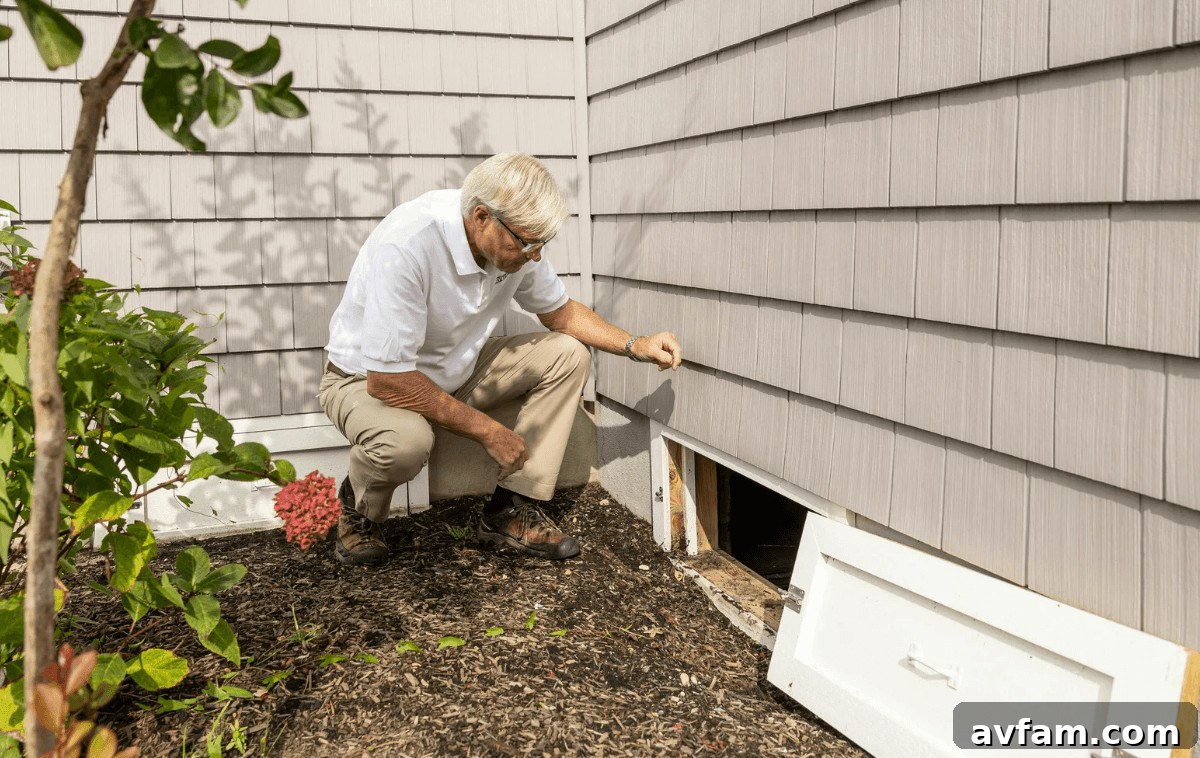
Southwest Ohio rarely sees the massive lake-effect snow totals that northern regions do, but it faces a different kind of strain on a home’s exterior: repeated freeze-thaw cycles throughout the winter, followed by humid summers that add moisture stress. That pattern of seasonal extremes creates wear on siding materials in ways distinct from steady cold or steady heat alone.
Why Freeze-Thaw Cycling Is the Real Stress Test
Temperatures in this region commonly hover above and below freezing several times over the course of a week rather than staying in a prolonged deep freeze. Each time moisture behind or inside the siding freezes, it expands. When it thaws the expansion doesn’t always fully reverse, and the next freeze enlarges tiny gaps further.
After dozens of these cycles across a single winter, vulnerable siding materials can develop cracks, warp, or pull away from the wall assembly well before their expected lifespan. It’s the repetition — not necessarily the depth of cold — that accelerates deterioration in many cases.
Materials that absorb small amounts of water are the most exposed to this process, so moisture resistance and drainage control are especially critical in this climate. A siding system that manages water effectively will last far longer than one that relies on the material alone to resist moisture.
How the Common Siding Materials Hold Up
Vinyl siding does not absorb moisture like organic products, which gives it an advantage against freeze-thaw damage. However, vinyl becomes more brittle in low temperatures, increasing the risk of impact cracks during the coldest periods. Frequent swings between cold nights and sun-warmed afternoons can also expand and contract the panels enough to stress fasteners and cause loosening over time.
Wood siding is the most vulnerable because it readily absorbs water. Once moisture penetrates wood, repeated freezing and thawing speeds up cracking, rot, and paint failure far faster than in a climate without these cycles. Proper sealing and maintenance are essential for wood to hold up here.
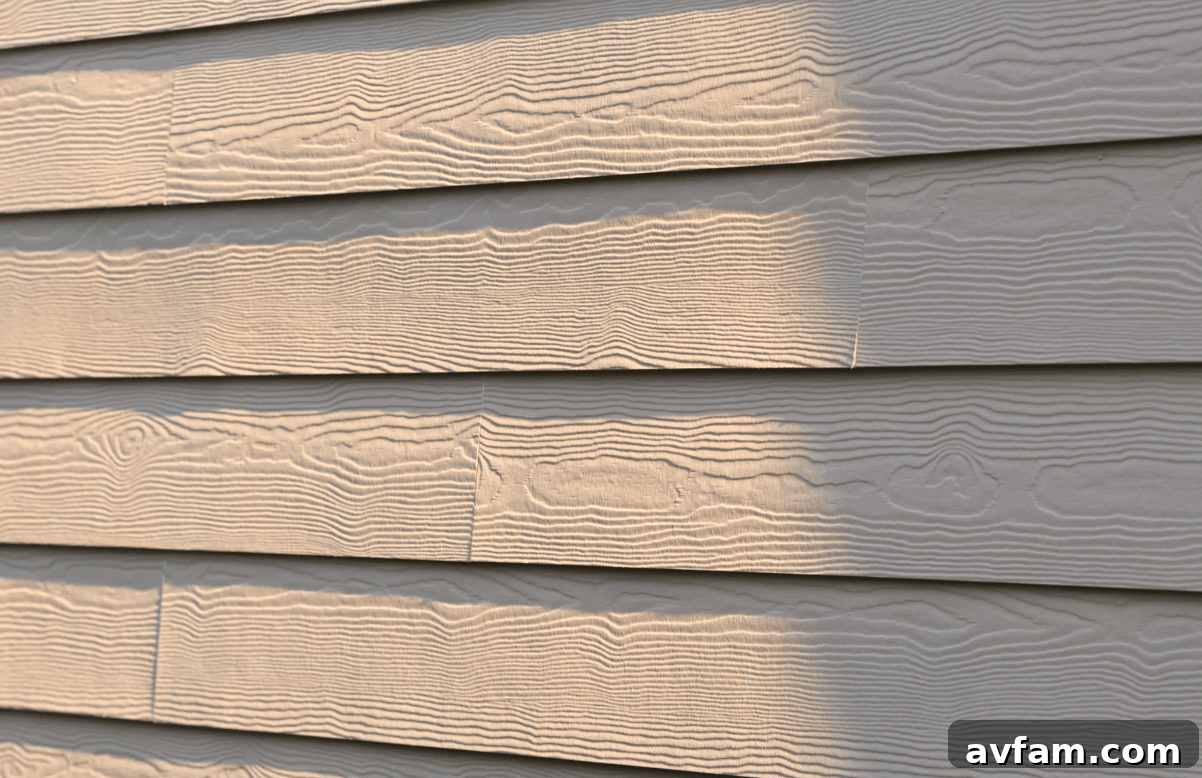
Fiber cement siding performs well in freeze-thaw environments because its cement-based composition resists internal water absorption. It won’t swell and contract the way wood does, which is one reason builders and homeowners often recommend it for this region. Still, installation quality and flashing remain important to prevent surface water from sitting where it shouldn’t.
Engineered wood sits between natural wood and fiber cement in performance. Treatments improve its moisture resistance, but cut edges, seams, and any exposed joints need careful sealing to keep water from penetrating and initiating freeze-thaw damage.
Why Installation Details Matter as Much as Material Choice
How a siding system is installed often matters as much as the material selected. Flashing above windows and doors, effective house wrap behind the siding, proper drainage channels, and well-sealed seams and joints all play a crucial role in preventing water from lingering against siding or framing long enough to freeze.
A premium material installed without proper moisture management can still fail prematurely in this climate. Conversely, a moderately priced product installed correctly — with careful attention to flashing, air gaps, and sealing — will usually outperform a higher-end product installed poorly.
What to Prioritize When Planning a Siding Project
Homeowners in Southwest Ohio should focus on a few priorities that make a real difference here:
- Quality and correct installation of moisture barriers and flashing to prevent water from pooling against the structure
- Material stability across big temperature swings, choosing products that remain durable and not excessively brittle in cold weather
- Detailed attention to seams, joints, and cut edges, which are the most common entry points for water that later causes freeze-thaw damage
Getting Siding Installed for This Specific Climate
Because freeze-thaw cycling amplifies moisture problems, material selection and installation detail are equally important. When hiring a contractor, ask how they handle flashing at windows, doors, and rooflines, how they install house wrap and drainage planes, and what practices they use to seal seams and cut edges. Those installation choices often determine whether your siding reaches its advertised lifespan in this climate.