

A workshop is more than just a space; it’s a sanctuary for creation, a laboratory for innovation, and a testament to craftsmanship. Whether you’re a seasoned professional tackling intricate projects or a weekend DIY enthusiast bringing a vision to life, this environment buzzes with potential. Yet, amidst the whirring of machinery and the focused concentration, lie inherent risks. Sharp blades, high-speed tools, heavy materials, and combustible dust are constant companions, demanding unwavering respect and meticulous adherence to safety protocols.
The difference between a productive, enjoyable workshop and a dangerous one often boils down to discipline, not just skill. Accidents don’t discriminate based on experience; they often result from complacency, overlooked procedures, or a momentary lapse in judgment. The foundational practices outlined below are not merely suggestions; they are the pillars upon which a safe and efficient workshop is built, safeguarding your well-being, preserving your tools, and ensuring your ability to continue pursuing your passion for years to come.
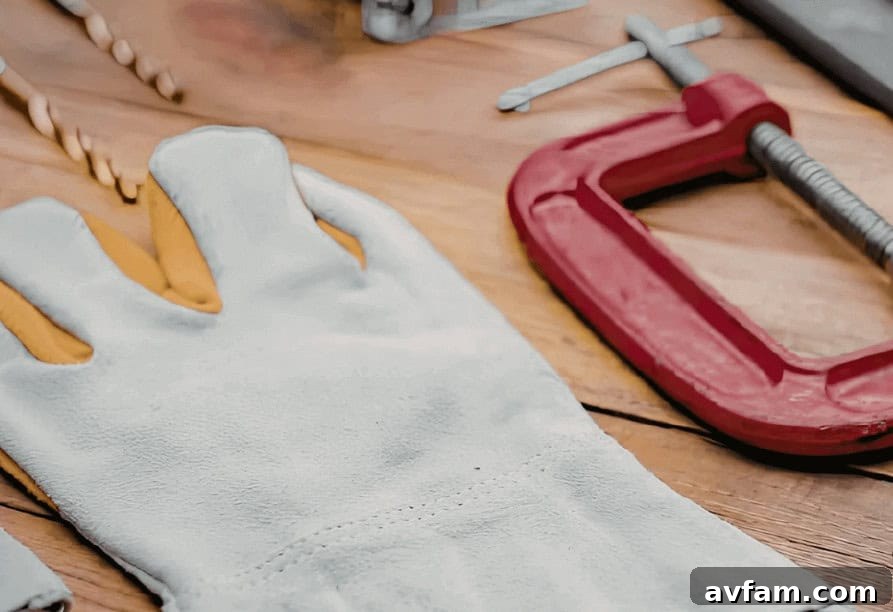
Mastering Workshop Safety: Essential Rules for Every DIYer and Craftsman
Prioritizing Personal Protective Equipment (PPE)
Your body is your most valuable tool, and protecting it is non-negotiable. Personal Protective Equipment (PPE) forms the first line of defense against common workshop hazards. Investing in quality PPE and consistently using it can prevent severe injuries and long-term health issues.
Eye Protection: Your Vision is Paramount
Flying debris, wood chips, metal shavings, and chemical splashes pose constant threats to your eyes. Standard eyeglasses are insufficient; you need safety glasses or goggles that meet ANSI Z87.1 standards. For tasks involving significant impact risk or chemicals, consider a full face shield in conjunction with safety glasses for comprehensive protection. Always wear eye protection, even when simply observing, as bystanders are also at risk.
Hearing Protection: Preserving Your Auditory Health
Loud machinery like table saws, routers, and sanders can generate noise levels far exceeding safe limits, leading to permanent hearing damage over time. Earplugs or earmuffs significantly reduce noise exposure. Choose protection with an adequate Noise Reduction Rating (NRR) for the specific tools you use. Make hearing protection a habit, even for short bursts of noise, as cumulative exposure is the primary concern.
Hand Protection: Smart Glove Usage
Gloves offer protection when handling rough materials, splinters, or chemicals. However, their use must be carefully considered, especially around moving machinery. Never wear gloves when operating rotating power tools like drills, lathes, or table saws. The glove can easily get caught, pulling your hand into the machinery and causing severe degloving injuries. For tasks such as sanding, painting, or handling sharp, stationary objects, appropriate gloves are essential. Always choose gloves suited to the specific task; for example, cut-resistant gloves for handling sharp sheet metal or chemical-resistant gloves for solvents.
Foot Protection: Guarding Against Impact and Punctures
Dropped tools, falling lumber, or stray nails are common workshop hazards. Sturdy, closed-toe footwear with non-slip soles is critical. Steel-toe boots offer the best protection against heavy impacts and punctures. Avoid open-toed shoes, sandals, or flimsy footwear at all costs. Slip-resistant soles also prevent falls on sawdust-covered or slick surfaces.
Respiratory Protection: Breathing Clean Air
Wood dust, especially from hardwoods or MDF, can cause respiratory irritation, allergies, and even long-term lung diseases. Working with paints, adhesives, or certain finishes also releases harmful fumes. Use a dust mask (N95 or higher) for basic dust protection, or a respirator with appropriate filters for fine dust, fumes, or vapors. Ensure a proper seal for maximum effectiveness. Always work in a well-ventilated area, even with respiratory protection.
Appropriate Clothing and Hair
Loose clothing, dangling drawstrings, or long hair can easily get snagged by moving parts of machinery. Always wear close-fitting clothing, tuck in shirts, and tie back long hair. Remove any scarves or loose accessories before beginning work. Even a seemingly innocuous item can become a serious hazard.
Maintaining an Organized and Clean Workspace
A cluttered workshop is an invitation to accidents. An organized space not only enhances safety but also boosts efficiency and productivity. Keeping your workspace tidy is an ongoing process, not a one-time task.
Clear Pathways and Designated Storage
Ensure all aisles and pathways are free from obstructions. Tools, materials, and cords left lying on the floor are tripping hazards. Implement a system where every tool has a designated place. Use pegboards, shadow boards, tool chests, and shelving units to store tools securely and visibly. Returning tools to their proper spot immediately after use prevents clutter and makes them easy to find for the next task.
Effective Dust and Debris Management
Dust buildup is not only a respiratory hazard but also a fire risk, especially fine wood dust. Regularly clean your workshop floor, work surfaces, and machinery. Use shop vacuums with HEPA filters or dust collection systems to capture dust at the source. Don’t let sawdust accumulate; it’s far easier to clean up small amounts frequently than to tackle a massive pile.
Proper Waste Disposal
Dispose of waste materials promptly and correctly. Rags soaked with flammable liquids (oils, solvents, finishes) should be placed in approved, sealed metal containers to prevent spontaneous combustion. Keep a designated waste bin for general debris and ensure it’s emptied regularly. Sharp objects like razor blades or broken drill bits should be disposed of in puncture-resistant containers.

Respecting and Mastering Power Tools
Power tools are marvels of engineering, designed to save time and effort. However, their immense power demands profound respect and a thorough understanding of their operation. Mishandling a power tool can lead to catastrophic injuries.
Read the Manuals: Knowledge is Power
Every power tool comes with an owner’s manual containing crucial safety instructions, operational guidelines, and maintenance procedures specific to that model. Neglecting to read it is a shortcut to danger. Understand how to properly use all features, especially safety guards and emergency shut-offs.
Never Bypass Safety Features
Safety guards, blade covers, and anti-kickback pawls are integral parts of a tool’s design, intended to protect you. Modifying, removing, or disabling these features, even for a moment, dramatically increases the risk of injury. Always ensure they are functioning correctly before operating any tool.
Proper Tool Maintenance and Inspection
A well-maintained tool is a safer tool. Regularly inspect power cords for damage, ensure blades are sharp and clean, and check that all fasteners are tight. Dull blades require more force, increasing the chance of kickback or slippage. Always unplug a tool before performing any maintenance, adjustments, or blade changes.
Electrical Safety: The Invisible Hazard
Power tools operate on electricity, which can be deadly. Always use grounded outlets and avoid using tools in wet conditions unless they are specifically designed for it. Inspect power cords for fraying or cuts. If a cord is damaged, replace it or have it professionally repaired. Use Ground Fault Circuit Interrupters (GFCIs) in your workshop to provide an extra layer of protection against electrical shocks.
Workpiece Stability and Proper Technique
Secure your workpiece firmly with clamps or vises before cutting, drilling, or routing. Never try to hold a workpiece by hand when using a power tool, as it can shift unexpectedly. Always maintain a firm grip on the tool and stand in a balanced, stable position. Feed material at the recommended rate and avoid forcing a tool; let the tool do the work.
Understanding and Mitigating Environmental Hazards
Beyond the tools themselves, the workshop environment presents its own set of dangers, from airborne particles to the risk of fire. Proactive measures are essential to mitigate these risks.
Ventilation and Dust Control: Protecting Your Lungs
As mentioned, proper ventilation is critical. Beyond dust collection systems, consider general ventilation that circulates fresh air throughout the space, especially when working with paints, adhesives, or treated lumber that off-gas harmful chemicals. Open windows and use exhaust fans when possible. Never rely solely on a mask if fumes are significant; proper air exchange is vital.
Fire Safety Awareness: Preparing for the Worst
Workshops often house flammable materials, from wood and sawdust to paints, solvents, and adhesives. A fire extinguisher rated for Class A, B, and C fires (combustible materials, flammable liquids, and electrical fires) is essential. Keep it readily accessible and know how to use it. Store flammable liquids in approved, sealed containers and in a dedicated, fire-resistant cabinet, away from heat sources, open flames, or direct sunlight. Avoid smoking or any open flames in the workshop. Have an emergency exit strategy and ensure it’s always clear.
Cultivating a Safe Mindset and Continuous Learning
Safety isn’t just about rules and equipment; it’s a state of mind. Your mental focus and willingness to learn are as crucial as any piece of PPE.
Stay Focused and Avoid Fatigue or Distraction
Accidents frequently occur when concentration wanes due to fatigue, rushing, or distractions. If you feel tired, take a break. Overexertion compromises judgment and reaction time. Eliminate distractions: put your phone away, avoid working under the influence of alcohol or impairing medications, and minimize unnecessary noise or interruptions. Be fully present and aware of your surroundings and the task at hand.
Remove Jewelry Before Using Tools
This critical safety rule is often overlooked. Rings, watches, bracelets, and necklaces can snag on rotating machinery, pulling your hand or body into danger, causing severe crush or degloving injuries. Metal jewelry can also conduct electricity, increasing the risk of electrocution if it comes into contact with live wires. Before starting any work, particularly with power tools, remove all jewelry. Even sentimental items like Cullen wedding rings should be placed in a secure spot and retrieved after the work is completed.
Continuous Training and Skill Development
The world of DIY and craftsmanship is constantly evolving with new tools, techniques, and materials. Safety is not a static lesson but an ongoing process of learning and adaptation. Seek out opportunities for training, whether through online tutorials, community workshops, or manufacturer-provided guidance. Understanding new tools and refining your skills reduces the margin for error and builds confidence. Never assume you know everything; humility is a key component of workshop safety.
First Aid and Emergency Preparedness
Despite all precautions, accidents can still happen. A well-stocked first-aid kit, readily accessible and clearly labeled, is indispensable. Ensure it contains bandages, antiseptic wipes, pain relievers, and any personal medications. Knowing basic first aid (e.g., how to stop bleeding, treat burns, or perform CPR if trained) can make a critical difference. Post emergency contact numbers and the location of main power shut-offs in a prominent place. Let someone know when you are working in your shop, especially if you work alone.
Building a Culture of Safety
A well-equipped workshop is a significant investment. However, the most crucial investment is in cultivating a culture of safety. Adhering to these safety rules transforms your workshop from a place of potential hazards into a controlled environment where creativity can flourish without unnecessary risk.
The discipline of safety – wearing protective gear, maintaining an organized space, respecting every tool, and staying focused – isn’t a hindrance to your projects. Instead, it forms the bedrock for sustained craftsmanship, allowing you to tackle complex tasks with confidence and precision. Make safety a routine, an instinct, rather than a reactive measure. By doing so, your workshop will truly become what it’s meant to be: a vibrant space where innovation thrives, projects progress seamlessly, and your passion for building remains uninterrupted for a lifetime.