
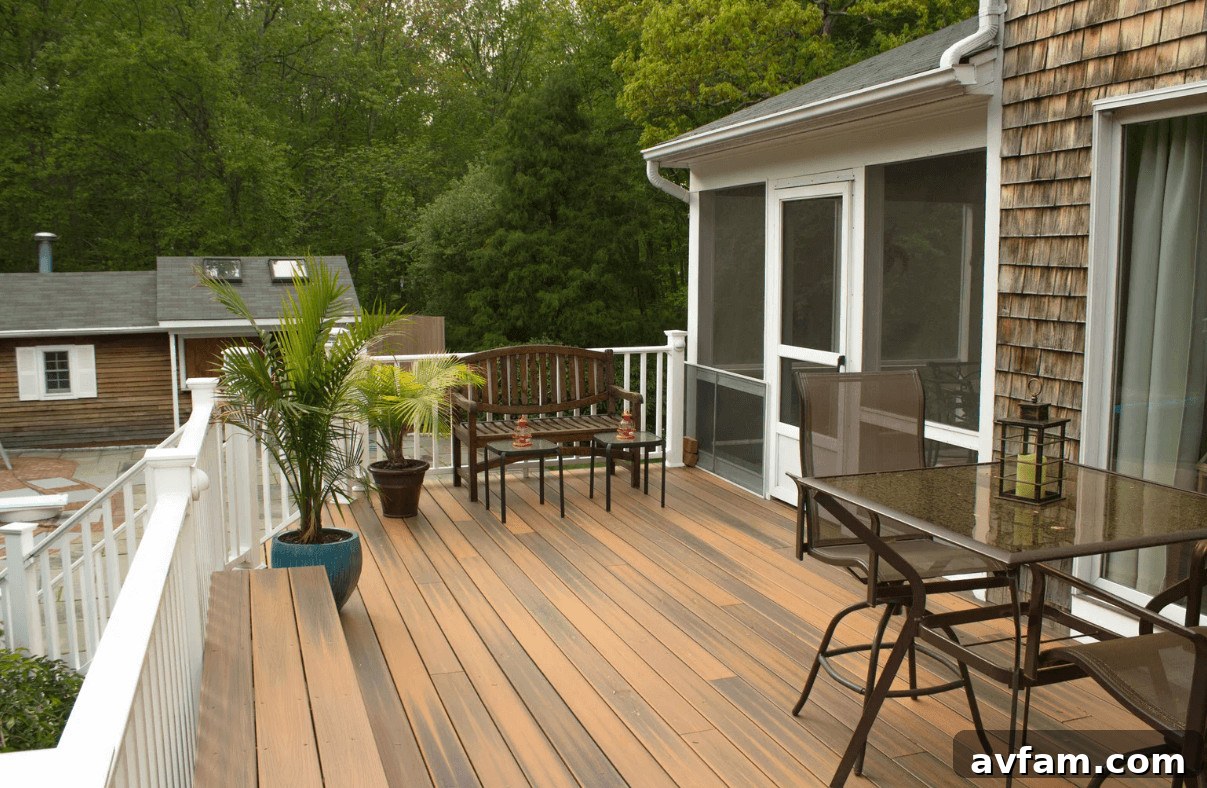
Building an outdoor living space transforms how you use your backyard. A well-built deck or platform becomes the ideal place for weekend barbecues, family gatherings, and quiet evenings. Careful planning before construction protects your financial investment and ensures the space performs well for years.
Successful outcomes depend on attention to structure, material selection, and local building codes. Taking the right steps during planning and construction prevents costly repairs down the road. A sound framework and proper materials help your family enjoy the space for decades.
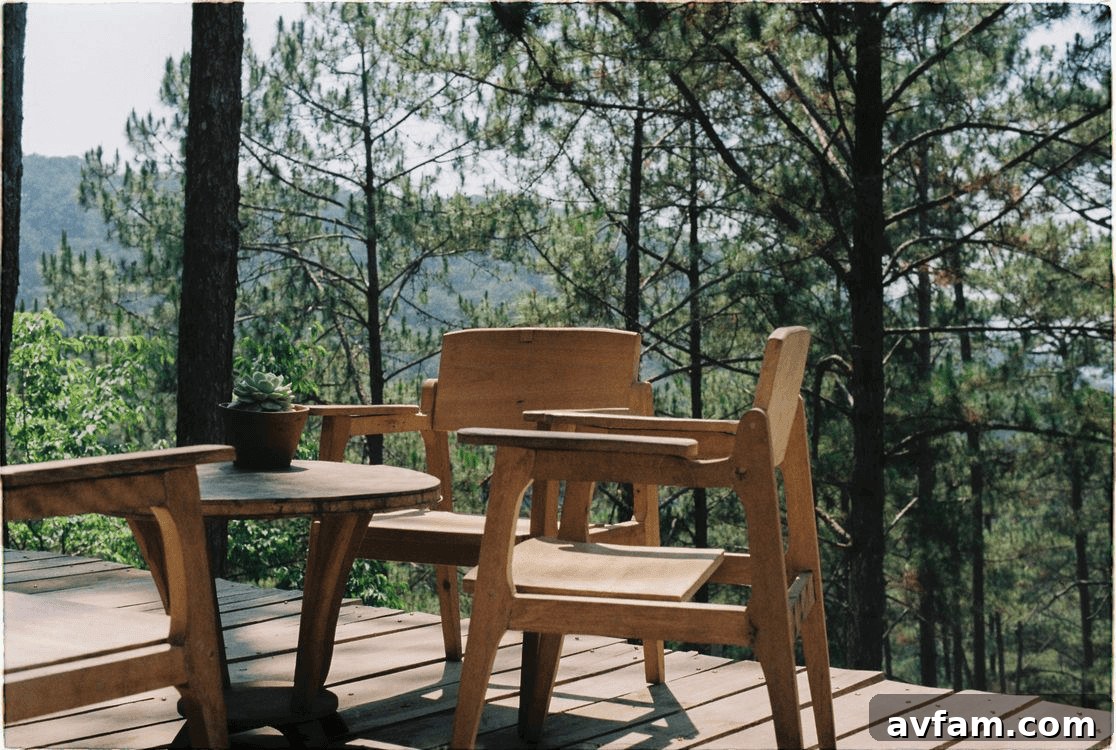
Selecting the Right Wood Grade
Long-lasting outdoor structures start with quality lumber. Choosing wood that resists decay and insect damage prevents premature failure. Local building handbooks commonly require that beams, joists, and posts be pressure-treated or otherwise decay-resistant.
Providing overhead protection, such as an overhang or pergola, extends the life of the floor by shielding it from direct sun and heavy rain. Practical designs combine a durable floor assembly with a covering to protect the main surface and increase comfort.
Selecting the correct grade and treatment for structural timbers reduces maintenance and keeps the deck stable in changing weather.
Working with Experienced Local Builders
Complex layouts and load-bearing assemblies benefit from the knowledge of experienced local builders. Professionals understand regional soil types, frost lines, and how local climate affects wood movement. Their experience helps you avoid common mistakes and ensures proper placement of key elements.
Experienced crews also have the specialized tools and techniques to dig deep footings, level heavy frames, and set beams accurately. Hiring professionals can save weeks of labor and reduce the risk of errors that lead to rework.
Working with a local contractor ensures the design and construction follow area-specific rules and best practices, while delivering a finished project that meets professional standards.
Setting Up Deep Footings
The foundation supports the entire platform. Footings must extend below the frost line to prevent seasonal movement and keep the structure level. Typical guidance calls for posts to rest on a solid concrete pad with an appropriate thickness beneath them.
Good footings also include measures to keep water away from timber, such as gravel bases, elevated metal pedestals, and preservative-treated wood for submerged portions. These details preserve structural integrity and reduce rot risk.
Measure each footing carefully and allow concrete to cure fully before continuing construction. Taking the time to build a strong foundation prevents costly fixes later and helps the deck remain stable over many seasons.
Securing Heavy Support Beams
Beams carry the load of joists and deck boards and transfer that weight to the footings. Secure, properly sized connections between vertical posts and horizontal beams are essential to prevent failure under heavy loads.
Standard nails are not adequate for primary load-bearing timbers. Notched post-to-beam connections typically require through-bolts of sufficient diameter and strength, or approved equivalent connectors that meet structural ratings. Using proper hardware prevents catastrophic failures.
During beam installation, follow these hardware guidelines:
- Choose hot-dipped galvanized or similarly protected bolts and fasteners to resist corrosion.
- Avoid using light or inappropriate screws for structural connections.
- Ensure washers sit flush against the wood and bolts are tightened to recommended torque without crushing the timber.
Nailing Down the Boards Correctly
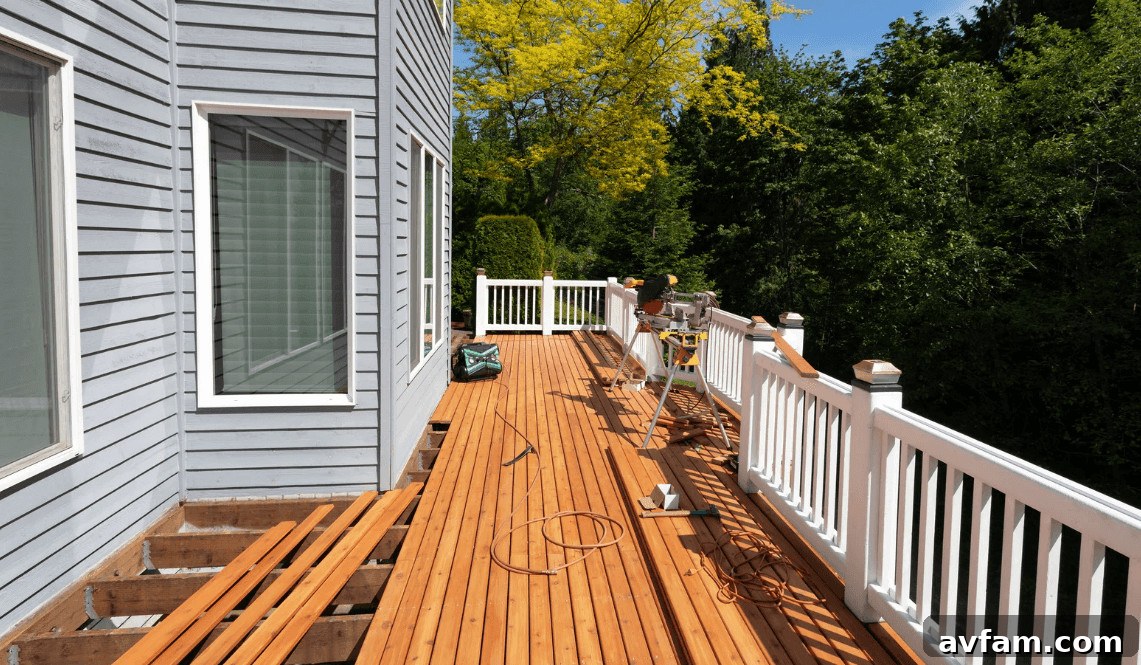
Decking receives the most wear from foot traffic and sun exposure. Fastening boards correctly keeps the surface flat, smooth, and stable. Loose or undersized fasteners create trip hazards and allow boards to warp or cup over time.
Correct spacing between boards permits water to drain instead of pooling on the wood. Builders commonly leave a small gap—enough to allow drainage and airflow—so the floor can dry between rains and resist rot.
Use appropriate fasteners at each joist intersection, typically two fasteners per joist, and choose corrosion-resistant nails or screws designed for exterior use. Consistent fastening prevents individual boards from twisting or lifting.
Building Safe Guardrails for Height
Safety is essential for elevated outdoor areas. Platforms that are a certain height above finished grade must have guardrails to protect against falls. Local regulations normally define when rails are required and the minimum strength and height they must meet.
Guardrails need strong attachment points and proper bracing to resist lateral force. Secure railing posts directly to the inner frame with heavy bolts or approved hardware to create a rigid barrier that won’t wobble when leaned on.
Handrails should be solid, easy to grip, and inspected periodically for wear. Rail spacing and design should prevent small children from fitting between balusters. Choosing materials that resist sun and moisture reduces maintenance and keeps railings safe over time.

Passing the Local Inspections
Official inspections and permits are a crucial part of any deck project. Skipping permits can result in fines or orders to remove noncompliant work. Working cooperatively with local inspectors ensures the structure meets code and is safe for use.
Schedule inspections at the required stages—framing checks are often mandatory before floorboards or handrails are installed. The inspector verifies that the work follows approved plans and that structural connections and footings meet standards.
Prepare for inspections by keeping approved plans on-site, leaving critical connections visible for review, and clearing soil away from the bases of support posts. These simple steps speed the review process and reduce the chance of corrective actions.
From choosing the right lumber grade to securing permits and using proper hardware, every decision affects the longevity and safety of your outdoor platform. Following sound construction practices protects your investment and creates a comfortable, durable outdoor retreat for many seasons.