
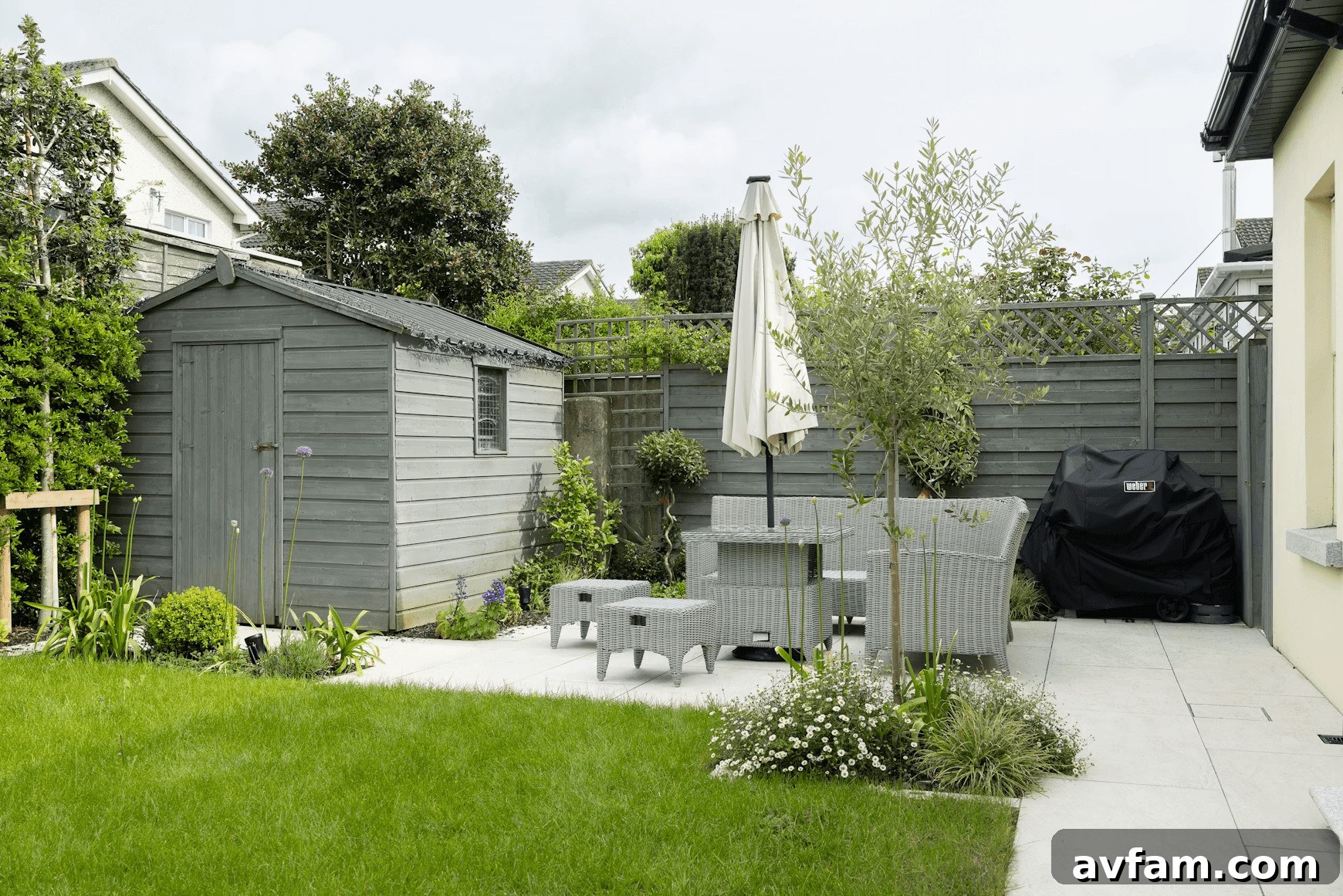
Imagine stepping out your back door with a cold drink as the sun begins to set. You sit on a comfortable patio, surrounded by lush plants and a yard that looks like a magazine spread. Then you glance at reality: a patch of weeds, a broken plastic chair, and a pile of dirt. It’s a familiar scene for many homeowners who want a beautiful outdoor space but aren’t sure where to start.
Deciding to tackle the yard yourself to save money is understandable. DIY landscaping can be satisfying and rewarding, but without proper planning it can quickly become expensive and frustrating. Small mistakes compound into larger problems, and repairs can cost more than hiring a pro would have in the first place. The key is to plan thoughtfully and avoid the most common missteps. Below are practical tips to help you approach your backyard project like a pro.
Start With a Plan, Not a Shovel
One of the biggest errors is beginning work without a clear plan. It’s easy to buy plants or materials on impulse—those pretty flowers at the garden center, a stack of pavers, or a bag of mulch—only to discover you have nowhere appropriate to place them. That kind of impulse buying wastes time and money.
Before purchasing anything, map your space and decide how you’ll use it. Note sun and shade patterns, where water flows after rain, and any features you want to keep. Sketch a basic layout showing seating areas, pathways, planting beds, and utilities. If you’re unsure, consider a simple digital planning tool to visualize ideas before committing. A clear plan saves money and prevents costly rework.
Respect the Water
Drainage is often overlooked because it isn’t glamorous, but it’s essential. Poor drainage can turn a yard into a muddy mess and create long-term problems for plants and structures. During or shortly after a rainstorm, observe where water collects and how it flows. If water pools near the house, take action to redirect it away from the foundation.
Solutions can include regrading low spots, installing proper soil layers, or adding drainage pipes where needed. These tasks may feel tedious, but addressing them early avoids far greater expense later on.
The “Right Plant, Right Place” Rule
Choosing plants without considering their mature size, water needs, and preference for sun or shade is a common mistake. That small shrub you love in the nursery may become an unruly hedge that blocks windows or lifts sidewalks years later.
Always read the plant tag for mature height and spread, and give each plant room to grow. Match plants to your climate and local conditions—don’t plant species that require tropical conditions in colder zones. Selecting plants suited to your environment will reduce maintenance and water needs while improving long-term success.
Do Not Forget the Lights
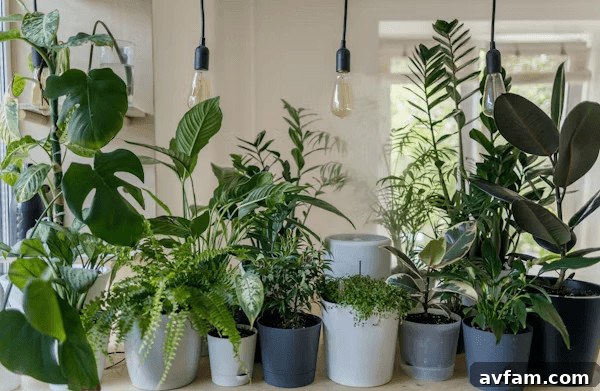
Most people design their yards for daytime use and overlook nighttime needs. While inexpensive solar path lights are fine for guiding a walkway, they won’t provide the quality illumination required for dining or entertaining outdoors. Plan your electrical needs early so you can install conduits or wiring while you’re doing other ground work.
Running power at the time of initial construction is far easier and less disruptive than trying to add it later. Thoughtful lighting can transform your outdoor space, making it usable and welcoming after dark.
The Hidden Cost of “Cheap”
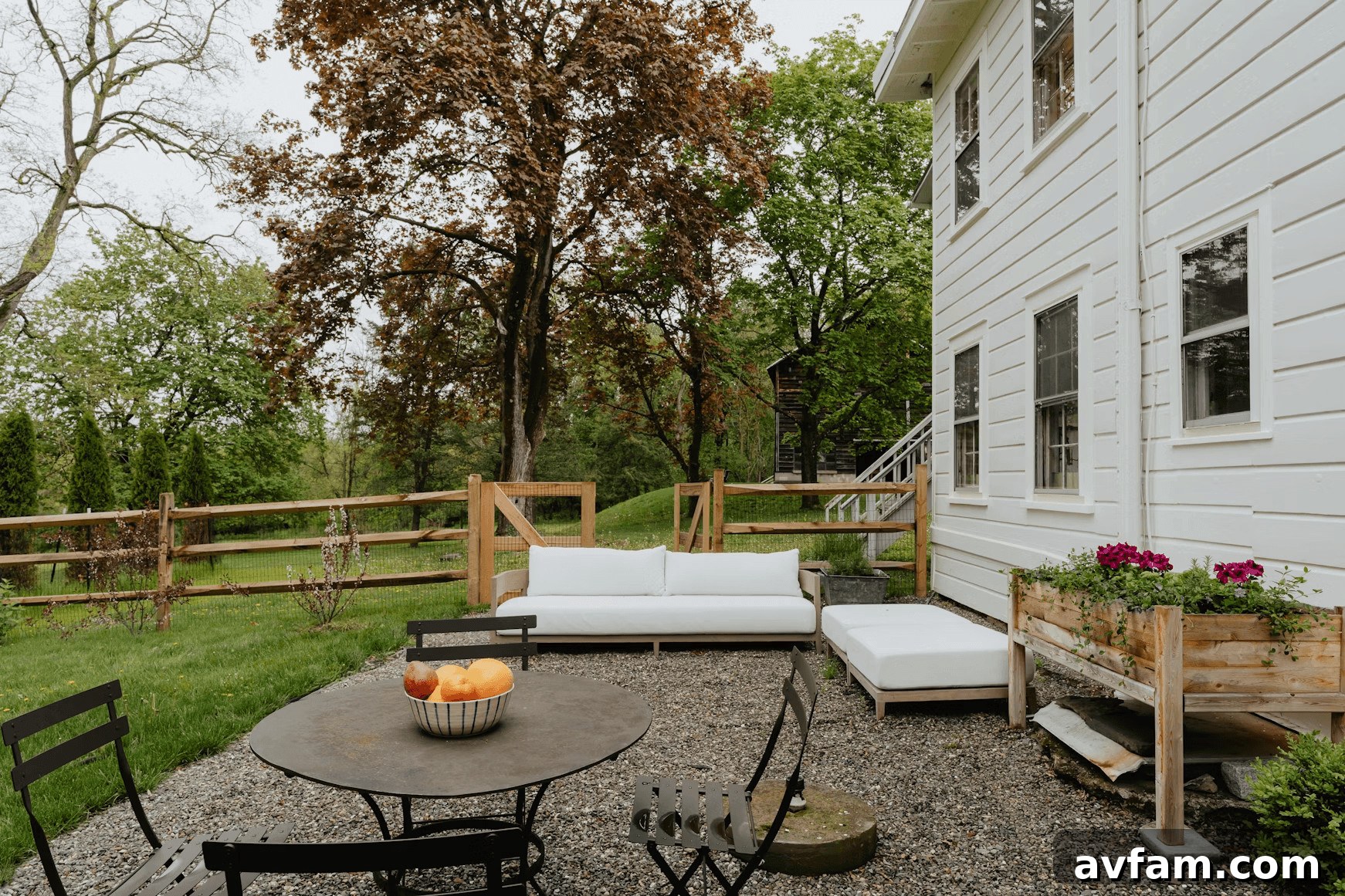
Choosing the cheapest materials or tools often ends up costing more over time. For example, untreated softwood used for decking can rot quickly, while pressure-treated lumber or composite decking lasts much longer. The initial savings of cheap materials can disappear when you factor in repairs and replacements.
Similarly, investing in decent-quality tools pays off. A sturdy shovel, good pruners, and reliable hand tools make work easier and last for years. Avoid the temptation to skimp on essentials that you’ll use repeatedly.
Think About the Upkeep
Design choices should reflect the time you can realistically dedicate to maintenance. High-maintenance plantings—like large rose gardens—require regular pruning, feeding, and pest management. If you don’t have the time, those areas will quickly look neglected.
Aim for low-maintenance strategies: mulch beds to suppress weeds, choose drought-tolerant plants, and install simple irrigation such as a drip system on a timer. A tidy, low-effort landscape often looks better and lasts longer than a complex design that you can’t keep up with.
Scale Matters
Proportion is important. A giant dining set on a small patio or a single small chair on an enormous lawn will feel out of balance. Before building, mark the planned areas with chalk or stakes and test them by placing furniture or walking the paths. Check that pathways are wide enough—about four feet is comfortable for two people side-by-side—and that seating areas allow for movement and circulation.
The Power of Soil
Good soil is the foundation of healthy plants. Many yards have compacted clay or poor-quality fill that lacks organic matter and nutrients. Amending planting beds with compost or well-aged organic matter improves structure, drainage, and fertility.
Investing in soil health helps plants establish quickly, reduces the need for fertilizers and pesticides, and supports long-term garden success.
Don’t Rush the Process
Trying to complete an entire landscaping project in a single weekend is a recipe for frustration. Tackle projects in logical stages: start with grading, drainage, and hardscape elements like patios and paths. Next, install trees and larger structural plants, then add shrubs, and finally finish with flowers and decorative details. This staged approach helps ensure each element is installed correctly and allows the landscape to mature naturally.
Final Thoughts
A well-planned DIY yard can add value to your home and provide a peaceful outdoor retreat. By planning carefully, addressing drainage and soil, choosing the right plants for the place, and investing appropriately in materials and tools, you’ll avoid common mistakes and create a space you’ll enjoy for years. Take your time, think ahead, and your efforts will pay off both in beauty and in long-term savings.