
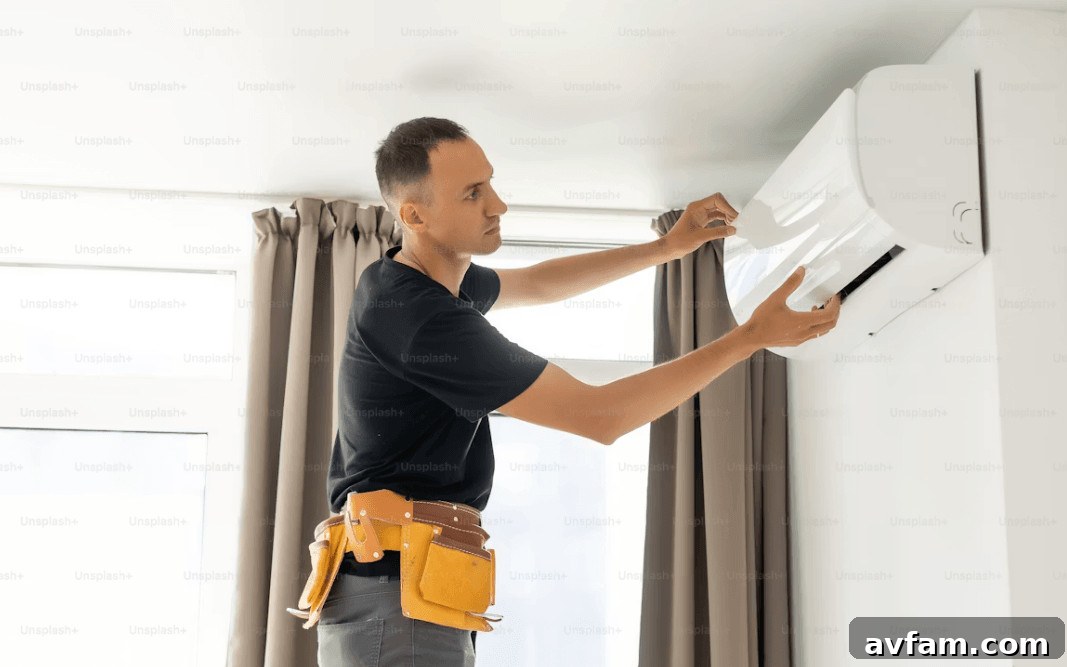
There is a specific kind of dread that arrives when the air conditioner falters in July. In a climate where indoor temperatures can climb into dangerous levels within hours of a system failing, an ailing unit is more than a nuisance. It forces a decision at the worst possible time: repair what you have, or replace the system entirely?
The right choice depends on more than a hunch. There are clear, practical signs that separate a unit worth repairing from one that is quietly costing you money and comfort. Knowing what to look for turns a high-pressure, emotionally charged decision into a straightforward, evidence-based one.
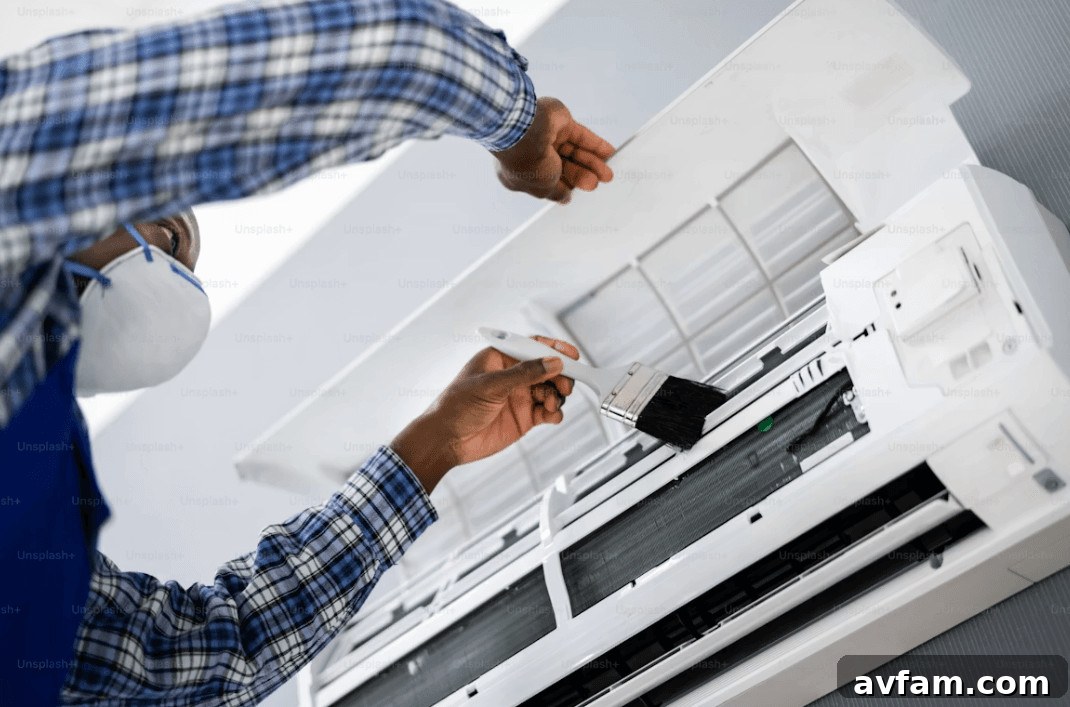
Image: Getty for Unsplash
How Phoenix Heat Shortens an Air Conditioner’s Life
Air conditioners are generally rated to last about ten to fifteen years. In the Sonoran Desert, expect closer to the lower end of that range. Units here run harder, longer, and hotter than identical models in milder climates. From late spring through early fall they can operate nearly nonstop, extracting heat from a house that is being baked from every angle.
That relentless workload stresses the components that most commonly fail: the compressor, the capacitor, the fan motor, and the coils. Fine desert dust and grit accelerate wear, coating coils and restricting airflow. Monsoon storms add risk from power surges and debris. When comparing your system’s age to a textbook lifespan, mentally subtract a few years for the local climate. A twelve-year-old AC in Phoenix has effectively lived longer than its calendar age.
Signs Your AC Only Needs a Repair
Many failures are isolated problems, not a signal that the whole system is done. If your unit is under about ten years old and has been maintained, a repair is often the right choice. Watch for these signs:
- Sudden loss of cooling after years of steady service. A single failed part such as a capacitor or contactor commonly causes abrupt outages.
- Weak airflow or lukewarm air while the system still runs. This often points to dirty coils, a failing fan motor, or a refrigerant issue rather than total system failure.
- The problem is limited to one component while the rest of the system appears sound.
- Summer energy bills have been stable rather than steadily increasing.
If a single repair restores full performance on an otherwise healthy system, repairing is usually the economical and sensible choice. When in doubt, schedule a diagnostic service so you know exactly which part failed and whether the rest of the equipment still has useful life.
Signs It Is Time to Replace the System
Certain patterns indicate the system has reached the end of its useful life. Consider replacement when you see these issues:
- Repeated breakdowns in a single season, whether the same fault reoccurs or different problems keep emerging.
- A steady rise in summer electric bills despite unchanged usage habits. Declining efficiency is often the first sign of an aging system.
- Persistent uneven cooling that no repair seems to fix, with some rooms staying cool while others never catch up.
- The unit uses R-22 refrigerant. Production and import of R-22 ended in the United States, making repairs costly as supplies dwindle. A major refrigerant fix on an R-22 system often isn’t financially sensible.
- Compressor failure on an older unit. The compressor is the most expensive component; replacing it in a system past ten years old can approach the price of a new installation.
Age and Cost Math
A useful rule of thumb is to multiply the age of your air conditioner (in years) by the estimated repair cost. As that number climbs relative to the price of a new system, replacement becomes more attractive, since you are likely to face more repairs down the road anyway.
Energy efficiency must factor into the comparison. Cooling standards and equipment efficiency have improved considerably in the last decade. A mid-2000s system cannot match the output of a modern unit using the same electricity. In a region where the air conditioner is the largest summer expense, the monthly savings from a high-efficiency replacement can offset a meaningful portion of the installation cost over time. A cheap repair that keeps an inefficient unit running is not always the economical choice it appears to be.
What to Check Before You Decide
Before committing to repair or replacement, gather a few facts so your decision rests on evidence rather than heat and anxiety:
- Confirm the system’s exact age by checking the manufacturer label on the outdoor condenser.
- Identify the refrigerant used. R-22 versus a modern refrigerant changes the calculation immediately.
- Obtain a clear diagnosis of the failure: is it a single component or a symptom of broader decline?
- Review recent summer electric bills to identify any trend of slipping efficiency.
- Assess maintenance history. A neglected ten-year-old unit and a well-serviced ten-year-old unit are not equivalent.
With those five facts in hand, most homeowners find the right course becomes obvious rather than agonizing.
Making the Call
The short version: a younger, well-maintained system with an isolated failure is usually a repair. An older system with repeated breakdowns, rising bills, a failed compressor, or reliance on R-22 refrigerant typically leans toward replacement. In desert climates, the scale tips slightly toward replacing sooner than in cooler areas because equipment endures a heavier workload.
Whatever you decide, don’t wait for the system to die entirely in the middle of a heat wave. The best decisions about air conditioner repair or replacement are made in the shoulder seasons, when you have time to compare options calmly and avoid emergency service calls. If your unit gave trouble last summer, treat that as your cue to resolve the issue before the next heat season arrives.