
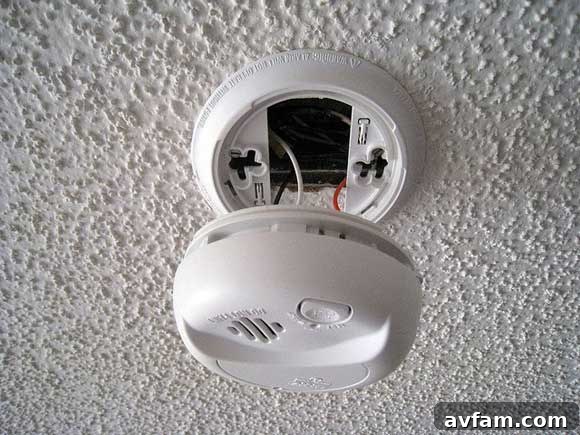
Daylight Saving Time: More Than Just an Hour – A Critical Reminder for Home Fire Safety
As the seasons change and we prepare to adjust our clocks for Daylight Saving Time (unless you reside in Arizona, where this tradition is often bypassed), this annual ritual brings with it a potent and crucial reminder: it’s the perfect opportunity to check your smoke detector batteries. This seemingly minor task is, in fact, one of the simplest yet most effective steps you can take to safeguard your home and loved ones from the devastating impact of fire.
While gaining or losing an hour of sleep might be the most talked-about aspect of this time change, let’s shift our focus to something far more vital: your family’s safety. A functioning smoke alarm is your first line of defense, a vigilant guardian that provides precious seconds, or even minutes, to escape a dangerous situation. Ignoring its maintenance can have dire consequences, which is why we advocate for making the “fall back” or “spring forward” a steadfast reminder for home safety checks.
The Unsung Heroes: Why Smoke Detectors Are Non-Negotiable for Every Home
In the event of a home fire, time is of the essence. Fires can spread rapidly, consuming a room in minutes and generating thick, toxic smoke that can disorient and incapacitate. This is where smoke detectors prove their invaluable worth. These devices are specifically designed to detect the presence of smoke, alerting occupants with a loud, piercing alarm, providing crucial moments to evacuate safely.
Consider these sobering statistics: according to the National Fire Protection Association (NFPA), three out of five fire deaths occur in homes with no smoke alarms or no working smoke alarms. Furthermore, the risk of dying in a home fire is cut in half in homes with working smoke alarms. These figures aren’t just numbers; they represent lives saved and tragedies averted. A working smoke detector doesn’t prevent a fire, but it significantly increases your chances of surviving one.
Modern homes, built with lightweight materials and filled with synthetic furnishings, tend to burn much faster than homes of previous generations. This accelerated fire spread means that the window of opportunity for escape is shrinking, making the early warning provided by a smoke detector more critical than ever before. Don’t underestimate the power of these small devices; they are genuine life-savers.
The Annual Ritual: When and How to Check Your Smoke Detector Batteries
The “change your clocks, change your batteries” adage is more than just a catchy phrase; it’s a vital public safety campaign. While Daylight Saving Time offers a convenient and memorable anchor for this task, it’s essential to understand that battery checks should ideally be more frequent. The NFPA recommends testing your smoke alarms at least once a month and replacing their batteries at least once a year, regardless of whether they appear to be working.
How to Test Your Smoke Detector: A Simple Step-by-Step Guide
- Locate the Test Button: Every smoke detector has a test button, usually clearly marked.
- Press and Hold: Firmly press and hold the test button for a few seconds.
- Listen for the Beep: You should hear a loud, piercing alarm sound. This indicates that the alarm’s electronics and horn are working.
- Release the Button: The alarm should stop once you release the button.
- Repeat for All Detectors: Perform this test on every smoke alarm in your home.
If an alarm fails to sound during the test, or if the sound is weak, it’s a clear sign that the batteries need to be replaced immediately. Most smoke detectors will also emit a consistent “chirping” sound when their batteries are starting to wear down. This is not just an annoyance; it’s a critical warning that should never be ignored. That intermittent chirp is your smoke alarm’s way of telling you it’s running out of power and can no longer protect you effectively. Make it a priority to change those batteries as soon as you hear the warning chirps.
A Closer Look: Types of Smoke Detectors and Optimal Placement
Not all smoke detectors are created equal, and understanding the different types can help you make informed decisions about your home’s safety system.
Understanding Detector Types:
- Ionization Smoke Alarms: These alarms are typically more responsive to fast-flaming fires that produce small, invisible combustion particles. They contain a small amount of radioactive material that ionizes the air between two electrodes. Smoke disrupts this ionization, triggering the alarm.
- Photoelectric Smoke Alarms: These detectors are generally more effective at detecting slow, smoldering fires that produce large, visible smoke particles. They work by using a light source and a sensor; when smoke enters the chamber, it scatters the light into the sensor, activating the alarm.
- Dual-Sensor Alarms: Offering the best of both worlds, these alarms combine both ionization and photoelectric technologies, providing comprehensive protection against both types of fires. Many fire safety experts recommend dual-sensor alarms for optimal home protection.
- Hardwired Alarms with Battery Backup: These systems are directly connected to your home’s electrical system, ensuring continuous power. The battery backup is crucial, as it keeps the alarm functioning even during power outages, providing an additional layer of reliability.
- Interconnected Alarms: A highly recommended safety feature, interconnected alarms mean that if one detector senses smoke, all other interconnected alarms in the house will sound simultaneously. This is particularly vital in larger homes or homes with multiple levels, as it ensures everyone is alerted no matter where the fire starts.
Optimal Placement for Maximum Protection:
The effectiveness of your smoke detectors is significantly influenced by their placement. Follow these guidelines to ensure comprehensive coverage:
- Every Level: Install at least one smoke alarm on every level of your home, including the basement and finished attics.
- Inside and Outside Bedrooms: Place a smoke alarm inside every sleeping room and also in the hallway or area immediately outside sleeping areas. This ensures that everyone is alerted quickly, especially during sleeping hours.
- Away from Kitchens and Bathrooms: To avoid nuisance alarms from cooking fumes or steam, position alarms at least 10 feet from cooking appliances and away from bathrooms with showers.
- High on Walls or Ceilings: Smoke rises, so install alarms high on a wall (within 6 to 12 inches of the ceiling) or on the ceiling itself.
- Avoid Vents and Windows: Keep alarms away from air vents, windows, and ceiling fans, as drafts can prevent smoke from reaching the detector.
Beyond Smoke: The Silent Killer – Carbon Monoxide Detectors
While we focus on smoke detectors, it’s equally important to consider carbon monoxide (CO) detectors. Carbon monoxide is an odorless, colorless, and tasteless gas produced by the incomplete combustion of fuels. It’s often called “the silent killer” because it cannot be detected by human senses and can quickly lead to poisoning and death.
Sources of CO include faulty furnaces, water heaters, gas ranges, fireplaces, and car exhaust. Like smoke detectors, CO detectors require regular testing and battery replacement. Place CO detectors near sleeping areas and on every level of your home. Some devices combine smoke and CO detection, offering integrated safety in one unit.
Comprehensive Home Fire Safety: More Than Just Alarms
Working smoke detectors are fundamental, but they are just one component of a holistic home fire safety plan. To truly protect your family, consider these additional crucial steps:
Develop and Practice a Home Fire Escape Plan:
- Two Ways Out: Identify at least two escape routes from every room.
- Meeting Point: Establish a designated outdoor meeting place a safe distance from your home.
- Practice Drills: Practice your escape plan at least twice a year, ensuring everyone knows what to do in case of a fire.
- Crawl Low: Teach everyone to crawl low under smoke to avoid inhaling toxic fumes.
- “Get Out and Stay Out”: Emphasize that once outside, no one should re-enter a burning building for any reason.
Maintain Fire Extinguishers:
Keep a working fire extinguisher on every level of your home, particularly in the kitchen and garage. Learn how to use it properly (remember the acronym PASS: Pull, Aim, Squeeze, Sweep) and ensure it is regularly inspected and maintained.
Eliminate Common Fire Hazards:
- Electrical Safety: Avoid overloading outlets, use proper extension cords, and regularly inspect electrical wiring for damage.
- Cooking Safety: Never leave cooking unattended, especially when frying or broiling. Keep flammable materials away from the stovetop.
- Candle Safety: Always extinguish candles before leaving a room or going to bed. Keep them away from curtains and other flammable items.
- Smoking Materials: If you smoke, use deep, sturdy ashtrays and ensure all smoking materials are fully extinguished before disposal.
- Heating Equipment: Have furnaces and chimneys professionally inspected annually. Keep space heaters at least three feet away from anything flammable.
When to Retire Your Guardian: Replacing the Entire Unit
Batteries aren’t the only components that have a lifespan. Smoke detectors themselves don’t last forever. The sensors inside them can become less sensitive over time due to dust, debris, and general aging. Most smoke detector manufacturers and fire safety organizations recommend replacing your smoke alarms every 10 years. To determine the age of your detector, look for a manufacturing date or expiration date printed on the back of the unit. If you can’t find a date, or if it’s over 10 years old, it’s time for a replacement.
Advanced Systems and Smart Home Integration
For those looking for enhanced safety and convenience, modern technology offers advanced smoke and CO detection systems. Smart smoke alarms can connect to your home Wi-Fi, sending alerts to your smartphone even when you’re not home. Some can integrate with other smart home devices, automatically turning on lights or unlocking doors in an emergency. These innovations provide an added layer of protection and peace of mind, though the fundamental principles of regular testing and maintenance remain paramount.
Final Thoughts: Proactive Steps for Peace of Mind
The simple act of changing your clocks for Daylight Saving Time should serve as a powerful catalyst for a quick, yet incredibly significant, home safety check. Taking a few minutes to test your smoke detectors, replace their batteries, and review your overall fire safety plan is a small investment of time that yields invaluable returns in safety and peace of mind. Don’t procrastinate on this vital task. A functioning smoke alarm can be the difference between life and death. Be proactive, be prepared, and ensure your home is a safe sanctuary for everyone who lives within its walls. Don’t delay—check your detectors today!