
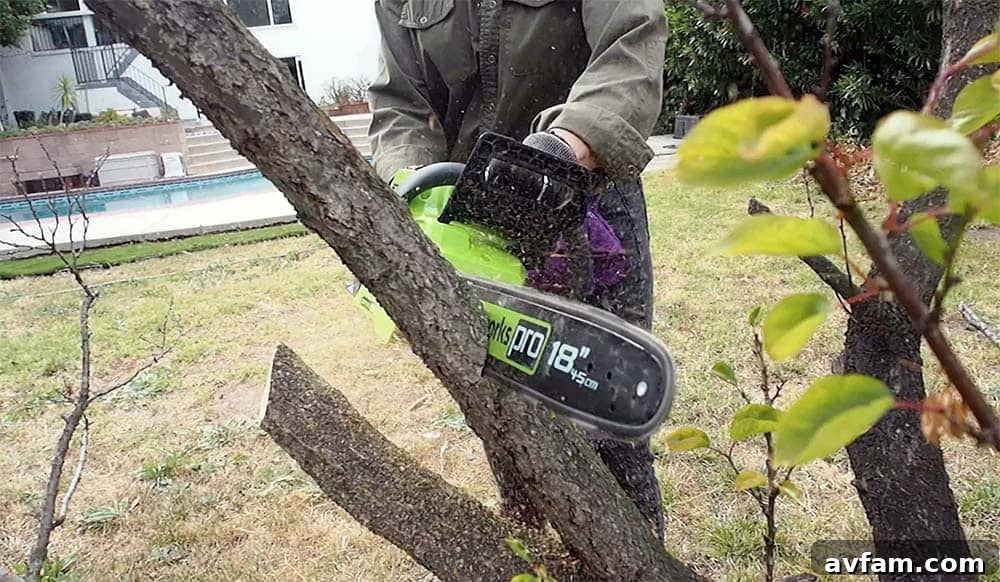
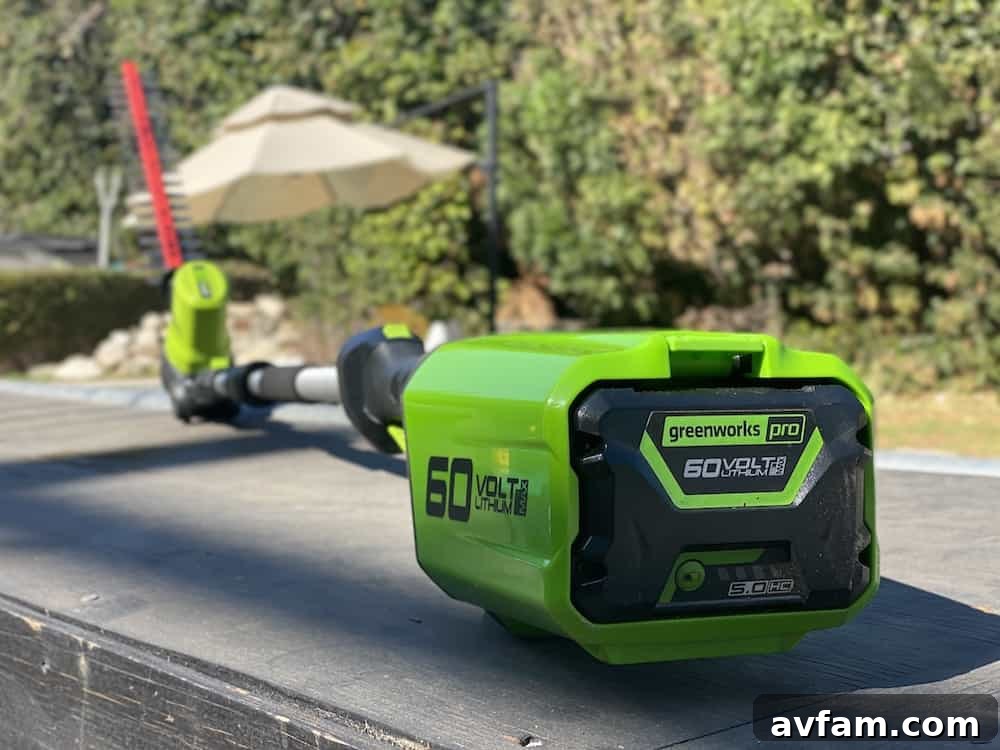
In the evolving landscape of home maintenance, few shifts have been as transformative and unequivocally positive as the move from gas-powered to battery-powered outdoor power equipment. For the vast majority of homeowners, the era of relying on internal combustion engines for yard work has effectively concluded. The market itself stands as a testament to this change, with sales of traditional gas tools steadily declining as consumers increasingly opt for modern, efficient, and environmentally conscious alternatives. This article delves deep into why battery-powered yard tools are not just a viable option, but the superior choice in virtually every measurable aspect, marking them as an essential upgrade for contemporary home and garden care.
Gone are the days when cordless tools were seen as underpowered novelties. Today’s battery-powered equipment delivers robust performance, remarkable convenience, and a host of benefits that gas tools simply cannot match. From enhanced user experience to significant environmental advantages and long-term cost savings, the case for making the switch is compelling. Join us as we explore the multifaceted reasons why your next yard tool should undoubtedly be powered by a battery.
Battery-Powered Outdoor Power Equipment Offers Unrivaled Cleanliness
The operational reality of gas-powered outdoor power equipment (OPE) is undeniably messy. Owning and operating these tools often means navigating a continuous cycle of potential spills and grime. The process begins with trips to the gas station, often involving the messy task of filling a separate gas can, sometimes even mixing in oil for two-stroke engines. This alone presents multiple opportunities for fuel to slosh, drip, or spill, leaving behind lingering odors and unsightly stains on your vehicle, garage floor, or even your clothing.
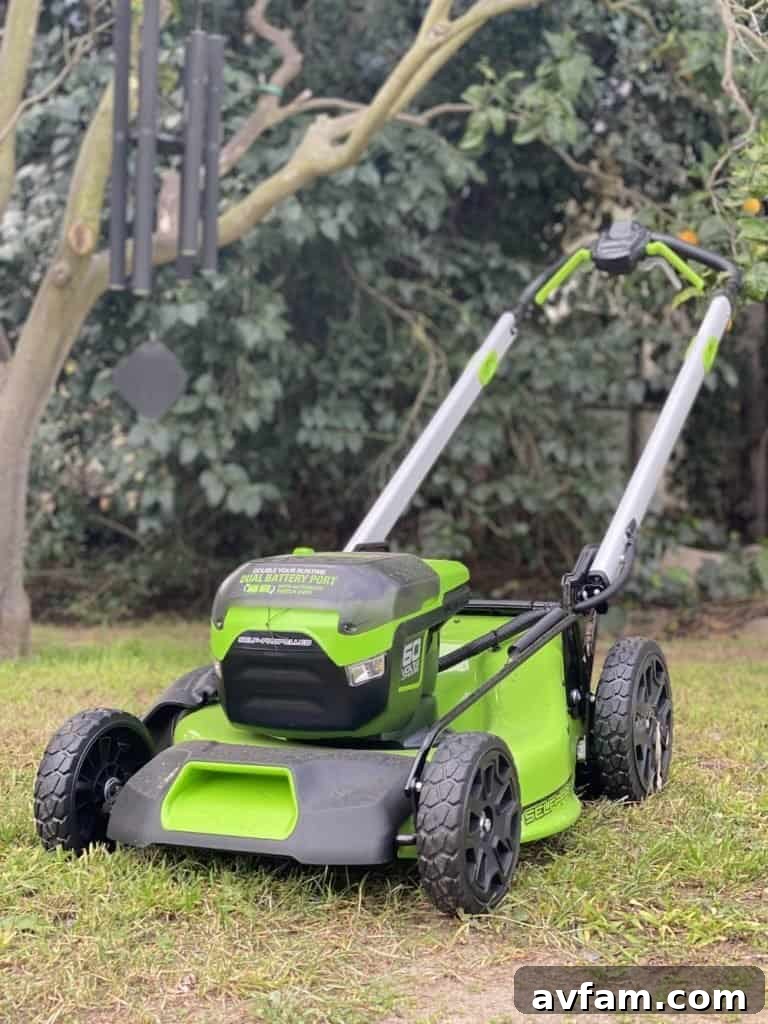
Beyond the refueling process, gas tools inherently produce exhaust fumes and residue. Carburetor issues can lead to fuel leaks, while oil changes (for four-stroke engines) or exhaust buildup can leave tools greasy and unpleasant to handle. Imagine the frustration of dedicating precious weekend hours to mowing or edging your lawn, only for a stubborn engine to refuse to start, forcing you into an hour of troubleshooting and ultimately, cleaning oil stains from your favorite work pants. This recurring cycle of mess, maintenance, and potential frustration becomes a forgotten relic with battery-powered tools.
With battery-powered equipment, you completely eliminate the need for oil and gas. The only “mess” associated with your yard work becomes the clippings and debris you’re actively managing, which is easily cleaned and disposed of. There’s no fuel to spill, no oil to change, and no carbon residue to clean. Simply pop in a charged battery, and you’re ready to go. This fundamental difference transforms the entire experience of yard maintenance from a grimy chore into a far cleaner, more streamlined, and enjoyable task.
Battery-Powered Outdoor Power Equipment Champions Environmental Responsibility
While gas-powered OPE can create a literal mess in your shed and on your hands, its impact on the environment is far more extensive and concerning. The small two and four-stroke engines that power these outdoor tools are disproportionately among the dirtiest combustible engines in operation. They are notorious for emitting significant amounts of harmful pollutants, including carbon monoxide, unburned hydrocarbons, and various nitrogen oxides (nitric oxide and nitrogen dioxide). These emissions contribute directly to smog formation, acid rain, and pose serious risks to human respiratory health.
Even with advancements in engine design aimed at reducing emissions, the fundamental reliance on burning fossil fuels remains. In an era where climate consciousness is paramount, continuing to use fossil-fuel-burning engines for routine yard maintenance feels increasingly antiquated and out of step with global sustainability efforts. Each time you start a gas-powered tool, you are directly contributing to air pollution, both locally and globally, impacting the very environment you’re striving to maintain.

Furthermore, these engines generate a substantial amount of waste that extends beyond just the fumes. Consider the disposal of oil filters, spent spark plugs, empty plastic fuel bottles, and the myriad other maintenance-related consumables directly attributable to sustaining a gas engine. These items often require special disposal, adding to landfill waste and potential environmental contamination.
The environmental impact isn’t just global; it’s also deeply local. Gas tools are notorious for their high levels of noise pollution. This incessant drone can disturb not only your own peace but also that of your neighbors and local wildlife. Moreover, the pervasive smell of exhaust fumes, laden with toxic chemicals, pollutes the immediate air, diminishing the joy of being outdoors. By switching to battery-powered equipment, you significantly reduce both noise and air pollution, fostering a healthier, more pleasant outdoor environment for everyone. As a delightful bonus, you’ll eliminate the lingering, acrid smell of gas and exhaust on your clothes, allowing you to truly enjoy the fresh air after completing your yard work.
Battery-Powered Outdoor Power Equipment Boasts Superior Efficiency and Performance
The pace of innovation in lithium-ion battery technology has been nothing short of astounding. What was available even just 5 to 10 years ago pales in comparison to today’s offerings. Engineers have achieved remarkable feats, not only packing more energy cells into smaller, lighter battery packs but also dramatically improving their overall lifespan, runtime per charge, and crucially, their charge times. This continuous evolution means that modern battery tools are now capable of matching, and often exceeding, the power and performance of their gas counterparts for most residential tasks.
A significant advancement contributing to this enhanced efficiency is the widespread adoption of brushless motor technology. Many battery-powered outdoor tools are now equipped with brushless motors, which represent a considerable leap forward. Unlike traditional brushed motors, brushless designs eliminate friction from carbon brushes, leading to several key benefits: less heat production, significantly reduced noise, enhanced power delivery, longer motor life, and lower maintenance requirements. What was once a premium feature found only on high-end tools, brushless technology is now becoming standard across many brands, including market leaders like Greenworks, making powerful and efficient tools accessible to every homeowner.

While it’s true that some higher-capacity battery tools might initially weigh slightly more than their gas-powered equivalents due to the battery pack, advancements in ergonomic design and battery chemistry are continuously addressing this. For homeowners with small to medium-sized yards, the option to choose lower amp-hour (Ah) batteries provides a perfect balance of sufficient runtime and a noticeably lighter, more maneuverable tool. This flexibility allows users to tailor their equipment to their specific needs, ensuring comfort and reducing fatigue during extended use. The instant start, consistent power, and reduced vibration further enhance the user experience, making yard work less strenuous and more productive.
Battery-Powered Outdoor Power Equipment Represents a Smarter Value Proposition
When considering the true cost of outdoor power equipment, it’s essential to look beyond the initial purchase price. The adage “time is money” rings particularly true for gas-powered tools. Factor in the recurring expenses and time commitments: purchasing, transporting, and storing gasoline and oil; the cost of spark plugs, air filters, and fuel stabilizers; and the inevitable trips for maintenance, tune-ups, or repairs to a small engine shop. When you tally up all these direct and indirect costs, a gas-powered tool often ends up being far more expensive to own and operate over its lifespan than its battery-powered counterpart.
While cordless tools still require a modicum of care and maintenance—such as charging batteries, cleaning blades, and ensuring proper storage—this is remarkably minimal compared to the extensive upkeep demanded by gas engines. The absence of carburetors, fuel lines, and complex ignition systems drastically reduces the likelihood of costly repairs and frustrating downtime, freeing up your valuable time and saving you money.
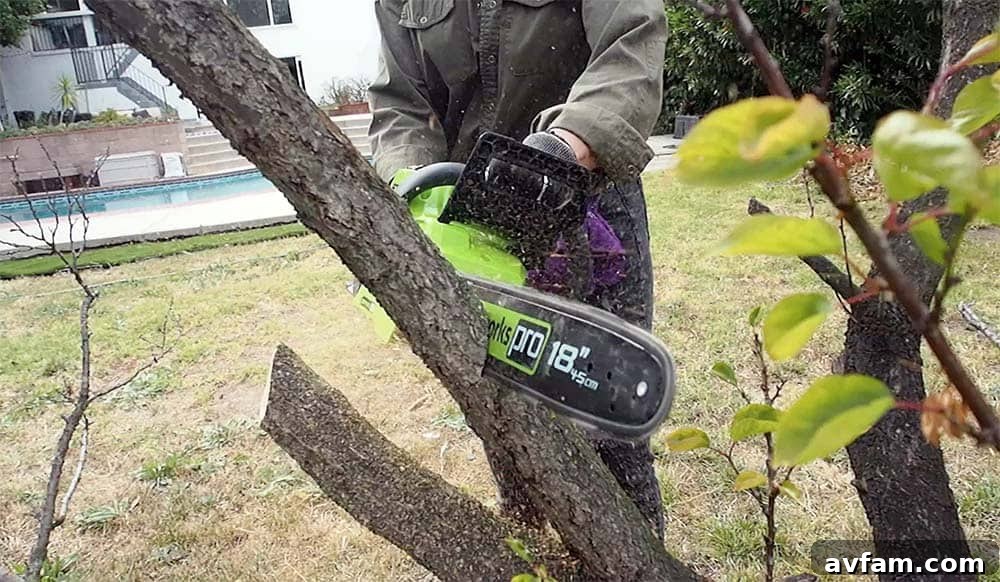
The real value proposition of battery-powered equipment truly shines after your initial investment in a tool that includes a battery and charger. Batteries, being the technological heart of these systems, can sometimes cost as much as the tool itself. However, once you own a compatible battery, you unlock an entire ecosystem. You can then expand your toolset by purchasing “bare tools”—equipment sold without a battery or charger—at a significantly reduced price. This platform approach allows you to build a comprehensive suite of yard tools, from string trimmers and leaf blowers to chainsaws and hedge trimmers, all powered by the same interchangeable battery system.
We’ve personally experienced and highly recommend the Greenworks Pro 60V line of tools. Designed with the discerning homeowner in mind, these tools offer an abundance of power to tackle even demanding tasks. Whether you have a compact urban yard or a sprawling suburban landscape, the 60V line provides an extensive selection of over 40 tools, ensuring you have the right equipment for every job without the hassle or expense of gas.
In conclusion, the decision to choose battery-powered outdoor power equipment is a clear win-win. You save yourself invaluable time, reduce ongoing costs, and minimize the frustrations associated with gas engines. Simultaneously, you make a conscious choice to protect our shared environment by reducing emissions and noise pollution. Embrace the future of yard care; make the smart switch to battery-powered cordless tools and experience the difference yourself.