
Unlock the Power: A Deep Dive into Brushless Motors in Power Tools
In today’s fast-paced world of innovation, the term “brushless motors” has become a prominent buzzword, especially in the power tool industry. You’ve likely noticed this phrase proudly emblazoned across the latest drills, impact drivers, and saws, often accompanied by promises of unprecedented power, incredible speed, and superior endurance. For many, these claims might sound almost too good to be true, raising questions about whether the hype truly matches the reality. This comprehensive guide aims to demystify brushless motor technology, peeling back the layers behind the marketing to provide you with a clear understanding. By diving deeper into how these advanced motors work and the tangible benefits they offer, we hope to empower you to make a more informed and confident decision when investing in your next essential power tool.
Understanding the Core: What are Brushed Motors?
Before we explore the innovations of brushless technology, it’s crucial to understand the foundation it evolved from: the traditional brushed motor. A standard brushed DC motor, which has powered countless tools for decades, is an ingenious piece of engineering consisting of four primary components:
- A Ring of Magnets (Stator): These permanent magnets form the stationary outer casing of the motor, generating a constant magnetic field.
- Carbon Brushes: Typically two, these stationary components are designed to conduct electricity from the power source to the rotating part of the motor. They are spring-loaded to maintain constant physical contact.
- Armature (Rotor): This is the rotating component, made up of a series of coiled wires (windings) wound around an iron core.
- Commutator: A segmented metal ring attached to the armature. As the armature spins, the carbon brushes make contact with different segments of the commutator.
The operational principle is straightforward: electricity flows from the power source, through the carbon brushes, and onto the commutator segments, which then transfer it to the armature windings. This current creates an electromagnetic field in the armature that interacts with the permanent magnets of the stator, causing the armature to rotate. As the armature spins, the brushes continuously switch contact to different commutator segments, effectively reversing the direction of the current in the armature coils. This continuous switching maintains the rotational force, allowing the motor to spin.
While effective, this design inherently comes with drawbacks. The constant physical contact between the carbon brushes and the commutator creates significant friction, leading to wear, heat generation, and efficiency losses. This friction is not just an inconvenience; it’s a fundamental limitation that brushless technology seeks to overcome.
The Evolution: How Brushless Motors Operate
A brushless motor, often referred to as a BLDC (Brushless Direct Current) motor, represents a significant leap forward by fundamentally redesigning the motor’s internal architecture. As its name suggests, it strips away the problematic carbon brushes and the commutator entirely. This elimination of mechanical contact points is the cornerstone of its superior performance.
In a brushless motor, the roles of the magnetic components are essentially reversed compared to a brushed motor:
- Magnets (Rotor): The permanent magnets are now located on the conventional motor shaft, forming the rotating part (rotor).
- Copper Windings (Stator): The copper windings of the armature are fixed and surround the shaft, becoming the stationary part (stator).
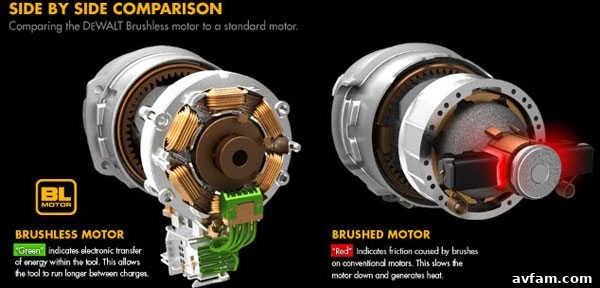
Instead of brushes and a commutator physically switching current, a sophisticated electronic control board (often called an Electronic Speed Controller, or ESC) orchestrates the entire process. This board uses sensors (or sensorless algorithms) to precisely detect the rotor’s position at any given moment. Based on this feedback, it electronically switches the current to the various fixed copper windings in the stator. By rapidly and sequentially energizing different sets of windings, the control board creates a continuously rotating electromagnetic field. This field then “pulls” and “pushes” the permanent magnets on the rotor, causing the shaft to spin smoothly and powerfully.
The graphic above clearly illustrates this crucial difference. Note the red areas on the brushed motor, which highlight the points of friction and wear. These areas are completely absent in the brushless design, leading to a host of performance benefits.
The Unmistakable Brushless Advantage
The inherent physical and electronic attributes of a brushless motor align perfectly with the rigorous demands of modern power tools, offering a compelling array of benefits that traditional brushed motors simply cannot match. This advanced technology doesn’t just promise improvements; it delivers them across the board, fundamentally enhancing the user experience and tool performance.
Superior Efficiency and Extended Runtime
One of the most significant advantages of brushless motors is their dramatically improved energy efficiency. Without the constant friction and electrical resistance caused by brushes dragging against a commutator, there are no voltage drops or energy losses from mechanical wear. This means a much higher percentage of the battery’s power is converted directly into rotational force. While brushed motors typically operate at 60-75% efficiency, brushless motors commonly achieve 85-90% or even higher. This translates directly into significantly longer runtimes on a single battery charge, allowing professionals and serious DIYers to work for extended periods without interruption, maximizing productivity on the job site.
Enhanced Power, Torque, and Speed
The design flexibility of brushless motors allows for larger copper windings on the stator, which can be more efficiently cooled. This enables manufacturers to pack more power into a smaller footprint and sustain higher power outputs without overheating. The precise electronic control also means that brushless tools can deliver higher maximum RPMs and, crucially, maintain consistent torque under load. Whether you’re driving large fasteners into dense wood or drilling through tough materials, a brushless tool provides the brute force and unwavering performance needed to tackle demanding tasks with ease.
Unrivaled Durability and Longevity
The absence of wear-and-tear components like carbon brushes means there’s nothing to replace, nothing to wear out prematurely, and no dust buildup from brush disintegration. This drastically extends the motor’s lifespan and reduces maintenance requirements. Brushless tools are simply built to last longer, making them a more robust and reliable investment, especially for professionals who depend on their tools daily. They are less prone to breakdowns and offer consistent performance over many years of heavy use.
“Smart” Tool Functionality and Precision Control
Brushless motors have ushered in the era of the “smart tool.” The integrated electronic control board doesn’t just switch current; it acts as the tool’s brain. It constantly monitors the motor’s load and adjusts power delivery in real-time. If the tool senses less resistance (e.g., driving a small screw into soft wood), it draws less power, conserving battery life. Conversely, when encountering high resistance (e.g., drilling a large hole through metal), it ramps up power to maintain performance. This dynamic adjustment leads to more precise control, prevents overload, and optimizes power consumption. Users benefit from variable speed triggers that offer finer control, anti-kickback features, and even specific modes for different applications, making the tool more versatile and safer.
Reduced Heat and Noise
With no brushes creating friction, brushless motors generate significantly less heat during operation. This not only enhances efficiency but also allows the motor to run cooler, preventing premature wear of internal components and extending the tool’s life. Less friction also means a quieter operation, reducing user fatigue and making for a more pleasant working environment, particularly when working indoors or in noise-sensitive areas.
For a practical demonstration of these advantages, observe these comparison videos showcasing brushless technology in action:
The Brushless Challenge: Weighing the Investment
Despite their undeniable superiority, brushless motors are not without their considerations, primarily centering around the initial investment. While the long-term benefits are substantial, the upfront cost can be a hurdle for some buyers.
Higher Manufacturing Costs and Complexity
The core reason for the higher price tag of brushless tools lies in their more complex manufacturing process. The precision required for the fixed copper windings, coupled with the sophisticated electronic control board, demands advanced assembly techniques and more expensive components. The electronic speed controllers (ESCs) need careful calibration and integration to ensure optimal performance, dynamic power adjustment, and safety features. This automation and intricate electronics contribute significantly to the production cost compared to the relatively simpler mechanical design of a brushed motor.
Integration with Advanced Battery Technology
The rise of brushless motors has coincided with the widespread adoption of lithium-ion (Li-ion) battery technology. While Li-ion batteries offer superior power density, lighter weight, and longer charge retention compared to older Ni-Cad batteries, they are inherently more expensive to produce. Brushless tools are designed to leverage the full potential of these advanced batteries, but this combination further contributes to the overall higher price point. While Li-ion battery costs have dropped considerably over the years, they still represent a premium over older battery chemistries, and the synergy with brushless motors creates a powerful but pricier package.
Initial Investment: A Long-Term View
On average, brushless power tools can be roughly 30% more expensive than their brushed counterparts. This increased cost often places them out of immediate consideration for casual DIY enthusiasts who might only use a tool occasionally. However, for skilled tradespeople, contractors, and serious craftsmen who rely on their tools daily to earn a living, the higher initial investment in a brushless power tool makes a lot of sense. The enhanced durability, reduced downtime for maintenance, longer battery life, and superior performance translate into greater productivity and significant savings over the tool’s extended lifespan. For professionals, time is money, and a reliable, high-performing brushless tool quickly pays for itself through efficiency and reduced replacement costs.
Pioneers and Leaders in Brushless Power Tool Innovation
The journey of brushless motors in power tools has been spearheaded by innovative manufacturers dedicated to pushing the boundaries of performance and reliability. While many brands now offer brushless options, a few have historically led the charge in making this technology accessible to a wider market.
- Makita: A true pioneer, Makita was among the first to introduce brushless motors into their power tool line. Their initial foray began as early as 2003, with tools designed for demanding aerospace industries. By 2009, Makita had brought this cutting-edge technology to the broader market with the introduction of their brushless impact driver, setting a new standard for cordless performance and durability.
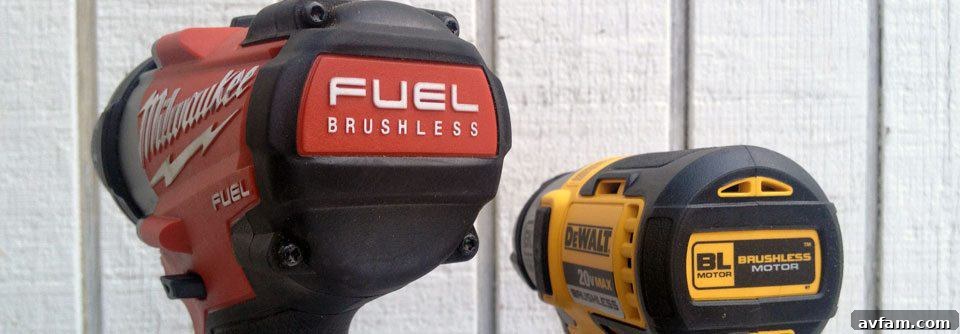
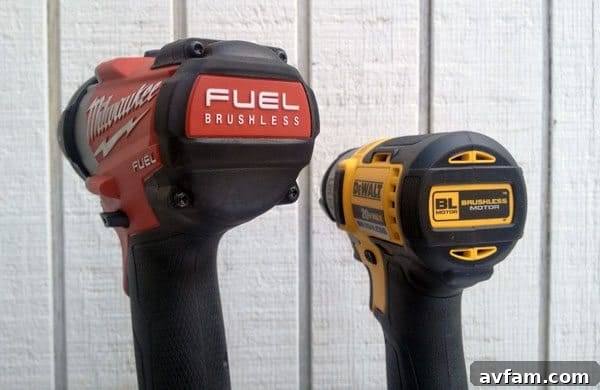
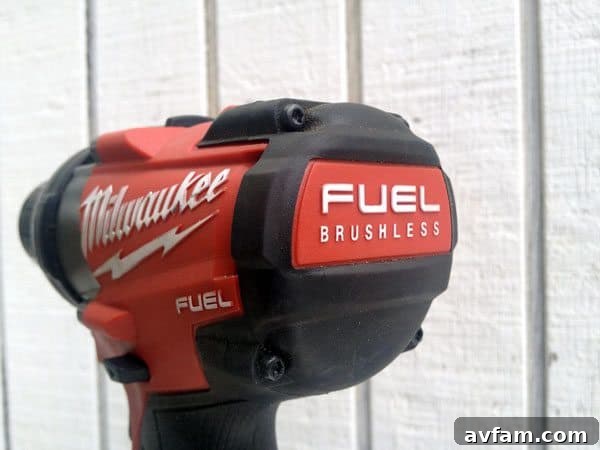
- Milwaukee: A dominant force in the professional tool market, Milwaukee has extensively embraced brushless technology, particularly within their popular M18 FUEL™ line. This series, renowned for its robust performance, features a wide array of brushless impact drivers, drill/drivers, hammer drills, and various other tools that leverage the FUEL platform’s advanced motor, battery, and electronics to deliver maximum power and runtime.
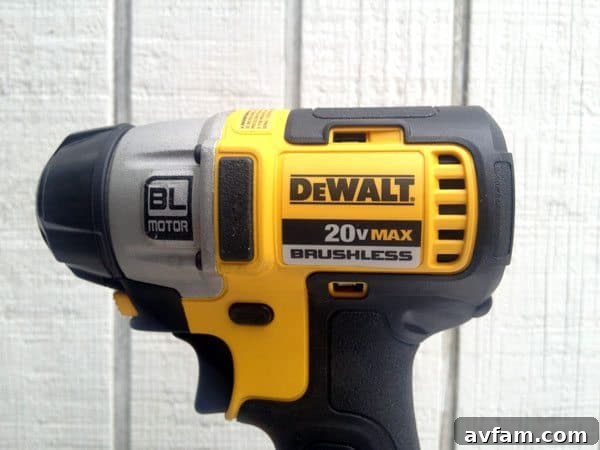
- DeWalt: Another industry leader, DeWalt has also been at the forefront of brushless innovation, offering a comprehensive range of brushless tools under their 20V MAX* and FLEXVOLT® platforms. Their brushless impact drivers and drills are highly regarded for their balance of power, ergonomics, and durability, catering to the exacting demands of construction and trade professionals.
Beyond these trailblazers, other major manufacturers such as Bosch, Ryobi, Hitachi, Metabo, and Hilti have also significantly invested in and expanded their brushless offerings, making this advanced technology the standard for high-performance cordless tools across various applications.
The Future of Power Tools: Brushless is the Standard
Looking back, our prediction that other tool manufacturers would eventually jump onto the brushless bandwagon has not only come true but has fundamentally reshaped the power tool landscape. What was once a premium feature is now the expected standard for professional-grade cordless tools. Most major brands now boast extensive lines of brushless equipment, and the technology continues to evolve, becoming more efficient, powerful, and affordable.
The market has matured significantly since the early days of brushless adoption. Prices for brushless tools, while still higher than brushed alternatives, have become more competitive as manufacturing processes have improved and economies of scale have taken effect. This continuous innovation, coupled with advancements in lithium-ion battery technology, ensures that users can expect even more impressive performance, extended tool life, and greater value from their power tool investments in the years to come.
Where to Find Your Next Brushless Power Tool
For those ready to upgrade their toolkit and experience the benefits of brushless technology, a wide selection is readily available. Online retailers offer an extensive range of options, allowing you to compare features, prices, and brands from the comfort of your home. You can find some of the best selections of brushless power tools from leading brands like Makita, DeWalt, Milwaukee, and Hitachi.
In conclusion, the shift towards brushless motors represents a pivotal moment in power tool development. These tools offer a compelling blend of power, efficiency, durability, and intelligent control that makes them an indispensable asset for anyone seeking peak performance and longevity from their equipment. Understanding the technology behind these tools empowers you to make a choice that will truly enhance your productivity and results.