
Are you one of the many captivated by home renovation shows, dreaming of tackling your own ambitious projects? The allure of transforming a space, building something with your own hands, or simply fixing things around the house is undeniable. However, for most aspiring DIY enthusiasts, the leap from passive viewing to active doing can feel daunting. Traditional avenues for learning, such as costly classes or hard-to-find apprenticeships, often present significant barriers, requiring substantial financial investment or a pre-existing network. But what if there was a resourceful, engaging, and entirely free way to acquire invaluable practical skills without the pressure of perfecting your own home from day one? We have a surprisingly brilliant and accessible solution for you: your local community theater.
Imagine a vibrant environment where creativity meets construction, where every project is a learning opportunity, and where mistakes are merely steps towards a spectacular show. This isn’t just a fantasy; it’s the daily reality backstage at any theater. It’s a place where you can get your hands dirty, learn fundamental building techniques, and contribute to something truly special, all while gaining the confidence and expertise to tackle your next home improvement challenge. Far from the rigid structures of formal training, theater offers a dynamic, hands-on workshop disguised as an exciting community endeavor, providing real-world experience that is both practical and immensely rewarding.
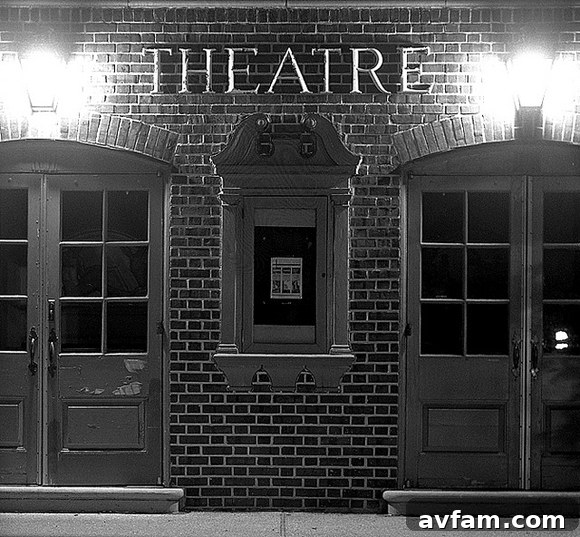
The Unsung Heroes of the Stage: Backstage Volunteers and Their Impact
Behind every dazzling stage production, from high school musicals to professional community plays, lies a colossal effort by a dedicated team of backstage volunteers. These are the unsung heroes who bring theatrical worlds to life, transforming empty stages into bustling marketplaces, ancient castles, or modern living rooms. Every single element you see on stage – the towering backdrops, the intricate props, the evocative lighting, the immersive soundscapes, and the stunning costumes – is meticulously crafted and executed by individuals who often started with little to no prior experience. This vast undertaking creates an unparalleled learning environment, a living, breathing workshop where practical skills are not just taught but are essential for the show to go on.
Consider the sheer variety of tasks involved in bringing a production to life. Someone has to design and construct elaborate sets from scratch, hang and wire complex lighting rigs, create or source dozens of unique props, and tailor scores of costumes. This isn’t theoretical knowledge; it’s real-world problem-solving under the immediate guidance of experienced directors and technical staff. The most exciting part? Your local high school or community theater program is almost certainly in desperate need of enthusiastic volunteers to help with these critical backstage efforts. Your time and willingness to learn are often the only prerequisites, making it an incredibly accessible entry point into the world of practical skills, without the financial burden typically associated with such training.
A Workshop Unlike Any Other: Mastering Carpentry and Construction Skills
For those eager to dive into carpentry and construction, the set shop of a theater is an absolute dream come true. You’ll gain invaluable hands-on experience with a wide array of tools and techniques that directly translate to practical home renovation projects. Forget generic online tutorials; here, you’re building functional structures that need to withstand the rigors of performance, requiring precision, durability, and creative solutions. You’ll learn fundamental woodworking and construction skills such as:
- Framing and Structural Support: Constructing flats, platforms, and multi-story sets provides a deep understanding of load-bearing structures, precise measurements, and secure joinery. You’ll learn how to work with various types of wood (lumber, plywood, MDF), master different cutting techniques (miter, crosscut, rip), and understand the critical importance of sturdy construction. This knowledge is directly applicable to building internal walls, framing decks, constructing sheds, or creating robust furniture frames at home.
- Wall Building and Drywall Installation: Crafting scenic walls, often called “flats,” involves techniques strikingly similar to installing drywall in a house. You’ll learn how to accurately measure, cut, fit, and secure panels, apply joint compound (spackle), and create smooth, paint-ready surfaces. Beyond basic drywall, you might experiment with textured finishes, faux brickwork, or other decorative treatments that can dramatically enhance any home interior.
- Cabinetry and Custom Builds: Many props and specialized set pieces require custom fabrication. This could involve building small cabinets, intricate shelves, unique furniture elements, or custom storage solutions. This experience hones your precision cutting, assembly techniques, joinery skills, and finishing touches, all of which are essential for tackling kitchen cabinet installations, building bespoke shelving units, or crafting custom furniture pieces for your own home.
- Stair Building and Specialized Structures: Ramps, functional staircases, and multi-level platforms are common requirements in theater sets. Learning to build these safely and efficiently involves complex calculations, accurate cutting, and a keen eye for stability and safety. This advanced carpentry skill set is incredibly valuable for home projects involving deck stairs, attic access ladders, custom entertainment centers, or any situation requiring precise, safe, multi-level construction.
Moreover, you’ll be constantly challenged to problem-solve, adapt, and innovate with available materials and often tight deadlines, fostering a practical ingenuity and resourcefulness that is a true hallmark of successful DIYers.
Illuminating Insights: Demystifying Electrical and Audio-Visual Systems
Electrical work and audio-visual systems are integral to any modern home, and theater offers a fantastic low-risk environment to learn their fundamentals in a practical, hands-on way. The stage demands precise control over light and sound to create specific moods and effects, thereby creating a perfect training ground for understanding basic wiring, circuitry, and system operation. You can learn or significantly hone your electrical and AV skills by:
- Hanging and Wiring Lights: This involves working with various types of light fixtures, understanding basic electrical circuits, connecting cables securely, and ensuring rigorous electrical safety practices. You’ll learn about voltage, wattage, current, and how to safely run power to fixtures, knowledge that is directly transferable to installing new light fixtures, ceiling fans, smart lighting systems, or outdoor landscape lighting at home.
- Operating Light Boards and Dimmers: Gaining familiarity with a theatrical light board teaches you about electrical control systems, programming sequences, and how different lighting effects are achieved. This provides a foundational understanding relevant to smart home lighting setups, dimmer switch installation, advanced home theater configurations, and even basic home automation.
- Sound System Setup and Operation: If the show incorporates sound effects, microphones, or recorded music, you’ll gain practical experience with sound boards (mixers), microphone placement, speaker setup, and audio cable management. This expertise translates directly to setting up and troubleshooting home entertainment systems, optimizing audio in a room, or even installing doorbell cameras and other smart home devices that rely on basic wiring and audio connections.
- Basic Troubleshooting: When a light doesn’t work, a microphone cuts out, or a speaker crackles, you’ll learn essential diagnostic skills. This involves tracing problems, checking connections, and making minor repairs, fostering a practical understanding of how electrical and audio components interact and how to identify and resolve common issues.
Safety is paramount in theater electrical work, and you’ll always be supervised by experienced technicians, ensuring you learn best practices and safety protocols from the outset – a crucial advantage before tackling any electrical projects in your own home.
The Art of Detail: Props, Costumes, Upholstery, and Finishes
The magic of theater lies not just in grand sets but also in the meticulous details of props, costumes, and finishes. This aspect of backstage work offers a treasure trove of skills for those interested in refining, decorating, and personalizing their living spaces with a professional touch.
- Props Master’s Domain: Working with the props master can teach you incredible skills in scouting, repairing, building, and transforming everyday objects. You might learn how to distress furniture to look authentically antique, create realistic faux food items, or even construct complex mechanical props that move or light up. This experience directly translates to furniture restoration, creative upcycling projects, and general household repair and customization.
- Costume Department Expertise: The costume department is a hub of textile creativity and practical sewing skills. You’ll learn how to operate an industrial sewing machine, perform alterations, understand different fabrics and their properties, and even design and create garments or accessories from scratch. These skills are invaluable for mending clothes, creating custom curtains or decorative cushions, or tackling other fabric-based home decor projects with confidence.
- Upholstery and Refinishing: Often, prop furniture needs to be reupholstered or refinished to suit a specific period or aesthetic for a production. This provides hands-on experience with stripping old fabric, cutting and applying new padding and batting, selecting appropriate materials, and using specialized upholstery tools like staple guns and webbing stretchers. Learning these techniques in a theater setting can save you hundreds, if not thousands, on furniture restoration in your own home, allowing you to breathe new life into old pieces.
- Scenic Painting and Decoration: From vast backdrops to intricate details on props, scenic painting involves a wide range of artistic and technical techniques. You’ll learn about color theory, paint mixing, texture application, creating convincing faux finishes (like marble, wood grain, stone, or brick), and efficient large-scale painting methods. These skills are perfect for homeowners looking to experiment with accent walls, mural painting, or achieving unique decorative effects and personalized aesthetics in their interiors.
- Set Design and Home Staging Tips: While often a more specialized role, simply observing and assisting with set design offers invaluable insights into spatial arrangement, color psychology, visual balance, and creating visually appealing and functional environments. These principles are directly applicable to home decor, furniture arrangement, decluttering, and even staging your home effectively for sale, maximizing its appeal.
The ability to transform ordinary materials into extraordinary visual elements, often on a budget, is a skill highly prized and transferable from both the stage and home improvement.
Beyond the Hammer: Soft Skills and Community Impact
Volunteering at a theater offers far more than just tangible DIY skills; it’s also an incredible incubator for vital soft skills that are beneficial in all aspects of life. You’ll become an integral part of a team, learning the immense value of collaboration, clear communication, and mutual support as everyone works cohesively towards a common goal under tight deadlines. This collaborative environment fosters advanced problem-solving abilities, encourages creative and innovative thinking, and builds resilience when unexpected challenges or technical difficulties inevitably arise.
Perhaps most importantly, you’ll gain immense confidence in your own abilities. The first time you successfully operate a power tool, wire a light correctly, or build a sturdy, functional set piece, a profound sense of accomplishment takes root. This newfound belief in your own capabilities is what truly empowers you to tackle larger, more complex home renovation projects with enthusiasm and a sense of readiness, rather than apprehension. Moreover, by dedicating your time, you’ll be actively supporting a local organization or school extracurricular program, contributing significantly to the cultural richness of your community, and providing invaluable educational opportunities for young performers and technicians. This positive community impact adds another deep layer of satisfaction to your personal learning journey.
The Low-Stakes Learning Environment: Where Mistakes Are Stepping Stones to Success
One of the most appealing and unique aspects of learning DIY skills in a theater setting is the incredibly forgiving nature of the environment. Unlike renovating your own home, where every mistake can be costly, time-consuming, and highly stressful, theater sets are often temporary and designed to be viewed from a distance. If you mess up a cut on a piece of wood, apply paint incorrectly, or miswire a light, it can almost always be fixed, adjusted, or even completely redone easily, without significant financial cost or lasting damage to a permanent structure. The primary goal is that it “looks good from fifty feet away under extremely bright lights,” rather than engineering absolute perfection for close inspection.
This low-stakes approach removes much of the anxiety and fear typically associated with learning new, hands-on skills. You’re actively encouraged to experiment, ask numerous questions, and learn effectively by doing, with experienced mentors and technical directors guiding you every step of the way. This freedom to make and learn from errors, without severe repercussions, dramatically accelerates your skill acquisition and helps build a robust foundation of practical knowledge and resilience, making you far more prepared and confident when you eventually decide to tackle your personal home improvement and renovation projects.
A Personal Testament to Transformative Learning
As a former “theater kid” myself, I can personally attest to the truly transformative power of backstage involvement. My very first interaction with a power tool wasn’t in a traditional workshop, but rather building a complex set for my high school’s fall play. I distinctly remember the thrill of seeing a flat take shape under my own hands, transforming raw materials into a functional piece of scenery. And yes, my first DIY-related injury – a minor cut – also occurred on that very set, a mishap that taught me crucial safety lessons and the importance of vigilance far more effectively than any manual ever could. I had never even held a wrench until my incredibly supportive mom joined me up on the scaffolding to help hang the can lights for that same show, demonstrating that anyone can learn with the right guidance.
I cherish as many fond memories of helping construct those immersive worlds as I do of performing in them – possibly even more so, due to the tangible skills acquired. The practical life skills I absorbed backstage, under the patient and knowledgeable direction of our technical director, far surpassed anything I learned from a script under the spotlight. Without the foundational experiences gained from my high school and college theater involvement, I honestly wouldn’t have possessed the self-belief or the practical capabilities to confidently tackle our ambitious home renovation projects later in life. That journey has opened doors to some of the most rewarding and awesome achievements in my life to date, all thanks to a paint-splattered, sawdust-filled backstage environment.
Your Next Step Towards DIY Mastery and Community Contribution
So, whether you’re completely new to the exciting DIY scene, looking to expand your existing skill set, or simply searching for a meaningful and engaging way to contribute to your local community, giving your local community or high school theater group a try is an experience you undoubtedly won’t regret. More than likely, they will be immensely grateful for your enthusiasm, your eager extra set of hands, and your dedicated time towards a truly good and artistic cause.
You’ll walk away from this immersive experience not only smarter and more skilled in a multitude of practical areas – from carpentry and electrical work to upholstery and creative problem-solving – but also with invaluable life lessons in teamwork, project management, and unwavering confidence. Plus, you’ll have earned a significant amount of good karma points in the bank for your efforts and invaluable contribution to the arts. Don’t just watch the next episode of your favorite renovation show; become the builder, the electrician, the designer. Step into the exciting and rewarding world behind the curtains and discover your inner DIY master, ready to tackle any project!
Photo Credit: Original image source for theatre exterior: Flickr by haydnseek