
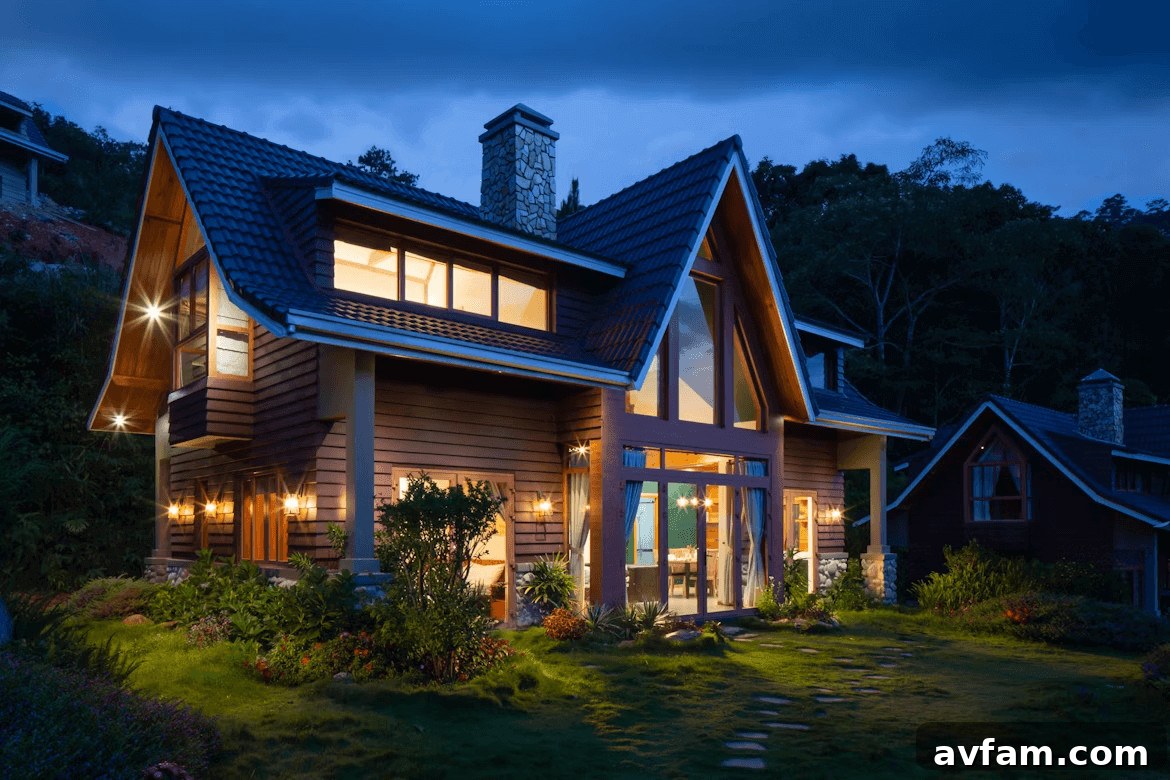
A well-designed outdoor space enhances curb appeal, increases property value, and makes everyday life more enjoyable. Yet many homeowners unknowingly make design choices that limit both beauty and function. Before starting a project, reviewing services from a landscaping design and installation firm can clarify how professional planning and installation lead to lasting success. In Northeast Florida, thoughtful landscape design is especially important because local climate, plant selection, and drainage needs all affect long-term outcomes.
Ignoring the Overall Landscape Plan
One of the most common mistakes is beginning outdoor work without a comprehensive master plan. Adding plants, patios, or decorative elements piecemeal—without considering how they relate to each other—often creates visual inconsistencies and functional problems. A cohesive plan ensures different areas flow naturally and the entire yard feels intentional rather than cluttered.
Choosing Plants Based Only on Appearance
Selecting plants solely for their appearance at the garden center overlooks critical factors like growth rate, mature size, maintenance needs, and climate compatibility. In Northeast Florida, plants must tolerate heat, humidity, and seasonal variations. Choosing species unsuited to local conditions can lead to poor performance, higher maintenance, and premature replacement.
Overlooking Drainage Issues
Drainage is frequently ignored during outdoor renovations while aesthetics take priority. Failing to address how water moves across a property during heavy rains can damage lawns, erode soil, and threaten foundations or hardscape elements. Proper grading, drainage solutions, and water management strategies protect both the landscape and the home.
Creating Spaces Without a Purpose
Adding large patios, garden beds, or decorative structures without thinking about how the space will be used often results in underused or awkward areas. Successful outdoor design starts by defining the space’s function—whether for entertaining, quiet relaxation, play, or gardening—and matching features to those needs so every element serves a clear purpose.
Neglecting Scale and Proportion
Scale and proportion are essential to a balanced landscape. Features that are too large or too small for the site can create visual imbalance—a fountain that overwhelms a small yard or tiny plantings that disappear against a large house. Correct proportions help each element complement the surroundings and contribute to a harmonious design.
Forgetting About Maintenance Requirements
Many landscapes look great initially but become burdensome to maintain over time. Homeowners often underestimate the time and resources needed for extensive gardens, complex water features, or high-maintenance plants. Practical design aligns with available maintenance capacity by choosing appropriate plants and layouts that remain manageable long term.
Using Too Many Design Styles
Mixing multiple design themes can leave a landscape feeling disjointed. Combining modern elements, tropical plantings, rustic structures, and formal garden details without a unifying approach causes visual conflict. Establishing a clear design direction creates consistency so each feature supports a cohesive outdoor environment instead of competing for attention.
Ignoring Outdoor Lighting
Outdoor lighting is often treated as an afterthought despite its impact on safety and usability. Thoughtful lighting highlights architectural details, improves nighttime safety, and extends the hours you can enjoy outdoor living areas. A well-planned lighting scheme enhances both the look and functionality of the landscape after dark.
Failing to Consider Future Growth
Newly installed landscapes can feel spacious because plants are small, but trees, shrubs, and perennials grow and change the composition over time. Without proper spacing and planning for mature size, plants can become overcrowded and compete for light, water, and nutrients. Designing with future growth in mind preserves the intended look and minimizes costly adjustments later.
Overinvesting in Trends
Trendy features can be appealing, yet not all trends provide lasting value. Elements that are fashionable today may quickly feel dated or fail to meet practical needs. Leaning on timeless design principles while incorporating selective modern touches produces outdoor spaces that stay attractive and functional for years.
Successful outdoor design balances beauty with practicality. Common pitfalls—lack of planning, poor drainage, unsuitable plant choices, and ignoring maintenance—can undermine even the most ambitious projects. By approaching landscape improvements strategically and considering long-term performance, homeowners in Northeast Florida can create outdoor spaces that deliver lasting enjoyment, functionality, and curb appeal.