
Take a moment to inspect your gutters and siding before small issues turn into costly repairs. These exterior elements not only enhance curb appeal but also shield your home from water and weather damage. When they begin to deteriorate, the resulting problems can affect roofs, foundations, insulation, and energy bills. The good news is that many gutter and siding tasks are straightforward, satisfying, and extend the life of your home.
Learning basic repair and maintenance techniques protects your investment and gives you a sense of accomplishment. Many homeowners are surprised at how much can be achieved with a little DIY effort. Whether you plan routine upkeep or larger repairs, an organized approach and the right attitude will take you far.
Below are practical tips to help you address common gutter and siding problems effectively.

Gutter Repair
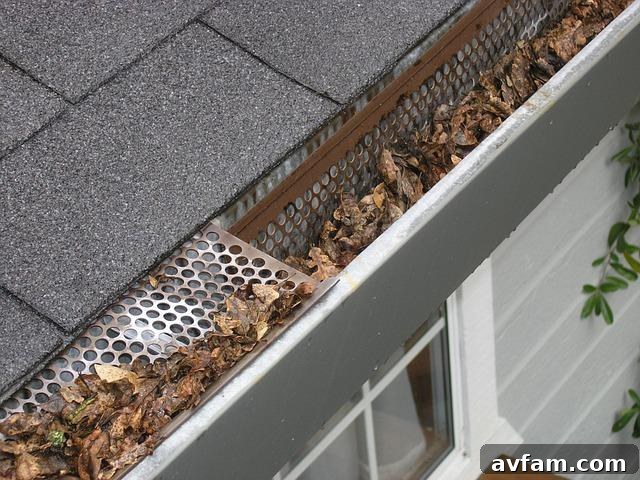
Keeping gutters functioning properly is essential to preventing water damage. The most frequent issues are clogs and leaks, and both are usually simple to fix. Start by removing leaves, twigs, and other debris so water can flow freely. Use a sturdy ladder and wear gloves while clearing blockages to reduce the risk of injury. Clearing gutters prevents water from backing up and causing damage to the roof, fascia, or foundation.
If your inspection reveals leaks, apply a high-quality gutter sealant at seams and joints or replace damaged sections. Make sure downspouts are secure and direct water well away from the foundation. Regularly checking seams, fasteners, and hangers helps keep the system aligned and working efficiently, prolonging the life of your gutters.
Siding Issues
Siding protects your home from the elements and contributes to insulation. Over time it can fade, crack, warp, or detach. Regular inspections allow you to catch problems while they’re still small. For minor surface damage, a thorough cleaning and a fresh coat of paint or stain can restore appearance and protection.
When siding panels are badly damaged, warped, or missing, replacing those sections restores both function and appearance. Common siding materials—vinyl, wood, and fibre cement—each offer different advantages in durability, maintenance, and cost. Choose a material that fits your climate, budget, and desired look to ensure a long-lasting result.
Sealing and Painting
Painting and sealing siding not only improve appearance but also add a protective barrier against moisture and UV exposure. Proper preparation is key: clean surfaces thoroughly, repair cracks and holes with appropriate fillers, and sand or prime where necessary so paint adheres well.
Select a high-quality paint formulated for your siding material and local climate. Applying paint during mild, dry weather helps it cure correctly and last longer. Well-applied paint and sealants reduce maintenance needs and help prevent costly damage down the road.
Regular Maintenance
Establish a maintenance routine to prevent issues with gutters and siding. Inspect both at least twice a year—typically in spring and fall—and after major storms. During inspections, look for clogged gutters, loose fasteners, damaged panels, or areas where water is pooling near the foundation. Addressing small problems early saves time and money.
Consider installing gutter guards to reduce debris buildup and the frequency of cleanings. While they require an upfront investment, guards can significantly lower ongoing maintenance and help avoid clogs that cause overflow and water damage.
Tools and Materials
Having the right tools makes gutter and siding projects safer and easier. A stable ladder and ladder stabilizer are essential. Basic hand tools—a trowel or scoop for cleaning gutters, a caulk gun for sealant, a pry bar and replacement fasteners for siding repairs—are often all you need. For siding cleaning, a pressure washer on a low setting can quickly remove grime, mildew, and old paint chips, but use it carefully to avoid damaging the siding.
Using appropriate materials—sealants rated for exterior use, rust-resistant screws, and high-quality paint—improves the durability of repairs. Investing in the right supplies will yield better outcomes and reduce repeat work.
Community Resources
If you’re unsure how to tackle a specific repair, local home improvement centers often offer workshops and how-to guidance. Online tutorials and manufacturer instructions can also be helpful for particular siding types or gutter systems. For complex problems—structural damage, extensive rot, or safety concerns—hire a licensed professional to ensure repairs are done correctly and safely.
Taking time to care for your gutters and siding improves function, appearance, and home value. With careful inspections and timely maintenance, you can avoid major repairs and enjoy a safer, more attractive home.
Identifying Signs of Damage
Recognizing early warning signs helps you act before problems escalate. For gutters, watch for overflowing water during rain, visible rust, sagging sections, or puddles near the foundation—these indicate clogs, leaks, or poor drainage. For siding, look for discoloration, bulging, rotting, separation at seams, peeling paint, or higher-than-normal energy bills that might signal moisture or insulation issues. Addressing these signs promptly minimizes damage and costs.
Choosing the Right Time for Repairs
Timing repairs carefully improves their effectiveness. Mild, dry weather—typically spring or fall—is best for most gutter and siding work. Avoid extreme heat, strong winds, or heavy rain, which can interfere with adhesion, drying, and safety. Allow cleaned and repaired surfaces sufficient drying time before sealing or painting to ensure lasting results.
Safety Considerations
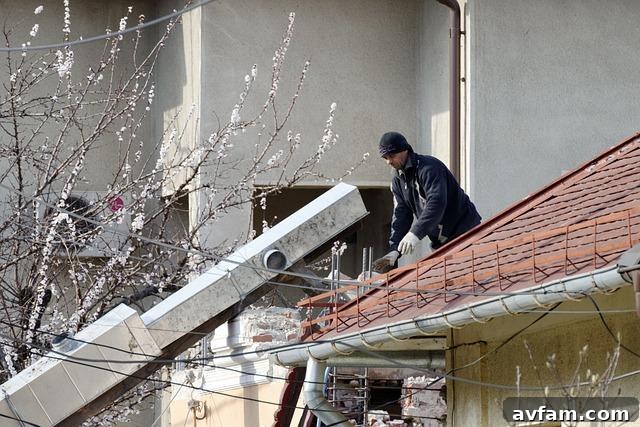
Safety should always come first. Position ladders on firm, level ground and use ladder stabilizers or a partner to hold the ladder steady. Wear gloves, eye protection, and a dust mask when scraping, sanding, or removing old materials that may contain lead paint or mould. Keep clear of power lines when using ladders or metal tools, and follow manufacturer guidelines for power equipment. If a job requires working at significant heights or handling hazardous materials, hire a professional.
With these tips and a proactive approach, you’ll be prepared to maintain gutters and siding safely and effectively. A little regular care goes a long way toward preserving your home and avoiding costly repairs.