
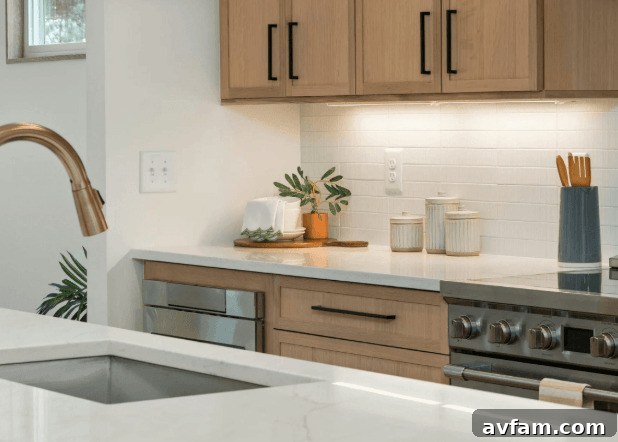
Navigating the challenges of a small rental kitchen can often feel like a culinary puzzle. Insufficient counter space, limited storage, and dated finishes are common frustrations. However, these seemingly restrictive environments are ripe for transformation through smart, renter-friendly DIY projects. Even without undertaking permanent renovations, tenants can significantly enhance both the functionality and aesthetic appeal of their kitchens, all while staying within lease agreements.
With strategic planning and thoughtful execution, a small kitchen can evolve into a highly efficient and comfortable space, perfectly tailored to facilitate everyday cooking, organization, and social gatherings. The key lies in understanding temporary solutions and embracing creativity to maximize every inch.
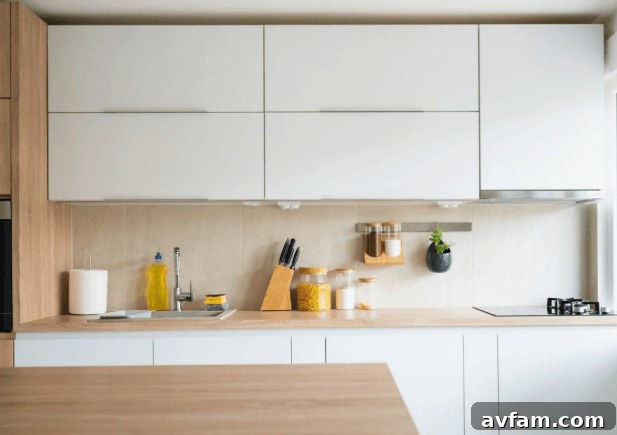
Strategic Assessment of Available Kitchen Space
The first critical step in revitalizing a small rental kitchen is to conduct a thorough audit of its current utilization. This involves more than just a casual glance; it requires a detailed analysis of how every corner, wall, and cabinet is presently being used – or, more importantly, underutilized. Begin by identifying overlooked areas such as awkward corners that could house a slim rolling cart, vertical wall spaces above countertops, or the often-neglected inside of cabinet doors. These hidden gems present immediate opportunities for simple upgrades that do not necessitate any structural modifications or permanent fixtures.
Furthermore, observing your daily cooking habits and routines is invaluable. Where does clutter tend to accumulate? Which items are frequently used but lack a designated home? Pinpointing these pain points will guide your prioritization of changes, ensuring that every modification directly addresses a functional need, rather than merely adding more visual noise. By understanding your specific workflow, you can implement targeted solutions that create the most significant impact on efficiency and comfort. This meticulous planning phase is crucial for ensuring that all proposed improvements are purposeful, preventing the introduction of new clutter and truly optimizing your small kitchen layout.
Choosing Practical and Flexible Layout Enhancements
Following a comprehensive space evaluation, the next phase involves exploring layout enhancements that are inherently flexible and compliant with rental constraints. The beauty of renter-friendly design lies in its impermanence and adaptability. Portable kitchen islands, for instance, offer invaluable additional countertop space for food preparation, dining, or even temporary storage, without the commitment of a built-in unit. Similarly, rolling carts can be easily moved to wherever extra surface or storage is needed, then tucked away when not in use. Adjustable shelving systems, whether freestanding or tension-rod mounted, provide customized storage options that can be reconfigured or removed without leaving a trace.
Beyond adding physical elements, consider optimizing the flow and movement within the kitchen. Even the most compact kitchen can feel significantly more organized and less chaotic by strategically grouping related items and keeping high-traffic work zones clear. For example, essential cooking utensils should be near the stove, while cleaning supplies can be consolidated near the sink. Thinking about how you move between the refrigerator, sink, and stove – often referred to as the “kitchen triangle” – can inspire minor adjustments that dramatically enhance productivity and reduce frustration during meal preparation and cleanup. These thoughtful, non-permanent modifications are key to creating a kitchen that works for you, not against you.
Innovative Storage Solutions for Limited Kitchen Spaces
One of the most impactful strategies for enhancing small rental kitchens is the aggressive maximization of storage capacity. In environments where floor and counter space are at a premium, verticality becomes your greatest ally. Wall-mounted racks that utilize removable adhesive strips or suction cups can transform an empty wall into a functional storage hub for spices, frequently used utensils, or even small potted herbs. Adhesive hooks are perfect for hanging dish towels, pot holders, or lightweight tools on cabinet doors or unused wall sections. Stackable containers, whether for pantry items, leftovers, or small appliances, are essential for making the most of every cabinet and shelf, allowing you to build upward where outward expansion isn’t possible. These clever products are instrumental in clearing cluttered countertops, instantly making your cooking space feel more open, functional, and inviting.
Further enhancing internal cabinet organization, shelf risers and sliding trays can effectively double or triple usable space without requiring any permanent modifications. Shelf risers create additional tiers within existing shelves, perfect for mugs, plates, or small bowls. Sliding trays, particularly useful under sinks or in deep cabinets, bring items from the back to the front with ease, eliminating lost items and wasted space. Opting for transparent containers for dry goods, spices, and other ingredients significantly reduces the time spent rummaging through overcrowded shelves, as contents are immediately visible. With a strategic approach to organization, even the smallest kitchens can efficiently accommodate a surprising number of cooking essentials, transforming a challenging space into an orderly and highly functional culinary hub.
Maximizing Efficiency Through Optimized Vertical Storage
In the realm of small kitchen design, optimizing vertical storage is not just a suggestion; it’s a necessity. When horizontal space is severely constrained by countertops and floor area, looking upwards unlocks a wealth of untapped potential. Removable wall hooks, ranging from simple adhesive options to stronger command hooks, provide instant hanging solutions for frequently used utensils, cutting boards, or even small pots and pans. For items like cleaning tools, brooms, or mops, tension rod systems can be ingeniously employed inside closets or wider cabinets, suspending them neatly without causing any damage to walls or requiring drilling. These renter-friendly vertical extensions not only free up valuable cabinet and drawer space but also ensure that essential tools and ingredients are always within easy reach, streamlining your cooking process.
Beyond simple hooks, the strategic use of stacking systems can further enhance storage both inside cabinets and on countertops. Modular shelves, stackable bins, and tiered organizers allow you to build upwards, creating multiple levels of storage for plates, bowls, spices, or small appliances. Less frequently used items can be stored on higher, less accessible shelves, while everyday essentials remain at eye level and easily retrievable. This systematic approach to vertical organization is particularly effective in maintaining order and maximizing capacity within narrow or unusually shaped spaces. By thinking vertically, you transform limitations into opportunities, creating an organized, efficient, and visually uncluttered small kitchen environment.
Affordable Surface and Cabinet Updates for Renters
The visual impact of a rented kitchen can be dramatically transformed by updating its surfaces and cabinets, all without engaging in costly or permanent renovations. The market now offers an array of ingenious products designed specifically for renters. Peel-and-stick backsplash tiles, available in countless patterns and textures, can instantly refresh a drab wall, providing a modern and clean aesthetic that is easily installed and removed when your lease ends. Similarly, removable countertop covers, often made from durable vinyl or contact paper, can hide unsightly stains or outdated patterns, offering a fresh, uniform surface that protects the original countertop underneath. Cabinet contact paper, designed for easy application and residue-free removal, allows tenants to completely change the color or finish of their cabinet doors, providing a personalized touch without violating lease agreements. These innovative resources empower tenants to truly make their kitchen their own, infusing personality and style into a generic rental space.
Even these minor visual enhancements can collectively transform a kitchen, making it feel more modern, welcoming, and intentionally designed. Opting for lighter colors or subtle patterns on surfaces can also cleverly create an illusion of a larger, more expansive space, a particularly valuable trick in compact layouts. Beyond aesthetics, these temporary updates can also protect existing surfaces, potentially saving you from deductions from your security deposit. The affordability and ease of these upgrades make them ideal solutions for temporary habitation, allowing you to enjoy a personalized and stylish kitchen without the financial burden or long-term commitment of a traditional renovation.
Refreshing Cabinet Appearance with Renter-Friendly Methods
Kitchen cabinets often form the visual backbone of the entire room, making them a powerful focal point for DIY enhancement in a rental setting. While a full repaint might be out of the question, their entire aesthetic can be dramatically altered through simple, non-structural modifications. Replacing original cabinet handles or pulls with more contemporary or stylish options is a quick and impactful change; just remember to store the original hardware carefully for reinstallation before moving out. Applying temporary coverings, such as decorative contact paper or removable vinyl wraps, allows for a complete color or pattern overhaul of cabinet doors and drawer fronts. These minor modifications are low-cost, low-effort, and can significantly elevate the overall design and feel of the room, reflecting your personal taste.
The choice of finishes for these temporary coverings can also be strategically employed to create an impression of an open and airy kitchen. Lighter colors, glossy finishes, or even subtle wood grain patterns are more likely to reflect available light, making the space feel less confined and more inviting. This method is particularly effective in older rental units, where original cabinets might be dark, worn, or simply out of style. By thoughtfully selecting temporary finishes, you can brighten the space, inject a sense of modernity, and give your kitchen a much-needed facelift, all without making any permanent alterations to the structure.
Strategic Lighting and Visual Expansion Techniques
Effective lighting is a paramount consideration when dealing with the inherent limitations of a small kitchen. Beyond merely illuminating the space, strategic lighting can dramatically alter its perceived size and overall ambiance. Adding under-cabinet LED strip lights or battery-powered puck lights is an excellent way to brighten work areas, eliminate shadows cast by overhead fixtures, and create a more inviting atmosphere for food preparation. Better task lighting not only enhances visibility and safety but also contributes to a more comfortable and enjoyable cooking environment. These solutions are typically adhesive-backed or magnetic, making them perfect renter-friendly options.
Furthermore, incorporating glossy finishes or mirrored accents can cleverly be used to make surfaces reflective, actively multiplying and distributing light throughout the kitchen. A small mirror placed strategically can bounce light from a window or light fixture, making the room feel larger and brighter. High-gloss finishes on temporary backsplash tiles or countertop covers also serve this purpose, adding a subtle sheen that enhances the overall luminosity. These visual effects contribute to a more even distribution of light across the kitchen, deceiving the eye into perceiving a bigger, more open, and more spacious environment than its actual dimensions suggest, transforming a cramped space into a vibrant and airy hub.
Maximizing Natural Light and Ambient Glow
Whenever possible, maximizing natural light should be a top priority in any small rental kitchen, as it intrinsically makes a space feel larger, cleaner, and more welcoming. It is essential to keep windows clear of heavy, light-blocking coverings, allowing sunlight to freely flood the room and brighten every corner. Opt for sheer curtains, blinds, or even simple valances that frame the window without obstructing the incoming light. Making even minor changes in window treatments can have a profound impact on the overall brightness and mood of the kitchen, transforming a dull area into an energetic and lively one during the day.
To complement and extend the benefits of natural light, strategic supplementation with warm artificial lighting is key, especially during darker hours or on cloudy days. Instead of harsh, single-point overhead lights, consider layering various light sources. Small lamps on open shelves, fairy lights strung across a window, or even strategically placed plug-in wall sconces can add a soft, inviting glow. This balanced mix of natural and artificial light enhances both functionality and ambiance, ensuring the kitchen remains a welcoming and pleasant space for daily use, irrespective of the time of day or external weather conditions. Such thoughtful lighting truly elevates the small kitchen experience.
Embracing Removable and Non-Permanent Upgrades
For renters, the ability to customize their living spaces without the risk of property damage is paramount, making removable and non-permanent upgrades indispensable. This philosophy underpins the entire renter-friendly design movement. The flexibility offered by adhesive shelving units, which adhere securely to walls without drilling yet remove cleanly, provides valuable storage without committing to permanent fixtures. Similarly, removable hooks, tension-mounted racks for spice organization or dish drying, and temporary flooring tiles ensure strict compliance with lease agreements, allowing tenants to personalize their space with peace of mind. These types of solutions are perfectly suited for individuals who wish to enhance functionality and aesthetics without undertaking any structural modifications, offering both practicality and freedom of expression.
A significant advantage of these temporary upgrades is their ease of customization and de-customization, making them ideal for individuals who anticipate relocating. When it’s time to move, these solutions can be effortlessly removed without leaving behind damage or residue, allowing tenants to reclaim their security deposits fully. This portability also means many items can be reused in future rentals, adding long-term value. Such flexibility is highly advantageous for the many individuals who reside in apartments for rent, as it offers the convenience of personalization without the binding commitment or potential financial implications of permanent changes. It empowers tenants to create a comfortable and efficient living environment that adapts to their needs, providing perpetual enhancement without financial or structural risk.
Balancing Budget and Practicality in Rental Kitchen Makeovers
An overarching factor in any rental kitchen enhancement project is the budget, a consideration that becomes even more critical in cities with high housing prices. For residents seeking Montreal apartments for rent, for example, the desire to improve living conditions is often met with the need for incredibly cost-effective solutions that avoid extensive, expensive renovations. This is where DIY solutions truly shine, offering an affordable means of achieving a desirable equilibrium between aesthetic improvement and practical functionality.
To maximize value while keeping costs low, prioritize the use of cost-effective materials, such as budget-friendly contact paper, affordable adhesive hooks, or repurposed items that can serve new functions. Embracing multipurpose tools and items, like a rolling cart that doubles as a prep station and a serving trolley, ensures every dollar spent yields maximum utility. When allocating your budget, focus on upgrades that directly enhance storage, workflow, and basic comfort. Investing in smart organizational systems, effective lighting, or temporary surface updates that make daily tasks easier will bring a tangible, positive change to everyday life in the kitchen. These minor, strategic investments accumulate over time to transform a small kitchen into a much more comfortable, efficient, and enjoyable space, proving that significant improvements don’t always require a significant financial outlay.
Conclusion: Transforming Small Rental Kitchens into Functional Havens
Through consistent, thoughtful, and renter-friendly DIY upgrades, small rental kitchens can be transformed from challenging spaces into highly functional and aesthetically pleasing culinary havens. The emphasis remains firmly on maximizing space utilization, optimizing storage solutions, and enhancing lighting – all without compromising lease agreements or incurring permanent alterations. By embracing creative temporary solutions, renters are empowered to make purposeful upgrades that inject organization, efficiency, and personal style into their kitchens, adapting the space to perfectly suit their everyday activities and culinary aspirations.
These minor modifications, when approached systematically and with an eye for detail, accumulate over time to significantly enhance both the user experience and the overall functionality of the kitchen. Improved organization through vertical and smart storage, layered and effective lighting, and versatile, movable elements all contribute to creating a space that feels substantially bigger, more useful, and more inviting than its original arrangement. With a pragmatic and creative approach, even the most compact rental kitchen can be masterfully accommodated, facilitating an easy, pleasant, and highly efficient cooking experience for every tenant, proving that a small footprint doesn’t have to mean limited potential.