
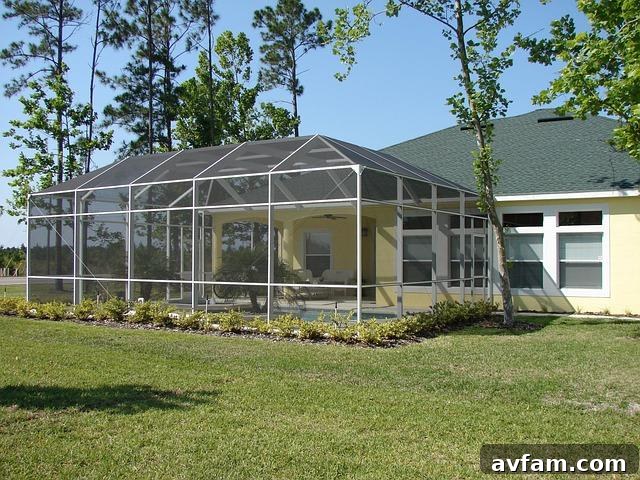
Your neighbor swears by her screen porch. You barely use yours. Same street, same summer, same bugs. What’s the difference?
Often it comes down to what’s on the walls.
Roll-down screens and solid shutters serve distinct purposes. Choosing the wrong option doesn’t just cost money — it can make your porch unusable for the season you intended. Let’s break down which solution fits different climates and uses so you pick what actually solves your problem.
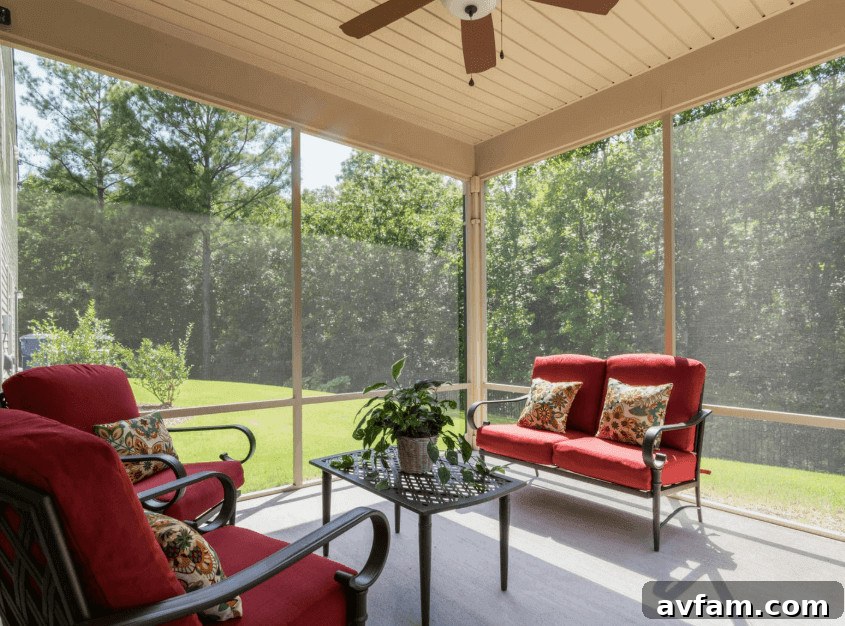
What Are We Actually Comparing?
Screen porch shutters are solid panels—typically wood, composite, or aluminum—that open and close like traditional shutters. When closed they block wind, rain, and light; when open they fold back so the porch feels exposed to the yard.
Roll-down screens are retractable mesh panels housed in a headbox above the opening. They reduce glare, block insects, filter light, and soften wind while remaining semi-transparent. Air and views pass through them, but less intensely than with no barrier at all.
Both solve similar problems in different ways. Your climate and priorities determine which one makes sense.
Hot and Humid Climates (Think: Florida, Gulf Coast, Southeast)
In places where summer feels suffocating, ventilation is essential. Solid shutters shut off airflow and can turn a porch into a sauna.
Roll-down screens are typically the better choice in hot, humid regions. The mesh lets breezes circulate while shading the porch and keeping mosquitoes and other insects away. Many homeowners pull their screens down during the day for shade and bug protection, then roll them up in the evening when temperatures drop. Shutters often sit open most of the year in these areas, which raises the question of whether they’re necessary at all.
| Screen Porch Shutters | Roll Down Screens | |
| Pros | Solid privacy when closed; durable over time | Airflow plus shade, insect protection, flexible daily use |
| Cons | Traps heat when closed; limited ventilation | Not a fully solid barrier; less effective in heavy driving rain |
| Verdict | Usually overkill for hot, humid homes | Better fit for this climate |
Coastal and High-Wind Climates (Think: Carolinas, Texas Gulf, Pacific Northwest Storms)
Wind and storm exposure change the calculus. Standard mesh screens can tear, bow, or overload their housings when frequently hit by strong gusts or debris. They also let wind-driven rain through.
Solid shutters, especially those rated for hurricanes, are engineered for high wind loads and to block driving rain. They provide robust protection where storms are frequent or severe.
That said, heavy-duty roll-down systems exist that handle more wind than typical screens and preserve visibility when closed. In moderate coastal zones where full hurricane exposure is unlikely, a quality roll-down system can be a reasonable compromise. The basic rule is simple: the more intense and frequent the storms, the more you benefit from a solid barrier.
| Screen Porch Shutters | Roll Down Screens | |
| Pros | Hurricane-rated options; handles wind-driven rain; highly durable | Heavy-duty versions can resist moderate wind; preserve views |
| Cons | Blocks views and airflow when closed; can feel excessive in mild weather | Mesh has limits in extreme storms and can strain under sustained high winds |
| Verdict | Best for high-risk storm zones | Viable for moderate coastal exposure |
Cold Climates (Think: Midwest, Northeast, Mountain West)
In cold regions the priority is extending the usable season. Wind and cold, not bugs, are the main reasons people abandon porches as temperatures fall.
Solid shutters create a thermal buffer against chilly winds and let you use an outdoor space later into fall and earlier in spring. Roll-down mesh screens are often retracted and stored for months in these climates, reducing their value as an all-season solution.
If you live where summers can be hot and winters are cold, a combined approach is worth considering: use roll-down screens for summer insect and sun control and solid panels for fall and winter weatherproofing. It’s a bigger investment, but it covers both extremes.
| Screen Porch Shutters | Roll Down Screens | |
| Pros | Extends porch season; solid protection against cold and wind | Great for summer bug and sun control |
| Cons | Less useful in warm months when ventilation is needed | Often unused for part of the year in colder regions |
| Verdict | Better primary option for cold climates | Useful as a seasonal supplement |
Dry and Sunny Climates (Think: Phoenix, Southwest, Southern California)
In arid regions the priority is sun and heat control. Bugs and storms are usually minor concerns, while relentless sun and UV damage matter more.
Roll-down screens with solar mesh are ideal for these climates. They block substantial UV and solar heat while allowing air circulation, which keeps the porch cooler without creating a sealed, stifling space. Shutters can provide privacy and a clean aesthetic but often trap heat when closed, making them less practical for daily sun management.
| Screen Porch Shutters | Roll Down Screens | |
| Pros | Strong privacy; clean look; useful on cool nights | Blocks a large portion of UV; allows airflow; protects furniture from sun damage |
| Cons | Can trap heat when closed; unnecessary for storm protection | Less private than solid shutters |
| Verdict | Better as a design or privacy feature | Functional winner for sun and heat control |
The Honest Bottom Line
| Climate | Better Choice |
| Hot and Humid | Roll Down Screens |
| Coastal and High Wind | Solid Shutters (or heavy-duty roll-down) |
| Cold Climates | Solid Shutters |
| Dry and Sunny | Roll Down Screens |
Neither option wins across every situation. The right choice solves the issues you actually face — heat, bugs, wind, rain, or short outdoor seasons — not simply what looks best in a brochure.
Before you decide, observe your porch for a week. When do you avoid it and why? Heat, insects, wind, or rain will point you toward the best solution. If you live in the Southwest, the afternoon sun is probably already telling you what to choose.