
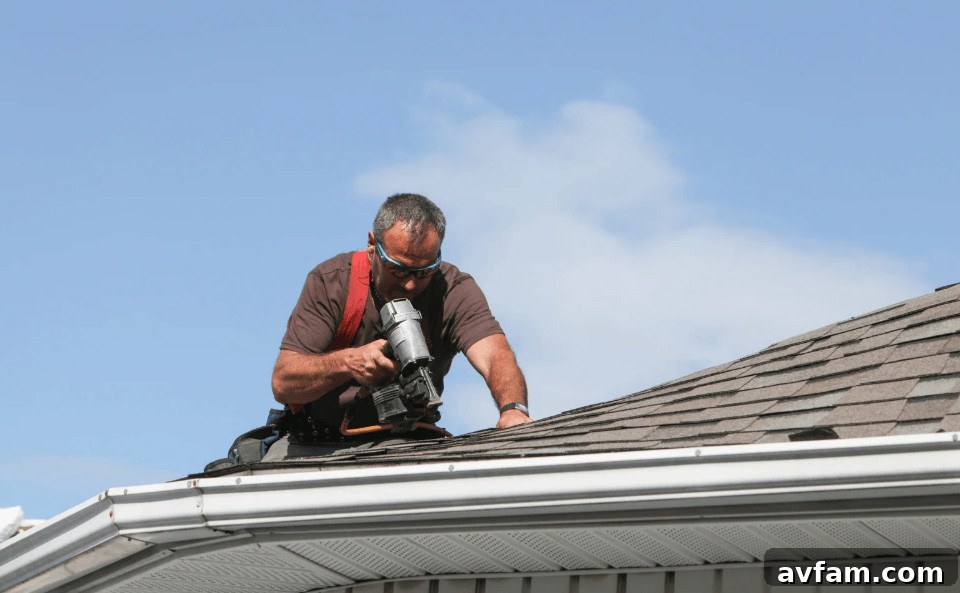
A sturdy, well-maintained roof keeps your home safe and comfortable throughout every season. Protecting this vital overhead structure means regular attention and simple preventive work to avoid costly repairs later.
Basic maintenance performed now can prevent expensive damage down the road. Routine care keeps problems small, helps maintain curb appeal, and extends the life of your roofing materials.

Clear Fallen Leaves and Debris
Pine needles, twigs, and yard debris collect on roof slopes after storms. When wet material accumulates, it creates shaded pockets that retain moisture and can rot the wooden decking beneath shingles. Remove loose buildup every few months to prevent prolonged damp spots.
Use a soft-bristled broom or a leaf blower on a low setting and work from a secure ladder. Avoid walking directly on fragile tiles; clear valleys and channels where debris gathers. Keeping roof surfaces clean allows sunlight and wind to dry trapped moisture, helping shingles and underlayment last longer.
Inspect the Attic Regularly
Checking inside your attic reveals roof issues before water reaches living spaces. Dark stains on rafters or ceiling drywall often indicate a hidden leak. Spotting these signs early protects insulation and avoids mold growth.
Inspect your attic at least twice a year during daylight. Look for damp insulation, sagging batts, pest nesting, and blocked vents. Ensure vents from the soffit to the ridge remain unobstructed so air can circulate and prevent moisture buildup that damages shingles and decking.
Trim Tree Branches Near the Roof
Trees close to the roof create pathways for pests and can physically damage shingles. Limbs rubbing against roofing remove protective granules on asphalt tiles, while broken branches can fall and harm the roof structure during storms.
Trim branches back 6 to 10 feet from the roofline to reduce friction and improve sunlight exposure. For large limbs near high roof peaks, hire professional tree trimmers who use proper safety gear. Maintaining clear sightlines helps prevent rot, mold, and unnecessary wear on roofing materials.
Keep Gutters Clean and Functional
Gutters channel rainwater away from foundations and siding. When clogged, they overflow and can cause water to pool against exterior walls or form ice dams in winter, which lift shingles and allow water to penetrate under the roof edge.
Maintain gutters with three simple steps:
- Remove packed dirt and leaves each autumn and after major storms.
- Flush downspouts with a hose to verify full flow.
- Tighten loose brackets so gutters slope correctly toward drains.
Schedule gutter cleaning in spring and fall. Properly functioning gutters protect siding, soffits, and roof edges by directing water away from the house.
Remove Algae Stains Gently
Dark streaks on shingles are often caused by blue-green algae. These stains absorb heat, raising cooling costs and reducing curb appeal. Clean stains carefully to preserve roofing materials and landscaping.
Avoid harsh bleach-based cleaners that can corrode metal flashing and harm plants. Use oxygen-based, roof-safe cleaners instead and apply them on cloudy days so the solution stays wet long enough to work. Scrub gently with medium-bristle brushes on long handles and rinse thoroughly to prevent runoff damage.
Wash Shingles on an Appropriate Schedule
Dust, pollen, and spores accumulate on shingles over time and can encourage lichen and moss growth. Washing shingles every one to three years helps remove buildup but avoid over-cleaning, which can wear away protective mineral granules.
Use soft-washing techniques and low-pressure water to protect adhesive seams and granular surfaces. High-pressure sprayers can lift tabs and damage shingles, so stick to gentle water flow and careful brushing when necessary.
Check Flashing and Seals Around Vents

Metal flashing and rubber pipe boots direct water away from vulnerable joints. Cracked or deteriorated seals allow moisture to enter ceiling cavities and cause hidden damage. Inspect flashing and seals regularly to catch problems early.
Watch for common defects:
- Rust along metal valleys and chimney bases.
- Cracked or brittle rubber pipe boots caused by sun exposure.
- Gaps, peeling, or failing caulk along flashing seams.
Reapply exterior sealant where seams have come loose, and replace cracked collars and damaged flashing promptly. Proper sealing prevents leaks and preserves the structure below the shingles.
Prepare for Storm Seasons
High winds and heavy weather test roof integrity. Loose or lifted shingles are vulnerable to being torn away by gusts, and storm damage can quickly grow if not addressed. After storms, survey your roof from the ground with binoculars to spot missing shingles, bent metal trim, or obvious damage.
Keep a few matching shingles stored for quick repairs; replacing a couple of broken shingles can be a fast, effective fix to limit further damage. Timely small repairs help keep wind-driven rain from entering the roof deck and causing larger, more expensive problems.
Maintain Balanced Insulation and Ventilation
Proper attic ventilation and insulation balance keeps roof and attic temperatures close to outside conditions. Poor ventilation traps heat in the summer, which can accelerate shingle aging, and contributes to ice dam formation in winter when warm spots melt snow that refreezes at cold eaves.
Make sure soffit intake vents are not blocked by loose insulation and that ridge vents remain clear so hot, moist air can escape. Good airflow lowers energy costs, prevents moisture-related damage, and helps shingles perform as designed.
Regular, seasonal checks of shingles, gutters, flashing, vents, and attic conditions protect your roof from leaks and structural deterioration. Spending a few hours each season on inspection and basic maintenance helps keep your home dry, comfortable, and valuable for years to come.