
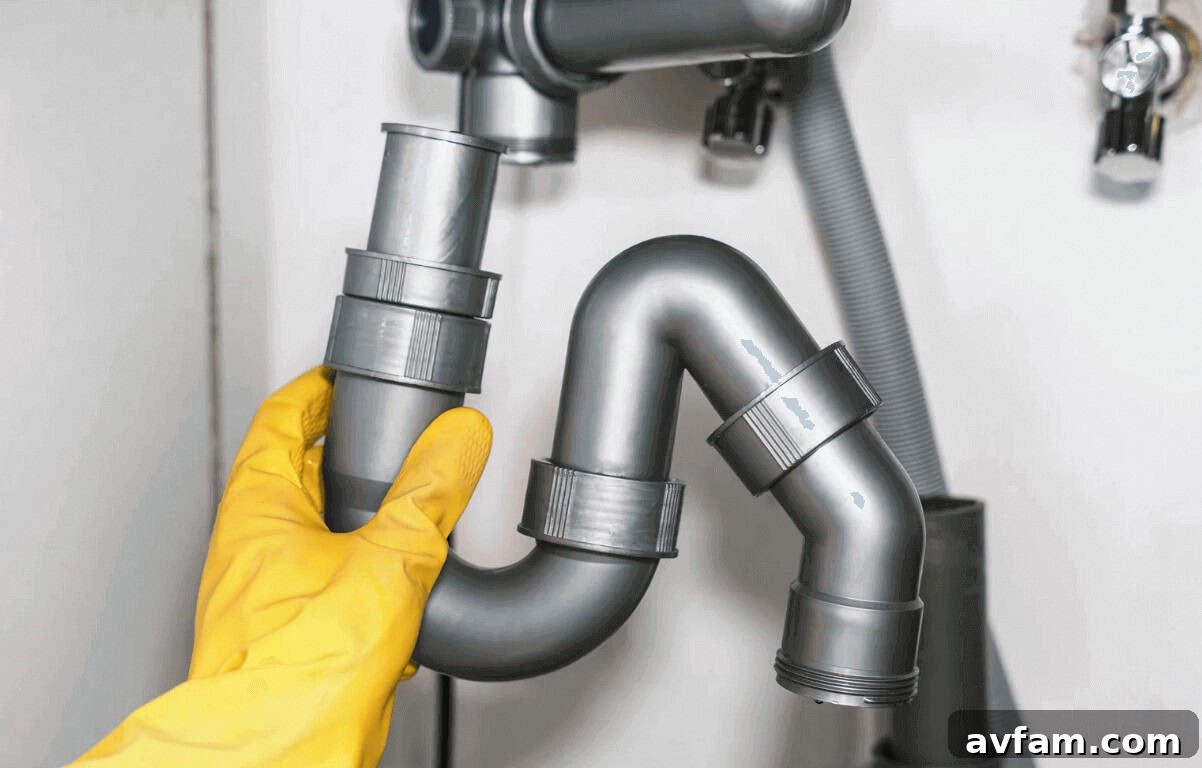
When the inconvenience of a blocked drain strikes, most homeowners instinctively seek the fastest possible resolution. While speed is certainly a factor, the methodology and expertise applied to a drain repair are far more critical. A hasty, unqualified approach can lead to a cascade of costly problems, from damaged flooring and cracked pipes to contaminated soil and persistent, recurring blockages. True professionals prioritize a comprehensive solution, meticulously addressing the root cause without inadvertently creating new issues for your property.
Professional drain service teams offer more than just clog removal; they provide risk management. They safeguard your home’s structural integrity, protect your garden and landscaping, preserve indoor air quality, and, crucially, save you invaluable time by preventing repeat service calls. To understand the benchmark of robust professional standards, observe how established companies articulate their processes. For instance, reputable contractors, like those outlining professional drain cleaning services by FloWise, typically detail a systematic approach to identifying and resolving various drainage issues. The underlying principle is universal: prioritize accurate diagnosis, execute repairs with precision, and restore the property to its original state, minimizing disruption. This article will illuminate the specific measures good drain professionals employ to protect your home throughout the repair process.
Why Thorough Diagnosis Precedes Any Drain Clearing Action
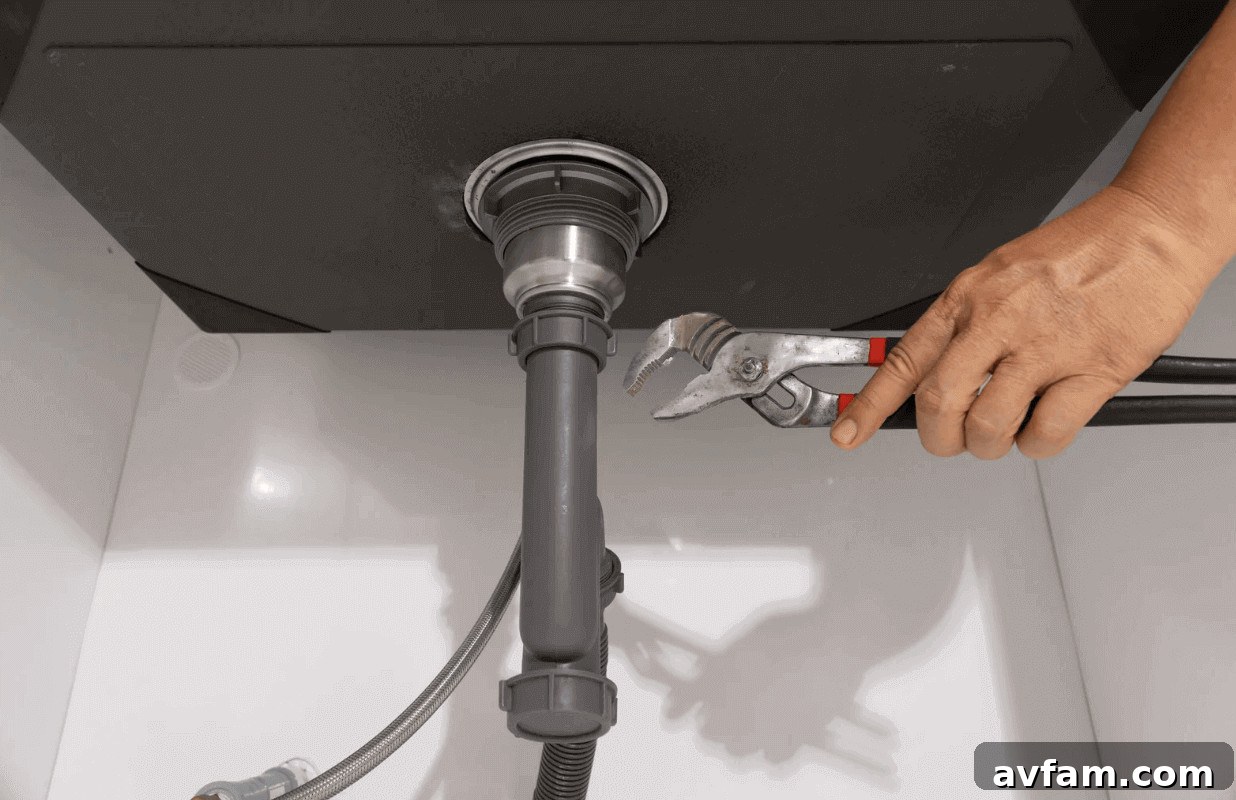
A blocked drain is rarely a simple standalone clog; it signals a potential water management issue, and uncontrolled water can inflict rapid and extensive damage on your home. Before initiating any clearing procedure, a professional service technician meticulously considers all potential risks and complications. This foresight prevents scenarios such as water backing up into your living spaces, excessive pressure damaging an older or compromised pipe system, or wastewater contaminating your yard and surrounding environment.
Beyond mitigating immediate risks, experts dedicate significant effort to uncover the true underlying cause of the problem. A slow-draining sink might merely indicate a localized buildup of hair or soap scum. However, if multiple fixtures exhibit sluggish drainage, the issue likely resides deeper within the main sewer line, affecting the entire property’s drainage system. More severe indicators such as foul odors, persistent gurgling sounds from drains, or recurring backups after periods of heavy rain often point to a significant obstruction or structural defect buried underground. Rather than resorting to aggressive, potentially damaging clearing methods, professionals first analyze these patterns to diagnose accurately. This systematic approach not only safeguards your existing plumbing infrastructure but also significantly reduces the likelihood of repeat blockages, ensuring a more durable and effective solution for your residential drainage system.
Advanced Drain Inspection Methods for Ultimate Home Protection
The most effective strategy for protecting your home during a drain repair is straightforward: avoid invasive digging until the precise location and nature of the problem are definitively known. Modern, professional drain repair begins not with guesswork, but with sophisticated diagnostic tools that provide a clear, internal view of your plumbing system.
CCTV Drain Camera Inspections: Precision Diagnostics
A cornerstone of non-invasive diagnosis is the CCTV (Closed-Circuit Television) drain camera inspection. A highly skilled technician carefully feeds a small, waterproof camera, equipped with powerful lighting, into the drain line. This camera transmits live, high-resolution video footage to a monitor, allowing for a detailed internal assessment of the pipe. The video stream reveals crucial information, including:
- The exact location and nature of any blockage (e.g., grease, debris, foreign objects).
- The presence and extent of cracks, fractures, or compromised pipe joints.
- Ingress of tree roots, which are a common cause of severe blockages and pipe damage.
- The material and overall structural condition of the pipe, identifying areas of corrosion, scale buildup, or deterioration.
This critical preliminary step virtually eliminates unnecessary and destructive digging. Instead of excavating large sections of your driveway, tearing up expensive landscaping, or opening walls to locate a hidden issue, the repair team can pinpoint the exact spot requiring intervention. This level of precision translates directly into substantial savings in time, labor costs, and the preservation of your property’s aesthetics and value. For complex sewer line repair or repeated issues, CCTV is indispensable.
Smoke and Dye Testing for Identifying Elusive Leaks
If you’re experiencing unexplained damp patches, persistent musty odors, or even insect infestations without obvious plumbing leaks, professionals may employ specialized smoke or colored dye testing. These tests are designed to trace the exact source of hidden leaks or detect improper connections within your drainage system. Environmentally safe, non-toxic smoke is introduced into the pipe system, and if a leak or breach exists, the smoke will visibly escape from the compromised area. Similarly, a fluorescent dye introduced into the system can reveal obscure water leaks as it permeates through cracks or faulty seals.
These sophisticated tests enable technicians to narrow down the search area significantly, preventing the need for exploratory demolition of floors, walls, or ceilings. By precisely locating the fault, the damage to finished surfaces is drastically reduced, ensuring that repair work is targeted, efficient, and minimally intrusive. The sequence is always the same: thorough inspection first, followed by precise, informed repair second. This methodology is paramount in protecting your home from unnecessary damage and disruption during any drainage issue.
Advanced Cleaning Methods That Uphold Pipe Integrity
Clearing a blocked line is only half the battle; the true mark of expertise lies in accomplishing this without causing any harm to the intricate plumbing system. Professional drain cleaning techniques are highly effective when applied with knowledge and care.
High-Pressure Water Jetting: A Powerful Tool, Used Responsibly
Hydro jetting, or high-pressure water jetting, is an incredibly potent method for clearing even the most stubborn blockages, including grease, scale, silt, and tree roots. However, its effectiveness is entirely dependent on responsible application. A skilled operator understands that the water pressure and the type of nozzle selected must be perfectly matched to the specific characteristics of your pipes. Applying excessive force to older, more fragile clay or cast-iron pipework can exploit weak joints or existing fractures, potentially causing catastrophic damage. Conversely, insufficient pressure or an inappropriate nozzle might only dislodge surface debris, leaving behind a greasy film that quickly re-accumulates, leading to another blockage.
A careful and experienced technician will dynamically adjust settings based on several critical factors: the identified pipe condition, the access distance to the blockage, and the precise type of obstruction (e.g., hardened fat, loose silt, flushable wipes, or mineral scale). Furthermore, they meticulously manage the downstream flow to ensure that dislodged material is safely carried away and doesn’t simply compact further along the pipe, thereby exacerbating the problem. This level of control and foresight is what differentiates professional drain cleaning services from less experienced approaches.
Mechanical Rodding and Root Cutting: Targeted Solutions
For localized obstructions or blockages that are relatively close to an access point, traditional mechanical rodding can be the most appropriate and effective solution. These robust tools are manually or machine-operated and designed to break through solid blockages. Similarly, for issues related to invasive tree roots, specialized root cutting tools are deployed. When used in conjunction with a camera-led approach, these tools can precisely sever and remove root intrusions while minimizing the risk of “punching through” a pipe wall that may have already been weakened by the roots themselves or age. Crucially, professionals always follow a systematic process: clean the line thoroughly, and then re-check the pipe’s internal condition with CCTV. This post-cleaning inspection is vital to ensure no hidden cracks or structural damage, previously obscured by the blockage, are overlooked, guaranteeing the long-term integrity of your sewer drainage system.
How Professionals Safeguard Your Floors and Outdoor Space
Drain repair work, by its very nature, can be messy and potentially hazardous. A professional team anticipates these challenges and implements comprehensive protective measures well before any work commences. You should observe these protective steps being put into place immediately upon their arrival, signaling their commitment to responsible service.
Before initiating any aspect of the repair, most experienced contractors will typically take the following precautions:
- Indoor Surface Protection: All indoor floors, especially carpets and delicate surfaces near the work area, are meticulously covered with durable protective mats or heavy-duty plastic sheeting to prevent dirt, water, or debris contamination.
- Access Point Security: Manhole covers, cleanout access points, and any other entry points are carefully protected before being lifted, preventing damage to surrounding pavement or landscaping.
- Hose and Equipment Routing: Hoses, tools, and equipment are laid out along safe, designated paths to eliminate tripping hazards and prevent any potential damage to indoor surfaces or outdoor plants and structures.
- Water Spray Control: Around outdoor drains, special attention is given to controlling any potential water spray or runoff, ensuring wastewater does not splash onto walls, patios, or garden areas.
- Personal Protective Equipment (PPE): Technicians wear appropriate personal protective gear, including gloves, safety glasses, and suitable clothing, especially when handling wastewater, which may contain harmful bacteria or chemicals.
These seemingly simple, yet critical, steps collectively prevent unsightly stains, costly scratches, cross-contamination, and potential health hazards, reinforcing the professional commitment to your property’s care.
Controlling and Containing Dirty Water
Blocked drains frequently involve the presence of wastewater, accumulated grease, organic debris, and other contaminants. Professionals operate with extreme caution and precision to ensure that this contaminated water is rigorously contained and prevented from spreading into clean areas of your home or across your meticulously maintained yard. Indoors, they may strategically isolate the affected fixture or section of pipe before proceeding with testing or cleaning, effectively sealing off the contamination zone. Outdoors, they utilize barriers, redirect flow, and ensure proper drainage of any runoff, preventing wastewater from pooling in flowerbeds, washing across walkways, or seeping into the soil where it could damage plants or create unpleasant odors. A disciplined and meticulous setup at the outset is the most effective way to prevent a much larger, more complex, and expensive cleanup operation later.
Managing Odors and Upholding Hygiene Standards
The process of drain cleaning can inevitably release unpleasant, and at times, strong odors. More critically, if the work is handled improperly, there’s a risk of spreading harmful bacteria or pathogens present in wastewater. Professionals significantly mitigate these risks through a combination of best practices: they carefully control the direction of any spray to minimize airborne contaminants, they disinfect all affected surfaces and tools, and before concluding their service, they meticulously inspect drain traps and seals to ensure they are properly seated and functioning, preventing future odor issues and maintaining the integrity of your residential drainage system. This comprehensive approach protects your indoor air quality, preserves the sanitary conditions of your home, and ensures lasting peace of mind long after the repair is complete.
Innovative Drain Repairs: Options That Minimize Property Damage
Sometimes, the issue extends beyond a mere blockage; the pipe itself may have suffered structural damage, such as a crack, a separation at a joint, or a complete collapse. In such scenarios, the primary objective is to repair or replace the compromised pipe while causing the absolute minimum disturbance to your property.
Drain Lining and Targeted Spot Repairs: Trenchless Technology
In a significant number of cases, skilled professionals can repair a damaged pipe entirely from the inside, bypassing the need for extensive excavation. This groundbreaking method is known as trenchless pipe repair or drain lining (specifically, Cured-In-Place Pipe, or CIPP). The process involves inserting a flexible, resin-impregnated liner into the existing damaged pipe. Once in place, the liner is expanded and cured (often with hot water, steam, or UV light), forming a robust, seamless “new pipe within a pipe.” This innovative technique is exceptionally effective for addressing:
- Small to medium-sized cracks and hairline fractures.
- Minor joint separations and misalignments.
- Persistent leaks from deteriorated pipe sections.
- Areas weakened by continuous root growth or corrosion.
The monumental advantage of drain lining is its ability to circumvent destructive digging. It completely avoids the need to excavate driveways, patios, walkways, or established landscaping, preserving your property’s aesthetic and structural integrity. This trenchless solution is not only significantly faster to implement but is also frequently more cost-effective than traditional full-scale excavation and replacement, representing a major advancement in drain repair services.
When Excavation Becomes Unavoidable: Minimizing Impact
While trenchless methods are preferred, there are specific situations where traditional excavation remains necessary. This typically occurs when a pipe has suffered a complete collapse, significant dislocation, or severe damage that cannot be rectified by internal lining. Even in these instances, a professional team will leverage advanced diagnostic tools, such as precise camera measurements, to pinpoint the exact location and extent of the damage. This precision limits the scope of excavation, ensuring that only the absolutely necessary section of your yard or driveway is disturbed.
Following the successful replacement of the damaged pipe section, professional contractors are equally meticulous about restoring the excavated area. This involves careful backfilling, proper compaction of the soil, and expert restoration of any removed surfaces (e.g., pavers, asphalt, turf). The goal is to leave your property in a condition as close to its original state as possible, preventing unsightly uneven soil, sinking pavers, or poorly patched surfaces that can be a nuisance or even a hazard in the future. The ultimate aim is always to solve the underlying drainage problem completely without introducing new complications or damages to your property.
Empowering Homeowners: How Professionals Help Prevent Future Drain Problems
A truly effective drain repair extends beyond merely fixing the immediate blockage; it encompasses providing solutions and advice that proactively prevent future occurrences. Repeated drain clogs are seldom random events; they almost always follow discernible patterns or stem from identifiable root causes. Common culprits include the gradual buildup of grease and food particles, aggressive root intrusion from nearby trees, subtle pipe misalignment, or even inadequate drainage habits by household members.
Upon completing the repair, professional drain specialists often provide invaluable recommendations and actionable steps designed to safeguard your plumbing system for the long term:
- Kitchen Drain Care: Emphasize the critical importance of keeping grease, cooking oils, and coffee grounds out of kitchen drains, as these substances solidify and create formidable blockages.
- Shower and Sink Strainers: Advise on the consistent use of strainers in all sinks and showers to catch hair, soap particles, and food scraps before they enter the plumbing system.
- Toilet Flushing Habits: Educate on the strict avoidance of flushing “flushable” wipes, paper towels, feminine hygiene products, or other non-biodegradable items, which are primary causes of severe clogs.
- Tree Root Management: Recommend trimming or, in severe cases, removing trees with aggressive root systems that are known to interfere with buried sewer lines.
- Periodic Inspections: Suggest scheduling routine drain inspections, especially for older homes, to proactively identify minor issues before they escalate into major, costly repairs.
For properties with a documented history of recurring blockages, a customized preventive maintenance plan can be incredibly beneficial. Such a plan, developed in consultation with professionals, can schedule periodic check-ups and cleanings to catch nascent issues, such as minor scale buildup or initial root intrusion, before they evolve into expensive emergency repairs. Adopting these seemingly small habits and embracing professional preventive care can dramatically extend the life and efficiency of your entire plumbing system for many years to come, offering unparalleled peace of mind and protecting your investment.
The Bottom Line: Investing in Comprehensive Drain Solutions
Dealing with drain problems is undeniably stressful and disruptive. However, adopting the right professional approach ensures that the issue remains contained, expertly controlled, and effectively resolved. Experienced drain specialists are distinguished by their commitment to protecting your home through meticulous diagnosis, safe and effective cleaning techniques, and repair strategies that minimize disruption to your property. When executed correctly, a professional drain repair should decisively solve the underlying problem without inadvertently introducing new damages, complications, or frustrations for the homeowner.
Therefore, if you find yourself facing a backed-up drain, shift your focus beyond just the speed of the repair. Instead, prioritize how comprehensively and thoughtfully the work will be performed to protect your home, your investment, and your peace of mind. Choosing a professional is choosing a lasting solution.