
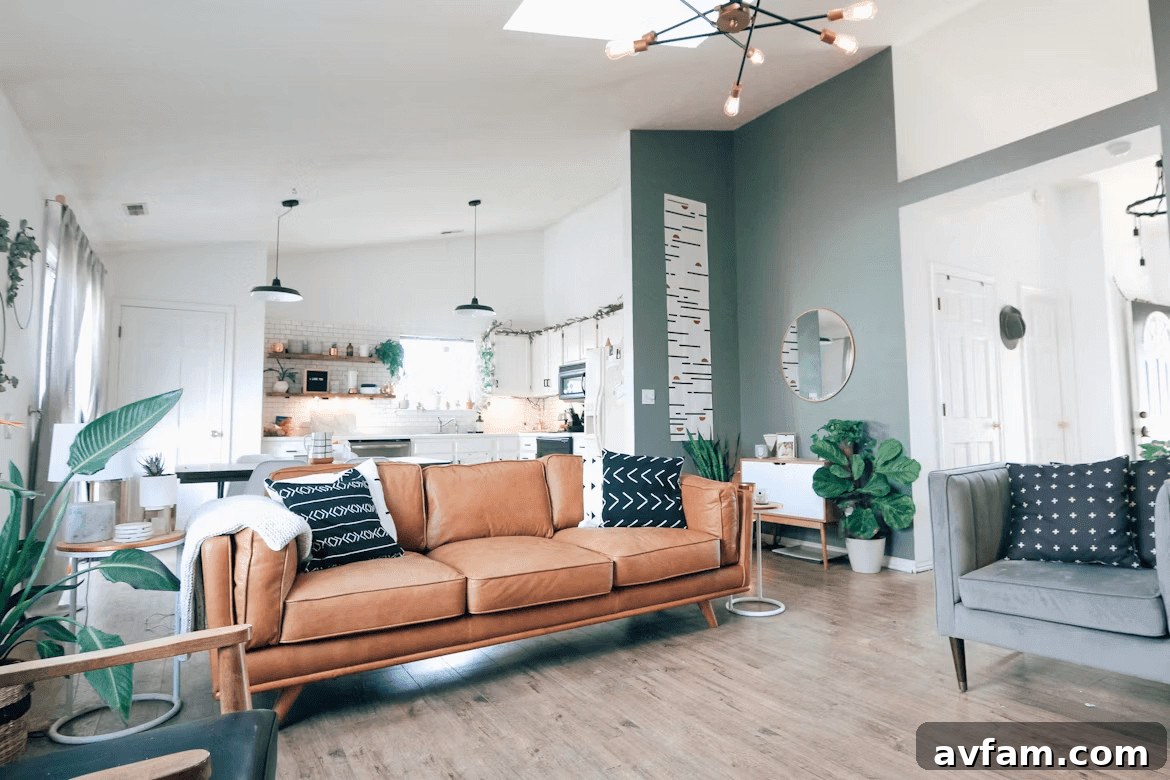
A home you do not live in every day has a way of collecting things. It often becomes the place where extra items from your primary home end up: duplicate toiletries, mismatched towels, spare sheets, half-used pantry goods, forgotten phone chargers, old beach bags, and last-minute purchases made because no one could remember what was already there.
At first, this can seem helpful. One extra toothbrush feels practical. A few backup towels make sense. Another bottle of sunscreen seems harmless when you are stopping at the store on the way in. But over time, those small additions can turn a second home or vacation home into a cluttered catchall. Instead of feeling relaxed when you arrive, you may feel as though the house immediately needs your attention.
An away-home should create the opposite experience. Whether it is a weekend retreat, a seasonal family home, a guest-friendly space, or a property used only part of the year, the goal is the same: simple systems, fewer decisions, less visual clutter, and an easier rhythm for arriving, resting, and leaving. Thoughtful second home organization helps the space feel ready, calm, and enjoyable every time you walk through the door.
Why Part-Time Homes Become Catchalls
A part-time home operates differently from a full-time residence. In a primary home, clutter is usually noticed quickly because someone is there every day. In an away-home, weeks or months can pass before anyone realizes that a drawer is overflowing, the linen closet is packed, or the pantry now holds three open containers of the same item.
Then, when people do arrive, the home often gets used intensely. Family members, friends, guests, or relatives may all come at once. Meals are cooked, beds are changed, towels pile up, and outdoor gear moves in and out. Before the house gets a full reset, everyone leaves again. That stop-and-start pattern is one of the main reasons vacation home organization can become difficult to maintain.
Small problems quickly affect the entire home. If no one can find the trash bags, the kitchen slows down. If beach towels are mixed with bath towels and old sheets, laundry becomes confusing. If every cabinet contains a little bit of everything, the house feels more chaotic than it needs to feel.
The best solution is to treat organization as part of the home’s foundation. Just as lighting, storage, furniture placement, and simple home updates can improve how a space feels, clear systems can make an away-home calmer before anyone even unpacks.
Start With the Away-Home Audit
Before buying bins, baskets, labels, or extra supplies, begin with a simple audit. Decide what the home is meant to support. Is it a quiet escape for weekends? A family gathering place? A remote-work retreat? A guest-ready home? A seasonal property that may need to function more like a rental or shared space in the future?
Once the purpose is clear, sort everything into three groups: keep, duplicate, and remove. Keep the items that truly belong in the home and support how the space is used. Duplicate the essentials that make arrival easier, such as phone chargers, coffee filters, sunscreen, basic cleaning supplies, toiletries, paper goods, and a small set of pantry staples.
Then remove the overflow that only landed there because there was empty space. A second home should not become storage for items that no longer serve your main home. Extra space is not a storage strategy. It is an opportunity to be more intentional about what stays and what goes.
Create Zones for Arrival, Reset, and Restock
The easiest away-homes are organized around real moments, not just broad categories. Start with arrival. Create one simple landing zone for the things someone may need during the first few minutes in the house: keys, Wi-Fi information, phone chargers, flashlights, sunscreen, bug spray, and a short note with any important details or quirks about the property.
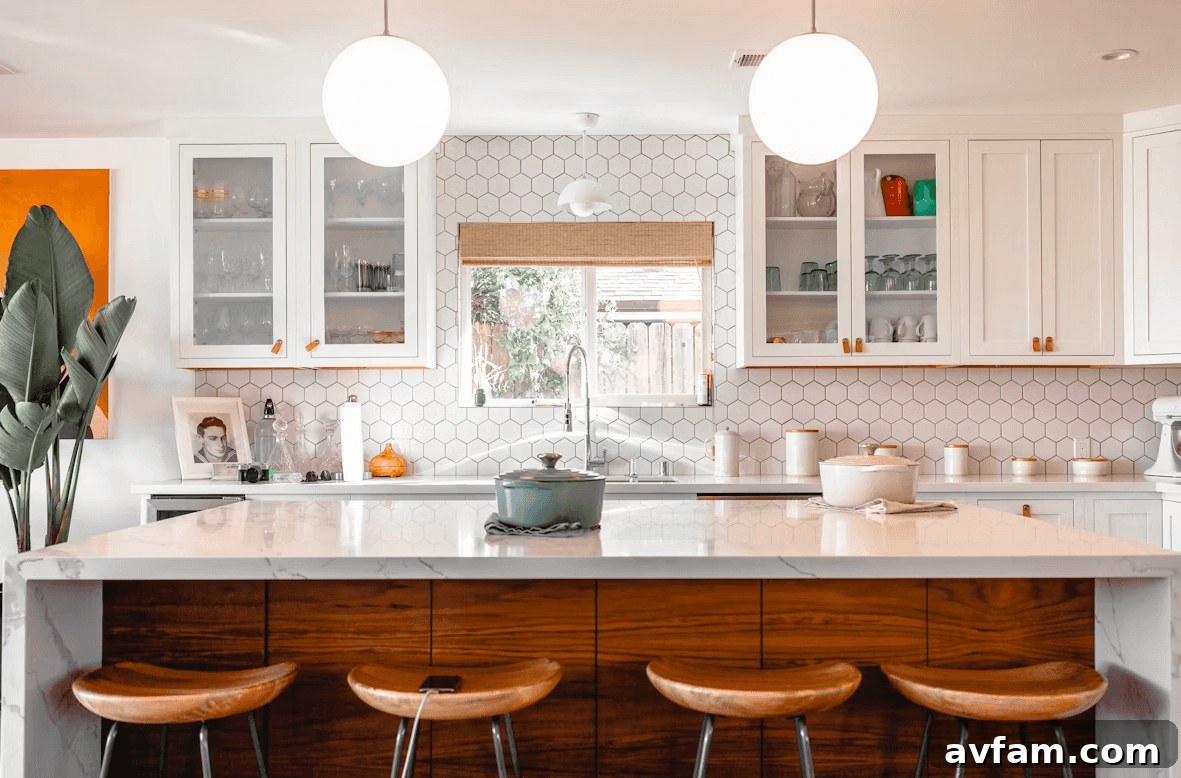
Next, create a reset zone. This area should hold the supplies needed to refresh the home after each stay: extra towels, clean sheet sets, laundry detergent, trash bags, paper goods, and basic cleaning products. Keep this zone visible, edited, and clearly labeled so the house can be reset without opening every closet and cabinet.
Finally, define an owner-only zone. This may be a locked closet, a designated cabinet, or a set of labeled storage bins. Use it for personal belongings, seasonal decor, maintenance supplies, sentimental items, and anything guests or relatives should not need to access. This simple boundary keeps shared spaces open, calm, and easy to use.
Plan Before the Home Starts Working Harder
Some away-homes remain private family retreats for years. Others slowly become busier spaces. A friend may ask to stay for a weekend. A relative may use the home for a month. Guests may begin visiting more often. Over time, the idea of turning the property into a more formal rental or income-producing space may start to feel possible.
Before the home takes on a larger role, think carefully about the practical details. Choose furniture that can handle frequent use. Select finishes that are durable and easy to clean. Keep storage intuitive so people can find what they need without asking. Make sure maintenance supplies are accessible without requiring someone to empty an entire closet.
If the property may become part of a larger rental plan, researching short-term rental loans can help clarify what may be possible before you invest in upgrades, supplies, or a more formal hosting setup. The calmer approach is to plan first, then organize the home around how it will actually be used.
Build in Safety Before Style
A beautiful away-home still needs practical safety systems. These should be easy for anyone to find, whether the person is an owner, a family member, a guest, or a renter. Keep a clearly labeled area for a first-aid kit, flashlights, spare batteries, emergency contacts, property instructions, and any details someone may need during an unexpected situation.
Make sure smoke alarms, carbon monoxide alarms, and fire extinguishers are easy to locate and simple to understand. For homes used by guests or renters, review vacation and short-term rental fire safety guidance and confirm that the basics are current, accessible, and included in the regular reset routine. Peace of mind should be built into the organization system, not left to memory.
Style the System So It Feels Effortless
Once the practical systems are in place, make them feel calm and natural. Use matching bins in visible areas, clear labels where they are helpful, and enough open space to give the eye a break. A part-time home should not feel like a storage unit with nicer furniture. It should feel simple, welcoming, and easy to maintain.
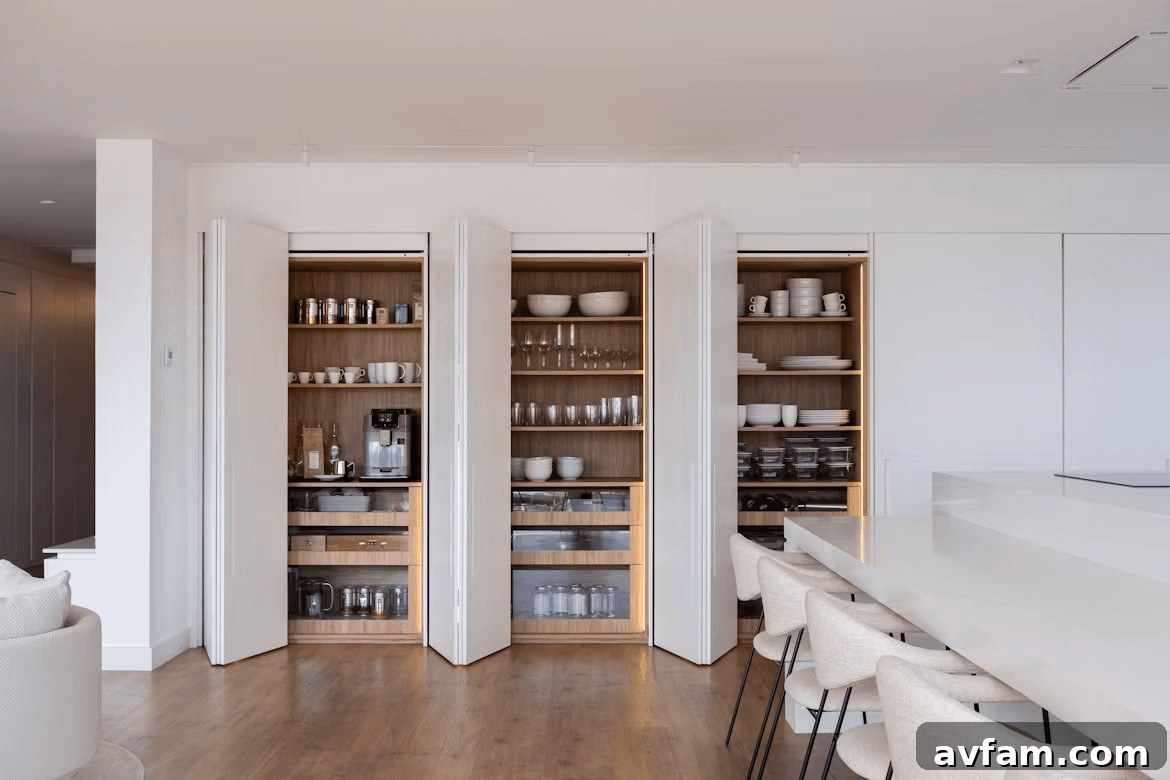
The final edit is often visual. Remove the duplicate mugs that never get used. Let go of extra blankets that no longer have a clear purpose. Clear the surfaces where random items tend to gather. Give every category a home that makes sense, even to someone who did not create the system.
A well-organized away-home should feel ready without feeling staged. It should welcome you back without asking for immediate decisions. It should be easy to reset without becoming a full-day project. Most importantly, it should support the reason you chose the place in the first place: to step out of everyday life, settle in quickly, enjoy your time there, and leave the home feeling as calm as you found it.